

When we embark on the journey of getting a tattoo, one of the most common concerns that arises is the pain associated with the process. Each body part has its own unique sensitivity, and understanding this can help us prepare mentally and physically for the experience. Tattoo pain is not uniform; it varies significantly depending on where we choose to place our ink.
Some areas of our body are more sensitive than others, leading to a wide range of sensations during the tattooing process. By exploring the relationship between tattoo pain and body parts, we can gain insight into what to expect and how to cope with the discomfort. As we delve into this topic, it’s essential to recognize that pain is subjective.
What may be excruciating for one person could be merely a mild annoyance for another. Factors such as individual pain tolerance, the tattoo artist’s technique, and even our mental state can all influence our experience. By understanding the nuances of tattoo pain, we can make informed decisions about where to get our tattoos and how to manage any discomfort that may arise.
Key Takeaways
- Pain tolerance and sensitivity vary from person to person, and can be influenced by factors such as age, gender, and overall health.
- The least painful areas for tattoos include the outer arm, outer thigh, and upper back, while the most painful areas include the ribs, feet, and hands.
- Factors that influence tattoo pain include the individual’s pain tolerance, the size and design of the tattoo, and the skill of the tattoo artist.
- Tips for managing tattoo pain include staying hydrated, getting enough rest, and using numbing creams or sprays if necessary.
- Common myths about tattoo pain include the belief that all tattoos are extremely painful, and that pain levels are the same for everyone.
Understanding Pain Tolerance and Sensitivity
Pain tolerance is a complex interplay of physical and psychological factors that varies from person to person.
Some of us may have a higher threshold for pain due to genetics, past experiences, or even cultural influences.
This means that while one person might find the sensation of a needle on their skin unbearable, another might perceive it as a mere tickle.
Understanding our own pain tolerance can help us prepare for the tattooing process and set realistic expectations. Sensitivity also plays a crucial role in how we experience tattoo pain. Certain areas of our body are packed with nerve endings, making them more susceptible to discomfort.
For instance, regions like the ribs or spine are known for their heightened sensitivity due to the proximity of nerves and bones. Conversely, areas with more muscle or fat tend to be less painful during the tattooing process. By recognizing these differences, we can better navigate our choices and perhaps even select locations that align with our pain tolerance levels.
Least Painful Areas for Tattoos
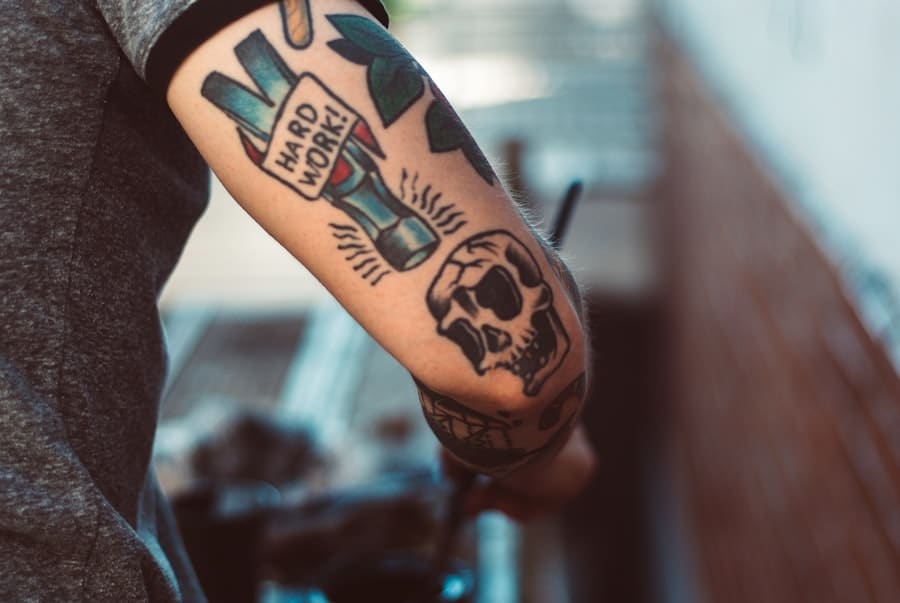
When considering where to place our tattoos, it can be reassuring to know that some areas are generally regarded as less painful than others. For many of us, the outer arms and thighs are often cited as some of the least painful spots for tattooing. These areas typically have more muscle and fat, which can cushion the sensation of the needle.
Additionally, the skin in these regions is thicker, providing a buffer against the discomfort that comes with tattooing. Another area that tends to be less painful is the forearm. The skin here is relatively thick and has fewer nerve endings compared to more sensitive regions.
Many people report that getting a tattoo on their forearm feels more like a gentle scratching than an intense pain. This makes it an ideal choice for those who are new to tattoos or who may be apprehensive about the pain involved in the process. By choosing these less painful areas, we can ease ourselves into the world of tattoos without overwhelming discomfort.
Most Painful Areas for Tattoos
On the flip side, there are certain areas of our bodies that are notorious for being particularly painful when it comes to tattoos. The ribs, for instance, are often cited as one of the most painful spots due to their proximity to bone and the thin layer of skin covering them. The sensation of the needle on this area can feel sharp and intense, leading many to describe it as one of their most challenging tattoo experiences.
Another area known for its high pain levels is the spine. The spine is densely packed with nerve endings, making it incredibly sensitive to any form of pressure or irritation. Many individuals report that getting a tattoo along their spine can be excruciating, often likening it to a burning sensation rather than just a prick.
Other sensitive areas include the armpits, knees, and ankles, where skin is thin and nerve endings are abundant. Understanding these painful zones can help us make informed decisions about where we want our tattoos and prepare ourselves mentally for what lies ahead.
Factors that Influence Tattoo Pain
Several factors come into play when it comes to tattoo pain, and understanding these can help us navigate our experiences more effectively. One significant factor is our mental state at the time of getting a tattoo. Anxiety or fear can heighten our perception of pain, making even minor discomfort feel overwhelming.
Conversely, being relaxed and mentally prepared can help us manage pain more effectively. The skill and technique of the tattoo artist also play a crucial role in how much pain we experience during the process. An experienced artist who knows how to work efficiently and gently can minimize discomfort significantly compared to someone who may be less skilled or inexperienced.
Additionally, the type of needle used and the speed at which the artist works can influence our pain levels. By choosing a reputable artist and communicating openly about our concerns, we can create a more comfortable environment for ourselves.
Tips for Managing Tattoo Pain
Managing tattoo pain is an essential part of ensuring a positive experience during the tattooing process. One effective strategy is to practice deep breathing techniques before and during the session. Focusing on our breath can help calm our nerves and reduce anxiety, which in turn can lower our perception of pain.
Additionally, bringing along a friend for support can provide comfort and distraction during the process. Another helpful tip is to stay hydrated and well-nourished before getting inked. Being well-hydrated can improve skin elasticity and overall comfort during the tattooing process.
Eating a light meal beforehand can also help stabilize our blood sugar levels, preventing dizziness or fainting during the session. By taking these proactive steps, we can create a more manageable experience when it comes to tattoo pain.
Preparing for a Tattoo in a Sensitive Area
When we decide to get a tattoo in a sensitive area, preparation becomes even more critical. First and foremost, we should research and choose an experienced artist who has a good reputation for working in delicate regions. This ensures that we are in capable hands and can trust their technique to minimize discomfort.
Additionally, discussing our concerns with the artist beforehand can help set expectations and create a plan for managing pain during the session. They may have specific techniques or numbing creams they recommend for sensitive areas that can make a significant difference in our experience. By being proactive in our preparation, we can approach getting a tattoo in a sensitive area with greater confidence.
Aftercare for Painful Tattoo Areas
Aftercare is crucial for ensuring proper healing and minimizing discomfort after getting a tattoo, especially in sensitive areas. Following our artist’s aftercare instructions diligently is essential for preventing infection and promoting healing. Keeping the tattoo clean and moisturized will help alleviate any itching or irritation that may arise during the healing process.
In addition to following aftercare guidelines, we should also be mindful of how we treat our bodies post-tattooing. Avoiding tight clothing over the tattooed area can prevent unnecessary friction and irritation while it heals. If we experience significant discomfort or swelling, applying a cold compress can provide relief without compromising the integrity of the tattoo itself.
Tattoo Pain and Healing Time
Understanding the relationship between tattoo pain and healing time is vital for managing expectations after getting inked. While initial pain may subside within hours or days after getting a tattoo, some areas may remain tender for longer periods due to their sensitivity. It’s essential to remember that healing times vary based on individual factors such as skin type, location of the tattoo, and aftercare practices.
During the healing process, we may experience itching or discomfort as our skin regenerates itself. This is entirely normal; however, it’s crucial not to scratch or pick at the tattooed area as this can lead to complications such as scarring or infection. By being patient and allowing our bodies time to heal properly, we can ensure that our tattoos look vibrant and beautiful for years to come.
Common Myths About Tattoo Pain
As we navigate through discussions about tattoo pain, it’s important to address some common myths that often circulate within popular culture. One prevalent myth is that all tattoos are equally painful regardless of location; however, as we’ve explored, this couldn’t be further from the truth. Different body parts have varying levels of sensitivity, which directly impacts how much pain we experience during the process.
Another myth suggests that people who have tattoos must have an exceptionally high pain tolerance; this is not necessarily true either. Many individuals who have tattoos report varying levels of discomfort based on their personal experiences and choices regarding placement. By debunking these myths, we can foster a more accurate understanding of what it means to get a tattoo and how pain plays into that experience.
Conclusion and Final Thoughts
In conclusion, understanding tattoo pain by body part is an essential aspect of preparing for this unique form of self-expression. By recognizing how different areas of our bodies respond to needles and acknowledging our individual pain tolerances, we can make informed decisions about where to place our tattoos and how best to manage any discomfort that arises during the process. As we embark on this journey into body art, it’s crucial to approach it with knowledge and preparation.
By taking steps to manage pain effectively—whether through relaxation techniques or proper aftercare—we can ensure that our experiences are not only bearable but also enjoyable. Ultimately, tattoos are personal expressions of art that carry deep meaning; by understanding their associated challenges, we can embrace them fully while celebrating our unique stories through ink on skin.
If you’re considering getting a tattoo but are worried about the pain, you may also be interested in learning more about agoraphobia. This article discusses the symptoms, causes, and treatment options for this anxiety disorder that can make it difficult for some people to leave their homes. Check it out here.
FAQs
What factors can affect tattoo pain?
Factors that can affect tattoo pain include the location of the tattoo on the body, the individual’s pain tolerance, the size and complexity of the design, and the skill of the tattoo artist.
Which body parts are generally more painful for tattoos?
Body parts that are generally more painful for tattoos include areas with thinner skin and more nerve endings, such as the ribs, feet, hands, and genitals.
Which body parts are generally less painful for tattoos?
Body parts that are generally less painful for tattoos include areas with more muscle and fat, such as the upper arm, thigh, and buttocks.
How can I manage tattoo pain during the process?
To manage tattoo pain during the process, you can try deep breathing, listening to music, taking breaks if needed, and using numbing creams or sprays (if approved by your tattoo artist).
Are there any health risks associated with getting a tattoo in a more painful body part?
There are no specific health risks associated with getting a tattoo in a more painful body part, as long as the tattoo is done by a professional using proper hygiene and safety practices. However, individuals with certain medical conditions should consult with a healthcare professional before getting a tattoo.