

Hormones are key to our body’s balance. They work like a scale, keeping everything in check. But when estrogen gets too high, it can cause trouble.
Many people don’t notice high estrogen symptoms until they’re severe. Women naturally have more estrogen, but men can have too much too. This imbalance affects your mood and weight.
Knowing what causes high estrogen is important. Your body might make too much, or outside factors could be the culprit. Things like hormone therapy, fertility treatments, and certain health issues can lead to too much estrogen. Even everyday products and foods can affect your hormones.
Spotting symptoms early is key to your health. Signs include weight gain and mood swings. Learning to recognize these signs helps you take action and get help when needed.
Key Takeaways
- Estrogen imbalance affects both women and men, causing various physical and emotional symptoms
- Common signs include weight gain, mood swings, fatigue, and changes in menstrual cycles
- Multiple factors can trigger high estrogen, including medications, medical conditions, and environmental exposures
- Early detection of symptoms allows for better management and treatment options
- Both natural remedies and medical treatments can help restore hormonal balance
- Regular health check-ups and lifestyle changes play crucial roles in preventing estrogen excess
Understanding Estrogen and Its Role in the Body
Estrogen is important for both men and women. It helps with bone health and mood. Knowing how estrogen works can help spot problems early.
What Is Estrogen?
Estrogen is a hormone that helps with growth and reproductive health. Both men and women have it, but women have more. It affects cholesterol, bones, and the brain. Changes in estrogen can affect the whole body.
Types of Estrogen Hormones
The body makes three main types of estrogen:
- Estrone (E1) – The main type after menopause, made in fat tissue
- Estradiol (E2) – The strongest type, most active during reproductive years
- Estriol (E3) – Made during pregnancy by the placenta
Each type has its own role at different times in life. Too much of any type can cause problems.
The Role of Estrogen in Women’s Health
In women, estrogen starts puberty and controls menstrual cycles. It works with progesterone for reproductive health. It keeps the vagina healthy, supports pregnancy, and helps with mood.
The Role of Estrogen in Men’s Health
Men need estrogen for sex and sperm production. It also helps keep bones strong and regulates sex drive. Too much estrogen in men can cause unwanted changes and health issues.
Common Symptoms of High Estrogen Levels
When hormones get out of balance, your body sends warning signs. Spotting these early signs can help you tackle symptoms of elevated estrogen before they disrupt your life. Both women and men show similar signs, but there are key indicators to watch for.
Mood Swings and Emotional Changes
Your mood can change with hormonal shifts. Women with high estrogen levels often feel irritable, anxious, or experience sudden mood swings. High estrogen can also lead to depression. These emotional shifts are real and affect your brain chemistry.
Weight Gain and Fat Storage
Unexplained weight gain, especially around the hips and thighs, can signal estrogen-related health issues. When estrogen is high, your body stores fat differently. This makes it hard to lose weight with diet and exercise.
Fatigue and Low Energy
Feeling tired all the time, even after sleeping well, is a sign of hormonal imbalance. Many people feel exhausted despite getting enough rest. Poor sleep quality makes this fatigue worse. Research shows this fatigue is different from normal tiredness – it’s overwhelming and constant.
Changes in Menstrual Cycle
Women with high estrogen often see their periods become unpredictable. Cycles may come early, late, or even skip. Flow can be very light or very heavy. Premenstrual symptoms like cramps, bloating, and breast tenderness can be severe and disrupt daily life.
| Symptom Category | Common Signs | Frequency |
|---|---|---|
| Emotional | Anxiety, irritability, depression | Daily |
| Physical | Weight gain, fatigue, bloating | Persistent |
| Menstrual | Irregular periods, heavy flow | Monthly variations |
Physical Signs to Watch For
Your body often sends clear signals when experiencing estrogen excess. These physical changes can range from mild discomfort to more noticeable symptoms that affect daily life. Understanding these warning signs helps identify hormonal imbalance signs early, allowing for timely intervention and treatment.
Breast Tenderness and Changes
Breast tissue responds quickly to hormonal fluctuations. Women experiencing estrogen excess often notice increased sensitivity, swelling, or heaviness in their breasts. These changes typically worsen before menstrual periods. Some women develop fibrocystic breast changes, feeling small, rope-like lumps that move easily under the skin. While usually benign, these changes warrant medical evaluation to rule out serious conditions.
Bloating and Digestive Issues
Digestive discomfort frequently accompanies hormonal imbalance signs. Estrogen affects how your body retains water and processes nutrients. Common symptoms include:
- Persistent abdominal bloating
- Water retention in hands and feet
- Irregular bowel movements
- Increased gas and stomach cramping
Skin Changes: Acne and Eczema
Skin health directly reflects internal hormone balance. Adult acne, particularly along the jawline and chin, often signals progesterone deficiency relative to estrogen levels. Some people develop eczema patches or experience increased skin sensitivity. These skin issues tend to fluctuate with menstrual cycles, worsening when estrogen peaks.
Hair Loss or Thinning
Hair changes affect both men and women with estrogen excess. You might notice increased shedding during shampooing, thinning at the crown, or changes in hair texture. This occurs because hormonal imbalances disrupt normal hair growth cycles. Men particularly may experience hair loss patterns similar to those seen with elevated estrogen levels.
Impact of High Estrogen on Reproductive Health

High estrogen levels can affect reproductive health in both women and men. When estrogen dominance symptoms appear, they can disrupt normal reproductive functions and fertility. Understanding these impacts helps identify potential health concerns early and seek appropriate treatment.
Effects on Fertility in Women
High estrogen symptoms in women often manifest as reproductive complications that directly impact fertility. Excess estrogen can cause painful periods, uterine polyps, and polycystic ovary syndrome (PCOS). These conditions create barriers to conception and healthy pregnancy.
Women experiencing hyperestrinism may develop dense breast tissue and increased endometriosis pain. PCOS particularly disrupts normal estrogen balance, leading to irregular ovulation cycles. Without regular ovulation, achieving pregnancy becomes challenging. Many women with estrogen dominance symptoms report difficulty conceiving despite trying for extended periods.
High Estrogen Symptoms in Men
Men with elevated estrogen face unique reproductive challenges. Estrogen plays a crucial role in healthy sperm production, but excessive levels cause sperm counts to drop dramatically. This hormonal imbalance leads to male infertility issues that many don’t immediately recognize.
Physical signs include gynecomastia, where breast tissue grows due to estrogen stimulation. Erectile dysfunction frequently occurs when estrogen dominance symptoms develop. These changes affect both physical health and emotional well-being, making early detection essential.
Risk of Hormonal Imbalance Disorders
Hyperestrinism increases risks for various hormonal disorders beyond immediate reproductive concerns. Estrogen dominance occurs when estrogen levels remain high relative to progesterone, creating widespread health effects.
| Condition | Impact on Women | Impact on Men |
|---|---|---|
| Fertility Issues | Irregular cycles, PCOS | Low sperm count |
| Physical Changes | Dense breast tissue | Gynecomastia |
| Sexual Function | Painful intercourse | Erectile dysfunction |
While excess estrogen doesn’t always cause new diseases, it often worsens existing conditions like endometriosis or certain cancers. Recognizing high estrogen symptoms early allows for timely intervention and better reproductive health outcomes.
Lifestyle Factors Contributing to High Estrogen
Your daily habits are key to managing estrogen levels. What you eat and the products you use can greatly affect your hormones. Knowing these factors helps you make choices that support healthy hormones.
Diet and Nutrition Influences
What you eat affects your hormones. Being overweight leads to more estrogen because fat tissue makes it. Drinking alcohol also messes with hormone processing. Just two drinks a day can increase estradiol by up to 22%.
Your gut health is also important. Too many bad bacteria can stop your body from getting rid of excess hormones. This can lead to worse estrogen problems.
Exercise and Activity Levels
Exercise helps keep hormones in check. It helps you stay at a healthy weight and reduces estrogen-producing fat. Even small changes, like standing more, can help. Studies show 150 minutes of moderate exercise a week can stabilize hormones.
Environmental Estrogens: What Are They?
Xenoestrogens are man-made chemicals that act like estrogen. They’re found in many everyday items and can upset your hormone balance.
| Common Source | Chemical Name | Where Found |
|---|---|---|
| Plastics | BPA (Bisphenol A) | Water bottles, food containers |
| Personal Care | Phthalates | Shampoos, lotions, perfumes |
| Food Packaging | PFAS compounds | Non-stick cookware, takeout containers |
To avoid these environmental estrogens, choose glass over plastic. Pick fragrance-free products. And eat fresh foods instead of processed ones.
Diagnosing High Estrogen Levels
Getting an accurate diagnosis is the first step toward managing symptoms of elevated estrogen. Doctors use specific tests and evaluations to determine if your hormone levels are out of balance. Understanding the diagnostic process helps you know what to expect and when to seek medical attention.
Medical Tests for Hormonal Imbalance
Doctors start by reviewing your symptoms and medical history. They measure estrogen levels using blood tests that check estradiol and estrone concentrations. These tests measure hormones in pictograms per milliliter (pg/mL). Women’s normal ranges vary based on age and menstrual cycle phase. For adult women before menopause, estradiol typically ranges from 30-400 pg/mL. Men’s levels stay much lower, usually between 10-50 pg/mL.
Importance of Blood Tests
Blood tests reveal crucial information about hormone balance. They can detect high estrogen levels in women and identify progesterone deficiency at the same time. Testing different hormone types gives doctors a complete picture:
- Estradiol – the main form of estrogen
- Estrone – another type of estrogen
- Estriol – checked during pregnancy
- Progesterone – often tested alongside estrogen
When to Consult a Doctor
Schedule an appointment if you experience multiple symptoms of elevated estrogen lasting more than two weeks. Seek immediate care for severe symptoms like heavy bleeding or chest pain. Women with irregular periods, unexplained weight gain, or persistent mood changes should get evaluated. Early detection of hormonal imbalances prevents complications and improves treatment outcomes.
Natural Remedies to Manage Estrogen Levels
Managing estrogen excess naturally means changing your diet, using specific supplements, and adjusting your daily habits. These steps can help balance hormones without just using medicine.
Dietary Changes for Hormonal Balance
Your diet affects hormone levels. Eating whole grains, vegetables, and lean proteins helps keep estrogen balanced. The Mediterranean diet is especially good for managing estrogen dominance.
| Foods to Increase | Foods to Reduce |
|---|---|
| Cruciferous vegetables (broccoli, cauliflower) | Processed foods |
| Whole grains | Red meat |
| High-fiber foods | Refined carbohydrates |
| Plant-based proteins | Unhealthy fats |
Herbal Supplements: What Works?
Many natural supplements can help balance hormones. Black cohosh and red clover may help control estrogen. DHEA, B vitamins, and vitamin D are also important for hormone health.
Lifestyle Modifications to Consider
Small daily changes can greatly help with hormonal balance. Regular exercise helps keep a healthy weight, which is important because fat makes estrogen. Standing more and reducing stress also helps.
Using glass containers and natural personal care products lowers exposure to harmful plastics.
Medical Treatments for High Estrogen
When natural remedies don’t work, medical help is needed. Doctors have several treatments for high estrogen symptoms. Each one aims to balance hormones and lower estrogen levels.
Hormone Replacement Therapy (HRT)
Doctors adjust HRT plans for estrogen-related issues. They aim to find the right hormone balance. Some need less estrogen, while others might need progesterone or testosterone.
Women with PCOS have treatment options:
- Hormonal contraceptives to regulate cycles
- Metformin (Glucophage, Riomet, Glumetza) for insulin resistance
- Specialized treatments for infertility or excessive hair growth
Medications and Their Effects
Several medications can lower estrogen levels. Aromatase inhibitors like Arimidex (Anastrozole) stop androgens from turning into estrogen. They’re great for patients with estrogen-sensitive cancers.
Synthetic LHRH medications also stop estrogen production in the ovaries. Doctors use these strong drugs for life-threatening cases, like metastatic breast cancer.
When Surgery May Be Necessary
In severe cases, removing the ovaries (oophorectomy) is a permanent solution. This surgery greatly lowers estrogen levels since ovaries produce most of it. Doctors suggest it for patients with estrogen-sensitive cancers or BRCA1 or BRCA2 gene mutations.
The surgery causes surgical menopause. It requires careful management of symptoms.
Preventative Measures for Hormonal Health
Keeping your hormones in balance can stop many health problems before they begin. Hormone levels change as we age, but there are steps to take. By focusing on three main areas, you can build a strong base for hormonal health.
Regular Health Check-ups
Seeing your doctor every year is key to catching hormonal issues early. Blood tests can spot hormone problems like progesterone deficiency. Even if you feel fine, seeing a doctor helps set a baseline for future checks.
Maintaining a Healthy Weight
Your weight affects hormone production. Extra fat means more estrogen, which can cause imbalances. Stay active and eat well to keep hormone levels right. Aim for 150 minutes of moderate exercise a week and choose whole foods over processed ones.
The Importance of Stress Management
Too much stress raises cortisol, which lowers progesterone. This messes up your hormones. Try meditation, yoga, or deep breathing to manage stress. Also, sleep 7-9 hours a night to help your body regulate hormones. Avoid plastics and certain products to avoid hormone-mimicking chemicals.
Estrogen Dominance: What Does It Mean?
Estrogen dominance occurs when your body has too much estrogen compared to other hormones like progesterone. This hormonal imbalance affects many women and can cause various health problems. Understanding what triggers this condition helps you recognize the signs and take action to restore balance.
Definition and Explanation
Estrogen dominance happens when estrogen levels are higher than they should be relative to progesterone. This doesn’t always mean you have too much estrogen in your body. Sometimes progesterone levels drop too low, creating an imbalance. Several factors can cause this condition:
- Birth control pills and certain medications
- Being overweight, since fat cells produce estrogen
- Chronic stress that reduces progesterone
- Medical conditions like PCOS, fibroids, and endometriosis
- Insulin resistance
Symptoms of Estrogen Dominance
Recognizing estrogen dominance symptoms early helps you seek proper treatment. Women experiencing high estrogen levels in women often report:
- Irregular or heavy periods
- Severe PMS symptoms
- Breast swelling and tenderness
- Headaches and brain fog
- Mood swings and anxiety
- Weight gain, especially around hips and thighs
- Trouble sleeping
How to Address Estrogen Dominance
Managing estrogen excess requires addressing the root cause. Treatment options vary based on what’s causing your hormonal imbalance. Simple lifestyle changes like maintaining a healthy weight, managing stress, and eating a balanced diet can help. Some women need medical treatment, including hormone therapy or medications to balance their hormones. Working with a healthcare provider ensures you get the right treatment for your specific situation.
High Estrogen in Men: A Growing Concern
Estrogen is not just for women; men produce it too, but in smaller amounts. When estrogen levels in men rise, it can cause health problems. Knowing the signs of too much estrogen helps men take care of their hormone balance.
Uncommon Symptoms in Men
Men often don’t notice symptoms of high estrogen because they’re different from what’s expected. Gynecomastia, or enlarged breasts, affects up to 70% of men with hormonal issues. Other signs include less muscle, more belly fat, and feeling tired without reason.
A 2018 study found men with high estrogen levels are more likely to feel depressed and anxious. They might feel moody, irritable, and have trouble focusing.
Effects on Libido and Sexual Health
High estrogen levels can hurt a man’s sex life. They might have less interest in sex, trouble getting or keeping an erection, and fewer sperm. This happens because too much estrogen messes with testosterone, the main male hormone.
“When estrogen levels rise above normal ranges in men, it can reduce sperm count by up to 50%, directly affecting fertility potential.”
Treatment Options for Men
Dealing with too much estrogen needs a few steps. Doctors might give aromatase inhibitors like anastrozole or letrozole to stop estrogen production. Natural ways include:
- Weight loss through diet and exercise
- Reducing alcohol consumption
- Managing stress levels
- Avoiding environmental toxins
Men with these symptoms should see a doctor for the right diagnosis and treatment. This will help address their specific health issues related to estrogen.
Long-term Effects of High Estrogen Levels
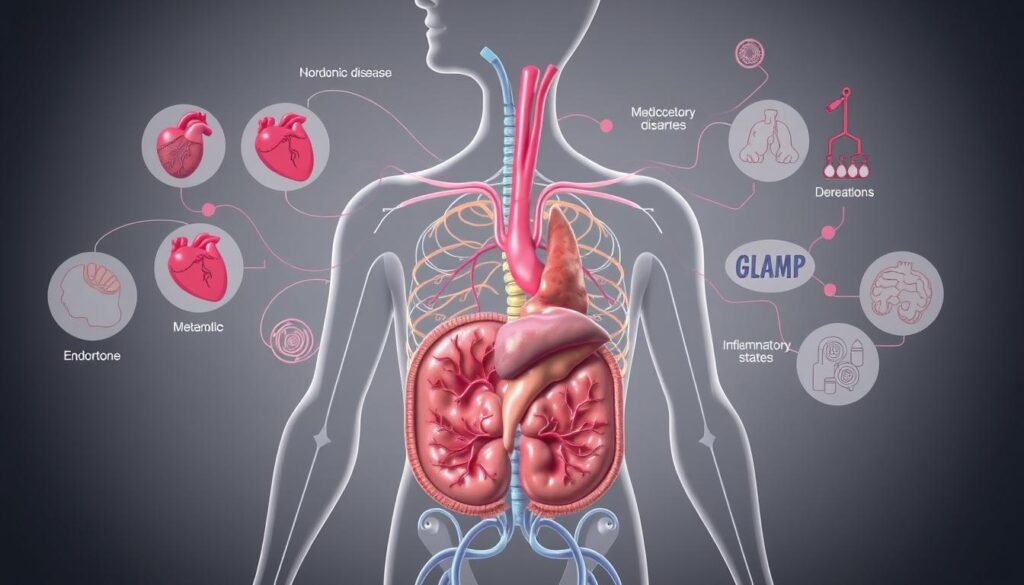
High estrogen levels for a long time can lead to serious health issues. It’s important to understand these effects to see why managing hormonal imbalances is crucial for your health.
Links to Chronic Diseases
High estrogen can cause many problems in your body. It can lead to blood clots, increasing the risk of stroke and heart disease. It also affects your metabolism.
People with asthma or epilepsy may see their symptoms get worse. This shows how hormones can impact your whole body.
Impact on Mental Health
High estrogen levels can harm your mental health. A 2018 study found men with high estrogen were 40% more likely to be depressed. Women also face higher risks of anxiety and mood disorders.
The link between the brain and hormones is strong. Stress from physical symptoms can make mental health worse. This creates a cycle that’s hard to break without treatment.
Increased Risk of Certain Cancers
High estrogen levels raise the risk of cancer, especially hormone-sensitive cancers.
| Cancer Type | Risk Increase | Gender Most Affected |
|---|---|---|
| Breast Cancer | 2-3 times higher | Women (rare in men) |
| Endometrial Cancer | 4-6 times higher | Women only |
| Ovarian Cancer | 1.5-2 times higher | Women only |
Doctors use estrogen-blocking treatments for cancer patients. Early detection and management of hormonal imbalances can lower these risks.
Frequently Asked Questions About High Estrogen
Understanding hormonal imbalances is key to better health. Many people face estrogen dominance symptoms without knowing why. We’ll cover common questions about managing hormones naturally and when to seek professional help.
What Causes High Estrogen Levels?
Several factors can lead to high estrogen levels in women. Your ovaries might produce too much estrogen naturally. Issues with breaking down or removing estrogen can also cause buildup. Being overweight adds to the problem since fat cells produce estrogen.
External factors also play a big role. Birth control pills, hormone therapy, and fertility meds add estrogen. Health issues like PCOS and tumors can also cause excess estrogen. Daily habits like stress, alcohol, and plastic exposure contribute to hormonal imbalances.
How Can I Naturally Balance My Hormones?
Making simple lifestyle changes can help balance hormones. Eat whole foods instead of processed ones. The Mediterranean diet, with lots of veggies, fruits, and healthy fats, is great for hormone health. Eating more fiber from beans, whole grains, and greens helps get rid of excess estrogen.
- Exercise regularly – aim for 30 minutes daily
- Maintain a healthy weight through balanced eating
- Practice stress reduction with yoga or meditation
- Limit alcohol to occasional use
- Choose glass containers over plastic for food storage
When Should I Seek Medical Advice?
If symptoms like irregular periods, unexplained weight gain, or mood swings last, see a doctor. Women having trouble getting pregnant and men with erectile dysfunction or breast growth should also seek help. These are signs of hormonal issues that need medical attention.
Seeing a doctor early is crucial. They can help catch imbalances before they cause serious problems. If you don’t see improvements in two to three months, it’s time to visit your doctor. They can run tests to check hormone levels and create a treatment plan just for you.
Conclusions and Key Takeaways
Knowing the signs of too much estrogen can help you take charge of your health. Both women and men can face serious issues from estrogen imbalance. Women might see mood swings, weight gain, and changes in their periods. Men could experience breast growth, erectile issues, and lower fertility.
These problems come from natural hormone shifts, some medicines, health issues, and our daily habits. It’s important to understand these causes.
Summary of Key Points
Tests that check estrogen levels against other hormones are key to finding out if you have too much estrogen. Treatments vary from simple lifestyle changes to medical treatments. Some people find relief in diet and exercise, while others need medicine or surgery.
Preventing estrogen excess is vital. Keeping a healthy weight, managing stress, and avoiding toxins can help balance hormones.
Final Thoughts on Managing High Estrogen Symptoms
Too much estrogen can lead to serious long-term health risks like cancer, heart disease, and mental health problems. Working with doctors is crucial to get the right treatment. Regular health checks and hormone tests help keep your body in balance.
By tackling the causes of too much estrogen and making smart health choices, you can lessen symptoms and avoid future issues. Your hormonal health is key to your overall well-being. So, stay informed and proactive about managing your estrogen levels.