
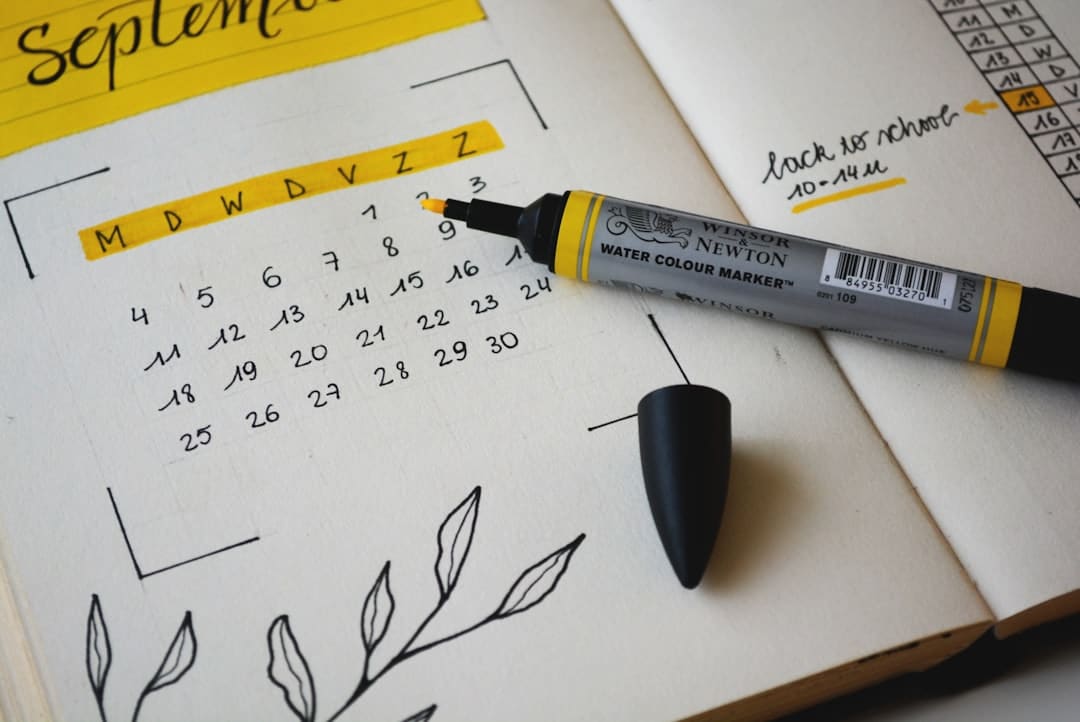
The menstrual cycle is a complex interplay of hormones and physiological changes that occur in a woman’s body, typically lasting around 28 days, although it can vary from 21 to 35 days. This cycle is divided into several phases: the menstrual phase, the follicular phase, ovulation, and the luteal phase. During the menstrual phase, the lining of the uterus sheds if no pregnancy occurs, leading to menstruation.
As we move into the follicular phase, the body prepares for ovulation, with the pituitary gland releasing follicle-stimulating hormone (FSH) to stimulate the growth of ovarian follicles. Ovulation occurs around the midpoint of the cycle when a mature egg is released from the ovary. This is followed by the luteal phase, where the body prepares for a potential pregnancy.
If fertilization does not occur, hormone levels drop, leading to the shedding of the uterine lining once again. Understanding this cycle is crucial for us as it helps us recognize what is normal for our bodies and when something might be amiss. By tracking our cycles, we can gain insights into our reproductive health and overall well-being.
Key Takeaways
- The menstrual cycle is a natural process that occurs in women of reproductive age, involving the shedding of the uterine lining and the release of an egg.
- Factors such as stress, hormonal imbalance, diet, exercise, medical conditions, pregnancy, age, and medications can all contribute to a late period.
- Stress can have a significant impact on the menstrual cycle, leading to irregularities and late periods.
- Hormonal imbalance, such as thyroid disorders or polycystic ovary syndrome, can also cause late periods and menstrual irregularities.
- A balanced diet and regular exercise can help regulate the menstrual cycle and promote overall reproductive health.
Factors that Can Cause a Late Period
There are numerous factors that can contribute to a late period, and it’s essential for us to be aware of them. One of the most common reasons is stress, which can disrupt our hormonal balance and lead to irregularities in our menstrual cycle. Additionally, lifestyle changes such as travel, changes in work schedules, or significant life events can also throw our cycles off balance.
We may find that our bodies respond to these changes in unexpected ways, leading to delays in menstruation. Another factor that can cause a late period is changes in weight. Both significant weight loss and weight gain can impact our hormonal levels and disrupt our cycles.
For instance, athletes or individuals who engage in extreme dieting may experience amenorrhea, which is the absence of menstruation. On the other hand, gaining weight can lead to conditions like polycystic ovary syndrome (PCOS), which is characterized by irregular periods. By understanding these factors, we can better navigate our menstrual health and recognize when something might be out of the ordinary.
Stress and its Impact on Menstrual Cycle
Stress is an inevitable part of life, but its impact on our menstrual cycle can be profound. When we experience stress, our bodies produce higher levels of cortisol, a hormone that can interfere with the delicate balance of reproductive hormones. This disruption can lead to delayed ovulation or even skipped periods altogether.
We may notice that during particularly stressful times—whether due to work pressures, personal issues, or major life changes—our cycles become irregular.
Moreover, chronic stress can lead to long-term hormonal imbalances that affect not only our menstrual cycles but also our overall health.
It’s important for us to find effective ways to manage stress through techniques such as mindfulness, exercise, or talking to a friend or therapist.
By addressing stress proactively, we can help maintain a more regular menstrual cycle and improve our overall well-being.
Hormonal Imbalance and Late Periods
Hormonal imbalances are another significant factor that can lead to late periods. Our menstrual cycles are regulated by a delicate interplay of hormones including estrogen and progesterone. When these hormones are out of balance—due to factors such as age, lifestyle changes, or medical conditions—it can result in irregularities in our cycles.
For instance, conditions like PCOS often lead to elevated levels of androgens, which can disrupt ovulation and cause missed periods. Additionally, thyroid disorders can also play a role in hormonal imbalances. An underactive thyroid (hypothyroidism) can lead to heavier periods or missed cycles altogether, while an overactive thyroid (hyperthyroidism) may cause lighter periods or even amenorrhea.
Understanding how these hormonal changes affect us is crucial for recognizing when we might need to seek medical advice or make lifestyle adjustments.
The Role of Diet and Exercise in Menstrual Regularity
Our diet and exercise habits significantly influence our menstrual health. A balanced diet rich in essential nutrients supports hormonal balance and overall reproductive health. For instance, incorporating healthy fats, whole grains, fruits, and vegetables can help regulate our cycles by providing the necessary building blocks for hormone production.
Conversely, diets high in processed foods and sugars may contribute to inflammation and hormonal imbalances that disrupt our menstrual cycles. Exercise also plays a vital role in maintaining menstrual regularity. Regular physical activity helps reduce stress levels and supports healthy weight management, both of which are important for hormonal balance.
However, it’s essential for us to find a balance; excessive exercise or extreme dieting can lead to missed periods or amenorrhea. By adopting a holistic approach that includes a nutritious diet and regular exercise tailored to our individual needs, we can promote a healthier menstrual cycle.
Medical Conditions and Late Periods
Several medical conditions can lead to late periods or irregular cycles. One of the most common conditions is polycystic ovary syndrome (PCOS), which affects hormone levels and can result in irregular menstruation. Women with PCOS may experience symptoms such as weight gain, acne, and excessive hair growth due to elevated androgen levels.
Recognizing these symptoms early on is crucial for managing the condition effectively. Other medical conditions that can impact menstrual regularity include endometriosis and uterine fibroids. Endometriosis occurs when tissue similar to the lining of the uterus grows outside it, leading to painful periods and potential fertility issues.
Uterine fibroids are noncancerous growths that can cause heavy bleeding and irregular cycles. If we suspect that an underlying medical condition may be affecting our menstrual health, it’s important to consult with a healthcare provider for proper diagnosis and treatment options.
Pregnancy and Late Periods
One of the most well-known reasons for a late period is pregnancy. When conception occurs, hormonal changes prevent ovulation and menstruation from taking place. For many women, a missed period is often the first sign of pregnancy they notice.
If we suspect that we might be pregnant due to a late period accompanied by other symptoms such as nausea or breast tenderness, taking a home pregnancy test can provide clarity. It’s important for us to remember that while a late period can indicate pregnancy, it’s not the only possibility. Other factors such as stress or hormonal imbalances can also lead to missed periods.
Therefore, if we receive a negative pregnancy test but still experience irregularities in our cycle, it may be wise to consult with a healthcare professional for further evaluation.
Age and Menstrual Irregularities
As we age, our bodies undergo various changes that can affect our menstrual cycles. For younger women in their teens and early twenties, it’s common for cycles to be irregular as their bodies adjust to hormonal fluctuations. On the other hand, as we approach perimenopause—typically occurring in our late thirties to early forties—we may begin to experience more pronounced irregularities due to declining hormone levels.
During perimenopause, women may notice changes such as skipped periods or heavier bleeding as their bodies transition toward menopause. Understanding these age-related changes helps us normalize what we experience during different life stages and encourages us to seek support if needed. By being proactive about our reproductive health at every age, we can better navigate these transitions.
Medications and Late Periods
Certain medications can also impact our menstrual cycles and lead to late periods. Hormonal contraceptives are designed to regulate cycles but may cause irregularities during initial use or if there are changes in dosage or type. Additionally, medications for conditions such as depression or anxiety may have side effects that affect menstruation.
If we notice changes in our menstrual cycle after starting a new medication or adjusting dosages, it’s essential to discuss these concerns with our healthcare provider. They can help us understand whether the medication might be contributing to irregularities and explore alternative options if necessary.
When to Seek Medical Help for a Late Period
While occasional late periods are often normal and may not require medical attention, there are certain situations where seeking help is advisable. If we experience consistently irregular cycles over several months or if we miss multiple periods without an obvious reason—such as pregnancy—it’s important to consult with a healthcare professional. Other concerning symptoms may include severe pain during menstruation or unusual bleeding patterns.
By being proactive about our menstrual health and seeking medical advice when needed, we empower ourselves to take control of our reproductive well-being. Early intervention can lead to better management of any underlying conditions and help us maintain regular cycles.
Tips for Regulating the Menstrual Cycle
To promote regularity in our menstrual cycles, there are several strategies we can adopt. First and foremost, maintaining a balanced diet rich in whole foods supports hormonal health.
Incorporating regular physical activity into our routines not only helps manage stress but also promotes overall well-being.
Additionally, practicing stress-reduction techniques such as yoga or meditation can have a positive impact on our cycles by helping us manage cortisol levels effectively. Keeping track of our menstrual cycles through apps or journals allows us to identify patterns and recognize any irregularities early on. Lastly, staying hydrated and ensuring adequate sleep are crucial components of maintaining hormonal balance.
By prioritizing self-care and being mindful of our bodies’ needs, we can take proactive steps toward regulating our menstrual cycles and enhancing our overall health. In conclusion, understanding the various factors that influence our menstrual cycles empowers us to take charge of our reproductive health. By recognizing what is normal for us and being aware of potential disruptions—whether due to stress, hormonal imbalances, lifestyle choices, or medical conditions—we can navigate our menstrual health with confidence and seek help when necessary.
If you are experiencing irregular periods, it may be helpful to consult with a trusted medical professional like Dr. Oliveros in Sebring, FL. In a related article on lifemedicallab.com, Dr. Oliveros provides valuable insights and medical services to address various health concerns, including menstrual irregularities. Understanding the underlying causes of late periods can help you take proactive steps towards improving your overall health and well-being.
FAQs
What is a normal menstrual cycle length?
The average menstrual cycle is 28 days, but it can range from 21 to 35 days.
How late can a period be before it is considered abnormal?
A period is considered late if it is more than 5-7 days late from the expected date.
What are some common reasons for a late period?
Common reasons for a late period include stress, changes in weight, hormonal imbalances, illness, travel, and certain medications.
Can pregnancy cause a late period?
Yes, pregnancy is a common cause of a late period. It is important to take a pregnancy test if there is a possibility of pregnancy.
When should I see a doctor about a late period?
If you have missed a period and are not pregnant, it is recommended to see a doctor if it continues for more than three months or if it is accompanied by other concerning symptoms.