
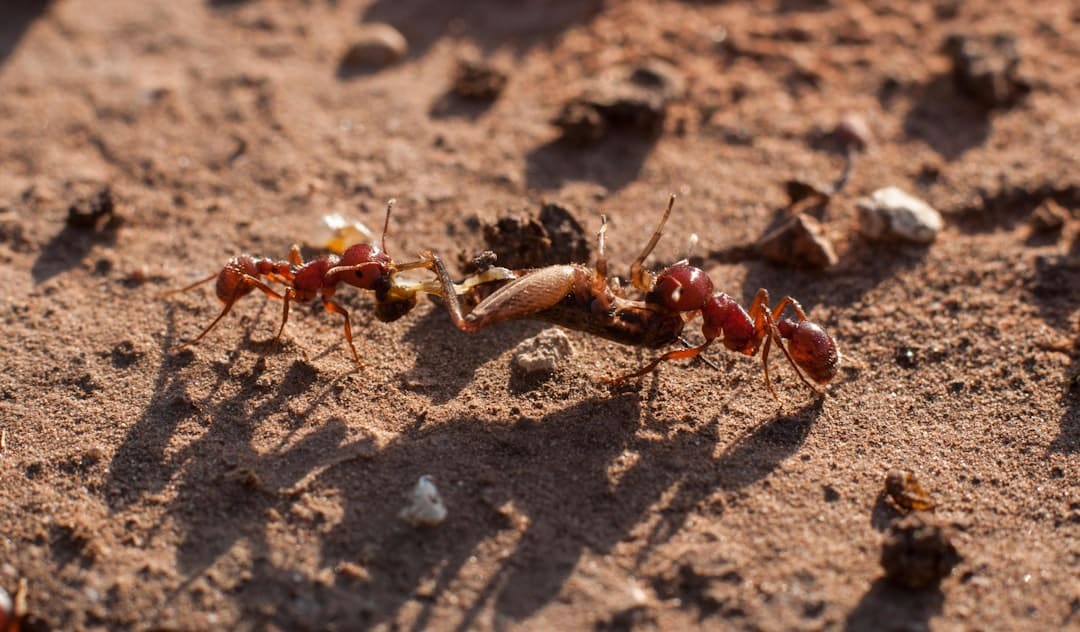
As we delve into the fascinating world of ants, we find ourselves captivated by their complex social structures and behaviors. Ants are not just simple insects; they are highly organized creatures that live in colonies, often numbering in the thousands or even millions. Each ant has a specific role within the colony, whether it be a worker, soldier, or queen.
This division of labor allows them to efficiently gather food, care for their young, and defend their territory. By observing their behavior, we can gain insights into how they communicate and cooperate, primarily through pheromones—chemical signals that convey information about food sources, danger, and more. Moreover, understanding the behavior of ants helps us recognize why they invade our homes.
Ants are constantly on the lookout for food and water sources, which can lead them to our kitchens and pantries. They are particularly attracted to sugary substances and proteins, making our homes an appealing target. When we see a few ants marching across our countertops, it is often just the tip of the iceberg; a whole colony may be lurking nearby.
By studying their habits and preferences, we can better prepare ourselves to manage and control their presence in our living spaces.
Key Takeaways
- Ants communicate through pheromones, which is why they often follow the same trails and gather in large numbers.
- Natural remedies like diatomaceous earth, cinnamon, and citrus peels can help deter ants from entering your home.
- Chemical solutions like ant baits and sprays can effectively eliminate ant infestations, but should be used with caution around children and pets.
- Keeping a clean and tidy home, sealing entry points, and eliminating ant nests are important preventative measures to keep ants away.
- Using a mixture of vinegar and essential oils can help repel ants and keep them from entering your home.
Natural Remedies for Ant Control
When faced with an ant invasion, many of us prefer to explore natural remedies before resorting to chemical solutions. There are several effective methods we can employ that are both eco-friendly and safe for our families and pets. One popular natural remedy involves using diatomaceous earth, a fine powder made from fossilized algae.
When sprinkled in areas where ants are active, this powder can dehydrate and kill them without posing any harm to humans or pets. We can easily apply it around entry points or along ant trails to create a barrier that deters these pesky invaders. Another effective natural solution is the use of essential oils.
Oils such as peppermint, tea tree, and citrus not only smell delightful but also act as powerful repellents. By mixing a few drops of essential oil with water in a spray bottle, we can create a homemade ant repellent that can be sprayed around our homes. The strong scent disrupts the ants’ pheromone trails, making it difficult for them to navigate and communicate with one another.
This method not only helps in repelling ants but also leaves our living spaces smelling fresh and inviting.
Chemical Solutions for Ant Infestations
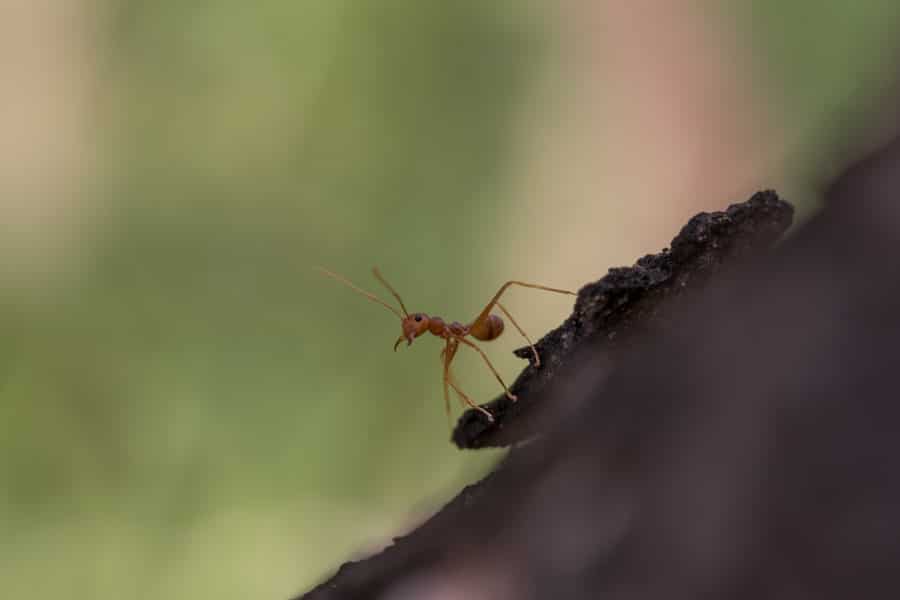
While natural remedies can be effective, there are times when we may need to consider chemical solutions for more severe ant infestations. Various commercial products are available that target specific types of ants and their behaviors. Ant sprays and granules can provide immediate relief by killing ants on contact, while bait stations offer a more strategic approach.
These baits contain slow-acting insecticides that worker ants carry back to their colonies, ultimately eliminating the queen and other members of the colony. When using chemical solutions, it is crucial for us to follow the instructions carefully to ensure safety and effectiveness. We should also be mindful of the potential impact on beneficial insects and the environment.
By choosing targeted products designed for specific ant species, we can minimize unintended consequences while effectively managing our ant problems. It’s essential to strike a balance between achieving quick results and maintaining a safe living environment.
Preventative Measures to Keep Ants Away
Prevention is always better than cure, especially when it comes to managing ant populations in our homes. By taking proactive measures, we can significantly reduce the likelihood of an ant invasion. One of the most effective strategies is to eliminate food sources that attract ants.
This means storing food in airtight containers, promptly cleaning up spills and crumbs, and ensuring that garbage cans are tightly sealed. By making our homes less appealing to ants, we can deter them from even considering an invasion. In addition to food management, we should also focus on maintaining our outdoor spaces.
Keeping our yards tidy by trimming back vegetation and removing debris can help reduce potential nesting sites for ants.
We can also create physical barriers by placing mulch or gravel around the foundation of our homes, making it more challenging for ants to find their way inside. By implementing these preventative measures, we not only protect our homes from ants but also create a more pleasant living environment.
Using Ant Baits Effectively
When we decide to use ant baits as part of our ant control strategy, it’s essential to understand how to use them effectively for maximum impact. Ant baits work by attracting worker ants with a food source laced with a slow-acting insecticide. The key is to place the baits strategically along ant trails or near areas where we have observed ant activity.
This ensures that the worker ants will find the bait and carry it back to their colony, where it will ultimately eliminate the queen and other members. It’s important for us to be patient when using ant baits, as it may take several days or even weeks for the entire colony to be affected. During this time, we should avoid using other insecticides in the vicinity of the baits, as this could deter ants from approaching them.
By allowing the bait to work its magic undisturbed, we increase our chances of successfully eradicating the entire colony rather than just a few individuals.
Eliminating Ant Nests
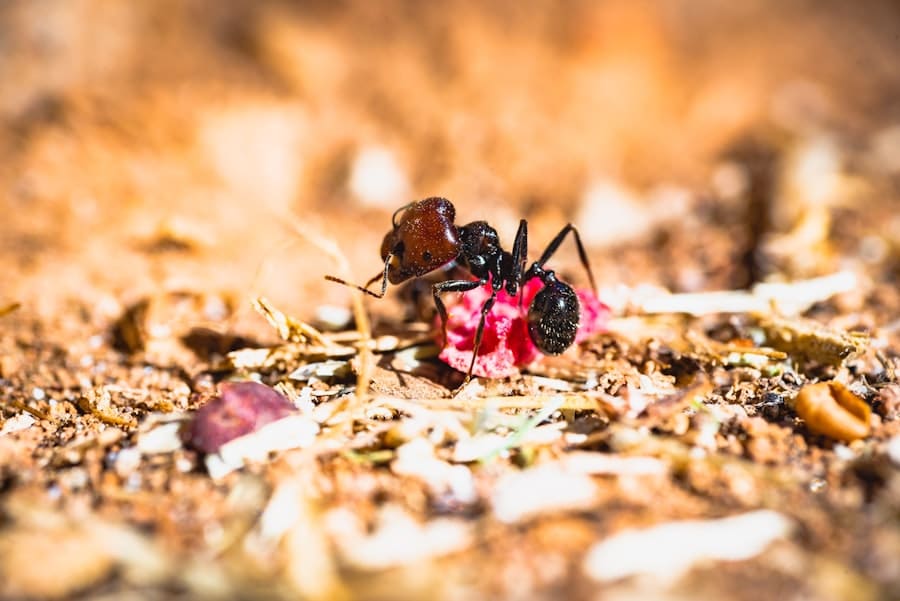
To truly tackle an ant infestation, we must consider locating and eliminating the nests themselves. Identifying an ant nest can be challenging since they often build their colonies underground or within walls. However, by following ant trails back to their source, we can often pinpoint where they are nesting.
Once we have located the nest, we can take appropriate action to eliminate it. There are several methods for destroying ant nests, including pouring boiling water directly onto the nest or using insecticidal dust or sprays specifically designed for this purpose. If the nest is located in an inaccessible area, such as within walls or under concrete slabs, we may need to consider professional pest control services for assistance.
By effectively eliminating the nest, we can significantly reduce the chances of future infestations.
Sealing Entry Points to Prevent Ants from Entering
Once we have dealt with an existing ant problem, it’s crucial for us to take steps to prevent future invasions by sealing potential entry points around our homes. Ants are incredibly small and can squeeze through even the tiniest cracks and crevices. We should conduct a thorough inspection of our homes, paying close attention to areas around windows, doors, and foundations where gaps may exist.
Using caulk or weather stripping can help seal these entry points effectively. Additionally, we should ensure that screens on windows and doors are intact and free from holes. By taking these preventative measures, we create a physical barrier that makes it much more difficult for ants to gain access to our living spaces.
Maintaining a Clean and Tidy Home to Deter Ants
A clean home is not only aesthetically pleasing but also plays a significant role in deterring ants from invading our space. Regular cleaning routines should include sweeping and vacuuming floors to remove crumbs and food particles that may attract ants. We should also wipe down surfaces with soapy water or vinegar solutions to eliminate any lingering scents that could draw them in.
In addition to indoor cleanliness, we must also pay attention to outdoor areas surrounding our homes. Keeping gardens tidy by removing fallen fruit or debris can help reduce potential food sources for ants outside.
By maintaining both indoor and outdoor cleanliness, we create an environment that is less inviting for these persistent pests.
Using Vinegar and Essential Oils to Repel Ants
Vinegar is another natural remedy that many of us find effective in repelling ants due to its strong scent and acidic properties. By mixing equal parts vinegar and water in a spray bottle, we can create a solution that disrupts ant trails and deters them from entering our homes. Spraying this mixture around entry points or areas where we’ve seen ant activity can help keep them at bay.
In addition to vinegar, essential oils such as peppermint or tea tree oil can be used in conjunction with vinegar for added effectiveness. The combination of these natural repellents not only helps deter ants but also leaves our homes smelling fresh and pleasant. By incorporating these simple solutions into our pest control routine, we can maintain a more harmonious living environment.
Calling in Professional Pest Control Services
In some cases, despite our best efforts at prevention and control, ant infestations may become overwhelming. When this happens, it may be time for us to consider calling in professional pest control services. These experts have access to specialized tools and treatments that can effectively eliminate even the most stubborn ant colonies.
Professional pest control services also provide valuable insights into preventing future infestations based on their extensive knowledge of ant behavior and biology. They can conduct thorough inspections of our properties to identify potential problem areas and recommend tailored solutions that suit our specific needs. While this option may involve an investment, it often leads to long-term peace of mind when dealing with persistent pest issues.
Monitoring and Controlling Ant Populations
Once we have successfully managed an ant infestation or taken preventative measures against future invasions, ongoing monitoring becomes essential for maintaining control over ant populations in our homes. Regularly checking for signs of ant activity—such as trails or nests—allows us to catch any potential problems early before they escalate into larger infestations. We should also remain vigilant about maintaining cleanliness both indoors and outdoors while continuing to implement preventative measures like sealing entry points and using natural repellents as needed.
By staying proactive in monitoring our environments and addressing any issues promptly, we can enjoy a home free from unwanted ant visitors while fostering a more harmonious living space for ourselves and our families. In conclusion, understanding the behavior of ants is crucial in managing their presence in our homes effectively. By employing a combination of natural remedies, chemical solutions when necessary, preventative measures, and ongoing monitoring efforts, we can create an environment that deters these industrious insects while ensuring our living spaces remain clean and comfortable.
If you’re looking for more expert advice on dealing with pests, you may want to check out this article on Jacoby and Jacoby reviews. This article provides insights and expert ratings on a variety of topics, including pest control methods. It’s always helpful to gather as much information as possible when dealing with household nuisances like ants.
FAQs
What are some effective methods for getting rid of ants?
Some effective methods for getting rid of ants include using ant baits, creating a barrier with diatomaceous earth or cinnamon, using natural repellents like peppermint oil, and keeping a clean and tidy home to eliminate food sources.
How do ant baits work to eliminate ants?
Ant baits work by attracting ants with a sweet or protein-based bait that is laced with a slow-acting poison. The ants then carry the poisoned bait back to their colony, where it is shared with the other ants, eventually leading to the elimination of the entire colony.
What is diatomaceous earth and how does it help in getting rid of ants?
Diatomaceous earth is a natural substance made from the fossilized remains of tiny, aquatic organisms called diatoms. It works by dehydrating and killing ants and other insects that come into contact with it. It can be used to create a barrier to prevent ants from entering the home.
How can peppermint oil be used to repel ants?
Peppermint oil can be used as a natural ant repellent by mixing it with water and spraying it around entry points and areas where ants are present. The strong scent of peppermint oil disrupts the ants’ ability to communicate and navigate, causing them to avoid the treated areas.
Why is it important to keep a clean and tidy home to prevent ants?
Keeping a clean and tidy home is important to prevent ants because it eliminates potential food sources that attract ants. By regularly cleaning up crumbs, spills, and food residue, homeowners can make their homes less appealing to ants and reduce the likelihood of an infestation.