
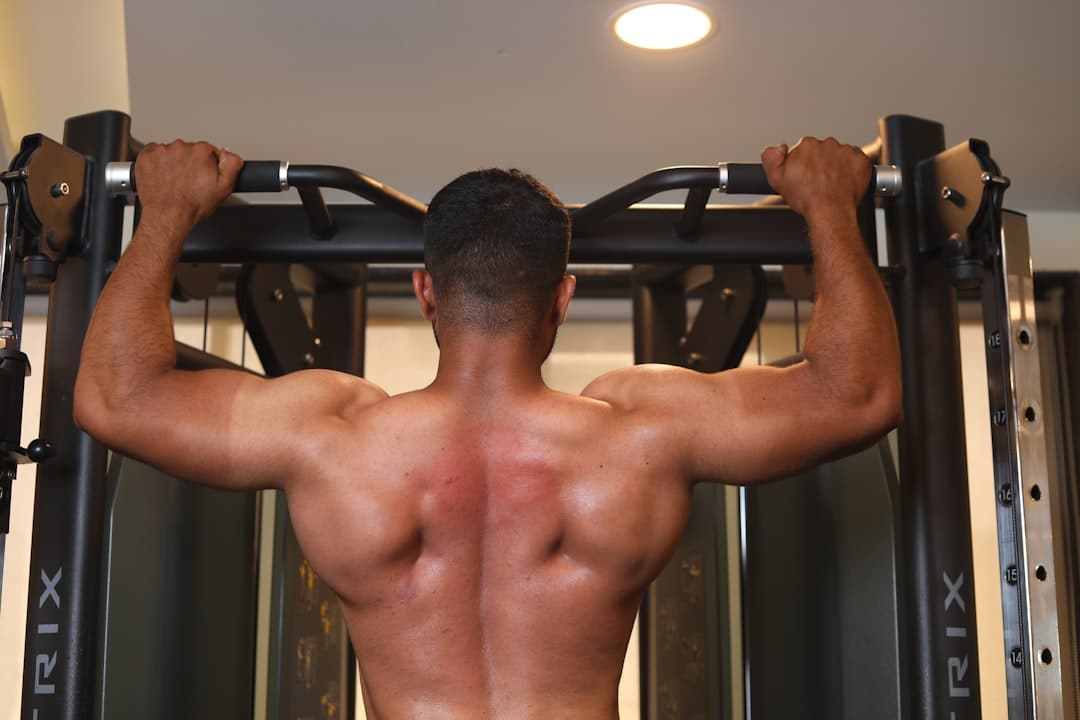
As we embark on our journey to understand face fat, we must first recognize that various factors contribute to its appearance. Genetics plays a significant role in determining where our bodies store fat, including the face. Some of us may have inherited a predisposition to carry more weight in our facial area, leading to a fuller appearance.
Additionally, age can influence the distribution of fat in our bodies. As we grow older, our skin loses elasticity, and fat may settle in areas where it was not previously noticeable. This natural aging process can make our faces appear rounder or puffier.
Moreover, lifestyle choices significantly impact the accumulation of fat in our faces. Poor dietary habits, lack of physical activity, and high-stress levels can all contribute to weight gain, including in the facial region. When we consume excessive calories or unhealthy foods, our bodies tend to store that energy as fat.
Furthermore, stress can lead to hormonal changes that promote weight gain, particularly in the face and neck area. By understanding these causes, we can take proactive steps to address them and work towards a healthier appearance.
Key Takeaways
- Face fat can be caused by genetics, aging, poor diet, lack of exercise, and dehydration
- Cardiovascular exercise helps to burn overall body fat, including in the face
- A healthy and balanced diet rich in fruits, vegetables, lean proteins, and whole grains can help reduce face fat
- Drinking plenty of water and limiting alcohol consumption can help reduce bloating and water retention in the face
- Facial exercises can help tone and strengthen facial muscles, reducing the appearance of face fat
Incorporating Cardiovascular Exercise into Your Routine
To combat face fat effectively, we should consider incorporating cardiovascular exercise into our daily routines. Engaging in activities that elevate our heart rates not only helps burn calories but also promotes overall fat loss throughout the body, including the face. Whether it’s jogging, cycling, swimming, or dancing, finding an enjoyable form of cardio can make the process more sustainable.
We can aim for at least 150 minutes of moderate-intensity aerobic activity each week, which can significantly contribute to reducing body fat. In addition to traditional forms of cardio, we might explore high-intensity interval training (HIIT) as an effective way to maximize fat burning in a shorter amount of time. HIIT involves alternating between short bursts of intense activity and periods of rest or lower-intensity exercise.
This method not only keeps our workouts engaging but also boosts our metabolism long after we finish exercising. By committing to regular cardiovascular workouts, we can enhance our overall fitness levels while working towards a slimmer face.
Implementing a Healthy and Balanced Diet
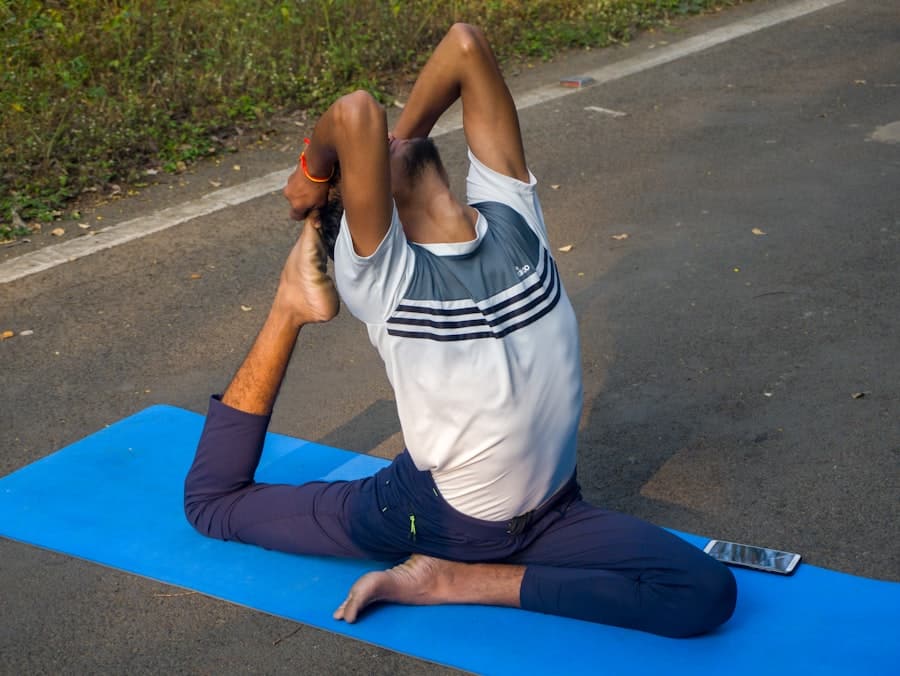
A healthy and balanced diet is crucial for reducing face fat and improving our overall well-being. We should focus on incorporating whole foods into our meals, such as fruits, vegetables, lean proteins, and whole grains. These nutrient-dense options provide essential vitamins and minerals while keeping us satiated and energized.
By prioritizing these foods, we can create a caloric deficit that encourages our bodies to burn stored fat. Moreover, we must be mindful of portion sizes and strive for moderation in our eating habits. It’s easy to overindulge in high-calorie snacks or sugary treats, especially when they are readily available.
By planning our meals and snacks ahead of time, we can make healthier choices and avoid impulsive eating. Additionally, keeping a food diary can help us track our intake and identify patterns that may contribute to weight gain. By making conscious dietary choices, we can work towards achieving a more sculpted facial appearance.
Drinking Plenty of Water and Limiting Alcohol Consumption
Staying hydrated is essential for maintaining overall health and can also play a role in reducing face fat. When we drink plenty of water throughout the day, we help our bodies flush out toxins and reduce water retention, which can contribute to a bloated appearance in the face. Aim for at least eight glasses of water daily, adjusting based on activity levels and climate conditions.
Carrying a reusable water bottle can serve as a reminder to stay hydrated and make it easier to reach our daily goals. On the other hand, limiting alcohol consumption is equally important in our quest to reduce face fat. Alcoholic beverages are often high in empty calories and can lead to dehydration, which may exacerbate puffiness in the face.
Additionally, excessive drinking can disrupt our sleep patterns and lead to poor dietary choices the following day. By moderating our alcohol intake and opting for healthier alternatives when socializing, we can support our efforts to achieve a slimmer facial profile.
Utilizing Facial Exercises to Tone and Strengthen Muscles
In addition to overall body workouts, we might consider incorporating facial exercises into our routines to tone and strengthen the muscles in our faces. These exercises can help improve muscle definition and promote a more sculpted appearance. Simple movements such as cheek lifts, jaw releases, and chin lifts can be performed daily to target specific areas of the face.
By dedicating just a few minutes each day to these exercises, we can enhance blood circulation and promote muscle engagement. Furthermore, facial yoga has gained popularity as an effective way to reduce tension and improve facial aesthetics. This practice combines traditional yoga principles with targeted facial movements designed to lift and tone the skin.
By practicing facial yoga regularly, we may notice improvements in skin elasticity and a reduction in the appearance of fine lines and wrinkles. Embracing these exercises not only contributes to a slimmer face but also fosters a sense of mindfulness and relaxation.
Getting Adequate Sleep and Managing Stress Levels
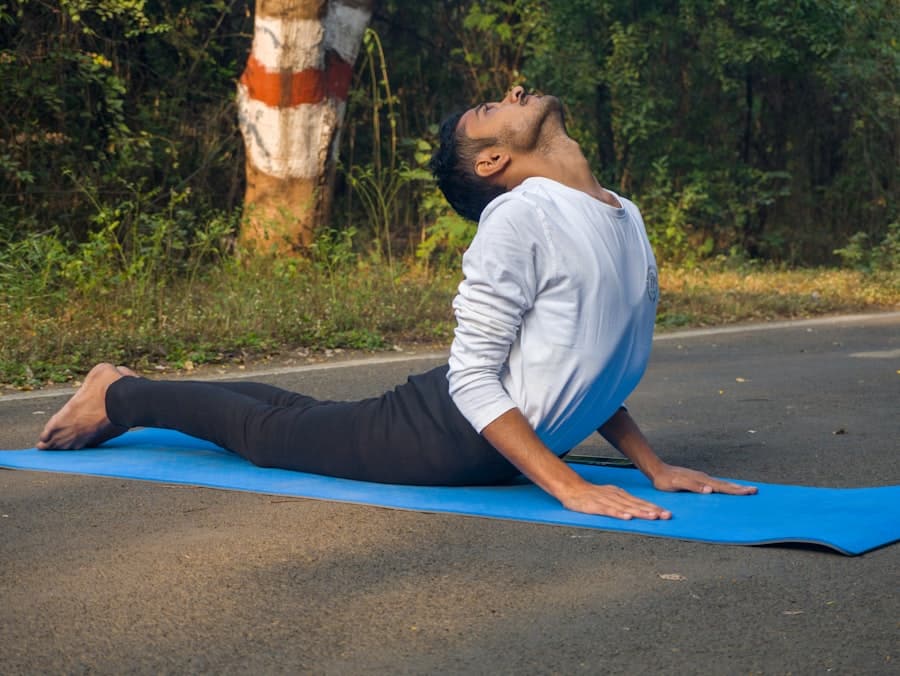
Adequate sleep is often overlooked but is vital for maintaining a healthy body and mind. When we don’t get enough rest, our bodies produce higher levels of cortisol, a stress hormone that can lead to weight gain and increased fat storage in the face. Striving for seven to nine hours of quality sleep each night allows our bodies to recover and regulate hormones effectively.
Establishing a calming bedtime routine can help us wind down and improve sleep quality.
In addition to sleep, managing stress levels is crucial for overall health and weight management.
Chronic stress can lead to unhealthy coping mechanisms such as overeating or indulging in comfort foods that contribute to weight gain.
We might explore various stress-reduction techniques such as meditation, deep breathing exercises, or engaging in hobbies that bring us joy. By prioritizing self-care and finding healthy outlets for stress, we can create a more balanced lifestyle that supports our goals.
Avoiding Processed Foods and Limiting Sodium Intake
To further support our efforts in reducing face fat, we should be mindful of the foods we consume daily. Processed foods are often high in unhealthy fats, sugars, and sodium, which can contribute to weight gain and bloating. By focusing on whole foods that are minimally processed, we can nourish our bodies with essential nutrients while avoiding unnecessary additives that may hinder our progress.
Limiting sodium intake is particularly important for reducing water retention in the face. High sodium levels can cause our bodies to hold onto excess water, leading to puffiness and swelling. We should aim to consume no more than 2,300 milligrams of sodium per day while opting for fresh herbs and spices as flavorful alternatives when cooking.
By making these dietary adjustments, we can promote a healthier appearance while supporting our overall well-being.
Considering Non-Invasive Procedures for Targeted Fat Reduction
For those seeking quicker results or additional support in their journey towards reducing face fat, non-invasive procedures may be worth considering.
Treatments such as ultrasound therapy or radiofrequency skin tightening can help target specific areas of fat without the need for surgery or extensive downtime.
These procedures work by using energy waves to stimulate collagen production and promote skin tightening.
While these options may not be suitable for everyone, they can provide an additional boost for those who have already committed to lifestyle changes but are struggling with stubborn areas of fat. It’s essential for us to research thoroughly and consult with qualified professionals before pursuing any cosmetic procedures. By combining these treatments with healthy habits, we can achieve more noticeable results while feeling confident in our choices.
Monitoring Portion Sizes and Avoiding Overeating
As we continue on this journey towards reducing face fat, monitoring portion sizes becomes increasingly important. It’s easy to underestimate how much we’re eating when we’re distracted or eating on the go. By being mindful of portion sizes and practicing intuitive eating—listening to our bodies’ hunger cues—we can avoid overeating and make healthier choices.
One effective strategy is using smaller plates or bowls when serving meals at home. This simple change can help create the illusion of larger portions while naturally encouraging us to eat less. Additionally, taking time to savor each bite allows us to enjoy our meals fully while recognizing when we’re satisfied.
By cultivating these habits, we can develop a healthier relationship with food that supports our goals.
Seeking Professional Guidance and Support
Embarking on this journey alone can be challenging; therefore, seeking professional guidance may be beneficial for many of us. Consulting with a registered dietitian or nutritionist can provide personalized advice tailored to our specific needs and goals. These professionals can help us create meal plans that align with our lifestyle while ensuring we receive adequate nutrition.
Additionally, joining support groups or fitness communities can foster motivation and accountability as we work towards reducing face fat together with others who share similar goals. Engaging with like-minded individuals allows us to exchange tips, celebrate successes, and navigate challenges collectively. By surrounding ourselves with supportive networks, we enhance our chances of achieving lasting results.
Celebrating Progress and Embracing a Positive Body Image
Finally, as we progress on this journey towards reducing face fat, it’s essential for us to celebrate every achievement—big or small—along the way. Recognizing improvements in how we feel physically or emotionally reinforces positive behaviors and motivates us to continue striving for our goals. Whether it’s fitting into an outfit more comfortably or noticing subtle changes in our facial appearance, acknowledging these milestones fosters a sense of accomplishment.
Moreover, embracing a positive body image is crucial throughout this process. We must remind ourselves that beauty comes in all shapes and sizes; focusing solely on appearance may detract from the joy of living a healthy lifestyle. By cultivating self-love and acceptance while working towards our goals, we create a balanced mindset that supports both physical health and emotional well-being.
Ultimately, this journey is about feeling good in our own skin while celebrating who we are as individuals.
If you’re looking to improve your overall appearance, you may also be interested in learning how to get glowing skin with the JLo Skin Care Kit. This article provides tips and information on achieving radiant and healthy skin like Jennifer Lopez. Check it out here for more details.
FAQs
What causes face fat?
Face fat can be caused by a variety of factors, including genetics, aging, poor diet, lack of exercise, and overall body weight. It can also be influenced by water retention and hormonal imbalances.
Can you target face fat specifically for weight loss?
Unfortunately, it is not possible to target face fat specifically for weight loss. When you lose weight, you will lose it from all over your body, including your face. However, there are exercises and lifestyle changes that can help reduce face fat.
What are some effective exercises to reduce face fat?
Some effective exercises to reduce face fat include facial yoga, facial massages, and overall cardiovascular exercises. These exercises can help tone the muscles in your face and reduce the appearance of face fat.
How does diet affect face fat?
A poor diet high in processed foods, sugar, and unhealthy fats can contribute to overall weight gain, including in the face. Eating a balanced diet that is low in processed foods and high in fruits, vegetables, lean proteins, and healthy fats can help reduce face fat.
Are there any medical procedures to reduce face fat?
There are medical procedures, such as liposuction and facial liposculpture, that can be used to reduce face fat. However, these procedures come with risks and should be discussed with a qualified medical professional.
How does hydration affect face fat?
Proper hydration is important for overall health and can help reduce water retention, which can contribute to a puffy appearance in the face. Drinking an adequate amount of water each day can help reduce the appearance of face fat.
Can facial massage help reduce face fat?
Facial massage can help improve circulation and lymphatic drainage in the face, which can reduce puffiness and the appearance of face fat. Regular facial massages can help tone the muscles in the face and reduce the appearance of a double chin.
How long does it take to see results when trying to lose face fat?
The timeline for seeing results when trying to lose face fat can vary depending on the individual and the methods used. With a combination of regular exercise, a healthy diet, and lifestyle changes, some people may start to see results in a few weeks to a few months.