

Ever thought about a natural way to boost male anatomy without surgery or pills? Many men look into manual exercise techniques for physical gains through regular practice.
Learning what is jelqing means it’s a hands-on way to enlarge the penis. It involves moving your hands to push blood through the penis tissue. For generations, men have used these exercises, sharing tips on how to increase size with pressure.
The main goal of jelqing is to increase blood flow to grow tissue. Users do a milking motion from base to tip with their hands. This action is thought to help cells grow and improve blood flow in the area.
This article dives deep into jelqing, covering how to do it right, its benefits, and safety tips. You’ll get the lowdown on its effectiveness, risks, and other options. Knowing both the benefits and risks helps you choose wisely for male enhancement.
Key Takeaways
- Jelqing is a manual exercise technique aimed at penis enlargement through hand movements
- The practice involves creating pressure to push blood through penile tissue
- This method has historical roots but lacks extensive scientific validation
- Proper technique and safety precautions are essential to avoid injury
- Results vary significantly among individuals, with no guaranteed outcomes
- Medical professionals often recommend caution before attempting these exercises
What is Jelqing?
Jelqing is a manual exercise that boosts blood flow through the penis. It’s a natural method that doesn’t need any equipment or medical help. Knowing what jelqing is helps clear up myths about it.
This exercise combines physical actions with regular practice. Many see it as part of a health plan. But, it’s a topic of debate in the medical world about its safety and effectiveness.
Understanding the Basic Concept
The jelqing technique uses a rhythmic motion along the penis when it’s semi-erect. You use your thumb and forefinger to make an “OK-grip” at the base. Then, you slowly move it towards the glans in a milking action.
The goal is to push blood through the penis while keeping the pressure controlled. Each stroke lasts about two to three seconds. Most routines suggest doing the motion for a set time with breaks in between.
Being semi-erect is key for the right technique. Too much arousal can make it hard and uncomfortable. Not enough arousal might not engage the tissue as intended.
Using lubricant is important for safe and comfortable jelqing. You can use:
- Water-based lubricants for personal use
- Petroleum jelly or similar products
- Natural oils like coconut or olive oil
- Special products for male enhancement exercises
The jelqing technique is a way to manipulate tissue. Practitioners believe it can help cells grow through repeated stress.
Where the Term Comes From
The jelq meaning is a mystery, with theories pointing to Arabic or Middle Eastern origins. The exact translation and spelling are topics of debate.
Some think it comes from an Arabic word for “to milk.” This fits with the milking motion of the technique. But, there’s no solid proof in academic texts.
The term became known in English in the late 1990s and early 2000s. As online forums grew, so did the term’s use. Now, it’s found in many languages and cultures.
Other theories link it to Persian and Turkish languages. Despite research, the exact origin is unclear among scholars.
Traditional Practices Through History
Manual penis exercises like jelqing have been around for ages. Middle Eastern and Arabian cultures passed them down for generations. These practices were often taught to young men as they entered adulthood.
Little written evidence exists because these practices were private. Oral traditions kept much of this knowledge alive. Anthropologists have found hints in historical texts and cultural practices.
People believed these exercises boosted male virility and performance. They were part of a broader wellness approach, including diet. Traditional communities saw them as natural ways to improve male health.
Over time, these ancient practices evolved into today’s jelqing technique. The internet revived interest in these methods. Now, it combines historical wisdom with modern anatomy and physiology.
Different cultures have their own versions of jelqing, each with unique philosophies. Some focus on spiritual aspects, while others concentrate on the physical aspects of blood flow and tissue manipulation.
How Did Jelqing Start?
Jelqing has a long history, crossing many cultures and generations. Its exact start is unclear, but stories and traditions give clues. These stories show how it spread through different societies.
Knowing where jelqing came from helps us see its place in culture. It didn’t start alone but grew with changing views on masculinity and sex.
Cultural Background
Jelqing might have started in the Middle East and North Africa. There, being ready for marriage was key. Families passed down these practices for generations.
It was more than just getting bigger. It was tied to becoming a man and taking on adult roles. Young men learned these techniques as they grew up.
Each area had its own way of doing things, based on local beliefs and what was available. Some were gentle, others more intense. These differences showed different views on male sex and performance.
Early Practices
Early jelqing used simple tools and natural oils. Practitioners used oils from plants and animals to help with the exercises. They used specific hand movements in a rhythmic way.
People learned by watching and doing, not from written guides. This led to many variations in techniques. The knowledge was shared privately, often between family members.
It wasn’t until later that written records of these practices appeared. As societies started to write about health, some mentions of these methods showed up. But detailed descriptions were rare because of sex taboos.
As these practices spread, they moved from oral to written traditions. Travel and colonialism helped share knowledge across the world. This introduced these exercises to new places, where they were adapted to local cultures.
Evolution of Techniques
The jelqing technique has changed a lot over time. It started as simple hand movements and grew into structured routines. Today, it includes warm-ups, specific grips, and timed sessions.
The internet changed how people learn about these methods. Online, people from all over can share and compare. This global sharing led to more standardization than before.
Today’s jelqing routines are based on shared knowledge. They include:
- Warm-up requirements to prepare tissue before exercises
- Grip techniques including the OK-grip and overhand variations
- Stroke duration and intensity guidelines for different experience levels
- Rest periods to allow recovery between sessions
- Progressive overload principles adapted from strength training
These modern routines are a big change from the past. Today, people track their progress with precision. The practice is always evolving with new research and shared experiences.
There’s also more focus on safety now. While injuries were likely common in the past, today’s community emphasizes proper form and gradual increases. This marks a big step forward in teaching and practicing jelqing.
The Purpose of Jelqing
Men do male enhancement exercises for more than just physical changes. Jelqing is popular because it’s seen as a way to improve size, performance, and confidence. Looking into the jelqing benefits means understanding what people hope to get and what they actually see.
These exercises are just one of many ways men try to enhance themselves. People’s reasons vary, influenced by culture, relationships, and how they see themselves.
Claims About Enhancement and Improvement
Those who support jelqing say it can increase penile length and girth. They believe it boosts blood flow to the genitals, leading to noticeable changes over time.
Many aim to get better erections. They think jelqing strengthens the tissues needed for erections. Some also want better control over their erections.
The table below shows what jelqing benefits people claim to get:
| Claimed Benefit | Reported Timeframe | Practitioner Expectations | Scientific Support |
|---|---|---|---|
| Increased length | 3-6 months | 0.5-1 inch gain | Limited evidence |
| Enhanced girth | 2-4 months | 0.25-0.5 inch gain | Minimal research |
| Improved blood flow | 2-8 weeks | Stronger erections | Theoretical basis only |
| Better erectile control | 4-12 weeks | Enhanced performance | Not clinically verified |
These claims come from personal experiences, not scientific studies. The community shares stories online, but results vary. Many doctors are skeptical because there’s no solid research.
What Practitioners Actually Experience
People doing jelqing see different results. Some notice size increases right after exercising due to blood flow. But these effects usually go away as blood flow returns to normal.
Some feel their penile tissues get more flexible over time. Yet, it’s hard to know for sure without clear measurements.
Some men say their erections get harder with jelqing. Others don’t notice a difference. It’s hard to tell what’s real and what’s just a temporary effect.
Photos of before and after jelqing show varying results. But, lighting, angle, and how aroused someone is can make these photos misleading.
Without scientific proof, people are basically experimenting on themselves. What works for one might not work for another. It all depends on individual anatomy and how well someone sticks to the routine.
Mental and Emotional Dimensions
Jelqing affects more than just the body. It can make men feel more confident and better about themselves. This can improve how they see their body, even if there are no big physical changes.
Using these techniques can change how men feel about themselves in bed. Some feel more confident, believing they’re improving. This can change how they feel about themselves and their relationships.
But, there can also be downsides. Unrealistic hopes about jelqing can lead to disappointment. An unhealthy focus on size can lead to body image issues or anxiety about sex.
Here are things that can affect how jelqing makes you feel:
- Setting realistic expectations about what you can achieve
- Keeping a balanced view of your body and self-worth
- Avoiding comparisons to unrealistic standards
- Knowing when concerns about size become too much
- Remembering that confidence comes from many places, not just looks
The link between jelqing and mental health is complex. For some, it’s a healthy way to deal with insecurities. For others, it might make things worse. Talking to a mental health professional can help sort out these feelings.
To understand jelqing, you need to see both the hoped-for benefits and the real results. It’s a way for men to address size concerns, but the outcomes are not always the same and are not proven by science.
How to Perform Jelqing
The jelq technique needs precision, patience, and the right preparation for good results. Knowing how to do it right is key for those trying manual penis stretching. This section gives detailed tips on how to do jelq exercises safely and well.
Many people start without knowing how, which can lead to bad results or harm. Here are the right steps to follow.
Step-by-Step Methodology
To do the jelq technique right, follow a specific set of steps. Each step is important for getting ready and doing the exercise safely.
The warm-up is very important before starting any jelq exercises. It gets the blood flowing and makes the tissue softer, lowering the risk of injury.
- Warm-up preparation: Use a warm towel or cloth soaked in warm water on the whole area for 5-10 minutes. Some like a warm shower instead. This step is a must.
- Achieve proper erection level: The best time for manual penis stretching is when you’re semi-erect, between 40-70%. Being fully erect increases the risk of injury a lot.
- Apply lubrication: Use a water-based or petroleum-based lubricant a lot. It reduces friction and makes the exercise smooth.
- Form the OK-grip: Make a circle with your thumb and index finger, like an “OK” hand sign. This grip should be firm but not too tight.
- Position at the base: Put your grip at the base of the shaft, as close to the pubic bone as you can. Make sure it covers the whole circumference.
- Execute the stroke: Slowly move the grip from base to glans, keeping the pressure steady. Each stroke should take 2-3 seconds.
- Stop before the glans: Release the grip just before reaching the head. Never press directly on the glans area.
- Alternate hands: Use your other hand to start the next repetition while the first hand goes back to the start.
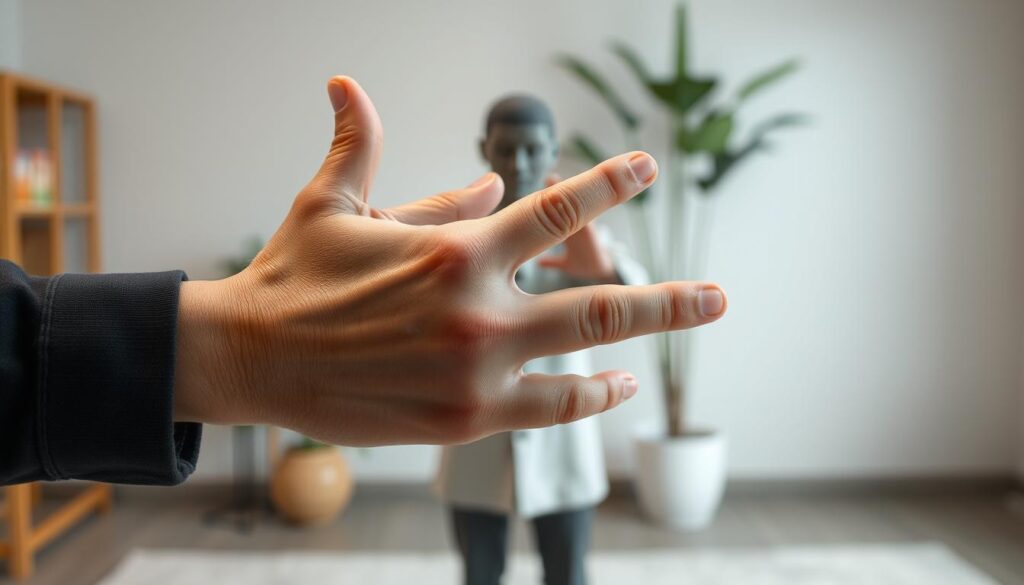
How long and how many times you do it depends on your experience. Beginners should start slow and get more intense over time.
| Training Aspect | Beginner Protocol | Intermediate Protocol | Advanced Protocol |
|---|---|---|---|
| Warm-up Duration | 5-7 minutes | 7-10 minutes | 10-15 minutes |
| Erection Level | 40-50% | 50-60% | 60-70% |
| Repetitions | 50-100 strokes | 100-200 strokes | 200-300 strokes |
| Session Length | 5-10 minutes | 10-15 minutes | 15-20 minutes |
| Weekly Frequency | 2-3 days (with rest) | 4-5 days (with rest) | 5-6 days (with rest) |
Rest days are very important for recovery and adaptation. Without enough rest, you might get injured instead of improving.
Frequent Errors to Avoid
Many people make mistakes when trying jelq exercises. Knowing these common errors helps avoid setbacks and injuries.
The biggest mistakes usually come from being impatient or not understanding the right technique. It’s important to be aware of these to practice safely.
- Exercising at full erection: This greatly increases the risk of tissue damage, bruising, and vascular injury. Always stay semi-erect, between 40-70%.
- Using excessive pressure: Too much force doesn’t help faster. Gentle, steady pressure is safer and more effective than hard squeezing.
- Skipping the warm-up: Starting on cold tissue greatly increases injury risk. The warm-up is not optional—it’s a must for safety.
- Inadequate lubrication: Without enough lubricant, you risk friction burns, skin irritation, and discomfort. This can stop you from practicing regularly.
- Overtraining syndrome: Training every day without rest days stops tissue recovery. More is not always better—progressive overload needs time to recover.
- Unrealistic expectations: Expecting big changes in a short time leads to disappointment and dangerous technique changes.
- Ignoring pain signals: Feeling pain during jelq exercises means you’re doing it wrong or too hard. Pain is a warning you should never ignore.
- Inconsistent technique: Changing pressure, speed, or grip position between repetitions makes it less effective and can cause uneven stress on tissues.
Fixing these mistakes early helps build better habits. Most problems come from not knowing these common errors.
Essential Safety Guidelines
Safety is the top priority when doing any jelq technique. The risk of injury is there, so taking precautions is non-negotiable.
Start with minimal intensity and slowly increase over time. Your first sessions should feel almost too easy. This cautious approach protects against overuse injuries.
Watch your body’s reactions closely during and after each session. Normal reactions include a bit of fatigue in the area. But, several warning signs mean you should stop right away:
- Sharp or persistent pain during or after jelq exercises
- Bruising, discoloration, or dark spots on the skin
- Numbness or tingling sensations that last beyond the session
- Swelling that doesn’t go away within a few hours
- Changes in erectile function or sensitivity
- Red dots or petechiae (small broken blood vessels)
Never do manual penis stretching when injured, infected, or with skin problems. Wait until fully healed before starting again.
Good hygiene stops infections and irritation. Wash your hands well before each session, and clean the area gently after. Change lubricants often and don’t share personal care items.
Know when to stop permanently. If you keep getting injured, have persistent pain, or see negative changes in function, stop and see a doctor. No cosmetic goal is worth risking your health or sexual function.
Keep a training log. Record how long you do it, how many times, and any unusual reactions. This helps spot patterns and can be useful if you need to talk to a doctor.
Temperature control is key throughout. Keep the area warm during exercises. If tissues get cold, stop and warm them up before going on.
The jelq technique needs respect for your body’s limits. Tissue adapts slowly over months, not days. Being patient and consistent with the right technique leads to better results than pushing too hard and risking injury.
Potential Risks and Side Effects
Jelqing can lead to serious problems if done wrong. The penis has sensitive blood vessels, nerves, and tissue. Knowing these risks helps decide if jelqing is safe for you.
Many start jelqing without knowing the risks. The desire for natural growth can blind them to the dangers. This section talks about what can go wrong and how to spot problems early.
Acute Physical Injuries
Wrong jelqing can cause injuries right away. Too much pressure or bad hand position can hurt. The penis’s delicate tissue is easy to damage.
Common injuries include bruises, broken capillaries, skin irritation, pain, and erectile issues. These symptoms mean you need to stop right away.
- Bruising and discoloration appear when blood vessels rupture beneath the skin surface
- Burst capillaries create visible red spots, on the glans
- Skin irritation develops from excessive friction or inadequate lubrication
- Sharp or burning pain signals tissue stress during exercise
- Temporary erectile problems occur when tissue becomes inflamed
- Nerve compression causes numbness or tingling sensations
- Edema formation results in swelling from fluid accumulation
These injuries usually heal in days or weeks if you stop. But, ignoring injuries can make them worse. The body needs time to heal.
Lasting Health Complications
Using penis enlargement methods too much can cause serious problems. These issues can take months or years to show up. Some people never have problems, but others face big health issues.
Peyronie’s disease is a serious issue. It’s when scar tissue forms inside the penis, causing painful bends. This scar tissue is hard to get rid of without medical help.
Other long-term problems include erectile dysfunction, nerve damage, pain, and visible changes. These issues can make sex painful or even impossible.
- Chronic erectile dysfunction that lasts even after stopping
- Permanent loss of sensation from nerve damage
- Ongoing pain during sex or erections
- Visible deformities that affect both function and appearance
- Psychological distress from negative physical outcomes
Some people need surgery for these problems. Others lose all ability to get an erection. These cases show why knowing the risks is important before starting any program.
Warning Signals of Excessive Practice
Knowing when you’re overdoing it helps avoid big problems. The body sends clear signals when it’s stressed too much. Ignoring these signs can lead to serious issues.
Signs you need to slow down include persistent soreness, lasting discoloration, erectile issues, numbness, and pain. These signs mean you should stop and rest.
| Warning Sign | What It Indicates | Recommended Action |
|---|---|---|
| Persistent soreness lasting beyond 24 hours | Tissue inflammation from excessive stress | Stop immediately and rest for one week |
| Discoloration that doesn’t fade quickly | Blood vessel damage requiring healing time | Cease practice until normal color returns |
| Erectile difficulties during normal situations | Tissue or nerve damage affecting function | Discontinue and consult healthcare provider |
| Numbness or tingling sensations | Nerve compression or damage occurring | Stop practice and seek medical evaluation |
| Pain during intimacy | Inflammation or tissue injury present | Halt all activities and allow recovery |
Acting fast can prevent long-term damage. Many ignore warning signs, thinking it means they’re getting better. But, ignoring these signs can lead to serious health problems.
The idea that “no pain, no gain” applies to penis enlargement is wrong. The penis needs gentle, slow care, not rough handling. Any lasting discomfort means it’s time to rest and recover.
Even with careful technique and moderate effort, some face serious issues. Genetic factors, health conditions, and tissue types all play a role. What works for one person might harm another.
Scientific Perspectives on Jelqing
Looking at jelqing through science, we find more questions than answers. The medical world is trying to figure out if it works. They face challenges like not enough research money and ethical issues in penis enlargement studies.
To understand jelqing, we need to look at the research, what doctors say, and advice from health experts.

Available Research and Clinical Studies
There’s not much research on jelqing. Most studies look at other ways to make the penis bigger, like extenders or traction devices. This lack of research is a big problem.
Doing studies on penis enlargement methods is hard. It’s hard to measure because of many factors like temperature and how aroused someone is. Also, some studies might not get approved because they could hurt people without helping them.
Some studies on manual penis exercises have mixed results. For example, using traction devices can make the penis a bit longer over time. But, these results don’t apply to jelqing because it’s done differently.
Challenges in studying jelqing include:
- It’s hard to measure things the same way in all studies
- It’s hard to find people to talk about private things
- There aren’t many long-term studies
- There’s not enough money for research on this topic
- There are worries about hurting people in studies
Professional Medical Perspectives
Doctors and sexual health experts are not sure if jelqing really works. They think it might make the penis a little bit bigger because of the way it stretches tissues. But, they say there’s not much proof of big changes.
Dr. Andrew Kramer says the penis doesn’t have muscles that can grow like other parts of the body. The only way it can get bigger is by stretching ligaments and making the erectile chambers bigger.
Some doctors are more open-minded. They say it’s okay to try jelqing, but people should know what to expect. They don’t say it’s good or bad, but they want people to be careful.
Doctors agree on a few things:
- It’s unlikely to make the penis much bigger
- It might make it look a bit bigger because of more blood flow
- Being too rough can hurt you
- Some people might feel better about themselves, even if it doesn’t change much physically
- Other ways to make the penis bigger might be safer and more proven
Healthcare Recommendations for Practitioners
Doctors who talk about jelqing with patients give advice to stay safe. They say to see a urologist first. This can help find any health problems that might make jelqing riskier.
Doctors also want people to have realistic hopes. They say it’s unlikely to make a big difference, no matter how often you do it. They also think about the mind and how it might be affected by trying to change the body.
It’s important to focus on safety over getting the results you want. Doctors say to start slow and get stronger over time. If you feel pain, stop right away.
When to see a doctor fast includes:
- Pain that lasts more than a day after trying jelqing
- Any bruises or color changes that get worse
- Changes in how you get an erection or feel things
- Bleeding or discharge from the penis
- Lumps, bumps, or changes in the skin
Doctors also suggest keeping track of how things change. This helps figure out if it’s really working or if it just feels like it is. Checking yourself for any signs of harm is also important.
Doctors respect people’s choices but also want to warn about the risks. They know some people will try jelqing even if they advise against it. But, they want to make sure people know how to stay safe.
Comparing Jelqing to Other Methods
Male enhancement exercises go beyond jelqing, with many methods using different physical principles. Each technique has its own risks and benefits. Knowing about these options helps us understand jelqing better.
Men looking to enhance their size often find many techniques online. These range from simple exercises to using special equipment. The safety and effectiveness of each method vary based on research and medical advice.
Manual Stretching Exercises
Manual stretching is another way to enhance the penis, focusing on length. It involves holding the penis in different directions for a few minutes. This is done several times a day.
There are different types of stretches, like straight and rotational stretches. The V-stretch is also popular, creating a V-shape by pulling the penis outward and downward.
Stretching is different from jelqing because it uses continuous tension to try to lengthen tissues. This method aims to create microtears that heal longer.
Penile extenders take stretching further by providing constant pressure. Users wear these devices for hours, helping to increase length. While extenders have some research backing, the gains are small.
Traction devices are the only non-surgical method with some research support. But, the gains are small and require a lot of commitment.
Weight Hanging Practices
Weight hanging uses gravity to extend tissues. It involves attaching weights to the penis and hanging for a while. Users start with light weights and increase the load over time.
This method is based on the same principle as stretching, aiming to create microtears for growth. Hanging is said to provide controlled force, with sessions lasting from 20 minutes to hours.
Doctors warn that weight hanging is very risky. It can damage blood vessels, nerves, and tissues. Risks include nerve damage, blood vessel rupture, and ligament tears.
There’s no medical supervision for hanging, making it even more dangerous. Unlike approved devices, hanging equipment is not tested or regulated. People rely on online advice instead of medical professionals.
Vacuum Pump Devices
Vacuum pumps create negative pressure to draw blood into the penis. This causes temporary engorgement. Users place a chamber over the penis and pump out air.
These devices are FDA-approved for treating erectile dysfunction. Doctors prescribe them to help men with ED. They are used for temporary help, not for permanent size changes.
Despite claims, pumps do not lead to permanent size increase. The effect goes away after the device is removed. Some companies market pumps for enhancement, but there’s no scientific proof.
Temporary effects last from 30 minutes to a few hours. Regular use might improve erectile quality due to increased blood flow. But, these benefits are about function, not size. Overuse can cause injuries similar to other methods.
| Method | Primary Mechanism | Claimed Benefit | Medical Evidence | Risk Level |
|---|---|---|---|---|
| Jelqing | Repeated compression | Girth increase | No clinical support | Moderate to high |
| Manual Stretching | Sustained tension | Length increase | Minimal evidence | Moderate |
| Extender Devices | Continuous traction | Length increase | Limited positive studies | Low to moderate |
| Weight Hanging | Gravitational force | Length increase | No clinical support | High to severe |
| Vacuum Pumps | Negative pressure | Erectile function | FDA-approved for ED | Low with proper use |
Each penis enlargement method has its own pros and cons. Extenders have the most research support, but evidence is limited. Vacuum pumps are approved for ED but not for enhancement.
Weight hanging is the most risky method. Manual stretching and jelqing are in the middle, with more practice but less science backing them. Knowing these differences helps make better choices for enhancement.
The landscape shows that methods with medical backing (like pumps and extenders) are safer. This is key when weighing risks against benefits.
The Myths and Misconceptions of Jelqing
It’s important to separate fact from fiction when looking at jelqing. The internet is full of both true and false information about this technique. Knowing the real jelq meaning helps people make better choices based on facts, not just hype.
Many people find conflicting info when researching penis enlargement exercises. Some claim big results with little effort. Others warn of serious problems without talking about any benefits.
This confusion comes from exaggerated marketing, misunderstood research, and stories that might not be typical. Clearing up these myths helps avoid unrealistic hopes and possible harm.
Widespread False Beliefs
Several myths about jelqing keep circulating, despite a lack of solid evidence. One common myth is that huge size increases are common or guaranteed. Many online stories show big results that don’t happen to most people.
Another myth is that jelqing is completely safe for everyone. This ignores real cases of injury and serious problems. The jelq meaning has been twisted by these claims of safety.
Some believe ancient cultures widely practiced and supported these techniques. But, there’s little solid historical evidence to back this up. Marketing often exaggerates the ancient roots of modern jelqing.
Many think that once you see gains, they stay without more practice. But, stopping exercises often leads to a decrease in size. This can be disappointing.
Some believe that doing more exercises always leads to better results. This “more is better” idea can increase injury risk without improving results. Overdoing it can actually harm your progress and cause lasting damage.
Lastly, some think jelqing can fix medical issues like micropenis or Peyronie’s disease. These problems need professional medical help, not home exercises. Trying to treat yourself can delay proper care and make symptoms worse.
Correcting Common Misconceptions
There’s not much scientific proof that jelqing leads to big, lasting size changes. Some users might see temporary size increases due to better blood flow. But, these effects usually go away. No studies prove that manual exercises alone lead to lasting gains.
The risks of injury from jelqing are real and documented. You can get bruises, pain, nerve damage, and vascular problems. Knowing the risks is part of understanding what jelqing really is.
Claims about ancient jelqing practices are often too good to be true. While some cultures had rituals involving genital manipulation, linking them to modern techniques is speculative. There’s no solid historical evidence to support widespread ancient use.
Any size changes need ongoing effort to keep them. The penis has elastic tissue that goes back to its original shape without constant stimulation. Stopping exercises usually means your measurements will return to what they were before.
Doing too much can increase injury risk without better results. The tissue responds best to consistent, gentle stimulation. Pushing too hard can damage blood vessels and tissue instead of helping growth.
Medical issues with the penis need a doctor’s help, not jelqing. Jelqing can’t fix problems like Peyronie’s disease or developmental issues. Trying to treat yourself can cause more harm and emotional distress.
Reality Versus Marketing Claims
Understanding jelqing means knowing the difference between real evidence and exaggerated claims. Some men might see small, temporary increases in size after regular practice. These changes are usually not huge and not permanent for everyone.
The reason for any possible changes is likely tissue expansion, like in other body modifications. Regular pressure might cause cells to adapt and temporarily increase size. But, the safety and permanence of these changes are not proven without more research.
Marketing often shows extreme results that are not typical. Before-and-after photos might be misleading due to measurement errors, different arousal levels, or photo editing. It’s important to critically evaluate these claims to avoid unrealistic hopes.
The psychological effects of jelqing are also important to consider. Some people might feel more confident, even if there’s no real size change. This positive effect is valuable but should not be confused with actual physical growth.
| Myth | Reality | Evidence Level |
|---|---|---|
| Guaranteed dramatic size increases | Modest temporary changes possible for some; no guarantees | Anecdotal reports only |
| Completely risk-free practice | Documented risks including bruising, pain, and vascular damage | Medical case studies |
| Ancient universal endorsement | Limited historical evidence; modern interpretation of cultural practices | Unverified claims |
| Permanent one-time results | Requires ongoing maintenance; effects diminish when stopped | User experience reports |
| More intensity equals better outcomes | Moderate consistency safer and potentially more effective than aggressive approach | Injury pattern analysis |
Medical experts say no manual exercise can replace surgery for real size changes. Any gains from jelqing are small compared to surgery. If you want big changes, talk to a urologist about proven options.
Understanding jelqing means knowing its limits and small possibilities. Realistic hopes based on current evidence avoid disappointment and reduce injury risk. Being critical of sources and claims helps protect against false promises.
The difference between what jelqing can do and what marketers say is key for making informed choices. Evidence shows jelqing might lead to small, temporary changes for some, not big, permanent changes for everyone. This realistic view helps decide if the effort and risks are worth it for personal goals.
Who Should Consider Jelqing?
Deciding if jelqing is right for you involves looking at several important factors. It’s key to know your personal situation, physical health, and readiness. Never rush into this decision without careful thought.
Choosing to do jelq exercises is a personal choice that needs honest thinking. Many things can influence whether it’s right for you. Let’s look at the main things to consider.
Understanding the Right Profile
Some traits show if someone might be good for male enhancement exercises. The most important thing is to have realistic expectations about what jelqing can do. People who know it takes months to see results tend to do better.
Good candidates are patient and follow safety rules carefully. They know when to stop if they feel pain. This is very important.
Motivation is key when thinking about jelq exercises. Those who are motivated by personal preference are better off. Seeing jelqing as an option, not a must, is healthier.
Most men are within normal size ranges. Feeling like you’re not good enough often comes from seeing things the wrong way, not from being too small.
Some signs suggest you might not be the right fit for jelqing:
- Having body dysmorphia or being obsessed with size
- Feeling pushed by others or society
- Wanting quick, unrealistic results
- Not knowing when to stop because of pain
- Not following safety rules well
The Importance of Physical Maturity
Age is a big factor in being ready for male enhancement exercises. Doctors say wait until you’re fully physically mature, usually 21 or older. The penis keeps growing until early adulthood.
Trying jelq exercises too soon can be risky. It can mess with natural growth and increase injury risk. Young people are also more likely to have unhealthy body image issues.
Adolescents’ bodies react differently to stress than adults’. Starting too early can harm growth. Waiting is better for your health and function later on.
Older people might face different challenges. Tissue gets less flexible with age, and healing takes longer. This doesn’t mean you can’t do it, but you’ll need to adjust how you do it.
Medical Considerations That Matter
Some health issues make jelqing unsafe. Anyone with health problems should talk to a doctor before starting. Your safety depends on knowing these things.
Here are some health issues that are big risks:
- Bleeding disorders: These increase the chance of injury a lot
- Cardiovascular conditions: Heart and blood pressure problems can be dangerous
- Diabetes: It makes it hard to feel pain and heal
- Peyronie’s disease: Scar tissue can get worse with jelqing
- Active infections: You need to be infection-free first
Other things to avoid include priapism and blood-thinning meds. These increase the risk of bruising and bleeding. People on these meds should not do jelq exercises.
Mental health is also important. If you have anxiety, depression, or body image issues, get help first. Mental health support is more important than physical changes.
Deciding on jelqing should be a careful thought process. If unsure, talking to a doctor can help. Your health and safety are more important than looking a certain way.
The Psychological Aspect of Jelqing
Jelqing isn’t just about physical changes; it also affects the mind and emotions. Starting male enhancement exercises often comes from deep psychological reasons. Many men find that jelqing changes their thoughts, feelings, and self-image in unexpected ways.
The link between body changes and mental health is complex and personal. What works for one person might not work for another. Understanding these mental aspects helps men decide if jelqing fits their wellness goals.
Building Self-Assurance Through Practice
Many men feel more confident after starting jelqing. Taking action towards a goal gives a sense of control. This feeling can boost mood before any physical changes happen.
Working on self-improvement shows self-care and commitment. Some men feel more comfortable in intimate situations because they’re improving themselves. This can improve relationships and social life.
But, experts warn against linking self-worth to physical traits. True confidence should come from within, not from how others see you. If self-esteem relies too much on physical appearance, it can lead to unhealthy thoughts. Some men become obsessed with measuring their progress, even when it takes months.
The impact of jelqing on confidence varies. While some men feel real psychological benefits, others find that physical changes don’t solve deeper insecurities. Mental health experts say body changes alone can’t fix deep self-esteem issues that need therapy.
Navigating Body Perception Issues
Body image concerns in men have grown a lot in recent years. This is partly due to unrealistic media and porn. Many men have unrealistic views of what’s “normal” or “desirable” in genital size. These unrealistic standards can make men unhappy and interested in enhancement.
Some men have a condition called penile dysmorphic disorder. They think their penis is too small, even if it’s normal. This obsession can take over their thoughts and harm their life quality. For these men, jelqing might make things worse.
There’s a big debate about accepting or changing one’s body. Society sends mixed messages about self-acceptance and enhancement. Deciding whether to accept oneself or seek changes requires honest self-reflection.
It’s important to know the difference between wanting to improve and having unrealistic expectations. Men who approach jelqing with balanced goals tend to have better mental health than those seeking big changes.
Broader Emotional Wellness Considerations
Jelqing’s mental health effects go beyond confidence and body image. Many men feel anxious about measuring progress and tracking results. This constant checking can be stressful, even if progress is slow.
Secretive or time-consuming jelqing can hurt relationships. Partners might feel confused or hurt if they find out. This can damage intimacy and trust.
Depression can occur if jelqing doesn’t meet expected results. Men who put a lot of effort and hope into jelqing might feel let down. This disappointment can affect mood, motivation, and life satisfaction.
But, focusing too much on physical changes might distract from deeper psychological issues. Men with anxiety, depression, relationship problems, or trauma might need therapy more than jelqing. Physical techniques can’t replace therapy for emotional healing.
Mental health experts say anyone feeling deeply troubled about their body or relationships should seek counseling. A therapist can help separate reasonable goals from deeper psychological issues needing treatment. The best approach to well-being combines physical health with emotional support and self-acceptance.
Community and Online Discussion
Forums, social media groups, and online support networks have changed how we talk about male enhancement. These digital spaces let people share info, get advice, and connect with others. The internet has made it easier to find out about these techniques.
Online communities offer both good and bad things for those exploring enhancement methods. They provide a place for open talks that might not happen in real life. But, the anonymous nature of online talks can lead to fast-spreading wrong info.
Dedicated Online Platforms and Support Networks
Specialized forums are key places where people discuss jelqing in detail. These sites have guides, tracking tools, and detailed talks on every aspect of technique. Members share their routines, compare results, and support each other on their journeys.
Many forums have their own terminology and measurement standards that everyone follows. Experienced members share detailed protocols for newcomers. These communities have years of shared knowledge in their archives.
These communities are great for sharing info and emotional support. Experienced members often warn about safety and help newcomers avoid mistakes. They also set realistic goals for others.
But, there are downsides too. The echo chamber effect can make bad practices seem good. Some feel pressure to match others’ results. Unverified claims can spread, confusing what really works.
Commercial interests also play a role. Product promotions and affiliate marketing can mix with genuine advice. People need to be careful to separate useful info from sales pitches.
Social Platforms and Digital Influence
Mainstream social media has made jelq exercises more widely discussed. Reddit and YouTube have many discussions and tutorials. Instagram shares progress photos and motivational content.
Influencers on these platforms have big followings by sharing enhancement content. They post before-and-after photos, review products, and share routines. Their content reaches people who might not look for forums.
Social media algorithms play a big role in showing people enhancement content. Once someone sees related material, they see more of it. This can draw vulnerable individuals into these communities without them looking for it.
Visual platforms focus on results over safety. The emphasis on quick changes can create unrealistic hopes. People might feel bad when comparing themselves to curated content that might not be typical.
| Platform Type | Primary Features | Community Characteristics | Key Benefits | Main Concerns |
|---|---|---|---|---|
| Dedicated Forums | Detailed guides, progress logs, extensive archives | Experienced practitioners, structured discussions | In-depth information, long-term tracking | Echo chambers, commercial influences |
| Reddit Communities | Threaded discussions, voting systems, anonymity | Mixed experience levels, casual to serious | Diverse perspectives, accessible format | Variable quality, temporary content |
| YouTube Channels | Video tutorials, visual demonstrations, comments | Content creators, subscriber bases | Visual learning, step-by-step guidance | Unverified claims, monetization pressure |
| Instagram Accounts | Photos, short videos, stories, direct messaging | Influencer-driven, visually focused | Motivational content, quick updates | Unrealistic standards, filtered reality |
The Culture of Experience Sharing
Sharing testimonials is key in online enhancement communities. People post about their routines, measurements, and changes. These stories influence newcomers thinking about jelqing.
Success stories are very influential. A detailed report of positive results can inspire many others. Members share their journeys over months or years.
But, reliability issues are big problems with self-reported results. Measurement mistakes, wishful thinking, and bias can make results seem better than they are. Some might exaggerate results, and others might not understand natural changes.
The need to share experiences drives this culture. People doing enhancement feel isolated. Online communities provide validation and a sense of purpose. Comparing results can create benchmarks, even if they’re not scientifically proven.
Community pressure can affect how people report and practice. Members might feel they need to show progress to justify their efforts. This can lead to overstating results or continuing practice with little change.
Despite these issues, sharing experiences is important. It offers emotional support during tough times. It helps solve technical issues with routines. Most importantly, it creates spaces for open talks on sensitive topics.
Jelqing in Popular Culture
Jelqing has become a topic in late-night comedy and podcasts. It shows how people view male enhancement and body image. Media’s take on it can shape what we know and believe.
Seeing jelqing in entertainment and talks helps explain why myths stick around. Media often sensationalizes or mocks it, making it hard to find real info.
How Television and Film Portray Male Enhancement
TV shows often joke about jelqing instead of talking about it seriously. Shows like HBO’s comedy series and animated shows make fun of it. They focus on the awkwardness, not its benefits or risks.
Comedy routines use jelqing for laughs, rarely explaining it. This makes people think it’s just for desperate attempts at being better.
Online, you can find videos about jelqing. Some try to explain it, while others make fun of it. This makes it hard to know what’s true.
Podcasts sometimes talk about jelqing in a more serious way. They explore its safety and science. But, even when they try to be helpful, they might not always get it right.
Health documentaries rarely mention jelqing. This lack of information lets myths spread.
Celebrity Influence and Public Endorsements
When celebrities talk about jelqing, it gets a lot of attention. Social media stars might mention it too, making people curious. But they don’t always warn about safety.
Celebrity endorsements of enhancement products are a concern. Even if they don’t directly talk about jelqing, their support can make people think it’s safe.
Influencers might talk about jelqing with other health tips. This can make people think it’s a good idea. But it’s not always based on science.
It’s important to remember that some endorsements are paid. Celebrities might promote products for money, without saying so. This can confuse people.
Doctors who are famous usually don’t talk about jelqing. They stick to proven treatments. This leaves the conversation to those who might not know as much.
Societal Attitudes and Cultural Context
People are often uncomfortable talking about jelqing. It’s not something you usually discuss openly. This makes it hard for those interested to find reliable info.
Many people doubt jelqing, seeing it as not real. This skepticism can make it hard to look at the evidence fairly.
Demographic differences affect how people see jelqing. Younger guys might know more about it because of the internet. Older folks might not have heard of it.
Culture also plays a big role. In some places, talking about male enhancement is okay. In others, it’s not. This affects how people view jelqing.
The stigma around jelqing makes it hard to study. People might not want to be part of studies because of privacy. This lack of research makes it hard to know what’s true.
| Media Type | Typical Portrayal | Impact on Understanding | Accuracy Level |
|---|---|---|---|
| Comedy Shows | Ridicule and shock humor | Reinforces embarrassment and secrecy | Low – focuses on entertainment value |
| Social Media Posts | Mixed – ranges from curiosity to mockery | Creates confusion through inconsistent information | Variable – depends on source credibility |
| Health Podcasts | Attempted balanced discussion | Provides context but often lacks expertise | Moderate – well-intentioned but unverified |
| Celebrity Mentions | Brief references or implicit endorsements | Spikes interest without providing safety information | Low – rarely includes medical perspective |
Online forums are where people really talk about jelqing. They share their experiences without fear of judgment. But, advice from unknown sources can be a problem.
Mainstream media rarely talks about jelqing seriously. When they do, it’s usually to warn about scams or injuries. This misses the chance to educate people about male enhancement.
The future of jelqing in culture is uncertain. As attitudes towards men’s health change, jelqing might become more accepted. Or, if science doesn’t back it up, it could be seen as less valid.
Alternatives to Jelqing
There are many ways to enlarge the penis, aside from jelqing. These methods range from safe, natural ways to more invasive medical procedures. Each option has its own benefits and risks.
Choosing the right method depends on your health, budget, and what you hope to achieve. Some methods offer quick fixes, while others aim for lasting results. It’s important to understand the risks and benefits of each.
Device-Based Enhancement Techniques
Penile traction devices are a popular alternative to jelqing. These devices apply gentle, consistent pressure to help stretch the penis. Studies show they can increase length by 0.5 to 1.5 inches after six months of use.
These devices work by causing cells to divide under the pressure. Users wear them for four to six hours a day. Traction devices have FDA clearance for treating penile curvature, making them a legitimate option.
Vacuum erection devices, or penis pumps, create temporary size increases by drawing blood into the penis. They are mainly used to treat erectile dysfunction, not for permanent size increase.
Using a vacuum pump requires careful control to avoid damage. You place a cylinder over your penis and pump out air. A ring at the base keeps the blood in, temporarily increasing size.
Pelvic floor exercises, like Kegels, strengthen the muscles that support erections. These exercises don’t increase size but improve blood flow and erection quality. Men do these exercises by contracting the pubococcygeus muscles for 5-10 seconds repeatedly.
The strengthening of pelvic floor muscles enhances sexual performance and control, providing functional benefits. These exercises are safe and offer additional health benefits for bladder control.
Topical products, such as creams and oils, claim to enhance penis size through increased blood flow. Scientific evidence supporting these products remains extremely limited, and many only provide temporary sensations.
Combining different methods can lead to better results. Some people use traction devices with pelvic floor exercises and lifestyle changes. This approach tackles enhancement from multiple angles.
Natural Lifestyle Approaches
Weight loss is a natural way to improve the appearance of the penis. Losing 30-50 pounds can reveal an additional 0.5 to 1 inch of length. This method doesn’t increase size but makes the penis more visible.
This approach also improves cardiovascular health. Men with lower body fat percentages often feel more confident in intimate situations.
Regular exercise improves blood flow, including to the penis. Activities like running and swimming strengthen the circulatory system, supporting firm erections. Improved blood flow directly impacts erectile quality and potentially penile health, though it doesn’t change structural dimensions.
Stress management techniques address psychological factors affecting sexual confidence. Chronic stress can suppress testosterone production. Practices like meditation and yoga support hormonal balance.
Dietary approaches and supplements claim to enhance male performance. Ingredients like L-arginine and ginseng are common. The scientific support for these supplements remains controversial and inconsistent.
Some supplements may improve erectile function through enhanced blood flow or hormonal effects. The FDA doesn’t regulate these products as strictly as medications. Men should consult healthcare providers before starting any supplement regimen.
Psychological and behavioral approaches focus on improving sexual technique and communication. Many men find that enhanced intimacy skills and partner communication provide greater satisfaction than physical changes. Therapeutic work on body acceptance addresses underlying confidence issues.
Sex therapy and counseling help men develop realistic perspectives on anatomy and sexual performance. These approaches recognize that sexual satisfaction involves multiple factors beyond physical dimensions.
Medical and Surgical Procedures
Ligament-cutting surgery, or suspensory ligament release, aims to increase visible penile length. Surgeons cut the ligament anchoring the penis to the pubic bone, allowing more of the internal shaft to extend outward. Average gains measure 0.5 to 1 inch, though results vary considerably.
This procedure carries significant risks including scarring, infection, and altered erection angle. The penis may point downward after surgery. Most urologists discourage this cosmetic procedure due to limited benefits and substantial complication rates.
Recovery requires several weeks of restricted activity and often includes weight hanging to prevent ligament reattachment. The procedure costs between $5,000 and $15,000 and isn’t covered by insurance.
Girth enhancement procedures involve injecting fat, dermal fillers, or other materials into the penile shaft. Fat transfer harvests adipose tissue from other body areas and injects it beneath penile skin. Dermal fillers provide temporary augmentation lasting 12-24 months.
Complications include uneven results, tissue absorption, and nodule formation. The injected material may migrate or create lumpy texture. Infection and scarring represent additional risks that can permanently damage penile tissue.
Penile implants serve as a treatment for severe erectile dysfunction, not for cosmetic enhancement. Surgeons implant inflatable or malleable devices inside the penile chambers. These allow men with vascular damage to achieve functional erections.
Implant surgery represents a last resort for medical conditions, not a first-line enhancement approach for healthy men. The procedure permanently alters penile anatomy and prevents natural erections. Costs range from $15,000 to $25,000 with possible insurance coverage for medical necessity.
| Enhancement Method | Expected Results | Duration of Effect | Risk Level | Cost Range |
|---|---|---|---|---|
| Traction Devices | 0.5-1.5 inches length | Permanent with consistent use | Low to Moderate | $200-$400 |
| Vacuum Pumps | Temporary engorgement | 1-2 hours | Low | $50-$300 |
| Weight Loss | 0.5-1 inch visible gain | Permanent with maintenance | Very Low | Variable |
| Ligament Surgery | 0.5-1 inch length | Permanent | High | $5,000-$15,000 |
| Girth Enhancement | 10-30% girth increase | 12-24 months (fillers) | Moderate to High | $4,000-$10,000 |
The comparison table shows the wide range of outcomes, risks, and costs across different enhancement approaches. Non-invasive methods are generally safer and less expensive but may offer more modest results. Surgical options provide more dramatic changes but come with higher risks and costs.
Men considering any penis enlargement methods should consult qualified healthcare providers to discuss realistic expectations and individual health factors. The decision should balance desired outcomes against possible complications and quality of life impacts.
Expert Recommendations for Safe Practice
If you decide to try jelqing, it’s key to follow safety tips from experts. Doctors and experienced users share important advice to lower risks. Knowing these tips helps you make smart choices and spot warning signs early.
Safe practice means being ready, watching yourself closely, and being honest about how you feel.
Professional Guidance
Doctors say jelqing has risks that users take on. Start with minimal intensity if you’re new. Only increase the intensity if you can do it without any bad symptoms.
Warming up right is very important. It makes your tissues more flexible and lowers injury risk. Also, taking breaks is key to let your tissues heal between sessions.
Keeping a log of your exercises is helpful. It lets you see patterns and avoid overdoing it. Your log should include:
- How hard and long you exercise each time
- Any symptoms you feel during or after
- Days off and how you feel during them
- Any changes in how you feel or function
Make sure to take regular breaks to let your tissues heal. Don’t exercise when you’re sick, stressed, or tired. It’s also good to check if your goals are healthy and not too much.
Resources for Learning
Finding good info on penis stretching can be tough. Look for medical websites over commercial ones. Learning about anatomy and physiology is more useful than reading about success stories.
Be careful of sources like:
- Testimonials without proof
- Websites that sell products
- Claims that seem too good to be true
- Forums without medical checks
Reading urology books or scientific articles helps you understand what’s happening. This knowledge helps you practice safer.
Even if they don’t support jelqing, some health experts can give advice. They can help with questions about anatomy, avoiding injuries, and spotting problems early.
When to Seek Medical Advice
Some signs need immediate or quick medical help no matter how long you’ve been doing it. Spotting these signs early can prevent big problems.
Get medical help right away if you have:
- Pain that doesn’t go away after exercising
- Big swelling or unusual color changes
- Erectile problems after exercising
- New penile shape or visible changes
- Bleeding or unusual discharge
- Fever or signs of infection
Doctors can check for damage and suggest treatment. Early action often stops serious problems from getting worse.
Seeing a urologist regularly is a good idea. They know about male health and can give advice. Talking openly about your practices helps them help you better.
Having a doctor you can trust is important. They can answer questions and help with concerns as you keep practicing jelqing.
The Future of Jelqing Practices
Jelqing practices are at a crossroads, with innovation, research, and changing views leading the way. The next years will see big changes in how we see and do jelqing. These changes come from new tech, more research, and shifting views on male enhancement.
This mix of factors brings both chances and challenges. Knowing what’s coming helps people make smart choices about jelqing. The future will be very different from today.
Emerging Developments and Technological Integration
Technology is changing health practices, including manual enhancement methods. Digital tools are entering this private area in big ways. Mobile apps for tracking and progress are a major innovation.
These apps let users track sessions, monitor consistency, and see patterns. Some apps also have community features for sharing experiences. This data could help us understand jelqing better.
Other tech trends are also coming:
- Wearable sensors to measure tissue response and changes during exercises
- Enhanced devices to improve or automate jelqing
- Virtual coaching programs for personalized routines
- Biometric tracking systems for monitoring health
- AI-powered analysis tools to spot harmful practices
Improving protocols is another big trend. As more people practice, techniques get better. This focus on safety and injury prevention comes from sharing experiences online.
Commercialization is also on the horizon. Products and services for manual enhancement may become more common. This could bring both benefits and concerns about quality and ethics.
The biohacking and self-optimization movements also influence jelqing. Many see body modification as a way to take control of their bodies. This view places jelqing within a broader cultural trend.
Scientific Investigation Possibilities
Research into manual penile exercises is just starting. This research could greatly improve our understanding of jelqing. Several types of studies would provide valuable insights.
Controlled trials with objective measurements are key. These studies would need baseline assessments, standardized protocols, and follow-up measurements. Such research could show what outcomes are realistic and what claims are not.
Long-term studies would track practitioners over time. This would reveal delayed effects and cumulative risks. Survey research gathering data on practitioner experiences and outcomes is also valuable.
Biomechanical research on tissue responses to forces would deepen our understanding. This type of study explores the physiological mechanisms behind claimed effects. It could lead to safer practice recommendations.
But, there are big barriers to this research:
- Ethical concerns about exposing participants to potentially harmful interventions without proven benefits
- Funding challenges as pharmaceutical companies and major health organizations show little interest
- Recruitment difficulties due to the private nature of the topic and social stigma
- Standardization problems given the wide variation in techniques and individual practices
Despite these obstacles, better understanding would clarify actual effects and distinguish genuine outcomes from placebo responses. The medical community would benefit from evidence-based guidance, not just anecdotal reports and speculation.
Changing Social Attitudes and Acceptance
Social views on male enhancement and jelqing practices are changing in many ways. These shifts affect who considers these techniques and how openly they discuss them. Several scenarios are possible as attitudes evolve over the coming years.
Increased medical acceptance is one possible path. Healthcare providers might adopt harm-reduction approaches similar to those for other practices they cannot entirely discourage. This shift would involve providing safety information instead of dismissing concerns outright.
Greater mainstream discussion could reduce stigma surrounding these topics. As conversations become more open, individuals might feel more comfortable seeking medical advice when problems arise. This transparency benefits both practitioner safety and public health outcomes.
Conversely, increased skepticism may emerge as negative experiences become better documented. Public awareness of injury risks and disappointing results could dampen enthusiasm. Social media platforms amplify both success stories and cautionary tales, shaping collective perceptions.
Evolving understandings of masculinity play a key role in these dynamics. As society moves toward more diverse expressions of male identity, pressure to pursue physical enhancement may decrease. Body acceptance movements encourage self-approval over constant modification efforts.
Sexual health perspectives are also changing. Modern approaches emphasize communication, technique, and mutual satisfaction over physical dimensions. These shifts potentially reduce interest in jelqing benefits while redirecting attention toward relationship skills and emotional connection.
The intersection of these factors creates an uncertain but fascinating future. Whether practices become more accepted, refined, and integrated into mainstream wellness discussions or fade as interests shift remains to be seen. Individual choices will ultimately determine which trajectory prevails in different communities and demographic groups.
Conclusion: Understanding Jelqing
This deep dive into jelqing has covered its meaning, history, methods, and debates. Knowing all about it helps people make smart choices about their health and bodies.
Summary of Key Points
Jelqing is a manual exercise that aims to increase penis size by expanding tissues. While some claim it works, there’s not much scientific proof. To do it right, you need to warm up, use the right lubricant, and apply the right amount of pressure.
But, there are risks like bruising, nerve damage, and problems with getting an erection. The mental side of jelqing is just as important, with how you feel about your body and confidence being key.
Final Thoughts on Technique
Understanding jelqing shows it’s a topic of debate. Doctors often doubt its benefits but warn of dangers. If you’re thinking about trying it, make sure you’re safe and have realistic hopes.
Sexual happiness comes from good communication, skill, and emotional connection, not just size.
Call to Action for Informed Practitioners
If you’re looking into male enhancement exercises, talk to a doctor first. Learn the right way to do it and watch out for signs of injury. Focus on accepting your body and improving your sexual health, whether you’re doing these exercises or not.
Being informed helps keep you safe and healthy, both physically and mentally. Remember, your worth is more than your looks.