
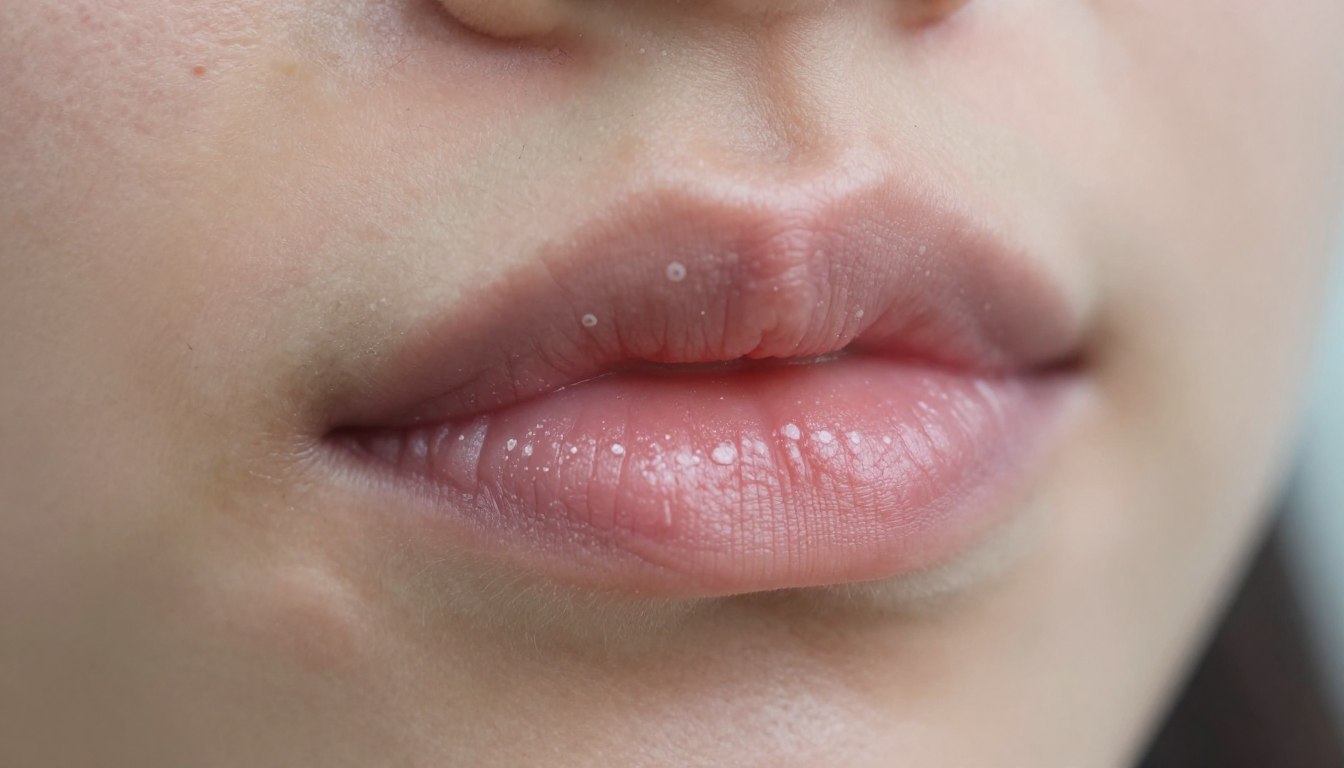
Have you ever seen small white spots on your lips and wondered if they’re serious? These bumps affect millions of Americans yearly. Yet, many don’t know what causes them or when to seek help.
White pimples on lips can be harmless or serious. Most adults get lip bumps at some point. Knowing the difference is key to getting the right treatment.
Up to 80 percent of adults have Fordyce spots, which are normal oil glands. But other causes like cold sores, milia, or fungal infections also exist. These can all look like white bumps on your lips.
Knowing what causes these bumps helps you know when to use home remedies or seek a doctor. If the color, texture, or bumps don’t change after two weeks, see a dermatologist. Early treatment can prevent problems and help your lips heal faster.
Key Takeaways
- Most white spots on lips are harmless Fordyce spots found in 70-80% of adults
- Viral infections like herpes simplex can cause painful white bumps requiring antiviral treatment
- Fungal infections such as oral thrush appear as white patches and need antifungal medication
- Persistent bumps lasting over two weeks should be examined by a dermatologist
- Simple lip bumps treatment options range from natural remedies to prescription medications
- Regular lip hygiene and avoiding known triggers help prevent future outbreaks
Understanding White Pimples on Lips
White pimples on lips look like small, raised bumps. They can be barely there or very obvious. These bumps are usually 1 to 2 millimeters big and can be on the inside or outside of your lips.
Some people see them from a young age. But for many, they show up more after puberty. This is when hormones start to change and make them more noticeable.
What Are White Pimples?
White pimples on lips come in different types. Fordyce spots are common. They look like small, pale bumps with natural oil glands inside. These spots can be alone or in groups of up to 100 tiny bumps.
Another type is milium cysts on lips. These are small, hard white bumps trapped under the skin.
These bumps often show up where there was trauma before. This could be from cuts, burns, or surgery. The trapped keratin forms tiny pearl-like cysts that feel firm.
Differentiating Between Bumps and Pimples
Not all white bumps on lips are the same. Fordyce spots are smooth and don’t hurt. But infected pimples hurt and are red.
Milium cysts on lips are hard and don’t pop like regular acne. Knowing the difference helps choose the right treatment. If it hurts or is tender, it might need special care because it’s infected.
Common Causes of White Pimples
White pimples on lips can come from many sources. Each one needs a different treatment. Knowing what causes them helps find the right way to care for them. These bumps can pop up suddenly or grow slowly, from small annoyances to serious infections.
Viral Infections: Herpes Simplex Virus
The herpes simplex virus (HSV) is a common cause of oral pimples. It spreads through touching infected areas or viral shedding when no sores are visible. Cold sores start as small white bumps and turn into painful blisters in 24 to 48 hours.
Things that can make HSV come back include:
- Physical or emotional stress
- Extreme fatigue
- Prolonged sun exposure
- Weakened immune system
Allergic Reactions: Foods and Products
Contact dermatitis from lip products or foods can cause white bumps. Items with petroleum jelly, paraffin wax, or artificial fragrances often cause these reactions. Some get small white spots called milia from blocked pores due to heavy moisturizers or lip balms.
Canker Sores vs. White Pimples
Canker sores are different from lip blisters. They form inside the mouth, not on the lip. White pimples are raised and filled with pus. Canker sores, on the other hand, are crater-like with white or yellow centers and red inflammation.
Symptoms Associated with White Pimples
White lip lesions can cause a range of symptoms, from mild irritation to severe discomfort. Knowing these symptoms early helps figure out if you need medical help or can handle them at home. Some symptoms come on slowly, while others show up suddenly and need quick attention.
Pain and Discomfort
The most common symptom is pain that can vary in intensity. You might feel a burning or tingling sensation before the pimple shows up, like with cold sores. This discomfort can make simple tasks like eating, drinking, and talking hard. Some people experience:
- Sharp, stabbing pain when touching the area
- Constant throbbing that worsens at night
- Sensitivity to hot or cold foods
- Difficulty opening the mouth fully
Good oral hygiene can help lessen the pain. If the pain goes to your jaw, neck, or throat, or if you get a fever with tongue numbness, see your doctor right away.
Swelling and Redness
Inflammation around white lip lesions often causes swelling and redness. The area may feel warm and look bigger than the actual pimple. Watch for these warning signs:
- Swelling that extends beyond the lip area
- Redness that spreads rapidly
- Bleeding that occurs without trauma
- Sores that don’t heal within two weeks
If areas bleed easily or keep growing, you need a doctor’s check-up. These could be signs of more serious conditions that need special treatment, not just basic oral hygiene tips.
Diagnosis of White Pimples on Lips
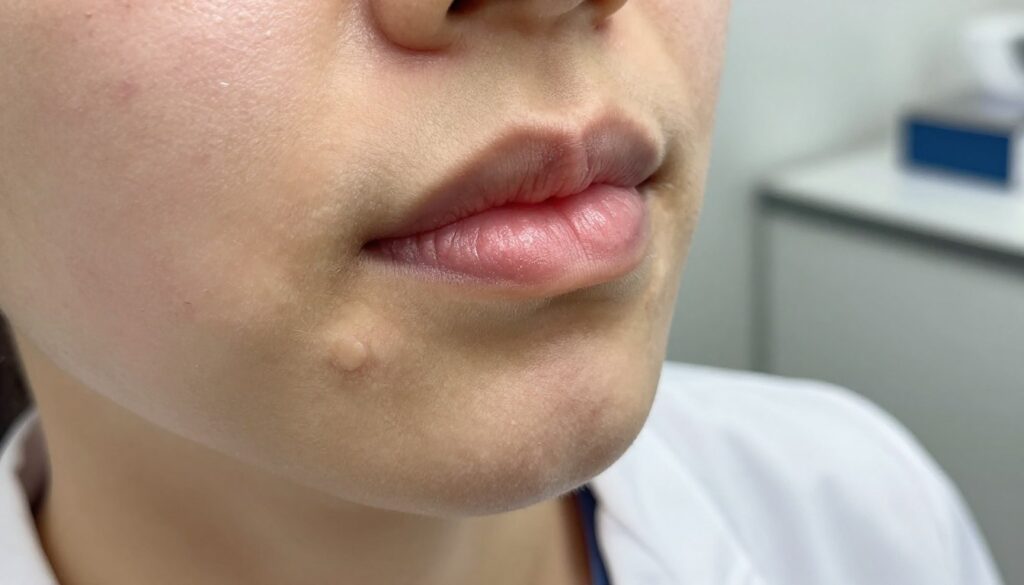
Getting a correct diagnosis for white pimples on lips needs a doctor’s help. Doctors use different ways to find out what’s causing the problem and suggest the right treatment. Knowing how doctors diagnose helps patients understand what to expect at their visit.
Medical Examination Techniques
Your doctor will first look at your medical history and ask about your symptoms. They will then examine the white spots on your lips under bright light. The doctor will also gently touch your face and jaw to check for swelling or tenderness.
Doctors check several areas during the exam:
- Outer lip surface and corners
- Inner lip tissue and mouth lining
- Neck region for enlarged lymph nodes
- Surrounding facial skin
Doctors might need to take samples for tests. They take swabs from the affected area to check for infections. Blood tests can show if you have herpes simplex virus. In rare cases, a tissue biopsy might be needed to check for oral cancer.
When to Seek Professional Help
Just looking at the bumps can often tell doctors what’s wrong. You should see a doctor if the bumps don’t get better in two weeks. If you have severe pain, fast-spreading bumps, fever, or trouble eating and drinking, get help right away. Any changes in texture, color, or size need a doctor’s check to make sure it’s not something serious.
Natural Remedies for White Pimples
Natural remedies are gentle ways to handle white pimples on lips. They work well for conditions like fordyce spots and milia. But, make sure your issue isn’t serious enough to need a doctor. Viral or bacterial infections need a doctor’s help, not home remedies.
Aloe Vera and Its Benefits
Aloe vera gel soothes irritated lip tissue. It has anti-inflammatory compounds that lessen swelling and redness. Put fresh aloe vera gel on the affected areas twice a day.
The cooling effect helps with discomfort and healing. Research shows aloe vera can also stop secondary infections in minor skin issues.
Tea Tree Oil Treatment
Tea tree oil is a strong antiseptic for fordyce spots and other lip bumps. Mix one drop of tea tree oil with nine drops of coconut oil. This essential oil fights bacteria and reduces inflammation.
Use a cotton swab to apply the mixture at night. Never apply undiluted tea tree oil on lips as it can irritate.
Benefits of Honey
Raw honey is a natural antibacterial for lip bumps. Manuka honey is known for its strong antimicrobial effects. Apply a thin layer of honey to the affected areas for 15 minutes before rinsing with warm water.
The enzymes in honey reduce inflammation and keep lips moist. Dermatologists often suggest honey for its gentle healing on sensitive lip skin.
Over-the-Counter Treatments
Many treatments for white pimples on your lips are available at pharmacies without a prescription. These options can ease discomfort and make bumps less noticeable. Each one targets different causes of oral pimples.
Antiseptic Creams
Antiseptic creams kill bacteria on your skin and prevent infections. They contain ingredients like benzalkonium chloride or chlorhexidine. Apply a thin layer to affected areas two to three times daily after cleaning your lips with warm water.
Benzoyl Peroxide Usage
Benzoyl peroxide is a top choice for treating milium cysts and acne bumps. It kills bacteria and dries out excess oil. Start with a 2.5% concentration to avoid irritation. Clean & Clear and Neutrogena offer gentle options for sensitive skin.
Hydrocortisone Cream
Hydrocortisone cream helps with inflammation and itching from various causes. It’s a mild steroid cream best for allergic reactions or irritated skin.
| Treatment Type | Best For | Application Frequency |
|---|---|---|
| Antiseptic Cream | Bacterial infections | 2-3 times daily |
| Benzoyl Peroxide | Acne and oil control | Once daily initially |
| Hydrocortisone | Inflammation and allergies | Twice daily for 7 days |
Prescription Medications
When natural remedies and over-the-counter treatments don’t work, prescription medications are key. Doctors choose specific medicines based on the cause of your white lip lesions. These treatments target viruses, fungi, and inflammation that cause lip problems.
Antiviral Medications
Antiviral drugs help with lip blisters from herpes simplex virus. Taking acyclovir or valacyclovir early can cut outbreak time from 10 days to 3-5 days. These meds can’t cure the virus but lessen symptoms and outbreak frequency.
Topical Steroids
Doctors use topical steroids to reduce inflammation and heal severe white lip lesions. Triamcinolone acetonide and hydrocortisone valerate calm down immune responses that cause swelling. These must be applied carefully to avoid thinning lip skin.
Other Recommended Treatments
Several medications are used for specific lip conditions:
| Medication Type | Condition Treated | Application Method |
|---|---|---|
| Isotretinoin (Accutane) | Fordyce spots | Oral capsules |
| Nystatin | Oral thrush | Liquid rinse |
| Fluconazole | Severe fungal infections | Oral tablets |
| Clotrimazole | Candida infections | Topical cream |
People with weakened immune systems might need stronger antifungal meds for lip blisters. These medicines fight off infections that can’t be treated with creams or ointments.
Preventive Measures for White Pimples
To stop lips white pimples, know what causes them. Simple habits can help keep your lips healthy. By following good oral hygiene and making smart choices, you can lower your risk of these blemishes.
Maintaining Lip Hygiene
Clean lips are healthy lips. Wash your face twice a day with a gentle cleanser. Don’t rub your lips dry; pat them with a clean towel instead. Use a lip balm with SPF 30 to protect from the sun.
Change your lip products every six months to avoid bacteria. This helps prevent white pimples.
Avoiding Known Allergens
Many white pimples come from allergies to common products. Always check labels for things like petroleum, paraffin, and artificial fragrances. Keep a diary to track when you get pimples and what might cause them.
If you react to toothpaste, try hypoallergenic options. This can help avoid mouth reactions.
Proper Nutrition for Skin Health
Your diet affects your lip health. Eating foods rich in vitamins helps repair your skin. Here are some tips:
| Nutrient | Food Sources | Daily Amount |
|---|---|---|
| Vitamin C | Oranges, strawberries | 75-90 mg |
| Vitamin E | Almonds, sunflower seeds | 15 mg |
| Zinc | Oysters, beef | 8-11 mg |
| Omega-3 | Salmon, walnuts | 1.1-1.6 g |
Drink eight glasses of water a day. Cut down on alcohol and avoid tobacco, which harms your lip tissue.
Lifestyle Changes to Consider
Making simple lifestyle changes can help a lot. They can reduce white spots on lips and keep your lips healthy. Small daily changes are key to preventing future problems and keeping your lips in good shape.
Stress Management Techniques
Stress weakens your immune system, making you more likely to get white spots on lips. When you’re stressed, your body makes cortisol. This can wake up viruses like HSV-1. Try deep breathing for 10 minutes a day or do yoga to lower stress by up to 40%.
Adequate Hydration
Drink 8-10 glasses of water a day to keep your lips moist. Dry lips crack easily, letting in bacteria and viruses. Carry a water bottle from Hydro Flask or Nalgene to stay hydrated. Add cucumber slices or fresh mint to make water more fun.
Regular Skin Care Routine
Keep a regular lip care routine to avoid buildup. Gently exfoliate lips weekly with a soft toothbrush or sugar scrub from Fresh or Lush. Use SPF lip balm from Aquaphor or Burt’s Bees every morning. Remove lip products before bed with micellar water from Garnier or Bioderma. Clean lips heal faster and resist infections better.
Home Care Tips for Relieving Symptoms
Managing white pimples at home can help a lot while your skin heals. Simple remedies can make fordyce spots and milium cysts on lips feel better. You don’t need to spend a lot on treatments. Just be gentle and patient, and most bumps will go away on their own.
Warm Compresses for Pain Relief
A warm compress is great for painful bumps on your lips. Soak a clean washcloth in warm water, then wring it out. Apply it to the area for 10-15 minutes. This method reduces swelling and helps your skin heal by improving blood flow. For fordyce spots, do this three to four times a day.
Using salt water rinses with warm compresses is even better. Mix one teaspoon of salt in a cup of warm water and gently swish it around your mouth. This natural antiseptic fights off infection and soothes irritated skin.
Moisturizing Lip Balms
Moisturizing your lips helps prevent cracking and speeds up healing of milium cysts. Use fragrance-free balms with natural ingredients like shea butter or coconut oil. Apply a thin layer after each warm compress and before bed.
| Ingredient | Benefit | Application Frequency |
|---|---|---|
| Petroleum Jelly | Creates protective barrier | 2-3 times daily |
| Almond Oil | Reduces inflammation | Morning and night |
| Vitamin E Oil | Promotes skin repair | Once before bed |
Never pick or squeeze white bumps on your lips. This can make them worse, leading to more redness, swelling, and infection. It can also cause permanent scars.
When to Consult a Dermatologist
Many white pimples on lips go away on their own in a few days. But, some cases need a doctor’s help. Knowing when to see a dermatologist can stop problems and treat the real cause of the issue.
Signs That Warrant Immediate Attention
Some signs mean you should see a dermatologist right away. If white bumps last more than two weeks and home treatments don’t work, get help. Also, if bumps bleed or grow, you need to act fast.
Red or white scaly patches on your lips are a big worry. They might be a sign of skin cancer, which is more common in people who spend a lot of time in the sun or smoke. Catching it early is key to treating it well.
| Symptom | Urgency Level | Recommended Action |
|---|---|---|
| Painful lip blisters | Moderate | Schedule within 1 week |
| Bleeding bumps | High | See doctor within 48 hours |
| Growing lesions | High | Immediate appointment needed |
| Throat pain with bumps | High | Same-day evaluation |
Preparing for Your Dermatology Visit
Write down your symptoms before you go. Note when the blisters started, any triggers, and treatments you’ve tried. Also, list your medications and any allergies. Take photos to show how the condition has changed.
This helps your dermatologist figure out what’s wrong and how to fix it. They can make a plan that works for you.
Discussing Persistent Cases

White lip lesions that keep coming back might mean there’s a health issue that needs a doctor’s help. If bumps don’t go away with basic care or treatments, it’s time to see a healthcare expert. Knowing what’s causing these bumps helps find the best way to manage them for a long time.
Chronic Conditions Related to White Pimples
Many chronic conditions can lead to white lip lesions that need special care. Fordyce spots are small, harmless oil glands on the lips. They’re common in adults and don’t need treatment unless you’re worried about how they look. Milia are tiny white cysts filled with keratin that can last for weeks or months without treatment.
Some cases might show a weak immune system. Doctors might test for immune problems if white bumps keep coming back. Rarely, white patches could be a sign of something serious that needs quick medical action.
Long-Term Treatment Options
There are professional treatments for white lip lesions that don’t get better with basic care. Each treatment aims at different conditions and works differently:
| Treatment Method | Best For | Recovery Time |
|---|---|---|
| Laser Therapy | Fordyce Spots, Milia | 3-7 days |
| Cryotherapy | Milia, Small Lesions | 5-10 days |
| Chemical Peels | Surface Milia | 7-14 days |
| Electrosurgery | Fordyce Spots | 5-7 days |
Dermatologists might give you topical retinoid products to help with chronic milia. For serious issues like oral cancer, treatment plans include surgery, radiation, or chemotherapy, depending on the cancer’s stage.
Conclusion: Managing and Preventing White Pimples
White spots on lips can happen for many reasons, but most are not serious. Studies say 70 to 80 percent of adults have Fordyce spots. These are normal oil glands that look like tiny white bumps.
These spots are just natural skin features that many people have from birth. Some lips white pimples are simply harmless variations in your skin. They are like moles or birthmarks that appear on other body parts.
Key Takeaways for Lip Health
Early diagnosis is key when dealing with white spots on lips. Viral infections like herpes simplex need quick treatment. This helps prevent spreading and reduces symptoms.
Allergic reactions require identifying and avoiding trigger products or foods. Regular lip care with gentle cleansers and moisturizers keeps your skin healthy. This reduces the chance of developing lips white pimples.
If bumps persist for more than two weeks or cause severe pain, visit a dermatologist. They ensure you get the right diagnosis and treatment plan.
Final Tips for Maintenance
Simple daily habits can prevent most white spots on lips from forming. Apply SPF lip balm before going outside. Use products from trusted brands like Neutrogena or EOS.
Drink at least eight glasses of water daily to keep lips hydrated from within. Replace old lip products every six months to avoid bacterial buildup. Even when lips white pimples are harmless, treatments like laser therapy or topical retinoids can remove them if they affect your confidence.
Your lips deserve the same careful attention you give to the rest of your skin.