

This morning, I stood in front of the mirror and noticed my favorite jeans were tighter. It reminded me of my long battle with belly fat. If you’re reading this, you might feel the same frustration.
Trying to lose belly fat is more than just looking good. It’s about improving your health and lowering the risk of serious diseases. The fat around your organs, called visceral fat, is dangerous.
Many people focus on BMI, but it doesn’t show where fat is stored. Research shows that a smaller waist is linked to better health. A larger waistline can increase the risk of heart disease and diabetes.
You can’t pick where fat goes, but you can lose weight overall. Studies show that using many strategies at once is the best way to lose weight. It takes a plan that includes healthy eating, exercise, and staying hydrated for lasting results.
Key Takeaways
- Visceral fat around organs creates serious health risks beyond cosmetic concerns
- BMI alone doesn’t accurately measure body composition or fat distribution
- Maintaining a trim midsection improves blood vessel function and sleep quality
- You cannot spot-reduce fat but overall weight loss will reduce waistline measurements
- Combining multiple strategies creates the most effective approach for lasting results
- Larger waistlines correlate with higher risks of diabetes, heart disease, and cancer
Understanding Belly Fat
Belly fat is more than just a cosmetic concern. It’s fat around your midsection that can harm your health. Knowing the types and their effects is key to belly fat reduction.
What Is Belly Fat?
Belly fat is extra fat around your abdomen. It happens when you eat more calories than you burn. This fat is in two layers, each with different health effects.
Your waistline is a key measure of fat. Women should aim for less than 35 inches, and men for under 40 inches.
Types of Belly Fat
Subcutaneous fat is the soft layer under your skin. You can pinch it. It affects your looks but is less risky than the deeper fat.
Visceral fat is deeper, around organs like the liver and intestines. It releases harmful substances into your blood. Johns Hopkins research shows it improves blood flow and artery function.
Why Losing Belly Fat Matters
The abdominal fat health risks are serious. Visceral fat increases risks of:
- Type 2 diabetes
- Heart disease
- High blood pressure
- Certain cancers
Studies show losing belly fat lowers inflammation. This improves blood flow and sleep. Even small weight loss can greatly benefit your health.
Nutrition for Fat Loss
What you eat is key when trying to flatten stomach areas and lose weight. Choosing the right foods fuels your body and helps you lose fat. Knowing which foods help and which hinder your goals is the first step.
Importance of a Balanced Diet
A balanced diet is essential for losing fat. Foods high in protein help you feel full longer. This means you eat less during the day.
Protein sources like chicken, fish, eggs, and Greek yogurt keep you satisfied. Soluble fiber also helps by slowing digestion. Studies show adding 10 grams of soluble fiber daily can reduce belly fat by 3.7% over five years.
Foods to Include in Your Diet
Choose whole foods that help with weight loss:
- Lean proteins: turkey, salmon, cottage cheese, lentils
- High-fiber foods: oatmeal, Brussels sprouts, black beans, apples
- Vegetables: spinach, broccoli, bell peppers, cauliflower
- Whole grains: quinoa, brown rice, barley
- Healthy fats: avocados, olive oil, almonds
Foods to Avoid for Belly Fat
Some foods can make belly fat worse. Trans fats cause inflammation and insulin resistance. This leads to more belly fat.
Sugar-sweetened drinks are also bad because they turn to fat in your liver. Even natural sweeteners like honey should be used sparingly. Keeping track of what you eat helps you avoid bad foods and stay on track.
Portion Control Techniques
Managing portion sizes is key to losing weight and getting rid of muffin top. Many eat too much without knowing it. Simple techniques can help you enjoy food while keeping calories in check. These methods help your body feel full and stop you from eating too much.
Understanding Serving Sizes
Knowing the right serving sizes is important. Americans often eat way more than they should. A palm-sized portion is good for protein, and a cupped hand is right for grains and starches. Vegetables should fill both hands.
These visual guides make it easy to control portions without measuring all the time.
Using Smaller Plates
Using smaller plates tricks your brain into feeling full. A 9-inch plate can cut calorie intake by up to 22%. The same amount of food looks bigger on a smaller plate, making you feel satisfied.
This simple change helps you lose weight without feeling hungry or deprived.
Mindful Eating Practices
Eating slowly lets your brain catch up with fullness signals. Try putting your fork down between bites and chewing well. These habits stop you from eating too much and reduce bloating.
Keeping a food diary for a week or two shows your eating habits. Focus on how your clothes fit to see your progress, not just the scale.
Importance of Hydration
Getting a slim waist is more than just diet and exercise. Drinking enough water is key to burning calories well. When you drink water, your body works better, making it easier to lose weight around your waist.
How Water Affects Metabolism
Water and metabolism are closely linked. Drinking water can increase your metabolic rate by up to 30% for an hour. This helps your body burn more calories all day. Drinking cold water is even better because your body uses energy to warm it up.
Drinking water before meals makes you feel full. This trick helps you eat less without feeling hungry. Studies show people who drink 16 ounces of water before meals eat fewer calories.
Recommended Daily Intake
Experts say you should drink at least 8 glasses (64 ounces) of water a day. Your needs might be more if you:
- Are active
- Live in a hot climate
- Weigh more
- Have health issues
Drinking half your body weight in ounces is a good rule. For example, someone who weighs 150 pounds should drink 75 ounces a day.
Alternatives to Sugary Drinks
Switching to healthier drinks helps with hydration and a slimmer waist. Try these swaps:
| Instead of | Choose | Calories Saved |
|---|---|---|
| Apple juice (8 oz) | Whole apple + water | 110 calories |
| Regular soda (12 oz) | Sparkling water with lemon | 140 calories |
| Sweet tea (16 oz) | Unsweetened herbal tea | 120 calories |
Infused water is a tasty way to stay hydrated without calories. Try cucumber-mint, strawberry-basil, or lemon-lime. These flavors make water more fun and help with your fat loss goals.
The Role of Exercise
Regular physical activity is key to burning belly fat well. Studies show that mixing different workouts is best for losing belly fat. People who stay active often see their midsection improve in just weeks.
Aerobic Exercises to Consider
There are many cardio options for losing belly fat. Walking briskly for 30 minutes can burn about 150 calories. Swimming works out many muscles and is easy on your joints. Running at a moderate pace can burn 400-500 calories per hour.
Recent studies found that postmenopausal women who did 300 minutes of aerobic activity a week lost more belly fat. This shows how important it is to keep up with your workout routine.
Strength Training Benefits
Weight training is great for losing belly fat, too. It helps build muscle, which means you burn more calories all day. Focus on big movements like squats, deadlifts, and push-ups that work many muscles at once.
Incorporating Physical Activity Daily
Small changes can make a big difference in burning belly fat. Try taking the stairs instead of the elevator. Park further away and stand while on the phone. These small changes can burn an extra 2,000 calories a week.
Try to do 30-60 minutes of moderate to vigorous exercise every day. This helps keep your insulin levels in check and uses stored fat for energy.
High-Intensity Interval Training (HIIT)
High-intensity training is a top choice for losing belly fat. It’s loved by both fitness pros and newbies. This method offers quick results, beating traditional cardio in time and effectiveness.
What Is HIIT?
HIIT workouts mix short, intense exercises with brief breaks. Imagine sprinting for 30 seconds, then walking for 60 seconds. This pattern keeps your heart rate up and lets you recover a bit before the next intense part.
Benefits of HIIT for Belly Fat
A 2018 study found that HIIT, like running, cuts down belly fat. These workouts burn more calories in 20-30 minutes than steady cardio for an hour. Plus, your body keeps burning calories for hours after, thanks to the afterburn effect.
Adding HIIT to a healthy diet boosts belly fat loss even more. Studies show that combining HIIT with enough protein works better than just cutting calories.
Sample HIIT Workouts
Here are easy HIIT routines to kickstart your journey:
- Bodyweight Circuit: Do 20 seconds of jumping jacks, rest for 40 seconds. Then, do 20 seconds of burpees, rest for 40 seconds. Next, do 20 seconds of mountain climbers, rest for 40 seconds. Repeat this 4 times.
- Running Intervals: Sprint for 30 seconds, jog for 90 seconds. Do this 8 times.
- Cycling HIIT: Pedal hard for 45 seconds, then pedal easy for 75 seconds. Do 10 rounds.
Begin with 2-3 HIIT sessions a week, with rest days in between. As you get fitter, up the intensity or time. Always check with your doctor before starting any new workout, even if you’re healthy.
Stress Management Strategies
Daily stress can make your waistline wider. When life gets tough, your body stores fat in ways that hurt your weight loss goals. Knowing how stress and belly fat are linked helps you manage your mind and body better.
How Stress Contributes to Belly Fat
Your adrenal glands release cortisol when you’re stressed. This hormone makes you hungrier and stores fat around your belly. Studies show women with bigger waists produce more cortisol during stress, making it harder to lose weight.
The link between stress and belly fat is more complex than just gaining weight. High cortisol levels make you want to eat more. Your body thinks it needs extra energy, even for simple stressors like work or family issues.
Techniques for Reducing Stress
Managing cortisol starts with simple daily habits. Regular exercise lowers stress hormones and boosts heart health. Yoga combines movement and breathing to calm your nerves. Even basic exercises can help reduce tension and tone your belly.
| Stress Reduction Activity | Time Required | Cortisol Impact |
|---|---|---|
| 30-minute evening walk | 30 minutes | 25% reduction |
| Meditation practice | 15 minutes | 20% reduction |
| Yoga session | 45 minutes | 30% reduction |
Importance of Sleep for Weight Loss
Good sleep is key to managing stress and belly fat. Bad sleep messes with hunger and fullness hormones. Adults sleeping less than seven hours a night have higher cortisol levels. A regular bedtime routine helps keep your hormones balanced for better weight control.
The Role of Sleep in Fat Loss
Getting enough rest is key to losing love handles and keeping a healthy weight. Lack of sleep messes with your body’s balance, making it harder to lose weight. Studies show that those sleeping less than five hours a night gain more weight than those sleeping seven or more hours.
How Sleep Affects Metabolism
Your sleep and metabolism are closely linked. Not enough sleep means your body makes more hunger hormone and less fullness hormone. This makes you hungrier and crave high-calorie foods. Plus, it raises cortisol, which stores fat around your midsection.
Recommended Sleep Duration
Adults need seven to nine hours of sleep for weight loss and health. Sleeping less than six hours raises the risk of weight gain and metabolic problems. Good sleep regulates hunger hormones and helps burn fat naturally.
| Age Group | Recommended Hours | Impact on Weight |
|---|---|---|
| 18-25 years | 7-9 hours | Optimal metabolism |
| 26-64 years | 7-9 hours | Better appetite control |
| 65+ years | 7-8 hours | Maintained muscle mass |
Tips for Better Sleep Quality
Improving your sleep can help with weight loss. Try these tips:
- Remove electronic devices from your bedroom
- Go to bed 30-60 minutes earlier each night
- Practice gentle stretches or meditation before sleep
- Get natural sunlight exposure during the day
- Exercise regularly but avoid late-night workouts
- Skip caffeine and alcohol in the evening
Having a bedtime routine helps your body relax. Keep your room cool, dark, and quiet for better sleep. These changes help your sleep and metabolism, aiding in weight loss.
Building Healthy Habits
Creating lasting change is more than quick fixes. Successful belly fat reduction comes from healthy habits you can keep for years. Johns Hopkins research shows low-carb diets lead to 10 pounds more weight loss than low-fat diets over six months. The difference? They built lasting patterns, not temporary rules.
Setting Realistic Goals
Start with small, achievable targets. Aim to lose 1-2 pounds weekly, not 20 pounds in a month. This method supports lasting weight loss and avoids burnout. Write down specific goals like “walk 30 minutes daily” or “eat vegetables with every meal.” These actions are easier to follow than vague promises to “eat better.”
Tracking Your Progress
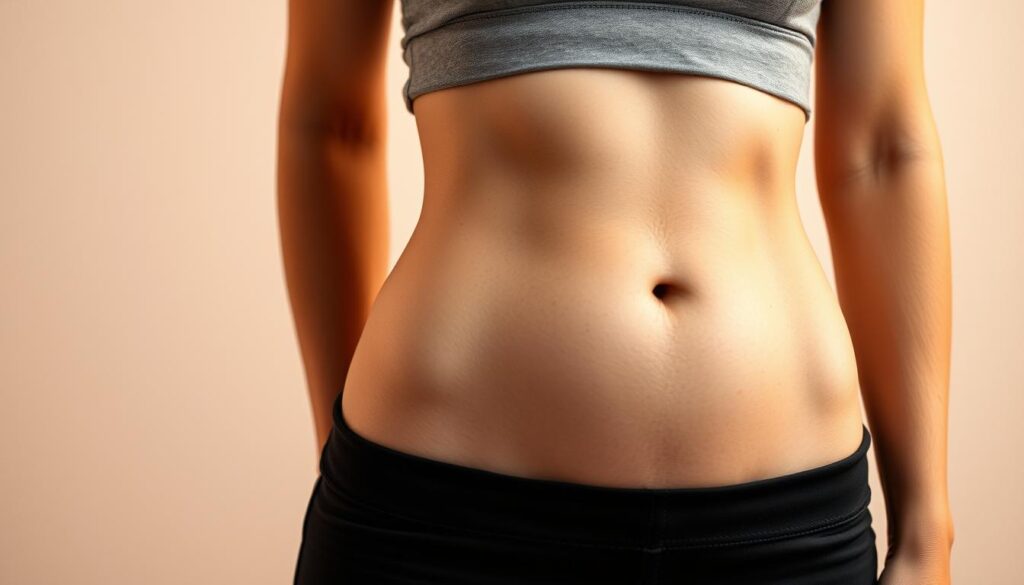
Monitor your journey without obsessing over daily changes. Keep a simple food journal or use a smartphone app to log meals and activities. Measure your waist circumference monthly instead of just the scale. Take progress photos every two weeks to see changes your eyes might miss day-to-day.
Staying Consistent Over Time
Consistency beats perfection in developing healthy habits. If you slip up, get back on track at your next meal. Build routines that fit your life: prep meals on Sundays, pack gym clothes the night before, or keep cut vegetables ready for snacking. Remember, combining multiple approaches works better than relying on one method alone for belly fat reduction.
Fiber-Rich Foods to Consider
Adding high-fiber foods to your diet can help you flatten stomach naturally. Fiber is key for good digestion and weight control. Knowing which foods are high in fiber is important for making healthy meal choices.
Benefits of High Fiber Intake
Eating lots of fiber has many benefits for your waistline. Soluble fiber benefits include slowing digestion and keeping you full longer. Studies show that eating 10 more grams of soluble fiber daily can reduce belly fat by 3.7% in five years.
Fiber also keeps your digestive system working well and reduces bloating. This makes your stomach look slimmer.
Top High-Fiber Foods
The best fiber sources are whole, unprocessed foods. Here are some great options to add to your diet:
| Food Category | Examples | Fiber Content (per serving) |
|---|---|---|
| Fruits | Apricots, Oranges, Apples | 3-4 grams |
| Vegetables | Brussels Sprouts, Sweet Potatoes | 4-5 grams |
| Legumes | Black Beans, Lentils | 7-8 grams |
| Whole Grains | Oatmeal, Barley | 4-6 grams |
| Seeds | Flaxseeds, Chia Seeds | 5-10 grams |
Incorporating Fiber into Meals
Begin your day with oatmeal, berries, and flaxseeds. Switch to whole grain bread instead of white. Add beans to salads and soups. Snack on fruits with their skin on.
The Framingham Heart Study found that eating whole grains can reduce excess abdominal fat by 17%. Aim for 21-25 grams daily for women and 30-38 grams for men. Start increasing fiber intake slowly to avoid discomfort.
Healthy Fats and Their Impact
Not all fats are the same when trying to lose belly fat. Knowing which fats are good for you can really help. The right fats can help you burn calories and feel full longer.
Difference Between Healthy and Unhealthy Fats
Healthy fats for losing weight include monounsaturated fats and omega-3 fatty acids. These fats stay liquid at room temperature and help your metabolism. On the other hand, unhealthy fats like trans fats in partially hydrogenated oils can make your belly fat grow.
Sources of Healthy Fats
Great sources of monounsaturated fats are:
- Avocados
- Almonds, walnuts, and cashews
- Olive oil and avocado oil
- Fatty fish like salmon, sardines, and mackerel
These foods are full of nutrients and help you stay at a healthy weight. Try to eat 2-3 servings of fatty fish each week for the best omega-3 benefits.
How Healthy Fats Help in Weight Loss
A 2016 study found that diets with monounsaturated fats can help you lose weight. These fats keep you full and support hormone function. Omega-3 supplements can also reduce liver and belly fat, helping you lose that muffin top.
The Impact of Alcohol on Belly Fat
What you drink can affect your goal of a slim waistline. A 2023 study found a link between alcohol and belly fat. Knowing this helps you choose better drinks for your fitness goals.
How Alcohol Contributes to Weight Gain
Alcoholic drinks have a lot of calories. A 12-ounce beer has 155 calories, and a 5-ounce glass of red wine has 125. These calories don’t give you the nutrients your body needs.
Drinking alcohol makes your body burn it first. This means it stores more fat, often in your belly. Too much alcohol can harm how your body uses nutrients.

Best Practices for Alcohol Consumption
Following moderate drinking guidelines can help your waistline. The Dietary Guidelines suggest:
- Men: No more than two drinks a day
- Women: No more than one drink a day
A 2003 study showed that drinking less than one drink a day is better. It found that those who drank less had less belly fat than heavy drinkers.
Alcohol Alternatives That Are Better
Choosing better drinks can help you stay on track. Here are some good swaps:
| Instead of This | Try This | Calorie Savings |
|---|---|---|
| Gin and Tonic | Gin and Soda Water | 80 calories |
| Margarita | Fresh Lime Sparkling Water | 300 calories |
| Beer | Kombucha | 100 calories |
| Wine | Herbal Tea | 125 calories |
These simple changes can help reduce alcohol and belly fat. Small changes can make a big difference in your waistline over time.
Seeking Support and Accountability
Getting the right people to support you makes a big difference in burning belly fat. Studies show that those with support tend to do better than solo efforts. Having accountability partners can turn temporary changes into lasting lifestyle changes.
Finding Motivation from Others
Being around health-focused friends can improve your habits. When your friends value fitness and healthy eating, you’re more likely to do the same. Look for local walking groups, fitness classes, or online communities for weight loss support.
These groups offer encouragement and celebrate your successes. They help you stay motivated and focused on your goals.
Importance of a Support System
A strong support system is key to lasting success in burning belly fat. Family and friends who support your goals can keep you on track. Here are some benefits of having accountability partners:
- Increased motivation during tough times
- Shared healthy recipes and meal ideas
- Exercise buddies for regular workouts
- Emotional support during setbacks
- Celebration of milestones together
Professional Help: When to Consider
At times, professional advice is essential for successful weight loss. Consider these experts:
| Professional | How They Help |
|---|---|
| Healthcare Provider | Assesses overall health and screens for conditions affecting weight |
| Registered Dietitian | Creates personalized meal plans and identifies food sensitivities |
| Certified Personal Trainer | Designs safe, effective exercise programs |
| Licensed Therapist | Addresses emotional eating patterns and stress management |
The National Alliance for Eating Disorders offers daytime helplines staffed by licensed therapists. Remember, seeking professional help shows your commitment to improving your health.
Conclusion and Next Steps
Losing belly fat takes commitment and a mix of proven methods. No single way works alone. Success comes from combining several effective tips into your daily life. These methods help make lasting changes in your body and health.
Summary of Effective Tips
The best approach is to eat smart and exercise regularly. Foods high in soluble fiber help reduce fat. Protein-rich meals like chicken and fish keep you full. Avoid trans fats and sugary drinks.
Green tea boosts your metabolism when you exercise. Exercise is key for lasting fat loss. Mix cardio with strength training for the best results. High-intensity interval training burns calories well. Fatty fish like salmon supports weight loss.
Probiotics like Lactobacillus yogurt improve gut health. Some find intermittent fasting helpful for calorie control.
Encouragement to Take Action
Begin with one or two changes this week. Choose strategies that fit your life. Start by drinking more water or walking after dinner.
Track your progress with waist measurements and how your clothes fit. Don’t forget about stress management and quality sleep. They affect hunger and fat storage hormones.
Resources for Further Information
Consult your doctor before big diet or exercise changes. They can tailor a plan for your health. Registered dietitians and certified trainers offer personalized help.
Apps like MyFitnessPal track food intake. The American Heart Association website has heart-healthy recipes. Local community centers offer affordable fitness classes.
Focus on building sustainable fat loss strategies. Avoid quick fixes that don’t last.