
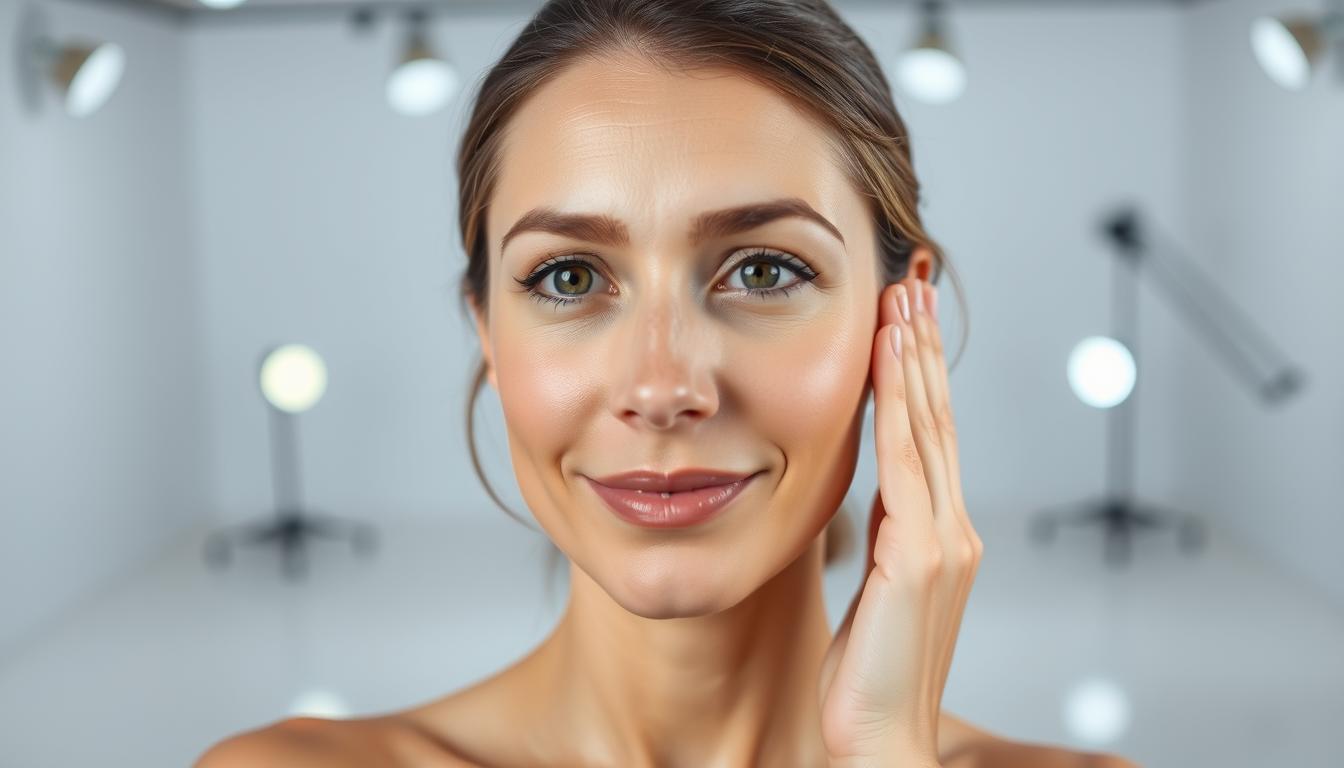
I remember the day I saw my reflection and barely knew who it was. My face looked puffy and round, unlike my photos from years ago. This moment started my quest to learn about losing facial fat and find effective methods.
Many of us deal with face fat that lowers our confidence in photos or video calls. The good news is that science backs up real changes. Eating right and doing cardio can reduce body fat, including face and cheek fat.
You can’t just lose face fat, but facial exercises can help. A 2021 study showed these exercises improve facial rejuvenation and slimming. The secret is combining good nutrition, exercise, and proven slim face techniques.
Your face shows your health and lifestyle choices. Losing face fat through healthy habits boosts more than just your looks. It builds confidence, energy, and a lasting wellness approach that shines in every smile.
Key Takeaways
- Face fat reduction happens through overall body fat loss, not spot reduction
- Regular cardio exercise breaks down fat cells throughout your entire body
- Facial exercises tone muscles and enhance facial rejuvenation
- A balanced diet plays a critical role in achieving facial weight loss
- Consistency in healthy habits leads to lasting slim face results
- Science supports combining multiple approaches for best outcomes
Understanding Face Fat
Face fat can happen to anyone, no matter their fitness level or body type. Many look for chubby cheek solutions without knowing why it happens. It’s key to understand why facial fat builds up before trying face slimming exercises or changing diets.
What Causes Face Fat?
Several factors lead to facial fat. Weight gain means more fat in the body, including the face. Eating too many processed foods, calories, and sodium makes your face puffy.
Water retention also affects how your face looks. Eating foods high in sodium makes your body hold onto water, making your face look puffy. Not being active makes it easier for fat to build up. Your facial bone structure also plays a part in how fat looks on your face.
How Genetics Play a Role
Your genes decide where your body stores fat. Some people naturally have more face fat, while others store it in their midsection or hips. This is why face slimming exercises don’t work the same for everyone. Family features often show where you’ll store fat.
The Impact of Age on Face Fat
Aging changes how your face looks and where fat is stored. As you get older, your muscles and bones get weaker, changing your face’s shape. This makes fat deposits more noticeable. Skin also loses its stretchiness with age, making your face look fuller.
The Importance of a Healthy Diet
What you eat is key to losing facial weight and getting a better jawline. Your body stores extra calories as fat, including in your face. Eating smart helps reduce body fat, slimming your face too.
Foods to Include for Fat Loss
Start with protein-rich breakfasts like egg white scrambles with spinach and tomatoes. Greek yogurt with honey and walnuts gives you calcium and healthy fats. Oatmeal with fresh berries is full of fiber to keep you full.
- Grilled chicken breast with mixed green salad
- Baked salmon with roasted asparagus
- Vegetable stir-fry with tofu
- Turkey and avocado wraps
- Lentil soup with whole grain bread
- Grilled shrimp and vegetable kabobs
Foods to Avoid for a Slimmer Face
Refined carbs cause water retention and bloating, making your face look fuller. Avoid white bread, pasta, cookies, and crackers. A 2021 study showed whole grains help you gain less belly fat over four years.
Reducing these foods helps with facial weight loss and a better jawline. Swap processed snacks for fresh fruits, nuts, or veggie sticks for better results.
Effective Exercises for a Slim Face
Regular exercise is key to a slimmer face. Doing face slimming exercises and cardio workouts can help. This combo reduces body fat, making your face look more defined.
Studies show that certain face movements strengthen muscles. At the same time, cardio burns calories well.
Facial Yoga and Its Benefits
Facial yoga targets face and neck muscles. Exercises like puffing cheeks and puckering lips are popular. They help reduce double chin.
A 2021 study found that doing these exercises twice a day for eight weeks improved facial muscles. It also led to better facial rejuvenation.
These exercises are easy to do anywhere, without any equipment. Start with five-minute sessions and increase as you get stronger. Consistency is key for the best results.
Cardio Exercises to Reduce Fat
Cardio is a top way to lose fat. The CDC suggests 150 minutes of moderate-intensity aerobic exercise weekly. Add two days of resistance training for better results.
Activities like running and biking burn calories. They help lose weight all over, including the face.
A 2023 study with 60 women showed great results from aerobic training. After 12 weeks, they lost body fat and gained muscle. A 2022 study found that combining cardio with resistance training and a balanced diet works best for fat loss and muscle tone.
Hydration and Its Role in Fat Loss
Water is key to losing face fat. It helps your body work right and burn fat well. Studies show drinking water boosts your metabolism and cuts down body fat, including face fat.
How Water Intake Affects Your Face
Water helps break down fat in your body. A 2019 study found drinking water led to a 5.15% weight loss in 12 weeks. People drank water before meals, swapped sugary drinks for water, and stayed hydrated.
Drinking water before meals helps you eat less. A study in the Journal of Natural Science, Biology and Medicine showed this. It’s a simple way to keep your face slim by avoiding too much food.
Signs of Dehydration
Dehydration can make your face look bigger. Without enough water, your body holds onto fluid, causing puffiness. Look out for these signs:
| Physical Signs | How It Affects Your Face |
|---|---|
| Dark urine color | Increased water retention in facial tissues |
| Dry mouth and lips | Dull skin appearance |
| Fatigue | Puffy eyes and cheeks |
| Headaches | Swollen facial features |
Drink at least eight glasses of water a day to lose face fat. Staying hydrated helps your kidneys, removes waste, and stops mistaking thirst for hunger.
The Role of Sleep in Weight Management
Sleep is key to losing facial fat and managing body weight. Lack of sleep leads to hormonal changes that increase fat storage, including in the face. This knowledge helps find effective ways to tackle chubby cheeks, beyond just diet and exercise.
How Lack of Sleep Affects Face Fat
Sleep deprivation causes hormonal imbalances that lead to weight gain. Your body makes more cortisol, the stress hormone. It also messes with leptin and ghrelin, the hunger and fullness hormones.
Dr. Matthew Walker’s research shows sleep-deprived bodies fight fat loss. The brain’s amygdala gets too active, making you want sugary and fatty foods. Your metabolism slows, making it harder to lose facial fat.
Tips for Better Sleep Hygiene
The CDC says adults need 7 hours of quality sleep for weight management. Here are tips to improve your sleep:
- Set a consistent bedtime and wake time, even on weekends
- Create a dark, cool sleeping environment (65-68°F)
- Avoid screens 1 hour before bed
- Skip caffeine after 2 PM
- Practice relaxation techniques like deep breathing
Quality sleep helps maintain healthy hormone levels and reduces facial bloating. Getting 7-9 hours a night boosts your body’s fat-burning and improves your face’s look.
Practical Tips for Everyday Changes
Small daily habits can make a big difference in achieving better jawline definition. Simple changes in your routine help reduce facial fat over time. These practical slim face techniques require minimal effort but deliver noticeable results when done consistently.
Posture and Its Unexpected Impact
Your posture affects more than just your back. Sitting and standing straight naturally elongates your neck and defines your facial structure. Poor posture causes your chin to drop forward, creating the appearance of a double chin. Keep your shoulders back and chin parallel to the ground throughout the day.
Good posture during phone use matters too. Hold your device at eye level instead of looking down. This simple adjustment prevents neck strain and maintains better facial alignment. Practice checking your posture every hour until it becomes automatic.
Chewing Gum for Facial Tone
Sugar-free gum serves as an easy facial workout. The repetitive chewing motion engages multiple facial muscles, potentially improving muscle tone around your jaw. Chew for 20-30 minutes daily to see benefits. This simple activity fits into any schedule while driving, working, or studying.
Choose firm gum varieties for better resistance training. The constant jaw movement burns calories and may contribute to overall facial slimming. Many people notice improved jawline definition after several weeks of regular gum chewing combined with other healthy habits.
The Benefits of Facial Massage
Facial massage is a great way to relax and improve your skin. It increases blood flow, reduces swelling, and helps remove excess fluids. These benefits make it a key part of your daily skincare routine.
Techniques for Effective Massage
Begin with clean hands and a clean face. Use a bit of facial oil or moisturizer to help your fingers move smoothly. Start at your forehead and move down with circular motions.
Pay special attention to areas that help reduce double chin. Massage from your chin to your ears with upward strokes.
Try these effective techniques:
- Use your knuckles to gently sweep along your jawline
- Press and release pressure points around your temples
- Tap lightly under your eyes to reduce puffiness
- Pinch along your jawline to tone muscles
Tools to Enhance Your Routine
While your hands are great, some tools can enhance your massage. Jade rollers cool your skin and help products soak in better. Gua sha stones, made from materials like rose quartz or jade, work deeper and improve lymphatic drainage.
Metal rollers in the fridge are great for extra de-puffing. Silicone tools offer gentle stimulation without harming your skin. Each tool has its own role in your skincare routine, making it more effective and fun.
The Impact of Alcohol on Face Fat
Drinking alcohol can really hurt your efforts to lose face fat. Even a few drinks a week can slow down your progress. Knowing how alcohol affects you can help you drink less.
How Alcohol Consumption Affects Appearance
Alcohol has many ways to harm your face. It has lots of calories but no nutrients. This means your body stores fat, including in your face.
Drinking also makes you dehydrated. This leads to water retention, causing puffiness. It messes with your hunger hormones too, making you eat more at night.
Tips for Limiting Alcohol Intake
The CDC says women should have one drink a day, and men two. Here are some tips to help you lose face fat:
- Replace alcoholic drinks with sparkling water and lime
- Set specific days as alcohol-free
- Choose lower-calorie options when drinking
- Eat before drinking to reduce absorption
- Track your drinks to stay accountable
Drinking too much alcohol causes inflammation. This makes your face look puffy and damages your skin. Drinking less helps you lose face fat and keeps your skin healthy.
Managing Stress for Weight Loss
Stress affects how we look and our weight. When we’re stressed, our body changes in ways that can make our face look different. Learning about this link can help us find Chubby Cheek Solutions that start from within.
The Connection Between Stress and Face Fat
When we’re stressed, our body makes more cortisol. This hormone makes us hungry for sweet and fatty foods. This can lead to weight gain, including in our face.
Cortisol also likes to store fat around our belly. But the extra weight affects our face too.

Stress also changes how we look in other ways. It messes with our sleep, affecting hunger hormones. Many people eat more or drink more alcohol when stressed. Both add calories and make our face look puffy.
Stress Reduction Techniques
Simple daily habits can change how we feel and help with Slim Face Techniques:
- Practice meditation for 10 minutes each morning
- Try yoga poses that calm your nervous system
- Use deep breathing exercises during stressful moments
- Take short walks in nature when feeling overwhelmed
- Listen to calming music before bedtime
Building a stress-management routine can lower cortisol levels. Start with one thing and add more as you go. Your face and body will appreciate these changes.
Understanding Body Fat Distribution
Your body stores fat in different areas, influenced by gender, genetics, and age. Knowing these patterns helps set realistic goals for facial weight loss and jawline definition.
How Body Composition Affects the Face
Face fat is linked to your body fat percentage. Losing body fat through diet and exercise makes your face slimmer. Studies show facial fat pads shrink as weight decreases, leading to more defined features.
Different body types store fat in various ways:
- Apple-shaped bodies tend to carry weight in the midsection and face
- Pear-shaped bodies store fat mainly in hips and thighs
- Athletic builds distribute fat more evenly throughout the body
Assessing Your Overall Fat Levels
Tracking body composition offers better insights than just watching the scale. Regular assessments help monitor facial weight loss progress and overall health improvements.
| Body Fat Percentage | Men | Women | Facial Appearance |
|---|---|---|---|
| Essential Fat | 2-5% | 10-13% | Very defined jawline |
| Athletic | 6-13% | 14-20% | Clear jawline definition |
| Fitness | 14-17% | 21-24% | Moderate definition |
| Average | 18-24% | 25-31% | Soft features |
Use tools like DEXA scans, bioelectrical impedance scales, or skinfold calipers to measure progress. These methods show changes in muscle mass and fat distribution, affecting jawline definition more accurately than weight alone.
Lifestyle Changes for Long-Term Results
Making permanent lifestyle changes can lead to lasting facial changes. Quick fixes can’t compare to the results of lasting habits. The journey may take dedication, but the outcomes are worth it.
Importance of Consistency and Patience
Your body needs time to adjust to new habits. You might see changes in 4-8 weeks, but real facial slimming takes 3-6 months. Everyone’s journey is different, based on genetics, starting weight, and how committed you are.
Daily habits lead to lasting changes. Eating well, exercising, managing stress, and sleeping well all help. Missing one part slows you down, but doing all four speeds up your progress.
Setting Realistic Goals
Setting smart goals keeps you going even when progress is slow. Aim for small, achievable goals each month:
- Track facial measurements every two weeks
- Take progress photos from the same angles
- Notice how clothes fit around your neck
- Celebrate small victories like improved jawline definition
Remember, everyone’s face is different. Some naturally have fuller cheeks due to bone structure. Your goal should be to reach your healthiest facial look, not someone else’s. Regular checks keep you motivated on your journey to a slimmer double chin.
Supplements for Weight Loss
The weight loss supplement market is full of products claiming to help with *facial weight loss* and a slimmer look. Beauty stores sell slimming straps and devices that promise amazing results. But, there’s little scientific proof to back these claims.
Are There Effective Supplements?
Most facial slimming gadgets don’t have solid research to support their claims. Cosmetic products might make your cheekbones look sharper with contouring and shading. But, this is different from losing fat through good nutrition and *face slimming exercises*.

Fiber supplements might be helpful for weight management. Studies show that soluble fiber can help reduce body weight and waist size. Soluble fiber turns into a gel-like substance in water, helping you feel full without cutting calories too much.
Adults need 28-34 grams of fiber each day, as the Dietary Guidelines for Americans suggest. The best sources of fiber are:
- Fresh fruits and vegetables
- Nuts and seeds
- Whole grain products
- Beans and legumes
Consult a Professional Before Using
Before starting any supplement for *facial weight loss*, talk to a healthcare provider. Registered dietitians can check your nutritional needs and suggest supplements if needed. Medical experts know how supplements can affect medications and health conditions.
Remember, supplements work best with a balanced diet and regular *face slimming exercises*. They shouldn’t be the only way to reduce facial fullness.
Psychological Aspects of Body Image
Changing your facial look is more than just physical. Your mental health affects how you see yourself and your progress. When you’re working on Chubby Cheek Solutions, knowing the mental side of body image is key. It can turn a lasting change into a short-term fix.
Building a Positive Self-Image
Starting a good relationship with your looks begins with accepting yourself. While aiming for better Jawline Definition, remember everyone’s face is different. Some naturally have fuller cheeks, which can be beautiful and healthy.
- Practice daily affirmations about your unique features
- Set health-focused goals instead of just looking good
- Celebrate progress in overall wellness, not just looks
- Seek professional help if body image worries you every day
The Role of Social Media in Perception
Social media greatly shapes our self-image. Research finds that 60% of people feel bad about their body, often because of online comparisons. These unrealistic images can make us see beauty differently.
To keep your mind healthy while going for Chubby Cheek Solutions, cut down on filtered content. Follow accounts that show body diversity. Most social media pictures of perfect Jawline Definition are edited, not real.
Monitoring Progress and Celebrating Wins
Tracking your journey to lose face fat needs patience and the right approach. Many people feel discouraged when they don’t see quick results on the scale. Facial changes happen slowly, and weight changes can hide real progress.
By tracking your transformation in different ways, you’ll stay motivated. You’ll see improvements that numbers alone might miss.
Effective Ways to Track Changes
One of the best ways to document your journey is by taking regular progress photos. Take a front and side view photo every week at the same time. Use similar lighting each time.
These photos show subtle changes in your jawline and cheek definition. You might not notice these changes every day.
Measuring your neck circumference gives you concrete data about fat reduction. Use a flexible tape measure around the middle of your neck once a week. Even a quarter-inch change is a sign of real progress.
Keep a simple journal to document both physical and emotional changes. Note improvements in energy levels, sleep quality, and how your clothes fit. These observations show your overall health transformation, not just your face.
Celebrating Small Milestones
Recognizing small victories keeps you motivated. Celebrate completing a full week of consistent exercise or choosing water over soda for three days. Getting seven hours of sleep nightly for a week is worth celebrating too.
Remember, progress happens at different rates for everyone. Focus on your personal improvements, not comparing yourself to others. Each positive choice brings you closer to your goals.
Seeking Professional Help
Sometimes, diet and exercise aren’t enough for the facial weight loss you want. If lifestyle changes don’t work after a few months, it’s time to seek professional help. A registered dietitian can make a meal plan just for you. Personal trainers can create workouts that boost your metabolism and help with double chin reduction.
These experts know how bodies lose weight differently. They can adjust their plans based on your progress.
When to Consult a Dietitian or Trainer
Reach out to professionals if you’ve been healthy for three months without seeing results. Feeling confused about nutrition or tired during workouts are also signs. A certified dietitian can look at your eating habits and find hidden calories.
Personal trainers certified by ACE or NASM can improve your form and introduce new exercises. These can help with facial weight loss more effectively.
The Role of Medical Professionals in Weight Loss
Medical professionals offer advanced treatments when traditional methods don’t work. Procedures like Kybella injections use deoxycholic acid to break down fat cells under the chin. CoolSculpting freezes fat cells without surgery or downtime.
For more dramatic double chin reduction, options include neck lifts or specialized liposuction techniques. These use laser or ultrasound technology to remove stubborn fat deposits.
Board-certified plastic surgeons and dermatologists can evaluate your facial structure. They can recommend the best approach. Some patients benefit from buccal fat removal to create more defined cheekbones. Others might need a combination of treatments for optimal results.
Recovery times vary from no downtime with CoolSculpting to several weeks for surgical procedures. Always schedule consultations with licensed professionals. They can explain risks and expected outcomes based on your individual situation.