
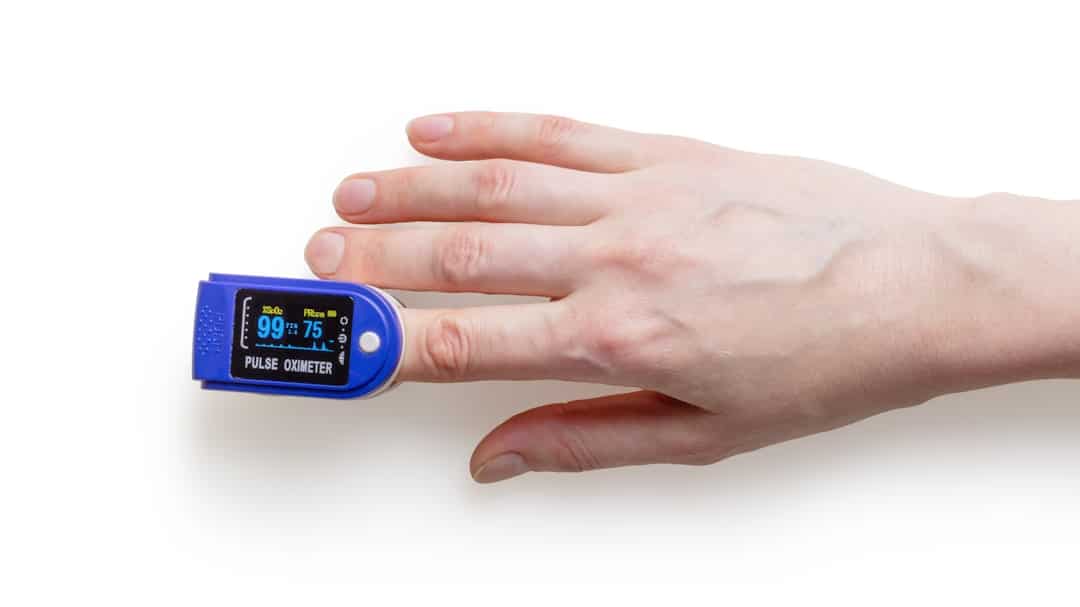
Blood pressure is a critical indicator of cardiovascular health, reflecting the force exerted by circulating blood against the walls of blood vessels. It is expressed in millimeters of mercury (mmHg) and is represented by two numbers: systolic and diastolic pressure. The systolic pressure, the first number, measures the pressure in the arteries when the heart beats and pumps blood.
The diastolic pressure, the second number, measures the pressure in the arteries when the heart rests between beats. A normal blood pressure reading is typically around 120/80 mmHg, while readings above this threshold can indicate varying degrees of hypertension, which can lead to serious health complications if left unmanaged. Hypertension, or high blood pressure, is often referred to as a “silent killer” because it frequently presents no symptoms until significant damage has occurred.
Chronic high blood pressure can lead to severe health issues such as heart disease, stroke, kidney failure, and vision loss. Understanding the factors that contribute to elevated blood pressure is essential for prevention and management. These factors can include genetics, age, lifestyle choices, and underlying health conditions.
Regular monitoring of blood pressure is crucial for early detection and intervention, allowing individuals to take proactive steps toward maintaining their cardiovascular health.
Key Takeaways
- Blood pressure is the force of blood against the walls of the arteries
- Lifestyle changes such as regular exercise and stress management can help lower blood pressure
- Dietary strategies like reducing sodium intake and increasing potassium-rich foods can help lower blood pressure
- Regular physical activity, such as brisk walking or swimming, can help lower blood pressure
- Stress management techniques like deep breathing and meditation can help lower blood pressure
Lifestyle Changes for Lowering Blood Pressure
Reducing Sodium Intake
High sodium consumption is linked to increased blood pressure, as it causes the body to retain fluid, which can elevate blood volume and pressure. The American Heart Association recommends limiting sodium intake to no more than 2,300 mg per day, with an ideal limit of 1,500 mg for those with hypertension or at risk for heart disease.
Maintaining a Healthy Weight
Excess body weight can strain the heart and increase blood pressure levels. Engaging in regular physical activity not only aids in weight management but also strengthens the heart muscle and improves circulation.
Incorporating Physical Activity into Daily Routines
Simple changes such as taking the stairs instead of the elevator, walking or biking instead of driving short distances, and incorporating more movement into daily routines can significantly contribute to lowering blood pressure over time.
Dietary Strategies for Lowering Blood Pressure
Diet plays a pivotal role in managing blood pressure levels. The DASH (Dietary Approaches to Stop Hypertension) diet is a well-researched eating plan specifically designed to combat high blood pressure. This diet emphasizes the consumption of fruits, vegetables, whole grains, lean proteins, and low-fat dairy products while minimizing saturated fats, cholesterol, and added sugars. By focusing on nutrient-dense foods rich in potassium, magnesium, and fiber, individuals can effectively lower their blood pressure. Incorporating foods high in potassium is particularly beneficial for those looking to manage hypertension.
Potassium helps balance sodium levels in the body and eases tension in blood vessel walls. Foods such as bananas, sweet potatoes, spinach, avocados, and beans are excellent sources of potassium. Additionally, omega-3 fatty acids found in fatty fish like salmon and mackerel have been shown to reduce inflammation and lower blood pressure.
By adopting a balanced diet rich in these nutrients, individuals can create a solid foundation for long-term cardiovascular health.
Exercise for Lowering Blood Pressure
| Exercise Type | Duration | Frequency | Effect on Blood Pressure |
|---|---|---|---|
| Aerobic Exercise | 30 minutes | 5 times per week | Reduces systolic and diastolic blood pressure |
| Strength Training | 20-30 minutes | 2-3 times per week | May help lower blood pressure over time |
| Yoga | 60 minutes | 3 times per week | May help reduce blood pressure and improve overall cardiovascular health |
Regular physical activity is a cornerstone of effective blood pressure management. Engaging in aerobic exercises such as walking, jogging, cycling, or swimming can lead to significant reductions in both systolic and diastolic blood pressure readings. The American Heart Association recommends at least 150 minutes of moderate-intensity aerobic exercise per week or 75 minutes of vigorous-intensity exercise.
This level of activity not only helps lower blood pressure but also improves overall cardiovascular fitness. Strength training is another valuable component of an exercise regimen for lowering blood pressure. Incorporating resistance exercises at least two days a week can enhance muscle strength and endurance while also contributing to weight management.
Activities such as lifting weights or using resistance bands can be effective in building muscle mass, which in turn can help regulate blood pressure levels. It’s important to note that individuals should consult with healthcare professionals before starting any new exercise program, especially if they have existing health conditions or concerns.
Stress Management Techniques for Lowering Blood Pressure
Chronic stress is a significant contributor to elevated blood pressure levels. When individuals experience stress, their bodies release hormones such as adrenaline and cortisol that temporarily increase heart rate and constrict blood vessels, leading to higher blood pressure. Therefore, implementing effective stress management techniques is essential for maintaining healthy blood pressure levels.
Mindfulness practices such as meditation and yoga have gained popularity for their ability to promote relaxation and reduce stress. Mindfulness meditation encourages individuals to focus on the present moment while acknowledging their thoughts and feelings without judgment. This practice has been shown to lower stress levels and improve emotional well-being.
Similarly, yoga combines physical postures with breathing exercises and meditation, promoting relaxation while enhancing flexibility and strength. Regular participation in these activities can lead to a more balanced emotional state and contribute to lower blood pressure over time.
Natural Supplements for Lowering Blood Pressure

In addition to lifestyle changes and dietary strategies, certain natural supplements may aid in lowering blood pressure. One of the most studied supplements is omega-3 fatty acids, commonly found in fish oil. Research indicates that omega-3s can help reduce inflammation and improve heart health by lowering triglyceride levels and potentially decreasing blood pressure.
Individuals who do not consume enough fatty fish may consider omega-3 supplements after consulting with their healthcare provider. Another supplement that has garnered attention is Coenzyme Q10 (CoQ10), a compound that plays a vital role in energy production within cells. Some studies suggest that CoQ10 supplementation may lead to modest reductions in systolic and diastolic blood pressure levels.
While these supplements may offer benefits, it is essential for individuals to discuss their use with healthcare professionals to ensure safety and efficacy.
Breathing Techniques for Lowering Blood Pressure
Breathing techniques are powerful tools for managing stress and promoting relaxation, which can ultimately help lower blood pressure. Deep breathing exercises encourage individuals to focus on their breath while engaging the diaphragm rather than shallow chest breathing. This practice activates the body’s relaxation response, reducing heart rate and promoting a sense of calmness.
One effective technique is diaphragmatic breathing, where individuals inhale deeply through their nose while allowing their abdomen to expand fully. This is followed by a slow exhale through pursed lips or the nose. Practicing this technique for just a few minutes each day can lead to significant reductions in stress levels and improvements in overall well-being.
Other methods such as progressive muscle relaxation combine deep breathing with systematic muscle tension release, further enhancing relaxation and potentially lowering blood pressure.
Medication Options for Lowering Blood Pressure
For some individuals, lifestyle changes alone may not be sufficient to manage high blood pressure effectively. In such cases, healthcare providers may prescribe antihypertensive medications tailored to the individual’s specific needs and health profile. There are several classes of medications available for treating hypertension, including diuretics, ACE inhibitors, angiotensin II receptor blockers (ARBs), calcium channel blockers, and beta-blockers.
Diuretics work by helping the body eliminate excess sodium and fluid through urine production, thereby reducing blood volume and lowering blood pressure. ACE inhibitors block the formation of angiotensin II—a hormone that constricts blood vessels—leading to relaxed vessels and decreased blood pressure. ARBs serve a similar purpose by blocking the action of angiotensin II at its receptor sites.
Calcium channel blockers prevent calcium from entering heart and blood vessel cells, leading to relaxed muscles and lower blood pressure levels. Beta-blockers reduce heart rate and the force of contraction of the heart muscle itself.
Monitoring and Tracking Blood Pressure
Regular monitoring of blood pressure is essential for individuals managing hypertension or those at risk for developing high blood pressure. Home monitoring devices allow individuals to track their readings conveniently and accurately over time. Keeping a log of these readings can help identify patterns or triggers that may contribute to fluctuations in blood pressure.
Healthcare providers often recommend measuring blood pressure at different times throughout the day to obtain a comprehensive understanding of an individual’s baseline levels. It’s important to follow proper techniques when measuring blood pressure at home—such as sitting quietly for a few minutes before taking a reading and ensuring that the cuff fits properly—to ensure accurate results. By actively monitoring their blood pressure, individuals can make informed decisions about lifestyle changes or medication adjustments in collaboration with their healthcare team.
Seeking Professional Help for Lowering Blood Pressure
While many individuals can manage their blood pressure through lifestyle changes and self-care strategies, seeking professional help is crucial for those with persistent hypertension or related health concerns. Healthcare providers can offer personalized guidance based on an individual’s medical history, current health status, and specific risk factors. Regular check-ups with a primary care physician or cardiologist are essential for monitoring progress and adjusting treatment plans as needed.
In some cases, referrals to specialists such as dietitians or certified exercise physiologists may be beneficial for developing tailored dietary or exercise programs aimed at lowering blood pressure effectively.
Tips for Maintaining Lower Blood Pressure
Once individuals have successfully lowered their blood pressure through various strategies, maintaining those levels becomes paramount for long-term health benefits. Consistency is key; adhering to dietary recommendations while continuing regular physical activity will help sustain improvements over time. Setting realistic goals—such as gradually increasing exercise duration or incorporating more fruits and vegetables into meals—can foster lasting change.
Additionally, staying informed about one’s health status through regular check-ups and monitoring can empower individuals to take charge of their cardiovascular health proactively. Engaging in community support groups or educational programs focused on hypertension management can provide motivation and accountability while fostering connections with others facing similar challenges. By integrating these strategies into daily life—whether through mindful eating practices or consistent exercise routines—individuals can create a sustainable approach to maintaining healthy blood pressure levels while enhancing overall well-being.
If you are looking for ways to lower your blood pressure quickly, you may want to consider incorporating Vitastir Semaglutide into your routine. This comprehensive guide to its effects from