

High blood pressure, or hypertension, is often referred to as a silent killer due to its asymptomatic nature. Many individuals may be unaware that their blood pressure levels are elevated until they experience serious health complications.
The significance of managing blood pressure cannot be overstated, as prolonged hypertension can lead to severe cardiovascular issues, including heart attacks, strokes, and kidney failure.
The World Health Organization estimates that hypertension contributes to approximately 7.5 million deaths annually, underscoring the critical need for awareness and proactive management. Lowering blood pressure is not merely about avoiding the immediate risks associated with high readings; it is also about enhancing overall health and quality of life. Effective management can lead to improved energy levels, better cognitive function, and a reduced risk of chronic diseases.
Furthermore, individuals who successfully lower their blood pressure often report enhanced emotional well-being and a greater sense of control over their health. This holistic approach to managing blood pressure emphasizes the importance of lifestyle changes and regular monitoring, which can empower individuals to take charge of their cardiovascular health.
Key Takeaways
- Lowering blood pressure is important for overall heart health and reducing the risk of heart disease and stroke.
- A diet rich in fruits, vegetables, and whole grains can help lower blood pressure.
- Regular exercise, such as brisk walking or swimming, can contribute to a healthier heart and lower blood pressure.
- Stress management techniques like deep breathing, meditation, and yoga can help lower blood pressure.
- Limiting alcohol and caffeine intake can help lower blood pressure and improve overall heart health.
The Role of Diet in Lowering Blood Pressure
The DASH Diet: A Proven Approach
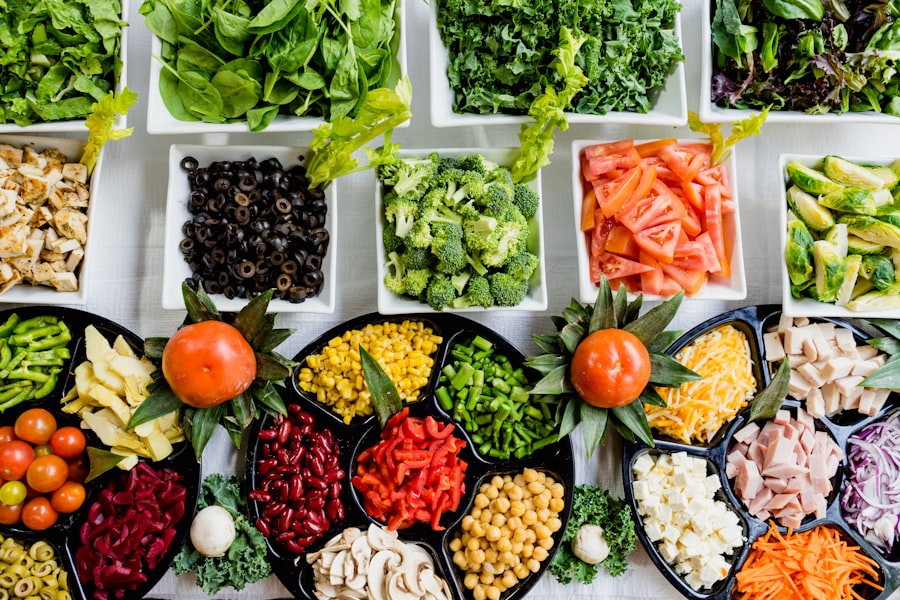
The Dietary Approaches to Stop Hypertension (DASH) diet is a well-researched eating plan specifically designed to combat high blood pressure. This diet emphasizes the consumption of fruits, vegetables, whole grains, lean proteins, and low-fat dairy while minimizing saturated fats, cholesterol, and sodium.
Nutrients with a Profound Impact
Research has shown that individuals adhering to the DASH diet can experience significant reductions in their blood pressure readings within just a few weeks. Incorporating specific nutrients into one’s diet can also have a profound impact on blood pressure. For instance, foods rich in omega-3 fatty acids, such as fatty fish (salmon, mackerel), walnuts, and flaxseeds, have been linked to lower blood pressure levels.
A Balanced Diet for Sustainable Results
Additionally, antioxidants found in berries and dark chocolate can improve endothelial function and promote vascular health. By focusing on a balanced diet that prioritizes these beneficial foods, individuals can create a sustainable approach to managing their blood pressure while enjoying a variety of delicious meals.
Incorporating Exercise into Your Routine for a Healthier Heart
Regular physical activity is another cornerstone in the fight against high blood pressure. Engaging in aerobic exercises such as walking, jogging, cycling, or swimming can lead to significant improvements in cardiovascular health. The American Heart Association recommends at least 150 minutes of moderate-intensity aerobic exercise per week for adults.
This level of activity not only helps lower blood pressure but also strengthens the heart muscle, improves circulation, and enhances overall fitness. Moreover, resistance training can also contribute positively to blood pressure management. Incorporating strength training exercises into one’s routine at least twice a week can help build muscle mass and improve metabolic health.
Studies have shown that individuals who engage in both aerobic and resistance training experience greater reductions in blood pressure compared to those who only focus on one type of exercise. By creating a balanced exercise regimen that includes both aerobic and strength-building activities, individuals can maximize their heart health benefits while enjoying the process of becoming more active.
Stress Management Techniques for Lowering Blood Pressure
| Technique | Description | Effectiveness |
|---|---|---|
| Deep Breathing | Focusing on slow, deep breaths to calm the body and mind | High |
| Progressive Muscle Relaxation | Tensing and then relaxing different muscle groups to release tension | Medium |
| Mindfulness Meditation | Practicing present-moment awareness and acceptance | High |
| Yoga | Combining physical postures, breathing exercises, and meditation | High |
| Healthy Diet | Eating a balanced diet with less sodium and more fruits and vegetables | High |
Chronic stress is a significant contributor to elevated blood pressure levels. When faced with stressors, the body releases hormones such as adrenaline and cortisol, which can lead to temporary spikes in blood pressure. Over time, this constant state of heightened alertness can result in sustained hypertension.
Therefore, implementing effective stress management techniques is crucial for maintaining healthy blood pressure levels. Mindfulness practices such as meditation and yoga have gained popularity for their ability to reduce stress and promote relaxation. Research indicates that individuals who regularly practice mindfulness techniques experience lower blood pressure readings and improved emotional well-being.
Additionally, engaging in hobbies or activities that bring joy—such as gardening, painting, or playing music—can serve as effective outlets for stress relief. By prioritizing mental health and incorporating stress-reducing activities into daily life, individuals can create a more balanced lifestyle that supports healthy blood pressure levels.
The Impact of Alcohol and Caffeine on Blood Pressure
The consumption of alcohol and caffeine can have varying effects on blood pressure, making it essential for individuals to understand their personal limits. Moderate alcohol consumption has been associated with some cardiovascular benefits; however, excessive intake can lead to increased blood pressure levels. The American Heart Association defines moderate drinking as up to one drink per day for women and up to two drinks per day for men.
Individuals with hypertension should be particularly cautious about their alcohol consumption and consider reducing intake or abstaining altogether. Caffeine’s relationship with blood pressure is more complex. While some studies suggest that caffeine may cause temporary spikes in blood pressure, particularly in those who are sensitive to it or consume it infrequently, other research indicates that regular coffee drinkers may develop a tolerance over time.
It is advisable for individuals with high blood pressure to monitor their caffeine intake and observe how it affects their readings. By being mindful of both alcohol and caffeine consumption, individuals can make informed choices that support their overall cardiovascular health.
The Benefits of Getting an Adequate Amount of Sleep

Sleep’s Crucial Role in Blood Pressure Management
Getting adequate sleep is essential for overall health and well-being, including the regulation of blood pressure. Research has shown that individuals who consistently get less than seven hours of sleep per night are at an increased risk for developing hypertension.
### The Impact of Sleep Deprivation on Blood Pressure
Sleep deprivation can lead to hormonal imbalances that affect the body’s ability to regulate stress and maintain healthy blood pressure levels. Establishing a consistent sleep routine can significantly improve sleep quality and duration. This includes creating a calming bedtime environment, limiting screen time before bed, and practicing relaxation techniques such as deep breathing or gentle stretching.
### Addressing Sleep Disorders for Effective Blood Pressure Management
Additionally, addressing sleep disorders such as sleep apnea is crucial for those struggling with high blood pressure. By prioritizing adequate sleep and addressing any underlying sleep issues, individuals can enhance their overall health while effectively managing their blood pressure.
Natural Supplements and Herbs for Lowering Blood Pressure
In addition to lifestyle changes, certain natural supplements and herbs have been studied for their potential benefits in lowering blood pressure. For instance, garlic has long been recognized for its cardiovascular benefits; studies suggest that garlic extract may help reduce systolic and diastolic blood pressure in individuals with hypertension. Similarly, omega-3 fatty acids from fish oil supplements have been shown to have a positive impact on heart health by reducing inflammation and improving endothelial function.
Other natural options include hibiscus tea, which has been linked to lower blood pressure readings in several studies due to its diuretic properties and ability to relax blood vessels. Coenzyme Q10 (CoQ10) is another supplement that has garnered attention for its potential role in lowering blood pressure by improving mitochondrial function within cells. While these natural remedies may offer benefits, it is essential for individuals to consult with healthcare professionals before starting any new supplement regimen to ensure safety and efficacy.
The Importance of Monitoring Your Blood Pressure Regularly
Regular monitoring of blood pressure is vital for anyone concerned about hypertension or cardiovascular health. Home blood pressure monitors are widely available and provide an accessible way for individuals to track their readings over time. Keeping a log of these measurements can help identify patterns or triggers related to lifestyle changes or stressors that may affect blood pressure levels.
Healthcare professionals often recommend regular check-ups to assess overall cardiovascular health and adjust treatment plans as necessary. For those diagnosed with hypertension, consistent monitoring allows for timely interventions if readings become elevated. Additionally, understanding one’s own blood pressure trends empowers individuals to take proactive steps toward managing their health effectively.
Tips for Reducing Sodium Intake in Your Diet
Sodium intake is closely linked to high blood pressure; therefore, reducing sodium consumption is a critical step in managing hypertension. The American Heart Association recommends limiting sodium intake to no more than 2,300 milligrams per day, with an ideal target of 1,500 milligrams for those with high blood pressure or at risk for cardiovascular disease. One effective strategy for reducing sodium intake is to focus on whole foods rather than processed options, which often contain high levels of hidden sodium.
Reading food labels is essential when shopping for groceries; individuals should look for low-sodium or no-salt-added options whenever possible. Cooking at home allows for greater control over sodium content; using herbs and spices as flavor enhancers instead of salt can make meals both delicious and heart-healthy. Additionally, being mindful when dining out—such as asking for dressings or sauces on the side—can help manage sodium intake while still enjoying meals away from home.
The Role of Potassium and Magnesium in Lowering Blood Pressure
Potassium and magnesium are two essential minerals that play significant roles in regulating blood pressure levels. Potassium helps balance sodium levels in the body; higher potassium intake has been associated with lower blood pressure readings due to its ability to relax blood vessel walls and promote proper kidney function. Foods rich in potassium include bananas, sweet potatoes, spinach, avocados, and beans.
Magnesium also contributes positively to cardiovascular health by helping regulate muscle function—including the muscles surrounding blood vessels—and supporting healthy nerve function. A diet rich in magnesium may help prevent hypertension by promoting relaxation within the vascular system. Foods such as nuts (especially almonds), seeds (pumpkin seeds), whole grains (brown rice), and leafy greens (kale) are excellent sources of magnesium.
By ensuring adequate intake of these minerals through diet or supplementation when necessary, individuals can support their efforts in managing blood pressure effectively.
Seeking Professional Help for Managing High Blood Pressure
While lifestyle changes can significantly impact blood pressure management, seeking professional help is crucial for those struggling with hypertension or related health issues. Healthcare providers can offer personalized guidance based on individual health profiles and may recommend medications if lifestyle modifications alone are insufficient in controlling high blood pressure. Regular consultations with healthcare professionals allow for ongoing assessment of one’s condition and adjustments to treatment plans as needed.
Additionally, specialists such as dietitians or certified personal trainers can provide tailored advice on nutrition and exercise regimens that align with individual goals and preferences. By collaborating with healthcare professionals, individuals can create comprehensive strategies that address all aspects of their health while effectively managing high blood pressure over the long term.
Lowering blood pressure is crucial for overall health and well-being. One way to achieve this is through lifestyle changes, such as diet and exercise. However, for some individuals, medication may be necessary to effectively lower blood pressure. In a related article, Dr. Devell Young from Albany, GA, is highlighted as a trusted medical professional who can provide guidance on managing hypertension and other health concerns. To learn more about Dr. Young and his approach to healthcare, visit here.
FAQs
What is blood pressure?
Blood pressure is the force of blood pushing against the walls of the arteries as the heart pumps blood. It is measured in millimeters of mercury (mmHg) and is recorded as two numbers: systolic pressure (the top number) over diastolic pressure (the bottom number).
What is considered high blood pressure?
High blood pressure, also known as hypertension, is when the force of blood against the artery walls is consistently too high. A blood pressure reading of 130/80 mmHg or higher is considered high.
How can I lower my blood pressure?
There are several lifestyle changes that can help lower blood pressure, including maintaining a healthy weight, exercising regularly, reducing sodium intake, limiting alcohol consumption, and managing stress. In some cases, medication may also be prescribed by a healthcare professional.
What are the risks of high blood pressure?
Untreated high blood pressure can lead to serious health issues such as heart disease, stroke, kidney damage, and other complications. It is important to monitor and manage blood pressure to reduce these risks.
Can diet affect blood pressure?
Yes, diet plays a significant role in blood pressure management. A diet rich in fruits, vegetables, whole grains, and low-fat dairy products, and low in saturated and trans fats can help lower blood pressure. Additionally, reducing sodium intake and increasing potassium intake can also have a positive impact on blood pressure.