
Hypertension, commonly referred to as high blood pressure, is a chronic medical condition characterized by elevated pressure in the arteries. This condition is often termed a “silent killer” because it typically presents no symptoms until significant damage has occurred to the cardiovascular system. Blood pressure is measured in millimeters of mercury (mmHg) and is expressed with two numbers: systolic pressure (the pressure in the arteries when the heart beats) over diastolic pressure (the pressure in the arteries when the heart rests between beats).
A normal reading is generally considered to be around 120/80 mmHg, while hypertension is diagnosed when readings consistently exceed 130/80 mmHg. The causes of hypertension can be multifaceted, ranging from genetic predisposition to lifestyle factors such as diet, physical activity, and stress levels. Primary hypertension, which accounts for the majority of cases, develops gradually over many years and is influenced by a combination of genetic and environmental factors.
Secondary hypertension, on the other hand, is often a result of an underlying condition such as kidney disease or hormonal disorders. Understanding these distinctions is crucial for effective management and treatment, as addressing the root cause can lead to better outcomes.
Key Takeaways
- Hypertension is a condition characterized by high blood pressure, which can lead to serious health complications if left untreated.
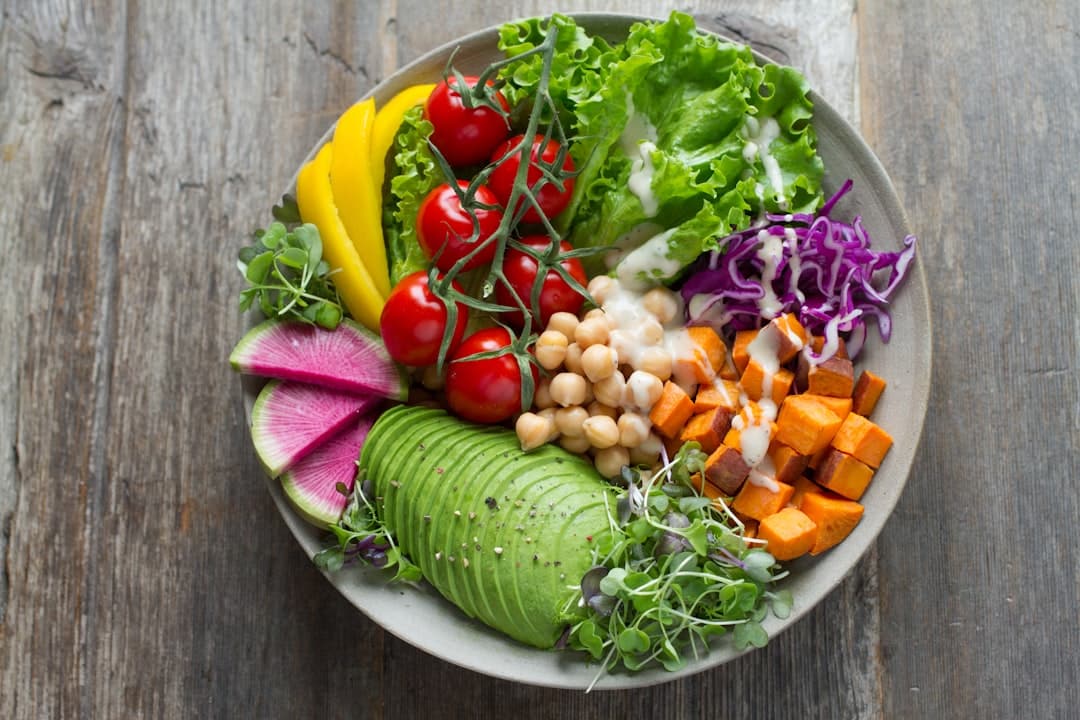
- A diet rich in fruits, vegetables, and whole grains, and low in saturated fats and cholesterol, can help lower blood pressure.
- Regular physical activity, such as brisk walking or swimming, can help lower blood pressure and improve overall cardiovascular health.
- Stress management techniques, such as deep breathing, meditation, and yoga, can help reduce blood pressure and promote relaxation.
- Limiting alcohol and caffeine intake can help lower blood pressure and reduce the risk of heart disease and stroke.
Diet and Nutrition for Lowering Blood Pressure
The DASH Diet: A Proven Approach
The Dietary Approaches to Stop Hypertension (DASH) diet is one of the most well-researched dietary patterns designed specifically for managing hypertension. It emphasizes the consumption of fruits, vegetables, whole grains, lean proteins, and low-fat dairy while reducing saturated fats and cholesterol.
Fighting Oxidative Stress and Inflammation
Incorporating foods rich in antioxidants, such as berries and leafy greens, can help combat oxidative stress and inflammation, both of which are linked to elevated blood pressure. Moreover, the balance of macronutrients is essential. A diet high in fiber not only aids digestion but also helps regulate blood sugar levels and maintain a healthy weight—factors that are crucial for blood pressure control.
Practical Dietary Changes
Foods such as oats, beans, and legumes are excellent sources of soluble fiber that can help lower cholesterol levels. Additionally, reducing processed foods that are often high in sodium can have an immediate positive effect on blood pressure readings. For example, swapping out canned soups for homemade versions allows for better control over salt content while still enjoying flavorful meals.
The Importance of Regular Exercise

Regular physical activity is another cornerstone in the management of hypertension. Engaging in aerobic exercises such as walking, jogging, cycling, or swimming can lead to significant reductions in blood pressure levels. The American Heart Association recommends at least 150 minutes of moderate-intensity aerobic exercise each week for optimal cardiovascular health.
Exercise helps strengthen the heart muscle, allowing it to pump blood more efficiently and reducing the force exerted on artery walls. In addition to aerobic activities, incorporating strength training exercises into one’s routine can also be beneficial. Resistance training not only builds muscle but can also improve insulin sensitivity and aid in weight management—both important factors in controlling blood pressure.
For instance, a study published in the Journal of Hypertension found that individuals who engaged in regular strength training experienced a notable decrease in systolic and diastolic blood pressure compared to those who did not participate in such activities. This highlights the multifaceted benefits of exercise beyond just weight loss.
Stress Management and Relaxation Techniques
| Technique | Effectiveness | Popularity |
|---|---|---|
| Mindfulness Meditation | High | Very popular |
| Deep Breathing | Moderate | Popular |
| Progressive Muscle Relaxation | High | Increasing in popularity |
| Yoga | High | Very popular |
Chronic stress is a significant contributor to hypertension, as it can lead to unhealthy coping mechanisms such as overeating or increased alcohol consumption. Therefore, effective stress management techniques are essential for maintaining healthy blood pressure levels. Mindfulness practices such as meditation and yoga have gained popularity for their ability to promote relaxation and reduce stress hormones like cortisol.
Engaging in these practices regularly can help individuals develop a greater sense of calm and resilience against daily stressors.
Additionally, deep breathing exercises can be an immediate tool for managing acute stress. Techniques such as diaphragmatic breathing or progressive muscle relaxation can lower heart rate and promote a sense of tranquility.
For example, taking a few minutes each day to focus on slow, deep breaths can activate the body’s relaxation response, counteracting the physiological effects of stress.
Incorporating these techniques into daily routines not only aids in blood pressure management but also enhances overall well-being.
Limiting Alcohol and Caffeine Intake
The consumption of alcohol and caffeine can have varying effects on blood pressure, making moderation essential for those managing hypertension. While moderate alcohol consumption may have some cardiovascular benefits, excessive intake can lead to increased blood pressure levels. The American Heart Association suggests limiting alcohol to no more than one drink per day for women and two drinks per day for men.
This moderation helps mitigate the risk of hypertension while still allowing individuals to enjoy social occasions. Caffeine’s impact on blood pressure is more complex; it can cause temporary spikes in blood pressure for some individuals, particularly those who are sensitive to its effects. Research indicates that habitual coffee drinkers may develop a tolerance over time, but it remains prudent for those with hypertension to monitor their caffeine intake.
Switching from caffeinated beverages to herbal teas or decaffeinated options can be beneficial. For instance, chamomile tea not only provides a caffeine-free alternative but also has calming properties that may further aid in stress reduction.
The Role of Medication in Lowering Blood Pressure

For many individuals with hypertension, lifestyle changes alone may not suffice to achieve optimal blood pressure control. In such cases, healthcare providers may prescribe antihypertensive medications tailored to the individual’s specific needs and health profile. There are several classes of medications available, including diuretics, ACE inhibitors, beta-blockers, calcium channel blockers, and angiotensin II receptor blockers (ARBs).
Each class works through different mechanisms to lower blood pressure and reduce cardiovascular risk. For example, diuretics help eliminate excess sodium and fluid from the body, which can lower blood volume and subsequently reduce blood pressure. On the other hand, ACE inhibitors work by relaxing blood vessels through the inhibition of angiotensin II production—a hormone that constricts blood vessels.
It is crucial for patients to work closely with their healthcare providers to find the most effective medication regimen while also considering potential side effects and interactions with other medications.
Monitoring and Managing Weight
Weight management is a critical component of hypertension control since excess body weight can increase strain on the heart and elevate blood pressure levels. The relationship between obesity and hypertension is well-documented; even modest weight loss can lead to significant improvements in blood pressure readings. For instance, losing just 5-10% of body weight has been shown to result in meaningful reductions in systolic and diastolic pressures.
To effectively manage weight, individuals should focus on creating a sustainable caloric deficit through a combination of dietary changes and increased physical activity. Keeping a food diary can help track caloric intake and identify patterns that may contribute to weight gain. Additionally, setting realistic goals—such as aiming for 1-2 pounds of weight loss per week—can foster a sense of achievement without leading to frustration or burnout.
Incorporating More Potassium and Magnesium in Your Diet
Potassium and magnesium are essential minerals that play vital roles in maintaining healthy blood pressure levels. Potassium helps balance sodium levels in the body; higher potassium intake is associated with lower blood pressure due to its ability to relax blood vessel walls. Foods rich in potassium include bananas, sweet potatoes, spinach, avocados, and beans.
Increasing potassium intake through dietary sources rather than supplements is generally recommended to avoid potential side effects. Magnesium also contributes to vascular health by helping regulate muscle contractions and promoting relaxation of blood vessels. Foods high in magnesium include nuts (especially almonds), seeds (like pumpkin seeds), whole grains, and leafy green vegetables.
Research has shown that adequate magnesium intake may help lower blood pressure among individuals with hypertension. Therefore, incorporating these minerals into daily meals can be an effective strategy for managing high blood pressure.
The Impact of Smoking on Blood Pressure
Smoking is one of the most detrimental lifestyle choices affecting cardiovascular health and is directly linked to increased blood pressure levels. The chemicals found in tobacco smoke cause immediate damage to blood vessels and lead to increased heart rate and arterial stiffness—factors that contribute significantly to hypertension. Moreover, smoking can interfere with the effectiveness of antihypertensive medications, making it even more challenging for individuals with high blood pressure to achieve their target levels.
Quitting smoking is one of the most impactful changes an individual can make for their health. Numerous resources are available to assist individuals in this endeavor, including counseling services, nicotine replacement therapies (such as patches or gum), and prescription medications designed to reduce cravings. The benefits of quitting smoking extend beyond just lowering blood pressure; it also reduces the risk of heart disease, stroke, and various cancers.
The Benefits of Limiting Sodium Intake
Sodium intake has long been associated with hypertension; excessive consumption can lead to fluid retention and increased blood volume, both of which elevate blood pressure levels. The American Heart Association recommends limiting sodium intake to no more than 2,300 mg per day for most adults, with an ideal limit of 1,500 mg for those with hypertension or at risk for heart disease. Reducing sodium intake can lead to significant improvements in blood pressure control.
To limit sodium consumption effectively, individuals should focus on fresh foods rather than processed options that often contain hidden salts. Cooking at home allows for better control over ingredients; using herbs and spices instead of salt can enhance flavor without compromising health. Reading food labels is also crucial; many packaged foods contain high levels of sodium even if they do not taste salty.
By being mindful of sodium intake and making conscious dietary choices, individuals can take significant steps toward managing their hypertension.
Seeking Support and Guidance from Healthcare Professionals
Managing hypertension often requires a multifaceted approach that includes lifestyle changes, medication adherence, and regular monitoring. Therefore, seeking support from healthcare professionals is essential for effective management. Primary care physicians play a critical role in diagnosing hypertension and developing personalized treatment plans tailored to individual needs.
Regular check-ups allow for ongoing assessment of blood pressure levels and adjustments to treatment strategies as necessary. In addition to physicians, other healthcare professionals such as dietitians or nutritionists can provide valuable guidance on dietary modifications that support blood pressure management. They can help create meal plans that align with individual preferences while ensuring adequate nutrient intake.
Furthermore, support groups or counseling services may offer emotional support for individuals struggling with lifestyle changes or coping with the psychological aspects of living with chronic hypertension. Engaging with a network of healthcare professionals fosters a comprehensive approach that empowers individuals to take charge of their health effectively.
If you are looking for ways to combat high blood pressure, you may also be interested in learning about the importance of regular health check-ups. Regular health check-ups can help monitor your blood pressure levels and identify any potential issues early on. To learn more about the benefits of regular health check-ups, check out this article on the importance of regular health check-ups.
FAQs
What is high blood pressure?
High blood pressure, also known as hypertension, is a condition where the force of blood against the walls of the arteries is consistently too high. This can lead to serious health problems such as heart disease, stroke, and kidney disease.
What are the causes of high blood pressure?
The exact cause of high blood pressure is often unknown, but several factors can contribute to its development, including genetics, unhealthy lifestyle choices, such as smoking and excessive alcohol consumption, and certain medical conditions like diabetes and kidney disease.
How can high blood pressure be combated?
High blood pressure can be combated through lifestyle changes such as maintaining a healthy diet low in sodium, engaging in regular physical activity, managing stress, and avoiding tobacco and excessive alcohol consumption. In some cases, medication may also be necessary to control high blood pressure.
What are the potential complications of high blood pressure?
If left untreated, high blood pressure can lead to serious health complications such as heart attack, stroke, heart failure, kidney failure, and vision loss. It is important to monitor and manage high blood pressure to reduce the risk of these complications.
How can high blood pressure be prevented?
High blood pressure can be prevented by adopting a healthy lifestyle that includes a balanced diet, regular physical activity, maintaining a healthy weight, managing stress, and avoiding tobacco and excessive alcohol consumption. Regular monitoring of blood pressure and seeking medical advice when necessary is also important for prevention.