
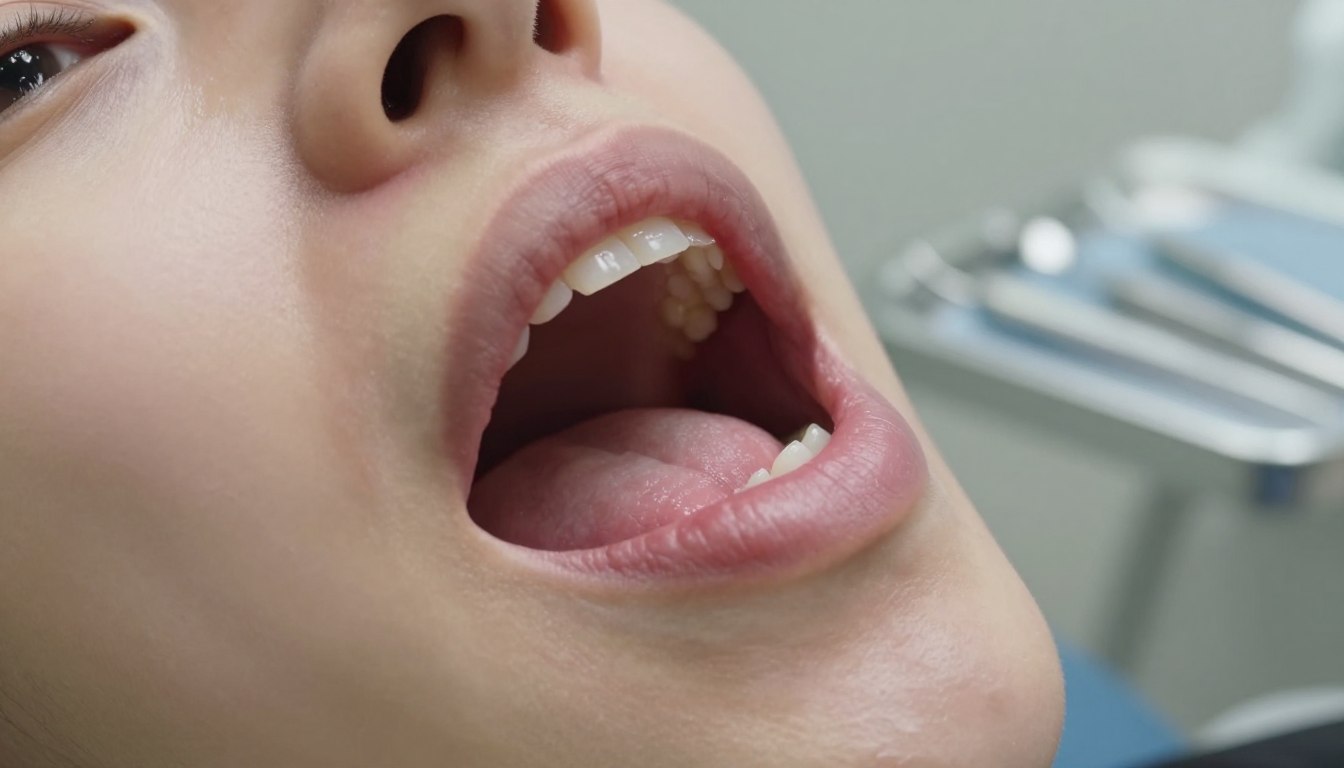
Why does a strange bump on your palate pop up when you least expect it? A lump at the roof of mouth can worry you, but knowing what causes it helps. It’s important to tell the difference between minor issues and serious health problems.
Most people find a palatal mass while eating or exploring their tongue. These bumps can be small or big, affecting your daily life. Cold sores, canker sores, and cysts are common causes. Each has its own signs to help figure out what’s going on.
About 27 out of every 1,000 people have torus palatinus. It’s a harmless bony growth on the hard palate, and its size varies. Some people live with it their whole lives without issues. Others might need surgery if it bothers their dentures or causes pain.
It’s important to know when a lump at the roof of mouth needs a doctor’s attention. Most bumps heal on their own in two weeks. But, if a sore bleeds or changes, see a doctor. Catching serious problems like oral cancer early can greatly improve treatment results.
Key Takeaways
- Most lumps on the palate are harmless and resolve without treatment
- Torus palatinus affects approximately 27 people per 1,000 population
- Bleeding or persistent sores lasting over two weeks need medical evaluation
- Common causes include canker sores, cold sores, and various types of cysts
- Bony growths may require surgical removal if they interfere with dentures
- Early detection of serious conditions improves treatment success rates
Understanding the Anatomy of the Mouth
The mouth is full of complex parts that help us eat, speak, and breathe. Each part has its own job to keep our mouth healthy. If you notice hard palate swelling, knowing about these parts can help spot problems early.
The Palate: Overview and Function
The palate is the roof of your mouth, dividing it from your nasal passages. It has two main parts. The hard palate is made of bone and tissue, while the soft palate is muscle and tissue.
Both parts have salivary glands that make saliva for digestion. These glands rarely get cancer, but it’s good to keep an eye on them. Behind your front teeth, you might find nasopalatine duct cysts. These growths are usually painless but can cause trouble if they get infected.
The Role of the Roof of the Mouth
The roof of your mouth is key for daily tasks. It shapes sounds for speech and keeps food out of your nose while eating. But, this area is sensitive and can get hurt easily:
- Burns from hot foods or drinks
- Cuts from sharp or hard foods
- Irritation from dental appliances
- Reactions causing a soft palate bump
Checking yourself regularly can catch changes early. Try running your tongue over the roof of your mouth to find any odd textures or bumps. If you find anything, see a doctor.
Common Causes of a Lump at the Roof of Mouth
Discovering a bump on your palate can be unsettling. But, most of these lumps are harmless and can be treated. They pop up for many reasons, like irritation or fluid buildup. Knowing why they happen helps you know when to get help and what to expect while you recover.
Oral Cysts: Types and Symptoms
Mucoceles are the most common type of palatal cyst. They happen when saliva gets trapped under the tissue. These bumps are round, dome-shaped, and can be clear or slightly blue. They range in size from 1 millimeter to 2 centimeters and feel soft and painless.
Some mucoceles go away on their own in days. Others stick around for months or even years without treatment.
Nasopalatine duct cysts form behind your front teeth in the incisive canal area. They grow slowly and usually don’t cause problems unless they get infected. If they do, you might see swelling, pain, or drainage. A simple procedure by an oral surgeon can remove them if they’re causing trouble.
Oral Fibromas: What to Know
Fibromas are firm, smooth lumps made of scar tissue. They form after repeated irritation, like from dentures that don’t fit right or sharp tooth edges. Cheek biting can also cause them. They’re harder than cysts and stay pink, matching the surrounding tissue.
Dental Abscess: Causes and Effects
Dental abscesses are painful, swollen lumps filled with pus. They happen when bacteria get into the tooth, usually from decay, gum disease, or trauma. These lumps are warm, tender, and might make you feel feverish or swollen on your face. You need to see a dentist right away to stop the infection from spreading.
Infections Leading to Lumps
Many infections can cause lumps in your mouth. These include viral and bacterial infections. They can lead to painful swellings and bumps on the palate. Knowing the symptoms helps figure out the infection and how to treat it.
Viral Infections: Herpes Simplex and More
The herpes simplex virus causes painful blisters in the mouth. These blisters start with a tingling feeling. They then form clusters that burst and crust over in two to three weeks. The virus is contagious during outbreaks.
Coxsackievirus leads to hand, foot, and mouth disease, mostly in kids under five. It causes painful red spots and blisters in the mouth. This usually goes away in seven to ten days without treatment.
Bacterial Infections: Identifying Symptoms
Group A Streptococcus causes strep throat. It creates tiny red spots called petechiae on the palate. These spots come with fever, throat pain, and swollen tonsils. An oral mucosal lump from a bacterial infection is tender and inflamed.
Oral thrush, caused by Candida albicans, has white patches like cottage cheese. These patches can be scraped off but leave red, bleeding areas. Patients may lose taste and have trouble swallowing. Risk factors include weakened immune systems, diabetes, and antibiotics.
Spotting infection symptoms early helps treat them quickly. Most viral infections get better on their own. Bacterial infections need medicine.
Allergic Reactions and Their Impact
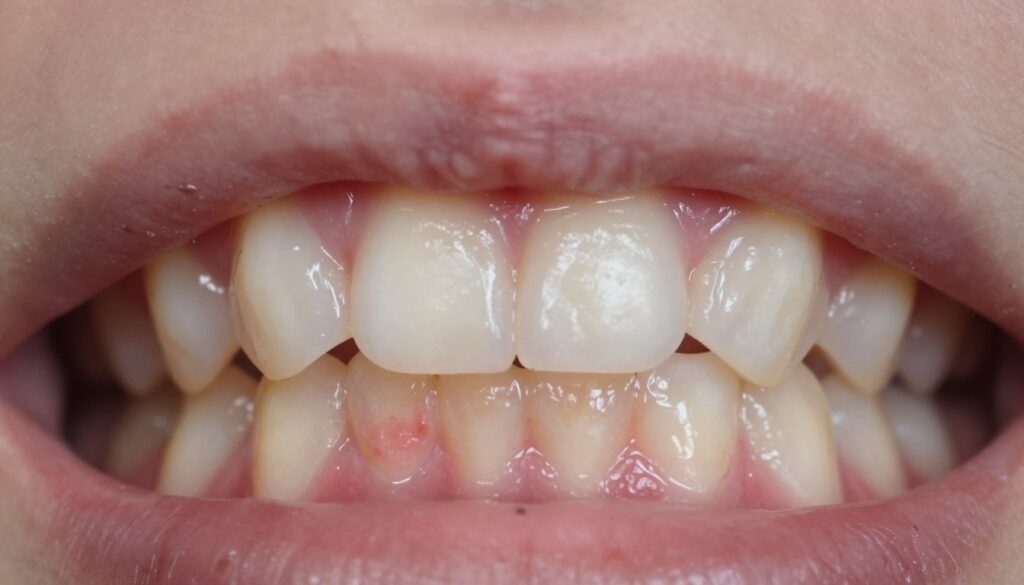
Allergic reactions in the mouth can cause swelling and bumps. Many people think these are torus palatinus. These reactions happen when your body reacts to certain foods or substances in your mouth.
The roof of your mouth is very sensitive. It touches everything you eat and drink.
Food Allergies: Symptoms and Diagnosis
Food allergies can make your mouth swell quickly. Common allergens include nuts, shellfish, dairy, and citrus fruits. Unlike torus palatinus, these bumps appear suddenly and may feel tingly.
Canker sores from food sensitivities look like round sores. They have white or yellow centers and red edges.
| Allergy Type | Common Symptoms | Duration |
|---|---|---|
| Mild Food Allergy | Small bumps, slight swelling | 2-7 days |
| Severe Food Allergy | Large sores, painful swelling | 2-4 weeks |
| Contact Allergy | Redness, burning sensation | 1-3 days |
Contact Reactions: What to Look For
Contact reactions occur when irritating substances touch your mouth. Toothpaste ingredients like sodium lauryl sulfate, certain mouthwashes, or dental materials can cause these reactions. Look for sudden redness, burning, or small bumps after using new oral care products.
These symptoms are different from torus palatinus. They appear quickly and go away when you stop using the irritating product.
When to Seek Medical Attention
A palatal mass needs careful watching to see if you need to see a doctor. Many lumps on the roof of the mouth are harmless. But, some signs mean you should get medical help right away. Knowing these signs helps keep you healthy and gets you the right treatment.
Warning Signs of Serious Conditions
Some symptoms mean you should see a doctor for your hard palate swelling. Look out for these important signs:
- Lumps that don’t get better in three weeks
- Masses that grow fast or change shape
- Open sores that bleed or don’t heal in two weeks
- White, gray, or bright red patches that feel smooth or velvety
- Severe pain when eating, drinking, or swallowing
- Bad breath that doesn’t go away with good oral care
- Hard time breathing or feeling like your airway is blocked
People who use tobacco are at higher risk for oral cancer. If you notice any palatal mass, get checked right away. Non-healing sores and irregularly shaped tissue patches are big red flags for cancer.
Importance of Timely Diagnosis
Spotting oral problems early makes treatment much better. Waiting too long can make things worse. Doctors can quickly figure out if it’s a simple cyst, infection, or something more serious.
| Timeframe | Action Required | Reason |
|---|---|---|
| Within 24 hours | Seek emergency care | Breathing difficulties or severe pain |
| Within 3 days | Schedule appointment | Bleeding sores or rapid growth |
| Within 2 weeks | Consult dentist | Persistent lumps or discomfort |
Diagnostic Procedures for Mouth Lumps
When a soft palate bump shows up, doctors have special ways to figure out what it is and why. They start with a close look and might use more detailed tests. Each test gives them clues about the growth in the mouth, helping them decide the best treatment.
Physical Examination Techniques
First, doctors look at the bump’s details. They check its color variations, like white, pink, red, or blue. They also feel its texture, which can be smooth, lumpy, or soft.
They measure the bump’s size too. They see if it’s one spot or if it covers more of the mouth. They press on it to see if it’s filled with fluid or mucus. How it feels when pressed can also give them clues.
Imaging Tests: X-Rays and Beyond
Dental X-rays can find problems that aren’t seen by just looking. They can spot extra teeth or teeth growing in the wrong place. X-rays help doctors see growths in the mouth.
| Imaging Type | What It Detects | When Used |
|---|---|---|
| Dental X-rays | Hidden teeth, bone abnormalities | Initial screening |
| CT Scan | Soft tissue detail, cyst structure | Complex cases |
| MRI | Blood vessel involvement | Vascular lesions |
If X-rays don’t give clear answers, doctors might suggest a biopsy. This is when they take a small piece of tissue for lab tests. It helps them know for sure what the bump is.
Treatment Options for Lumps in the Mouth
Choosing the right treatment for a mouth roof lesion depends on its cause and how big it is. Your dentist or doctor will suggest different treatments. This is based on whether the lump hurts, gets in the way of daily activities, or shows signs of infection. Treatments range from simple medicines to surgery.
Surgical Interventions: When Necessary
Surgery is often the best option for a big palatal cyst. Dentists might remove a torus palatinus if it stops dentures from fitting right. An infected nasopalatine duct cyst needs surgery to stop the infection from spreading.
Squamous papillomas need to be surgically removed if they cause problems or keep growing. Extra teeth from hyperdontia need to be taken out to avoid crowding and alignment issues. Most oral surgeries are done on an outpatient basis and use local anesthesia.
Non-Surgical Management Techniques
Many mouth roof issues can be treated with medicine. Painful canker sores heal faster with benzocaine products like Orabase. Cold sores caused by herpes simplex virus get better with valacyclovir (Valtrex), taken at the first sign of an outbreak.
Oral thrush needs antifungal medication applied directly to the affected areas for one to two weeks. Bacterial infections like strep throat need prescription antibiotics to clear the infection. Hand, foot, and mouth disease symptoms get better with medicated mouthwash to reduce discomfort.
Small mucoceles often go away without treatment. These fluid-filled sacs usually burst naturally while eating and heal on their own within days.
Home Remedies and Self-Care

Dealing with an oral mucosal lump at home can ease your discomfort. Simple remedies can help with minor mouth irritations. They work for small sores, minor burns, or even a benign torus palatinus.
Saltwater Rinses: Benefits and Instructions
Saltwater rinses are great for mouth problems. They help draw out fluid from swollen tissues and make it hard for bacteria to grow. Mix one teaspoon of salt in a cup of warm water and swish for 30 seconds before spitting out. Do this three to four times a day.
Hydrogen peroxide is another good option for mouth wounds. Mix equal parts water and 3% hydrogen peroxide solution. This helps clean the area and speed up healing.
Herbal Remedies: What Works?
Many herbs can help with mouth discomfort. Chamomile tea can be used as a rinse to reduce inflammation. Aloe vera gel can be applied directly to sores to help them heal faster. Clove oil has eugenol, which numbs pain when applied to the affected area.
| Remedy | Application | Frequency |
|---|---|---|
| Chamomile Tea Rinse | Swish cooled tea | 2-3 times daily |
| Aloe Vera Gel | Apply directly | 3-4 times daily |
| Clove Oil | Dab with cotton swab | As needed for pain |
While these remedies can help with an oral mucosal lump or irritated torus palatinus, see a dentist if problems persist. Natural treatments are good to use alongside professional care but should not replace a proper diagnosis.
Preventive Measures for Oral Health
Keeping your mouth healthy is key to avoiding palatal masses and other issues. Simple habits and regular dental visits are your best defense. These steps help protect millions of Americans from oral problems every year.
Good Oral Hygiene Practices
Good oral care is your first line of defense. Brush your teeth twice a day with fluoride toothpaste. Spend at least two minutes each time. Don’t forget to floss daily to clean between your teeth.
Here are some important habits to keep:
- Use an antimicrobial mouthwash like Listerine to kill bacteria
- Change your toothbrush every three months or after being sick
- Stay away from tobacco products that harm your mouth
- Be careful not to bite your tongue or cheek
- Manage stress with exercise or meditation to avoid canker sores
Regular Dental Check-ups
See your dentist every six months for early detection. They can catch problems like palatal masses before you even notice them. Professional cleanings also remove plaque that brushing can’t.
Dentists use X-rays to find hidden issues. They check for oral cancer, infections, and growths. If you wear dentures, make sure they fit right to avoid irritation and fibroma.
Early detection saves time, money, and prevents serious health problems.
Lifestyle Changes to Consider
Making simple changes in your daily life can help avoid hard palate swelling and other mouth issues. Choosing the right foods and managing stress are key to a healthy mouth. These steps help prevent irritation and growth in the oral cavity.
Diet Modifications for Oral Health
What you eat affects your mouth’s health. Stay away from very hot drinks like coffee or tea to avoid burns. Temperature awareness is key when starting to drink something hot.
Find and avoid foods that trigger allergic reactions to stop oral growth. Common culprits include nuts, shellfish, and some fruits. Quitting tobacco is also vital for your mouth’s health and to lower cancer risk.
| Food Category | Impact on Oral Health | Recommended Action |
|---|---|---|
| Citrus Fruits | Can irritate sensitive tissues | Limit intake if experiencing discomfort |
| Spicy Foods | May trigger inflammation | Reduce consumption during flare-ups |
| Dairy Products | Promotes healthy teeth | Include in balanced diet |
| Sugary Snacks | Feeds harmful bacteria | Replace with fresh vegetables |
Reducing Stress: Impact on Oral Conditions
Stress can make canker sores worse and lead to hard palate swelling. Exercise, enough sleep, and relaxation help keep stress down. Also, managing health issues can stop infections that cause pain.
Frequently Asked Questions
Many people with a soft palate bump or mouth roof lesion have questions. Knowing when to see a doctor and what it might mean helps. It reduces worry and helps choose the right treatment.
Can a Lump in the Mouth Be Cancerous?
Most mouth lumps are not cancer, but it’s always a possibility. Cancerous growths look different from usual bumps. A soft palate bump that doesn’t go away in three weeks could be a sign.
These bumps might be white, gray, or bright red. They grow fast, bleed easily, and make eating or speaking hard.
Torus palatinus is a common condition that looks like harmless bony growths. It can appear at birth or later in life. It doesn’t mean you have a disease. But, tobacco users should watch any mouth roof lesions closely because they have a higher risk of cancer.
How Long Should I Wait to See a Doctor?
The three-week rule is important for checking oral lesions. If a soft palate bump lasts more than three weeks, you should see a doctor right away. You should also see a doctor if you notice:
- Rapid growth or size changes
- Unexplained bleeding
- Difficulty swallowing or speaking
- Persistent pain or discomfort
- Numbness in surrounding tissues
Smokers and tobacco users should see a doctor sooner. Their risk of cancer is higher, so they need to watch any mouth roof lesions closely.
Conclusion: Importance of Awareness and Care
Finding a lump at the roof of your mouth can be scary. But knowing what causes it can help you feel better. Most of the time, these lumps are not serious and go away on their own.
Some lumps might be there from birth, like a torus palatinus. Others could be simple canker sores that heal in two weeks. But if you have a palatal cyst, you should see a doctor to figure out what to do next.
Key Takeaways for Oral Health
Going to the dentist regularly is key. Dentists like those at Aspen Dental or Delta Dental can spot problems early. Keeping your mouth clean by brushing and flossing helps prevent lumps.
By watching your mouth, you can catch issues before they get worse. If a lump lasts more than two weeks, it’s time to see a dentist.
Encouragement to Seek Professional Help
Getting help early makes treatment easier and more effective. Dentists can tell if you have a simple problem or something that needs more attention. Conditions like streptococcus infections or candidiasis can be treated if caught early.
Your dentist can check for serious problems and give you the right treatment. Whether it’s a palatal cyst or another issue, seeing a professional is the best way to take care of your health.