

The medial collateral ligament (MCL) is a crucial structure in the knee that plays a significant role in maintaining stability and proper function. This ligament runs along the inner side of the knee, connecting the femur (thigh bone) to the tibia (shin bone). Its primary function is to resist forces that push the knee inward, providing support during various activities such as walking, running, and jumping.
Understanding the anatomy and function of the MCL is essential for recognizing its importance in overall knee health and performance. As we engage in physical activities, the MCL is subjected to various stresses and strains. It is particularly vulnerable during sports that involve sudden changes in direction, jumping, or direct impacts to the knee.
When we understand how the MCL operates within the context of our movements, we can better appreciate the potential risks associated with injuries to this ligament. This knowledge empowers us to take proactive measures to protect our knees and maintain our physical well-being.
Key Takeaways
- The MCL (medial collateral ligament) is a band of tissue on the inner side of the knee that helps stabilize the joint.
- Common causes of MCL tears include sudden twisting or impact to the knee, often seen in sports like football or skiing.
- Symptoms of an MCL tear may include pain and swelling on the inner side of the knee, instability, and difficulty straightening the leg.
- Diagnosing an MCL tear may involve a physical examination, imaging tests like MRI, and possibly a stress test to assess the stability of the knee.
- Treatment options for MCL tears range from rest, ice, compression, and elevation (RICE) to bracing, physical therapy, and in severe cases, surgery.
Common Causes of MCL Tears
Direct Blows and Contact Sports
One of the most common causes is a direct blow to the outer side of the knee, which can happen during contact sports like football or basketball. When we experience such an impact, the force can cause the knee to buckle inward, leading to a strain or tear in the MCL.
Repetitive Stress and Chronic Overuse
In addition to acute injuries, repetitive stress on the knee can also contribute to MCL tears. Activities that involve frequent pivoting or twisting motions can gradually weaken the ligament over time. For instance, athletes who participate in sports like soccer or tennis may be at higher risk due to the nature of their movements.
Prevention and Minimizing Risk
Understanding these common causes allows us to be more mindful of our activities and take necessary precautions to minimize the risk of injury.
Symptoms of an MCL Tear
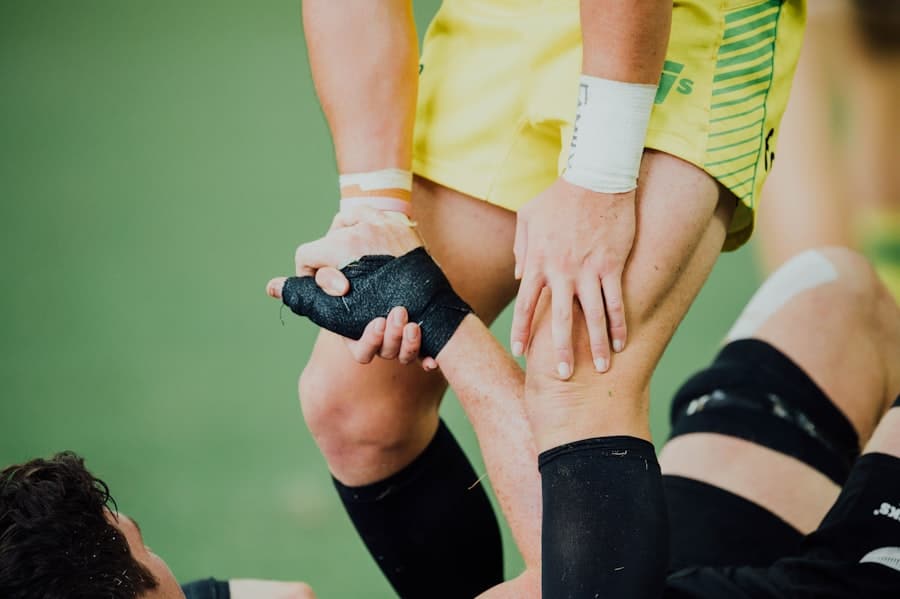
Recognizing the symptoms of an MCL tear is crucial for timely intervention and treatment. One of the most immediate signs we may experience is pain along the inner side of the knee, which can range from mild discomfort to severe pain depending on the extent of the injury. This pain often intensifies with movement or pressure on the affected area, making it challenging to perform everyday activities.
In addition to pain, swelling is another common symptom associated with MCL tears. We may notice that our knee appears swollen or feels warm to the touch shortly after the injury occurs. Instability in the knee joint is also a significant indicator; we might feel as though our knee is giving way or unable to support our weight properly.
By being aware of these symptoms, we can seek appropriate medical attention and begin our recovery journey more effectively.
Diagnosing an MCL Tear
When we suspect an MCL tear, it is essential to undergo a thorough diagnostic process to confirm the injury and assess its severity. Initially, a healthcare professional will conduct a physical examination, during which they will evaluate our range of motion, stability, and pain levels in the knee. They may perform specific tests, such as the valgus stress test, to determine if there is any laxity in the ligament.
In some cases, imaging studies may be necessary for a comprehensive diagnosis. An MRI (magnetic resonance imaging) scan is often utilized to visualize soft tissues like ligaments and can provide detailed information about the extent of the tear. By combining physical examination findings with imaging results, we can gain a clearer understanding of our injury and develop an appropriate treatment plan tailored to our needs.
Treatment Options for MCL Tears
The treatment options for MCL tears vary depending on the severity of the injury. For mild sprains (Grade I), conservative management is typically sufficient. This may include rest, ice application, compression, and elevation (RICE) to reduce swelling and alleviate pain.
Over-the-counter pain relievers can also help manage discomfort during this initial phase. For more severe tears (Grade II or III), additional interventions may be necessary. Physical therapy often plays a crucial role in rehabilitation, focusing on restoring strength and stability to the knee.
In some cases, bracing may be recommended to provide support during the healing process. Surgical intervention is generally reserved for complete tears or when conservative treatments fail to yield satisfactory results. By understanding these treatment options, we can make informed decisions about our recovery journey.
Recovery Process for an MCL Tear

The recovery process for an MCL tear can vary significantly based on the severity of the injury and individual factors such as age and overall health. For mild sprains, we may find that we can return to normal activities within a few weeks with proper care and rehabilitation. However, more severe tears may require several months of recovery time before we can resume high-impact activities.
During recovery, it is essential for us to follow our healthcare provider’s recommendations closely. This may include adhering to a structured rehabilitation program that focuses on gradually increasing strength and flexibility in the knee. We should also be mindful of any signs of complications or setbacks during our recovery journey, as these may necessitate adjustments to our treatment plan.
Rehabilitation Exercises for MCL Tears
Rehabilitation exercises are a vital component of our recovery from an MCL tear. These exercises are designed to restore strength, flexibility, and stability in the knee joint while minimizing the risk of re-injury. Initially, we may focus on gentle range-of-motion exercises to prevent stiffness and promote healing.
Simple movements like heel slides or ankle pumps can help maintain mobility without placing excessive strain on the injured ligament. As we progress in our rehabilitation, we can gradually incorporate strengthening exercises targeting the muscles surrounding the knee. Exercises such as straight leg raises, quadriceps sets, and hamstring curls can help rebuild strength and support joint stability.
Balance training may also be introduced to enhance proprioception and coordination, which are crucial for preventing future injuries. By committing to a comprehensive rehabilitation program, we can optimize our recovery and return to our desired activities with confidence.
Preventing Future MCL Injuries
Preventing future MCL injuries requires a proactive approach that includes proper training techniques and conditioning programs. One effective strategy is to incorporate strength training exercises that target not only the quadriceps and hamstrings but also the hip muscles that play a role in stabilizing the knee joint. By building strength in these areas, we can enhance our overall stability and reduce our risk of injury during physical activities.
Additionally, we should prioritize flexibility training as part of our routine. Stretching exercises for the legs and hips can improve our range of motion and help prevent muscle imbalances that may contribute to knee injuries. Furthermore, practicing proper techniques during sports or physical activities—such as maintaining good body mechanics while pivoting or landing—can significantly reduce stress on the MCL.
By adopting these preventive measures, we can safeguard our knees and enjoy a more active lifestyle.
Returning to Physical Activity After an MCL Tear
Returning to physical activity after an MCL tear requires careful consideration and gradual progression. It is essential for us to listen to our bodies and avoid rushing back into high-impact sports too soon. We should consult with our healthcare provider or physical therapist before resuming activities to ensure that we have adequately healed and regained strength.
When we do return to physical activity, it is advisable to start with low-impact exercises that allow us to gauge our knee’s response without placing excessive strain on it. Activities such as swimming or cycling can be excellent options during this transitional phase. As we build confidence and strength, we can gradually reintroduce higher-impact sports while remaining vigilant for any signs of discomfort or instability.
Complications of an Untreated MCL Tear
Failing to address an MCL tear promptly can lead to several complications that may hinder our long-term knee health. One significant concern is chronic instability in the knee joint, which can result from inadequate healing or improper rehabilitation. This instability may increase our risk of developing further injuries not only to the MCL but also to other structures within the knee.
Additionally, untreated MCL tears can lead to long-term pain and discomfort that affects our quality of life. We may find ourselves avoiding certain activities or experiencing limitations in our daily routines due to persistent symptoms. By recognizing these potential complications early on and seeking appropriate treatment, we can mitigate risks and promote optimal recovery.
Seeking Professional Help for an MCL Tear
When faced with an MCL tear, seeking professional help is crucial for ensuring proper diagnosis and treatment. Healthcare providers specializing in sports medicine or orthopedics possess the expertise needed to evaluate our injury accurately and recommend appropriate interventions tailored to our specific needs. We should not hesitate to reach out for assistance if we experience symptoms consistent with an MCL tear or if we have concerns about our recovery process.
Early intervention can make a significant difference in our healing journey and help us return to our desired activities safely and effectively. By prioritizing professional guidance, we empower ourselves to take control of our health and well-being while minimizing potential complications associated with untreated injuries.
If you are recovering from an MCL tear, it is important to consider incorporating supplements into your diet to aid in the healing process. Glucomannan is a natural fiber supplement that has been shown to be effective in weight loss. To learn more about the benefits of Glucomannan as a weight loss supplement, check out this article.
FAQs
What is an MCL tear?
An MCL tear is an injury to the medial collateral ligament, which is a band of tissue on the inner side of the knee that connects the thigh bone to the shin bone.
What are the symptoms of an MCL tear?
Symptoms of an MCL tear may include pain and tenderness on the inner side of the knee, swelling, instability or a feeling of the knee giving way, and difficulty straightening the knee.
How is an MCL tear diagnosed?
An MCL tear is typically diagnosed through a physical examination, where the doctor will assess the stability and range of motion of the knee. Imaging tests such as X-rays or MRI may also be used to confirm the diagnosis.
What is the recovery process for an MCL tear?
The recovery process for an MCL tear involves rest, ice, compression, and elevation (RICE), as well as physical therapy to strengthen the muscles around the knee. In some cases, a brace or crutches may be used to support the knee during the healing process.
How long does it take to recover from an MCL tear?
The recovery time for an MCL tear can vary depending on the severity of the injury, but it typically takes 6-8 weeks for a mild MCL tear to heal, while a more severe tear may take several months to fully recover.
When can I return to physical activity after an MCL tear?
The timing for returning to physical activity after an MCL tear will depend on the individual’s recovery progress and the guidance of a healthcare professional. It is important to gradually reintroduce physical activity and sports to avoid re-injury.