
What if a sudden brain cancer diagnosis could lead to a story of resilience and hope? When a beloved singer faced an unexpected health crisis, his journey inspired millions.
In late 2023, he received a glioblastoma diagnosis. This is a rare and aggressive form of brain cancer. Emergency surgery followed, completely removing the tumor.
A second procedure was needed in early 2024 due to infection. He then underwent rigorous radiation and chemotherapy. These treatments wrapped up in October 2024.
Now, he gets MRIs every two months to check for recurrence. His latest scan in April 2025 came back clear. His three daughters have been a huge support throughout.
This two-time Grammy winner continues to stay positive. His family remains his strongest pillar. Fans worldwide cheer him on in his recovery.
Key Takeaways
- Emergency surgery in December 2023 successfully removed a brain tumor.
- A second surgery in January 2024 addressed post-operative infection complications.
- Radiation and chemotherapy treatments were completed in October 2024.
- Regular MRI scans every two months help monitor for any recurrence.
- His latest scan in April 2025 showed no signs of cancer.
- Strong family support, especially from his daughters, has been crucial.
- He maintains a positive outlook and continues to inspire fans globally.
Introduction: Michael Bolton’s Health Journey
A sudden medical crisis can change everything in an instant. For the acclaimed vocalist, this became reality when symptoms led to an urgent hospital visit.
Overview of the Brain Cancer Diagnosis
In late 2023, doctors discovered a mass during emergency surgery. The growth was identified as glioblastoma.
This type of brain cancer is both rare and aggressive. It often requires immediate and intensive treatment.
The discovery came as a complete shock. There were few warning signs before the emergency procedure.
Importance of Sharing Health Updates
Public figures have a unique connection with their supporters. Sharing personal struggles creates powerful bonds.
Transparency about medical battles helps educate others. It turns personal challenges into opportunities for awareness.
Fans worldwide have shown incredible support through messages and prayers. This global network provides strength during difficult times.
The two-time Grammy winner’s openness has inspired many facing similar battles. His journey highlights the importance of community support.
December 2023: Emergency Surgery and Diagnosis
Life can shift dramatically when unexpected medical events occur. The holiday season of 2023 brought such a moment for the celebrated artist.
What began as concerning symptoms quickly escalated into a critical situation. This led to an immediate hospital admission for evaluation.
The initial brain tumor discovery
Medical scans revealed an abnormal mass requiring urgent attention. Specialists determined immediate intervention was necessary.
The surgical team prepared for a complex procedure. Their expertise would be crucial for identifying the growth’s nature.
During the operation, surgeons confirmed the presence of a tumor. This discovery explained the previously unexplained symptoms.
Glioblastoma diagnosis revealed
Pathology results identified the growth as glioblastoma. This aggressive cancer type affects brain tissue directly.
Glioblastoma represents about 15% of all primary brain tumors. Its rapid growth makes early detection challenging.
Receiving this news was emotionally overwhelming for everyone involved. The diagnosis meant beginning an intense treatment journey immediately.
Successful complete tumor removal
The surgical team achieved a remarkable outcome during the procedure. They successfully removed the entire tumor mass.
Complete resection is rare for glioblastoma cases. This positive result provided a stronger foundation for subsequent treatments.
Recovery began immediately in the intensive care unit. Medical staff monitored vital signs closely around the clock.
Despite the challenging circumstances, the artist’s spirit remained strong. There were even moments of singing during early recovery.
| Glioblastoma Statistics | General Facts | Treatment Implications |
|---|---|---|
| Annual US diagnoses | Approximately 12,000 cases | High recurrence rate |
| Average age at diagnosis | 64 years | Requires multidisciplinary care |
| Five-year survival rate | Approximately 6.8% | Early intervention critical |
| Complete resection rate | Less than 30% of cases | Improves treatment outcomes |
This emergency surgery proved how crucial rapid response becomes with neurological conditions. The medical team’s precision made the difference between crisis and hope.
Family members gathered at the hospital providing constant support. Their presence offered comfort during those first difficult days.
The successful december 2023 operation marked just the beginning. But it established a foundation of hope for the challenging road ahead.
January 2024: Second Surgery and Complications
The path to recovery often includes unexpected turns. Just weeks after the initial procedure, new challenges emerged that required immediate medical attention.
What began as routine healing suddenly took a concerning turn. Medical staff noticed signs that demanded urgent intervention.
Post-operative infection concerns
Infections after brain operations present serious risks. The body’s natural defenses become compromised during recovery.
Doctors identified concerning symptoms that indicated infection. This complication required swift action to prevent further issues.
Medical teams implemented aggressive antibiotic treatments initially. When these measures proved insufficient, more decisive steps became necessary.
Additional brain surgery required
The january 2024 procedure addressed the infection directly. Surgeons worked carefully to clean the affected area.
This second brain surgery followed strict sterile protocols. The medical team focused on removing infected tissue completely.
Specialized equipment helped minimize additional trauma. The operation successfully controlled the spread of infection.
Recovery challenges after second procedure
Healing from multiple operations presented unique difficulties. Fatigue levels increased significantly during this time.
Mobility became more challenging than after the first surgery. Simple movements required assistance and careful supervision.
Cognitive functions also experienced temporary setbacks. Memory and concentration needed extra time to restore fully.
Family support proved crucial during these difficult weeks. Medical staff provided round-the-clock monitoring and care.
The emotional toll affected everyone involved. Yet resilience remained evident throughout the healing process.
“Facing multiple surgeries tests your spirit in ways you never expect. Each day becomes about small victories and gradual progress.”
Medical teams implemented comprehensive infection management protocols. Regular blood tests monitored inflammatory markers closely.
Intravenous antibiotics continued for several weeks post-operation. This aggressive approach prevented further complications.
The cancer treatment journey now included overcoming surgical setbacks. Each challenge strengthened the determination to heal completely.
This period highlighted the importance of expert medical care. It also showed how family support makes all the difference.
Despite these things, progress continued day by day. The medical team’s careful watch prevented any additional side effects.
This chapter in the health journey taught valuable lessons about patience. It also demonstrated incredible personal strength.
The latest update shows how these challenges were overcome. They became part of a larger story of recovery and hope.
Treatment Protocol: Radiation and Chemotherapy
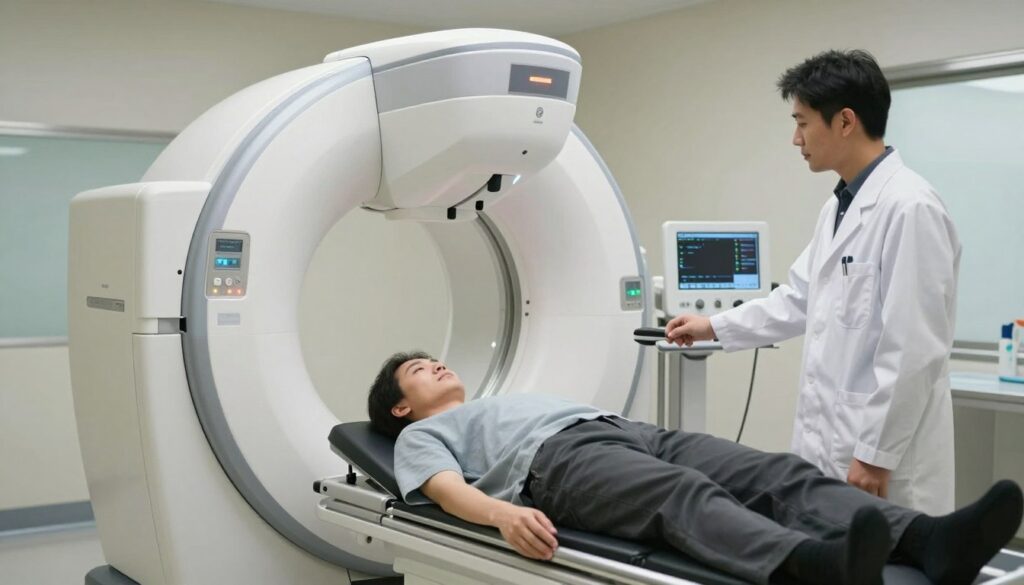
Modern cancer care combines multiple approaches for the best outcomes. After successful surgeries, the focus shifted to preventing recurrence through advanced medical interventions.
Comprehensive cancer treatment approach
Glioblastoma requires a multi-pronged attack strategy. Radiation therapy uses high-energy beams to destroy remaining cancer cells.
Chemotherapy medications travel through the bloodstream. They target rapidly dividing cells throughout the body.
These treatments work together like a precision team. Radiation handles the local area while chemotherapy addresses potential spread.
Medical oncologists carefully calculated dosage and timing. Each session was tailored to maximize effectiveness while minimizing side effects.
October 2024: Completion of active treatment
The treatment journey spanned several challenging months. Fatigue became a constant companion during this period.
Cognitive changes sometimes made daily tasks difficult. Memory lapses and concentration issues were common temporary effects.
Family support proved invaluable throughout the process. Simple comforts and encouragement made difficult days more manageable.
Additional therapies complemented the medical protocol. Nutritional support and gentle exercise helped maintain strength.
“Completing active treatment feels like crossing a major finish line. It represents countless small victories and tremendous personal strength.”
The final therapy session in October 2024 marked a significant milestone. It symbolized transition from intensive treatment to vigilant monitoring.
Ongoing medical monitoring strategy
Regular MRI scans form the cornerstone of long-term care. These detailed images provide crucial information about brain health.
Scans occur every two months to detect any changes early. This frequent schedule allows for immediate intervention if needed.
The monitoring strategy focuses on prevention and early detection. It represents hope and progress in modern cancer care.
Clear scan results bring immense relief and validation. They demonstrate the effectiveness of the comprehensive treatment approach.
This ongoing vigilance ensures the best possible outcomes. It represents the careful balance between medical science and personal resilience.
Current Michael Bolton Health Update and Monitoring
Staying ahead of potential challenges requires constant vigilance in cancer care. The monitoring phase represents hope and progress in modern medicine.
Regular MRI scans every two months
Consistent monitoring forms the backbone of long-term care. Medical teams schedule detailed scans every two months to track brain activity.
This frequent schedule allows for immediate detection of any changes. Early intervention becomes possible when monitoring occurs this regularly.
The process involves advanced imaging technology that creates detailed pictures. These images help doctors see even the smallest alterations in tissue.
Recent clear scan results (April 2025)
The most recent check-up brought wonderful news for everyone involved. April 2025’s results showed no signs of tumor return or abnormal growth.
Clear scans bring immense emotional relief to patients and families alike. They represent milestones in the recovery journey worth celebrating.
Each positive result builds confidence in the treatment approach. It validates the difficult choices made during active care periods.
“Seeing that clear scan result feels like winning a major battle. It gives you the strength to keep fighting the larger war.”
Understanding glioblastoma recurrence rates
Glioblastoma carries a high recurrence rate that demands respect. Approximately 90% of cases experience some form of return over time.
This statistic makes ongoing monitoring absolutely essential. Regular checks provide the best chance for early detection and response.
Medical teams use this knowledge to create aggressive watch plans. They know that vigilance today prevents bigger problems tomorrow.
| Monitoring Aspect | Frequency | Purpose | Outcome |
|---|---|---|---|
| MRI Scans | Every 60 days | Detect early changes | Immediate intervention if needed |
| Blood Tests | Monthly | Monitor overall health | Adjust medications and supplements |
| Neurological Exams | With each scan | Assess cognitive function | Track recovery progress |
| Oncology Consultations | Quarterly | Review comprehensive care | Update long-term strategy |
Lifestyle adjustments support the medical monitoring efforts. Nutritional changes and stress reduction techniques help maintain overall wellness.
Physical activity remains carefully balanced with rest periods. The body needs both movement and recovery time to stay strong.
Mental health receives equal attention during this phase. Positive mindset practices help manage the anxiety that can accompany scan days.
Family support continues playing a crucial role in monitoring. Loved ones provide encouragement during appointments and celebrate good results.
The current michael bolton health update reflects careful management and hope. Each clear scan builds toward a brighter future despite statistical challenges.
This approach demonstrates how modern medicine combines technology with human spirit. It shows what’s possible when determination meets advanced care.
Family Support System: Daughters as Caregivers

When serious medical challenges arise, the strongest support often comes from those who know you best. The artist’s three daughters created an incredible care network that became his foundation during recovery.
Isa, Holly and Taryn’s caregiving roles
Isa, Holly, and Taryn stepped into caregiving roles with natural grace. Each sister brought unique strengths to support their father’s journey.
They understood his needs better than anyone else could. Their loving approach made difficult days more manageable.
Division of responsibilities among sisters
The sisters organized their support based on location and availability. This smart planning ensured constant care without overwhelming anyone.
Taryn made the biggest immediate change. She moved into her father’s home full-time to provide daily assistance.
Isa committed to three days each week at the house. She often brought her young sons along, adding joyful energy.
Holly traveled monthly from her California home. Her visits provided fresh perspective and extra hands when needed most.
Emotional and practical support provided
The daughters offered both emotional comfort and practical help. They managed medical appointments and coordinated with healthcare teams.
Simple things like preparing meals became acts of love. They created a peaceful environment for healing.
Their presence provided emotional stability during uncertain times. Laughter and conversation filled the home regularly.
“Having my girls with me through this journey has been my greatest blessing. Their love gives me strength every single day.”
Caregiving required significant sacrifices from all three women. They balanced their own lives while ensuring their father’s needs came first.
This experience deepened their family bonds in beautiful ways. Relationships transformed through shared challenges and triumphs.
| Caregiver | Time Commitment | Primary Responsibilities | Special Contributions |
|---|---|---|---|
| Taryn | Full-time residence | Daily care coordination | Constant emotional support |
| Isa | 3 days per week | Medical appointment management | Bringing grandchildren’s joy |
| Holly | Monthly visits | Hands-on assistance | Fresh perspective and energy |
The sisters’ coordinated efforts created a seamless support system. They proved that family love can overcome even the toughest challenges.
Their father often expresses deep gratitude for their dedication. This difficult journey has ultimately brought them closer than ever before.
Personal Changes and Recovery Challenges
Healing from major medical procedures often brings unexpected personal transformations. The journey back to normalcy involves navigating both physical and emotional adjustments that test one’s resilience.
Post-surgery personality changes
After the brain surgery, temporary personality shifts became noticeable. These changes affected how he interacted with loved ones, especially his young grandchildren.
His grandson initially felt scared during visits. The little boy noticed his grandfather’s different behavior and needed time to adjust.
This kind of reaction is common after neurological procedures. The brain needs time to reestablish its normal patterns and connections.
Impact on mobility and cognition
Physical movement became challenging during early recovery. Simple tasks required more effort and concentration than before.
Memory lapses and foggy thinking were frequent occurrences. Remembering names or recent events proved difficult at times.
These side effects made daily life more complicated. Family members helped with reminders and support for basic things.
“Recovery isn’t just about healing physically—it’s about rediscovering yourself piece by piece. The small victories matter most.”
Recovery of characteristic humor
Gradually, his trademark wit and warmth returned through dedicated effort. Physical therapy and yoga played crucial roles in this process.
The gentle movements of yoga helped restore both body and mind. Each session brought small improvements in flexibility and mental clarity.
His grandson eventually became comfortable again during visits. Their laughter-filled interactions signaled real progress in healing.
| Recovery Challenge | Initial Impact | Improvement Method | Current Status |
|---|---|---|---|
| Personality Changes | Temporary emotional distance | Family interaction & time | Fully restored |
| Mobility Issues | Limited movement capability | Physical therapy & yoga | Significantly improved |
| Cognitive Function | Memory and focus difficulties | Mental exercises & rest | Nearly complete recovery |
| Emotional Balance | Adjustment period needed | Support system & patience | Stable and positive |
The emotional journey affected everyone in the family. They learned to celebrate small improvements along the way.
Dedicated therapy sessions made a significant difference. Professional guidance helped navigate the toughest times.
Today, his playful spirit shines brightly again. The recovery process has given him renewed appreciation for life’s simple joys.
This experience changed how he views challenges and triumphs. Every day brings new opportunities for growth and connection.
Daily Life and Healing Practices
Integrating multiple wellness disciplines into everyday life creates a powerful foundation for sustainable recovery. Each day brings opportunities to strengthen both body and spirit through carefully chosen activities.
This structured approach helps maintain progress between medical appointments. It turns recovery into an active journey rather than a passive waiting period.
Yoga and physical therapy regimen
Gentle yoga forms the cornerstone of his daily movement practice. These sessions focus on restoring flexibility and balance affected by treatment.
Physical therapy addresses specific mobility challenges from surgery. Therapists create customized exercises that rebuild strength safely.
Both practices work together to improve overall physical function. They help manage discomfort while promoting natural healing processes.
Voice lessons and therapy sessions
Protecting his vocal instrument remains a top priority during recovery. Regular voice lessons help maintain technical precision and range.
Specialized therapy sessions address any strain or fatigue issues. These practices ensure his signature sound remains strong and clear.
This dual approach combines artistic expression with medical care. It honors both his professional identity and healing needs.
“The discipline of daily practice gives structure to recovery. Each session, whether voice work or yoga, represents another step forward.”
Meditation and personal training routine
Meditation provides mental clarity and emotional balance each day. This practice helps manage stress and maintain positive outlook.
Personal training sessions build functional strength for daily activities. Trainers adjust intensity based on energy levels and recovery progress.
These complementary practices support overall wellness from multiple angles. They address both inner peace and outer strength simultaneously.
The integration of these disciplines creates a comprehensive healing environment. Each activity supports the others in a synergistic way.
This structured approach to daily life has shown measurable benefits over time. Improved mood, better sleep, and increased energy are among the positive outcomes.
Maintaining this routine requires discipline but yields significant rewards. It represents an active partnership in the healing journey.
Family Dynamics and Quality Time
Serious health challenges often transform family connections in profound ways. The caregiving experience created new bonds that strengthened existing relationships.
Daily interactions took on deeper meaning during this period. Simple moments became opportunities for connection and understanding.
Redefined relationships with daughters
The caregiving journey shifted traditional parent-child dynamics. Adult daughters became partners in healing and recovery.
Conversations deepened beyond surface topics. They discussed fears, hopes, and dreams with new openness.
Mutual respect grew through shared challenges. Each person brought unique strengths to the situation.
This experience created adult friendships within the family. The bonds now feel more equal and reciprocal.
Grandchildren’s adjustment process
Six grandchildren experienced their own journey during this time. Younger children noticed changes in behavior initially.
Some felt hesitant during early visits. Their grandfather’s different energy required adjustment.
Patience and consistency helped them feel comfortable again. Regular interactions rebuilt familiarity and trust.
Now, laughter fills the room during family gatherings. The children enjoy their grandfather’s renewed playfulness.
“Watching my grandchildren overcome their fears taught me about resilience. Their unconditional love became my greatest medicine.”
Increased family meals and bonding activities
Shared meals became central to daily life during recovery. The family enjoyed more dinners together in two years than in previous decades.
These gatherings created space for meaningful conversation. Everyone checked in about their day and feelings.
New traditions emerged through regular activities. Game nights and movie marathons brought everyone closer.
Simple pleasures like board games created lasting memories. Trivia nights sparked friendly competition and laughter.
| Activity Type | Frequency | Participants | Special Meaning |
|---|---|---|---|
| Family Dinners | 4-5 times weekly | All generations | Daily connection time |
| Game Nights | Weekly | Adults & older children | Laughter and relaxation |
| Movie Nights | Bi-weekly | Whole family | Shared entertainment |
| Outdoor Activities | Weekends | All ages | Fresh air and movement |
These shared experiences strengthened family ties significantly. They created a support network that extends beyond the health journey.
The increased quality time brought unexpected silver linings. It transformed relationships in beautiful and permanent ways.
Caregiving presented challenges but also created profound joys. The daughters found meaning in their supportive roles.
This period emphasized the value of family support during difficult times. It showed how crises can deepen connections.
The experience created a new normal for everyone involved. It built foundations for continued closeness in coming years.
Gratitude and Fan Appreciation
Sometimes the most powerful medicine doesn’t come from a pharmacy. Throughout this challenging journey, an incredible wave of support has shown the true power of human connection.
Thousands of messages poured in from every corner of the world. Each card, email, and social media post carried genuine warmth and encouragement.
Bolton’s message to supporters
The artist shared a heartfelt video message during his recovery. His voice filled with emotion as he addressed the global community.
“I’ve read every message and felt every prayer,” he expressed. “Your kindness has been my light during the darkest days.”
He specifically mentioned how fan mail arrived at just the right moments. These deliveries often coincided with difficult treatment days.
Impact of fan messages and prayers
The collective energy from supporters created a tangible positive force. Medical staff noticed how his mood lifted after reading messages.
One particular day stands out in memory. During a particularly challenging chemotherapy session, a nurse brought in a basket of letters.
Reading those notes transformed the entire experience. The room felt lighter, and the treatment became more bearable.
“I may never meet most of these wonderful people, but their words sit with me in every treatment room. They’ve become my invisible support team.”
Recognition of global support network
Social media played a crucial role in maintaining this connection. Regular updates allowed fans to follow the journey authentically.
This transparency created a unique bond between artist and audience. Followers felt genuinely involved in the recovery process.
The global network demonstrated how we’re all connected despite distances. Strangers became friends through shared hope and concern.
| Support Type | Volume Received | Delivery Method | Notable Impact |
|---|---|---|---|
| Handwritten Letters | Over 5,000 | Physical Mail | Daily morale boost |
| Social Media Messages | 25,000+ | Digital Platforms | Instant connection |
| Video Tributes | 300+ | Online Sharing | Emotional encouragement |
| Community Prayer Groups | 50+ organized | Virtual & In-Person | Spiritual support |
This experience has raised significant awareness about brain cancer. Many fans have shared their own stories of medical challenges.
The reciprocal support has created a beautiful cycle of encouragement. Those who offered comfort now receive it in return.
This journey continues to inspire others facing similar battles. It shows how community strength complements medical treatment.
The final message remains one of deep gratitude and hope. The support network has become an enduring source of motivation.
Conclusion: Ongoing Journey and Future Outlook
Looking back at the remarkable journey from diagnosis to recovery reveals incredible strength and determination. This experience has reshaped priorities and deepened appreciation for life’s precious moments.
The path forward includes regular monitoring and adapting to new challenges. Each clear scan brings hope and reinforces the importance of staying positive.
Family support remains essential for navigating this journey. Their love provides strength during difficult times and celebrates every victory.
This experience teaches valuable lessons about resilience and gratitude. It shows how facing challenges can transform perspectives in meaningful ways.
The future looks bright with continued vigilance and cherished family connections. Each day represents new opportunities for healing and happiness.