
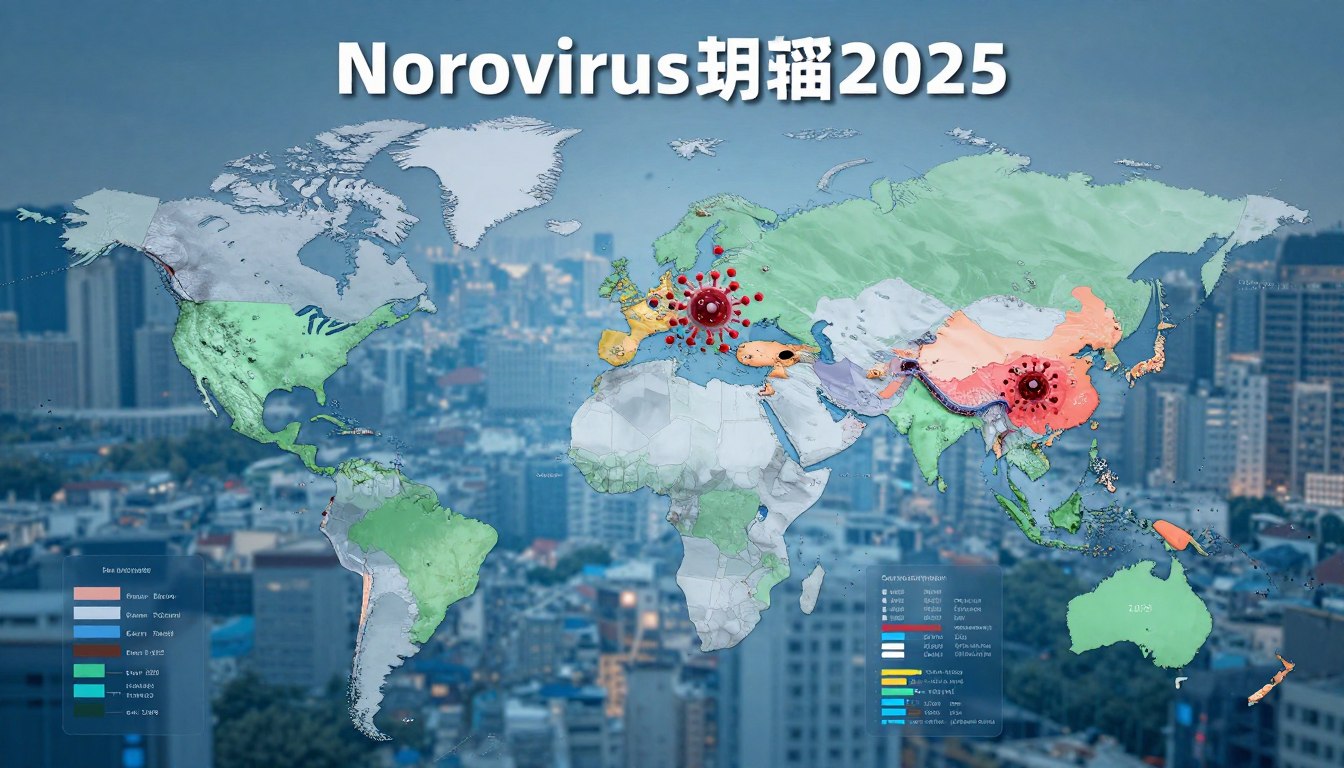
What if the most common stomach bug in America is also one of the most dangerous? While many dismiss it as a simple 24-hour illness, the reality is far more serious. Recent data reveals a troubling national health trend that demands our immediate attention.
According to WastewaterSCAN, levels of this highly contagious virus are currently high across the nation. A significant upward trend has been recorded over the last three weeks. The Midwest, South, and Northeast are experiencing the highest concentration of cases.
This isn’t just a seasonal nuisance. In the United States, this pathogen causes a staggering 19 to 21 million illnesses each year. It leads to hundreds of thousands of hospitalizations and claims hundreds of lives annually. Understanding this threat is the first step toward effective protection for you and your family.
Key Takeaways
- Nationwide virus levels are currently high and trending upward.
- Specific regions, including the Midwest and Northeast, are hotspots.
- The illness is extremely contagious and can affect anyone.
- Annual case numbers highlight its significant public health impact.
- Recognizing early symptoms is crucial for preventing spread.
- Practical guidance can empower you to reduce your risk.
Understanding Norovirus 2025 and Its Impact
The Caliciviridae family contains one of the most contagious viruses that targets the human digestive system. This pathogen specifically causes inflammation of the stomach and intestines, leading to acute gastroenteritis.
Overview of Norovirus Characteristics
This stomach bug enters the body and triggers swelling in the gastrointestinal tract. The inflammation stomach condition results in sudden vomiting and diarrhea.
Infected individuals shed billions of viral particles. Exposure to just 1-10 particles can cause infection. This explains the extreme contagiousness of the illness.
| Annual Impact in the US | Cases | Healthcare Visits | Fatalities |
|---|---|---|---|
| Total Illnesses | 19-21 million | – | – |
| Hospitalizations | – | 109,000 | – |
| Emergency Visits | – | 465,000 | – |
| Outpatient Visits | – | 2.7 million | – |
| Deaths | – | – | 900 |
Statistics and Public Health Insights
Norovirus 2025 represents a significant public health challenge. The virus causes nearly 60% of all foodborne illnesses in the United States.
Older adults face the highest risk. Most fatalities occur in people aged 65 and older. Understanding these statistics helps prioritize prevention efforts.
Latest Trends in Norovirus Outbreaks
Recent surveillance data reveals an alarming surge in gastrointestinal illness activity across the United States. Health monitoring systems show this season’s outbreak patterns differ significantly from historical trends.
Current Case Numbers and Geographic Hotspots
Between August 1 and December 11, 2024, public health officials documented 495 separate outbreaks. This represents a 36% increase compared to the same period in 2023. The acceleration is particularly concerning.
During the week ending December 5 alone, 91 outbreaks were recorded. This number more than doubles the typical outbreak counts from comparable weeks in previous years.
Comparisons with Previous Seasons
The current outbreak levels exceed ranges seen during both the 2012-2020 and 2021-2024 seasonal periods. Wastewater monitoring detected a 44% concentration increase from October to November.
| Seasonal Period | Outbreak Range | Current Status |
|---|---|---|
| 2012-2020 Average | Low to Moderate | Below Current Levels |
| 2021-2024 Average | Moderate | Below Current Levels |
| 2024-2025 Season | N/A | Above Historical Range |
Regional analysis shows the Midwest, South, and Northeast experiencing the highest transmission rates. Specific states including Alabama, Connecticut, and Florida show concentrated activity.
Recognizing Norovirus Symptoms and Risks
The onset of this gastrointestinal illness is often abrupt and unmistakable, marked by a cluster of specific symptoms. Quick identification is crucial for managing your health and protecting others from this highly contagious infection.
Common Symptoms and Duration
Primary symptoms include intense nausea, sudden vomiting, watery diarrhea, and stomach cramps. These signs typically appear within 12 to 48 hours after exposure.
Most people experience these uncomfortable symptoms for one to three days. The illness often resolves on its own. However, important differences exist between age groups.
Adults tend to experience more diarrhea. Children often vomit more frequently. Less common signs can include a mild fever, headache, or body aches.
When to Seek Medical Help
Watch closely for signs of dehydration, a serious complication. Key warnings include:
- Decreased urination or dark-colored urine
- Dry mouth, dizziness, or extreme weakness
- In children: crying without tears, unusual fussiness, or excessive sleepiness
Seek immediate medical care if symptoms last more than a few days. Also seek help if you notice blood in stool or vomit, or if signs of significant dehydration appear. Prompt action is vital for recovery.
Prevention Strategies and Disease Control
Stopping the spread of this highly contagious stomach illness requires a focused approach on a few key defense strategies. The most effective measures target the primary ways the pathogen moves from person to person.
Consistent hygiene and thorough cleaning form the foundation of protection for your entire family.
Effective Handwashing Techniques
Frequent handwashing with soap and water is your single best defense. This simple act physically lifts the viral particles off your skin and rinses them away.
You must scrub your hands for at least 20 seconds, especially after using the bathroom and before handling any food. It is crucial to understand that alcohol-based sanitizers do not work well against this particular virus.

The virus has a tough outer shell that alcohol cannot break down. Soap and water are the only reliable method for cleaning your hands.
Sanitizing Surfaces and Food Safety
This virus can survive on hard surfaces for up to two weeks. It remains viable even at freezing temperatures.
For disinfecting, you need a bleach-based cleaner. A solution of 5 to 25 tablespoons of household bleach per gallon of water is effective.
Focus on high-touch areas like doorknobs, phones, counters, and children’s toys. For food safety, always rinse fruits and vegetables under running water.
Cook shellfish thoroughly to an internal temperature of at least 145°F. If a person is sick, they should not prepare food for others for at least 48 hours after symptoms end.
Norovirus 2025: Outbreaks in High-Risk Settings
Institutional settings with shared living spaces face disproportionate challenges when stomach illnesses strike. Certain environments create perfect conditions for rapid transmission.
Impact on Cruise Ships and Nursing Homes
Cruise ships receive significant media attention despite representing only 1% of total outbreaks. The confined nature of these vessels allows the virus to spread quickly among passengers.
However, healthcare facilities, restaurants, and schools account for most transmission. Approximately 2,500 outbreaks occur each year across various settings.
An elementary school in Bedford, Massachusetts recently closed after 130+ absences. This demonstrates how quickly these illnesses can disrupt communities.
Importance of Isolation and Infection Control
The peak season runs from November to April when people gather indoors. Children aged 6-18 months in daycare face particular risk.
Seniors in nursing homes often have underlying health conditions. They experience more severe complications from gastrointestinal illnesses.
Strict isolation protocols and enhanced cleaning are essential in these settings. Proper infection control can prevent widespread outbreaks in care facilities.
Insights into Norovirus Variants and Transmission
A significant shift in the viral landscape is driving the current surge in stomach illnesses across America. For decades, one particular strain dominated outbreaks, but recently a new variant has taken center stage.
The Emergence of GII.17 Variant
Since the early 2000s, GII.4 caused most norovirus outbreaks. About ten years ago, GII.17 emerged in Asia. This variant now causes 75% of U.S. outbreaks, up from less than 10% last year.
New strains spread rapidly because populations lack immunity. When people have no previous exposure, the virus finds easy targets. This explains the current acceleration in cases.
How the Virus Spreads in Communities
Infected individuals shed billions of virus particles in stool and vomit. Just 1-10 particles can cause infection in another person. This extreme contagiousness makes containment challenging.
The primary transmission route is oral-fecal. Particles from feces contaminate hands and enter mouths. Direct contact with sick people spreads the infection quickly.
Contaminated surfaces, food, and drinks also transmit the virus. Few realize that aerosolized particles from vomit can be inhaled. This adds another transmission pathway.
Many call this illness “stomach flu,” but it’s unrelated to influenza. This stomach bug is a virus, so antibiotics won’t help. Understanding its true nature guides proper care.
Symptom Management and Supportive Care
There’s no magic pill for this stomach bug, but strategic supportive care can help you weather the storm. The focus shifts to managing discomfort and preventing complications when illness strikes.
Since no antiviral treatment exists, your approach should center on comfort and hydration. Rest becomes your best ally during recovery.
Treatment Options and Home Remedies
Hydration is the cornerstone of effective care. The vomiting and diarrhea cause significant fluid loss that must be replaced.
Electrolyte solutions like Pedialyte or sports drinks work best for both children and adults. Avoid large gulps that might trigger more vomiting. Instead, take small, frequent sips throughout the day.
If you can keep enough fluids down to urinate normally, home care is usually sufficient. Severe dehydration may require intravenous fluids at a medical facility.
Rehydration and Nutrition Advice
When appetite returns, begin with bland foods that are gentle on your system. The BRAT diet—bananas, rice, applesauce, and toast—helps firm stools while providing nutrition.
Apple juice can also help normalize bowel movements. Avoid dairy products for at least 48 hours after symptoms disappear. The illness temporarily wipes out lactase enzymes, causing lactose intolerance.
| Situation | Recommended Fluids | Fluids to Avoid |
|---|---|---|
| Mild Dehydration | Pedialyte, electrolyte drinks | Caffeinated beverages, dairy |
| Active Vomiting | Small sips of water, ice chips | Carbonated drinks, citrus juices |
| Recovery Phase | Water, diluted apple juice | Alcohol, milk products |
| Children’s Care | Pedialyte, oral rehydration solutions | Soda, undiluted juices |
Remember that cold and flu medicines won’t help with this stomach illness. They may actually worsen dehydration. Antibiotics are ineffective against viral infections like norovirus.
Most people recover within 1-3 days with proper supportive care. The key is listening to your body’s needs during this temporary illness.
Role of Public Health Agencies and Guidelines
Wastewater analysis has emerged as a powerful tool for detecting viral surges before clinical cases appear. Public health agencies use multiple surveillance methods to protect communities from gastrointestinal threats.
CDC and Wastewater Surveillance Data
WastewaterSCAN monitors diseases through municipal systems, showing current nationwide levels in the “high” category. This method provides earlier warnings than clinical reporting since most sick people never seek medical care.
The surveillance data reveals clear seasonal patterns. While the virus spreads year-round, most outbreaks occur between November and April. Concentration increases began around October, with November seeing a 44% surge.

Food safety is a critical concern in norovirus prevention. Leafy greens, fresh fruits, and shellfish are commonly involved in food-related outbreaks.
The U.S. Environmental Protection Agency maintains a list of effective disinfectants. Observational studies show food workers practice proper hand washing only one-third of the time.
If you have questions about gastrointestinal illness, talk to your doctor for personalized medical care. Public health guidelines provide general protection, but individual consultation ensures proper care.
Practical Daily Tips to Lower Infection Risk
Your daily routine holds powerful defenses against stomach illnesses when you know where to focus your efforts. Consistent application of simple habits can significantly reduce your family’s vulnerability to gastrointestinal infections.
Steps for Routine Prevention
Hand hygiene remains your first line of defense. Wash your hands thoroughly with soap and water after bathroom visits and before handling any food. This simple practice removes viral particles that could cause infection.
Regularly disinfect high-touch surfaces like doorknobs, counters, and phones. Use bleach-based cleaners for maximum effectiveness against stubborn pathogens.
Food safety requires special attention during outbreak seasons. Always rinse leafy greens and fresh fruits under running water before consumption. Cook shellfish to an internal temperature of at least 145°F to eliminate potential contamination.
If someone in your household experiences vomiting or diarrhea, take these immediate actions:
- Isolate the sick person for at least 48 hours after symptoms resolve
- Avoid preparing food for others when ill
- Use separate bathrooms if possible
- Disinfect contaminated surfaces immediately
Children under five and adults over 85 face higher risk for severe complications. Take extra precautions in households with vulnerable individuals. Proper food handling and surface cleaning can prevent most transmission routes.
Conclusion
Protecting your family from this highly contagious stomach virus requires combining knowledge with consistent action. The current surge in outbreaks, driven by new variants, highlights that norovirus remains a serious public health challenge this year.
Recognizing the sudden symptoms like vomiting and understanding how the infection spreads are your first steps toward effective prevention. Your most powerful tools are simple but crucial.
Frequent handwashing with soap and water and thorough disinfection of surfaces are your best defenses. This is especially important in settings like schools and around vulnerable individuals.
While typically brief, this stomach illness demands vigilance. Stay informed, practice good hygiene, and consult a doctor if symptoms are severe. Knowledge and action are your keys to staying healthy.