
Understanding your body’s natural rhythm can change your journey to becoming a parent. Ovulation tracking lets women know their most fertile days each month. This info helps couples plan when to have sex for the best chance of getting pregnant.
The time when you can get pregnant is about seven days each month. It includes the five days before you ovulate, the day you release an egg, and one day after. This is when your chances of getting pregnant are highest.
Fertility awareness is more than just counting days on a calendar. Today’s menstrual cycle tracking watches hormone changes and physical signs that show ovulation is coming. Women with cycles between 21 and 35 days can use these methods. Every woman’s body is different.
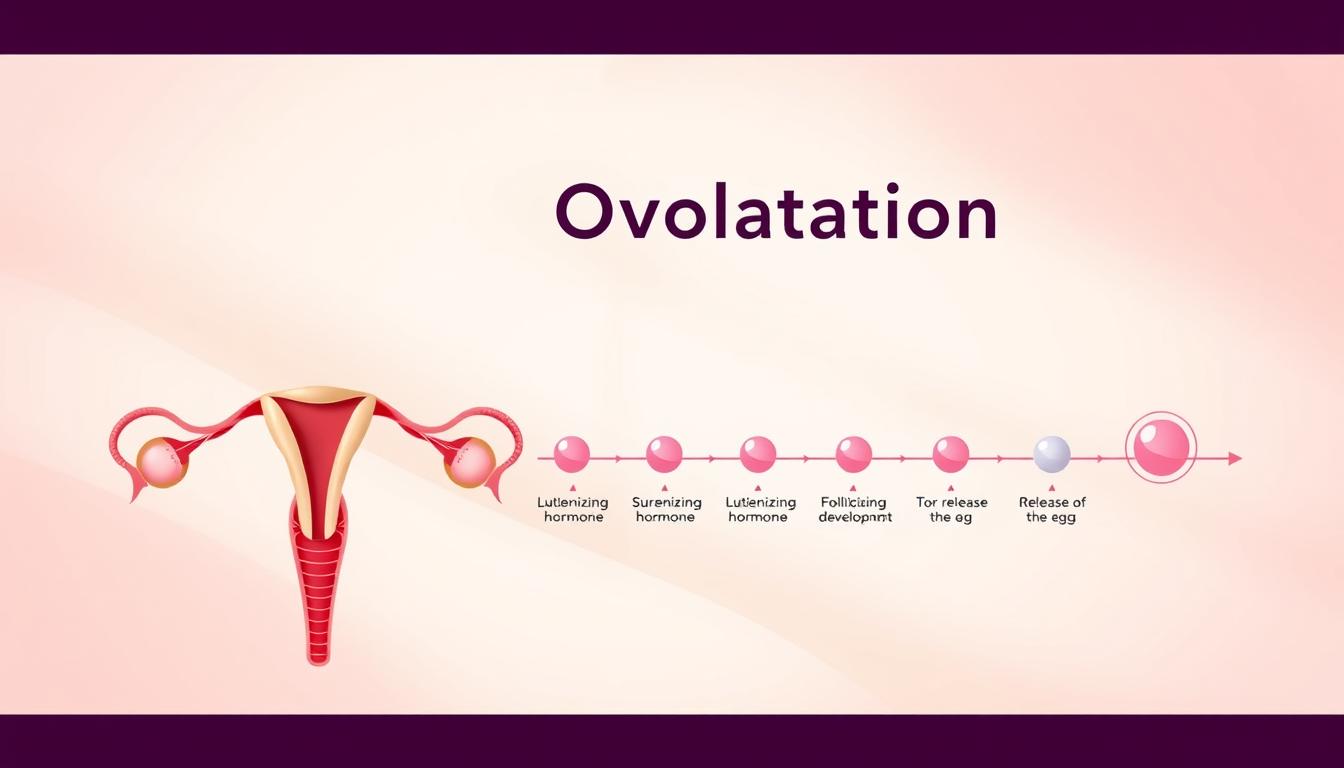
Right in the middle of your cycle, one ovary releases a mature egg. This egg moves through the fallopian tube, ready for fertilization. At the same time, your uterus gets ready for a possible pregnancy. Knowing this helps you understand your body’s signals.
This guide will show you how to track ovulation accurately. You’ll learn to read your body’s fertility signs and pick tracking methods that fit your life. Whether you’re just starting or want to improve, these tips will help you reach your fertility goals.
Key Takeaways
- Your fertility window lasts about seven days each cycle
- Normal menstrual cycles range from 21 to 35 days
- Ovulation typically occurs around the middle of your cycle
- Multiple tracking methods can increase accuracy
- Physical and hormonal changes signal approaching ovulation
- Consistent tracking reveals your unique fertility patterns
What is Ovulation Tracking?
Ovulation tracking means watching your body’s signs to find when you release an egg. This helps you know when you’re most likely to get pregnant. By noticing physical changes and hormone levels, you can find the best times to try to conceive.
Understanding the Ovulation Cycle
Your menstrual cycle begins on the first day of your period and lasts about 28 days. Around day 14, your pituitary gland sends out a big burst of luteinizing hormone. This hormone makes your ovary release a mature egg.
The egg then goes to the fallopian tube, where it waits for sperm. This is when you can get pregnant.
Throughout your cycle, hormone levels change in a pattern. Your body gets ready for pregnancy by thickening the uterine lining. If you don’t get pregnant, this lining sheds during your period, starting the cycle again.
Importance of Timing for Conception
Timing sex right can really help you get pregnant. Your fertile window is about seven days long. It includes the five days before ovulation, the day of ovulation, and one day after.
| Cycle Day | Fertility Status | Conception Chance |
|---|---|---|
| Days 8-12 | Low fertility | 10-15% |
| Days 13-15 | Peak fertility | 25-30% |
| Day 16 | Post-ovulation | 5-10% |
Having sex every day or every other day during this time boosts your chances of getting pregnant. Sperm can live in the female reproductive tract for up to five days. But an egg is only viable for 12-24 hours after it’s released.
Methods of Ovulation Tracking
Tracking ovulation helps you find your most fertile days each month. There are many ways to do this, each with its own benefits. Some like using a calendar, while others prefer technology or body changes. Knowing these options helps you pick the best one for your family planning goals.
Calendar Method
The calendar method tracks your menstrual cycle for at least six months. Mark the first day of your period each month. Then, count the days until your next period starts. Most women ovulate 12 to 14 days before their next period.
If your cycle is 28 days, you likely ovulate around day 14. This method is best for women with cycles between 26 and 32 days.
Basal Body Temperature Method
Your basal body temperature goes up a bit after ovulation because of more progesterone. Use a special thermometer for this. Take your temperature every morning before getting up, even before sitting up. Record these readings on a chart.
You’ll see a rise of about 0.5 degrees Fahrenheit that stays up until your next period. This temperature change means ovulation has happened.
Ovulation Predictor Kits
Ovulation predictor kits find luteinizing hormone in your urine. This hormone spikes 24 to 36 hours before ovulation. Test daily a few days before you expect to ovulate.
When the test shows positive, you’ll ovulate the next day or two. These kits are easy to use and help time intercourse well.
Cervical Mucus Monitoring
Cervical mucus monitoring checks your vaginal discharge throughout your cycle. During fertile days, mucus is clear, stretchy, and slippery like raw egg whites. This helps sperm reach the egg.
After ovulation, mucus becomes thick and sticky again. Many women use this method with temperature tracking for better results.
Benefits of Ovulation Tracking
Tracking your menstrual cycle can lead to many health benefits. Women who keep track of their cycles learn a lot. They get to know their body better and can spot health problems early.
Increased Chances of Conception
Knowing when you’re most fertile can make getting pregnant easier. Most women ovulate around day 14, but it’s different for everyone. By tracking ovulation, you find your best time to conceive.
Research shows couples who track ovulation get pregnant faster. Your fertile time is about six days long. Knowing this can boost your chances of getting pregnant by 10%.
Improved Awareness of Reproductive Health
Fertility awareness helps you understand your hormones better. By tracking your cycle, you can see:
- Consistent luteal phase lengths
- Normal temperature shifts after ovulation
- Healthy cervical mucus patterns
- Regular cycle lengths between 21-35 days
Identifying Menstrual Irregularities
Tracking your cycle can help find problems early. Menstrual cycle tracking can show issues like irregular periods or short luteal phases. These signs might mean you have PCOS, thyroid problems, or hormonal imbalances that need a doctor’s check-up.
How to Start Tracking Ovulation
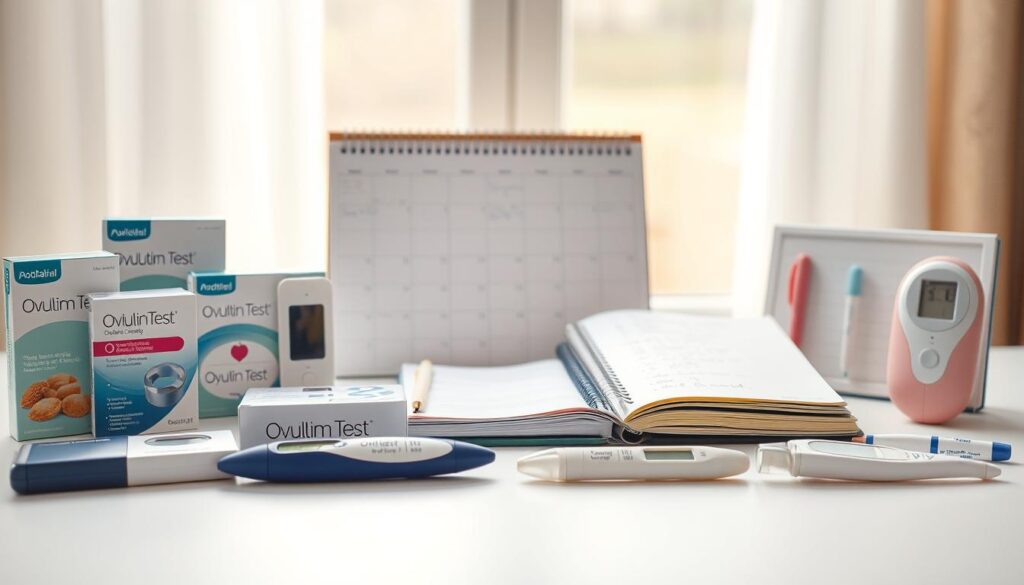
Starting to track ovulation might seem daunting, but it’s easier than you think. The most important thing is to find a method that fits your lifestyle and comfort. Whether you like old-school methods or the latest tech, there’s something for everyone.
Choosing the Right Method for You
Every woman is different, so picking the right method is key. If you love data and routine, basal body temperature might be for you. For those who like it simple, checking cervical mucus is a good choice. Many find the best results by using a mix of methods.
Think about these when picking your method:
- Your daily schedule and routine
- Budget for tracking tools
- Comfort level with body monitoring
- Previous experience with menstrual cycle tracking
Setting Up a Tracking Schedule
Being consistent is key for accurate tracking. Start by marking the first day of your period. Take temperature readings every morning before getting up. Also, note any changes in cervical mucus throughout the day.
Using Apps and Digital Tools
Today’s tech makes tracking your cycle a breeze. Apps like Flo, Clue, and Apple Health help you log everything in one spot. Some smartwatches even track your temperature for you. These tools use your data to predict when you’re most fertile, helping you understand your body better with each cycle.
Signs of Ovulation
Knowing when you ovulate can help you get pregnant. Your body sends out clear signals when it’s time to conceive. By paying attention to these signs, you can track your ovulation better and find the best time to try to get pregnant.
Physical Symptoms
Many women feel different when they ovulate. *Mild cramping* on one side of the lower abdomen, called mittelschmerz, happens in about 20% of women. This pain is brief and happens when the egg is released from the ovary.
Other physical signs include:
- Breast tenderness and sensitivity
- Light bloating in the abdominal area
- Slight nausea or headaches
- Increased sense of smell
- Higher energy levels
Your basal body temperature goes up a bit after ovulation. This is because of more progesterone. The temperature usually goes up by 0.4 to 1.0 degrees Fahrenheit and stays high until your next period.
Emotional Changes
Hormonal changes can make you feel different. You might feel more social, confident, and energetic as ovulation comes. You might also feel more sexually attracted, which helps with getting pregnant.
Tracking Changes in Discharge
Checking your cervical mucus is a good way to know when you’re ovulating. Your discharge changes throughout your cycle. It starts off thick and white after your period. As ovulation gets closer, it becomes clear, stretchy, and slippery, like raw egg whites. This type of mucus helps sperm reach the egg and can last 1-5 days.
Common Misconceptions about Ovulation
Many couples trying to conceive face false information about ovulation and fertility. Knowing the truth about fertility awareness can boost your chances of getting pregnant. Let’s look at some common myths that confuse those using natural family planning.
Myths vs. Facts
One myth says certain sexual positions boost conception chances. But, studies show no proof of this. Sperm can swim to the egg no matter the position. What’s key is timing sex during your fertile window.
Another myth is about lubricants. Many don’t know some can hurt sperm. Water-based lubes like Pre-Seed or mineral oil are safer. Always talk to your doctor about the best products for conception timing.
Clarifying Fertility Misunderstandings
The basal body temperature method often causes confusion. Many think it predicts ovulation, but it only rises after ovulation. This makes it good for confirming ovulation but not for timing sex.
| Method | Common Belief | Reality |
|---|---|---|
| BBT Tracking | Predicts ovulation | Confirms past ovulation |
| Ovulation Tests | Always accurate | Less reliable with PCOS |
| Calendar Method | Works for everyone | Best for regular cycles |
Women with PCOS should know standard ovulation tests may not work. This is because of irregular hormone levels. Using multiple fertility tracking methods is better for irregular cycles.
Ovulation Tracking for Irregular Cycles
Tracking ovulation is tough when your periods are unpredictable. Many women face irregular cycles, making it harder to track fertility. Learning how to adjust your tracking and knowing when to seek help can help a lot in your journey to conceive.
Adjusting Tracking Methods
Traditional ovulation tracking works best with regular cycles. But, if your cycles are short or long, you need different strategies. Start by watching for several fertility signs at once, not just one.
Basal body temperature charting is still useful for irregular cycles. It shows when ovulation happened. Also, check your cervical mucus daily to spot fertile times. Digital ovulation predictor kits can detect hormone spikes in unpredictable cycles.
| Tracking Method | Best For | Frequency |
|---|---|---|
| Ovulation Test Strips | Cycles 25-40 days | Daily from day 10 |
| Fertility Monitors | Highly irregular cycles | Daily testing |
| Cervical Mucus Tracking | All irregular patterns | Multiple times daily |
When to Consult a Doctor
Some signs mean you should see a doctor. Missing three periods, big changes in cycle length, or unusual bleeding are red flags. Fertility awareness also means knowing when health issues might be causing irregularities.
Women under 35 should see a doctor after a year of trying to conceive. Those over 35 should do so after six months. Health problems like PCOS, thyroid issues, or early menopause can affect ovulation and need medical care.
The Role of Lifestyle in Ovulation

Your daily habits are key to healthy ovulation. What you eat, how you move, and how you handle stress all affect your hormones and cycle. By adjusting your lifestyle, you can help your body’s natural rhythm. This can boost your chances of getting pregnant through better fertility awareness.
Diet and Nutrition Impacts
Your diet affects your hormonal balance and ovulation quality. Eating a Mediterranean-style diet with whole grains, fruits, veggies, and lean proteins is good for reproductive health. Studies show women eating a diet rich in folic acid and have better chances of conceiving.
To track ovulation well, eat a balanced diet:
- Choose whole foods over processed ones
- Eat lots of colorful veggies and fruits
- Include healthy fats from nuts, seeds, and fish
- Limit refined sugars that mess with hormone production
Exercise and Reproductive Health
Regular exercise is good for ovulation when done right. Aim for 30 minutes of activity most days. Mix gentle activities like walking or yoga with some harder workouts. Too much intense exercise can mess with your cycle, but the right amount helps your reproductive health.
Stress Management Techniques
Too much stress can mess with ovulation hormones. Simple relaxation techniques can help with natural family planning. Try daily meditation, deep breathing, or walks in nature. Also, aim for 7-9 hours of sleep each night to help regulate your hormones for regular ovulation.
When to Seek Medical Advice
Ovulation tracking is great for understanding your body. But, some times you need a doctor’s help. Knowing when to ask for medical advice is key to getting the right care.
Signs of Potential Fertility Issues
Some signs mean you should see a doctor. Missing three periods in a row can mean hormonal problems. Also, heavy bleeding or bad cramps every month need a doctor’s check-up.
Signs like gaining weight, getting acne, or growing facial hair could mean PCOS. This condition affects your hormones and ovulation tracking.
When Tracking Is Not Enough
If you’ve been trying to get pregnant for six months without luck, see a doctor. Natural methods might not solve all problems.
Stopping birth control takes time. Your body needs three months to get back to normal. Keep tracking but don’t worry unless you have pain or weird symptoms.
When hormone problems last, you need a doctor. Tests can find what’s wrong. A doctor can help you fix it while you keep trying naturally.
Advanced Ovulation Tracking Techniques
Basic tracking methods might not be enough for everyone. Advanced techniques offer deeper insights into your fertility. They use medical technology and professional monitoring for accurate reproductive health tracking. Understanding these methods can help you make informed fertility decisions.
Fertility Monitor Usage
Fertility monitors are more advanced than ovulation predictor kits. They track multiple hormones in your cycle. These devices measure luteinizing hormone and estrogen levels in your urine. This gives a clearer fertility window than standard tests.
They also store your cycle data. This helps identify patterns unique to your body.
Professional monitoring goes beyond home devices. Fertility clinics use ultrasounds to track follicle development. This starts around day 2 or 3 of your period.
These scans show egg growth and uterine lining thickness over 5-10 days. Doctors can then use trigger shots to control ovulation timing precisely. They schedule intercourse 12 and 36 hours after the injection.
The Importance of Hormonal Testing
Blood tests reveal hormone levels that urine tests and basal body temperature tracking can’t detect. These tests measure progesterone, estrogen, and other reproductive hormones throughout your cycle. Nurses explain the results and guide medication adjustments based on your hormone profile.
| Hormone Test | Timing | Purpose |
|---|---|---|
| FSH (Follicle Stimulating Hormone) | Day 2-3 | Checks ovarian reserve |
| Estradiol | Day 2-3 | Confirms baseline levels |
| LH (Luteinizing Hormone) | Mid-cycle | Predicts ovulation |
| Progesterone | 7 days post-ovulation | Confirms ovulation occurred |
The Impact of Age on Ovulation
Age is key in a woman’s reproductive health and ability to have a baby. As women age, their ovulation patterns and egg quality change. This impacts their fertile window and fertility. Knowing these changes helps women plan the best time to conceive and track their ovulation.
How Age Affects Fertility
Women are born with all the eggs they’ll ever have. This number goes down with age. After 35, both egg quantity and quality drop faster. This makes it harder to get pregnant, even with good ovulation tracking.
Women under 35 trying to conceive for over a year should see a fertility specialist. Those over 35 should get help after six months.
Some women face premature ovarian failure, where ovaries stop making eggs before 40. This needs quick medical help and special fertility treatments.
Tracking Considerations for Different Age Groups
Women in their 20s and early 30s usually have regular cycles. This makes standard ovulation tracking work well. But, women over 35 might need more frequent checks and advanced tracking to find their fertile window.
Those who’ve stopped birth control recently should wait a bit. Hormonal contraceptives can mess with ovulation for a while.
For women over 35, using several tracking methods is best for accurate conception timing. Regular visits to healthcare providers are crucial. They help keep an eye on ovarian reserve and reproductive health.
Financial Considerations for Ovulation Tracking
Knowing the costs of fertility awareness methods helps you make smart choices about your reproductive health. From simple thermometers to advanced systems, each option has its price and insurance benefits.
Costs of Different Tracking Methods
Natural family planning starts with affordable options. Basal body thermometers cost between $10 and $50. Apps like Flo, Clue, or Apple Health offer free basic features, with premium versions at $5-15 monthly.
- Basic test strips: $15-30 per month
- Digital readers: $40-80 plus refills
- Advanced fertility monitors: $100-300
Professional fertility monitoring at clinics is more expensive. Ultrasound monitoring costs $200-500 per cycle. Hormone blood tests are $50-200 each. Initial consultations at places like RMA Network or CCRM Fertility are $300-500.
Insurance Coverage and Financial Assistance
Insurance for fertility tools varies a lot. Most plans don’t cover ovulation predictor kits or thermometers since they’re over-the-counter. But, some employers offer FSAs or HSAs for these purchases.
Many fertility clinics have financial help programs. Groups like Resolve and BabyQuest Foundation give grants for treatments. Payment plans and discounts make professional monitoring more affordable for couples trying to conceive.
Conclusion and Next Steps
Ovulation tracking is a powerful tool for your reproductive health. It lets you understand your menstrual cycle. This knowledge helps you plan your family and stay healthy.
Think of it as your personal fertility GPS. It shows you hormone patterns and egg development in real time.
Recap of Ovulation Tracking Benefits
Tracking your menstrual cycle has many benefits. It helps you know when you’re most fertile. It also lets you catch health issues early.
Using different tracking methods can increase your success. Fertility awareness helps you notice patterns that might need medical attention.
Encouragement for Ongoing Monitoring and Patience
Getting to know your fertility takes time and effort. Keep tracking even when it’s hard at first. Your body’s signals will become clearer with practice.
Leading fertility clinics like NewLife and RMA Network say patience is key. They use your tracking data to create personalized plans based on medical research.
Begin your journey of fertility awareness today. Choose the method that works best for you. Whether it’s temperature tracking, ovulation predictor kits, or apps, be consistent. Your dedication to tracking your cycle opens doors to better health and clearer talks with doctors.