

Polycystic ovary syndrome, or PCOS, affects millions of women in the United States. It disrupts the ovaries’ normal function, leading to tough symptoms. Women with PCOS often have irregular periods, unwanted hair growth, and skin issues.
The condition happens when small sacs filled with fluid form in the ovaries. These sacs hold eggs that never mature. The hormonal imbalance stops regular egg release, causing various symptoms in the body.
Many women first notice PCOS symptoms in their teenage years. Others find out later when they try to conceive. The timing varies, but the impact is significant for women at any age.
Recognizing symptoms early helps women get the right medical care. Knowing what to look for makes a big difference in managing PCOS. This guide covers all about PCOS to help women spot symptoms and find good treatment options.
Key Takeaways
- PCOS affects women of reproductive age and disrupts ovarian function
- Common symptoms include irregular periods, excess hair growth, and acne
- Small fluid-filled sacs in ovaries prevent normal egg release
- Symptoms can appear during teenage years or develop later in life
- Early detection and treatment help prevent serious health complications
- The condition impacts fertility and can affect overall body health
What is PCOS?
Polycystic ovary syndrome affects millions of women worldwide. It causes a complex set of symptoms that can impact various aspects of health. This condition involves the reproductive system and creates multiple challenges that extend beyond fertility concerns. Understanding the underlying mechanisms helps women recognize polycystic ovary syndrome signs and seek appropriate medical care.
Definition of PCOS
PCOS occurs when the ovaries produce excessive amounts of androgens, which are male hormones. Women typically have small amounts of these hormones. This hormonal imbalance prevents normal ovulation and causes the ovaries to develop numerous small, fluid-filled sacs. These cysts give the condition its name, though not all women with PCOS develop visible cysts.
The condition affects approximately 6-12% of women during their reproductive years. Insulin resistance plays a crucial role in PCOS development. The body’s cells don’t respond properly to insulin. This forces the pancreas to produce extra insulin, which then triggers the ovaries to make more androgens.
Overview of Hormonal Imbalance
The hormonal imbalance in PCOS creates a cascade of effects throughout the body. Women may experience various symptoms including irregular periods, excessive hair growth, acne, and weight gain. These symptoms can vary significantly between individuals.
| Hormone | Normal Function | PCOS Effect |
|---|---|---|
| Androgens | Small amounts for bone and muscle health | Elevated levels causing male-pattern symptoms |
| Insulin | Regulates blood sugar | Resistance leads to higher production |
| Luteinizing Hormone | Triggers ovulation | Elevated levels disrupting egg release |
Research indicates that genetics and inflammation contribute to PCOS development. Women with this condition face increased risks for other health issues. This includes cardiovascular complications related to insulin resistance and metabolic changes.
Common PCOS Symptoms
PCOS affects millions of women in the United States. It causes a variety of symptoms that differ from person to person. Knowing these symptoms helps women get help early.
Irregular Menstrual Cycles
Changes in the menstrual cycle are a key sign of PCOS. Women may have irregular periods, sometimes with gaps of 35 days or more. Some have fewer than nine periods a year, while others experience very light bleeding.
Excessive Hair Growth (Hirsutism)
Hirsutism is unwanted hair growth in areas men typically have hair. This includes the face, chest, stomach, and back. It’s caused by high levels of male hormones, affecting about 70% of women with PCOS.
Weight Gain
Weight gain, especially around the midsection, is common in women with PCOS. This weight gain can be hard to lose, even with a healthy diet and exercise. It makes other symptoms worse, creating a tough cycle.
Infertility and PCOS
For many women with polycystic ovary syndrome, the path to motherhood is tough. Up to 70% of women with this condition face infertility. This makes it one of the most upsetting symptoms of PCOS. Hormonal imbalances and reproductive health issues create big challenges that need understanding and medical help.
Connection Between PCOS and Fertility Issues
Women with PCOS often struggle with infertility because of irregular or no ovulation. When ovaries don’t release eggs as they should, getting pregnant is hard. Signs of PCOS that can affect fertility include:
- Infrequent or missing menstrual periods
- High levels of male hormones preventing egg maturation
- Multiple small cysts on ovaries disrupting normal function
- Insulin resistance affecting reproductive hormones
Treatment Options for Infertility
There are ways to help women with PCOS get pregnant. Managing stress through mindfulness techniques is key for hormonal balance and fertility. Treatment plans depend on each woman’s needs:
| Treatment Type | Success Rate | Considerations |
|---|---|---|
| Lifestyle modifications | 5-10% weight loss can restore ovulation in 50% of women | Diet changes, regular exercise, stress reduction |
| Clomiphene citrate | 70-80% ovulation rate | First-line medication, risk of twins |
| Letrozole | 75-85% ovulation rate | Often more effective than clomiphene |
| Metformin | 40-50% improved ovulation | Best for insulin-resistant patients |
Women with PCOS and infertility should team up with reproductive specialists. Early action and tailored treatment plans are crucial. They help increase the chances of a successful pregnancy while managing other PCOS symptoms.
Skin Changes Associated with PCOS
Women with PCOS often see changes in their skin. These changes come from hormonal imbalances, like too much androgen and insulin resistance. Knowing about these skin changes can help spot PCOS early and manage its effects.
Acne and Oily Skin
Acne in PCOS is often worse than usual. High androgens make oil glands work too hard. This leads to constant pimples on the face, chest, and back. Finding the right treatment for this acne might need a dermatologist who knows about hormonal issues.
Darkening of Skin (Acanthosis Nigricans)
Dark, velvety patches show up in skin folds like the neck, armpits, and groin. This is a sign of insulin resistance, a big part of PCOS. These patches can’t be rubbed off and need medical help to fix the hormonal problem.
Hair Loss
Hair starts to thin in a male pattern, first at the crown and temples. Women see wider parts, more scalp, and lots of hair falling out. This happens because high androgens harm hair follicles.
| Skin Change | Affected Areas | Treatment Options |
|---|---|---|
| Acne | Face, chest, back | Topical retinoids, oral medications |
| Dark patches | Neck, armpits, groin | Metformin, weight loss |
| Hair loss | Scalp crown, temples | Minoxidil, anti-androgen therapy |
Psychological Impact of PCOS
PCOS is more than just physical challenges. It also affects your mental health. Women often face emotional struggles along with their physical symptoms. The link between hormonal imbalance and mental health is complex and needs understanding and support.
Depression and Anxiety Symptoms
Women with PCOS are more likely to experience depression and anxiety. Managing symptoms is stressful. Hormonal changes can affect mood and brain chemistry.
Common mental health issues include:
- Persistent sadness or emptiness
- Excessive worry about health and appearance
- Sleep disturbances
- Difficulty concentrating
- Loss of interest in daily activities
Body Image Issues
Physical symptoms of PCOS can lead to body image problems. Weight gain is especially hard when diet and exercise don’t work. Excessive hair growth and acne add to the frustration.
These symptoms can cause:
- Social withdrawal and isolation
- Eating disorders
- Low self-esteem
- Relationship difficulties
Cleveland Clinic research shows that treating both physical and emotional aspects of PCOS improves outcomes. Mental health professionals who understand PCOS can help women cope and regain confidence.
Diagnosis of PCOS
To diagnose PCOS, doctors need to do a thorough check-up. They look for specific signs to confirm the diagnosis. The process involves several steps to rule out other possible causes of symptoms.
Medical History Evaluation
Your doctor will ask about your health history first. They want to know about your menstrual cycle and any irregularities. Family history is also important, as PCOS often runs in families.
If your mother or sister has PCOS, your risk goes up. The doctor will ask about symptoms like:
- Changes in menstrual cycle frequency
- Unexpected weight changes
- Skin problems like acne
- Excessive hair growth patterns
Physical Examination
Your healthcare provider will look for visible signs of PCOS during the physical exam. They check for acne, dark patches, and hirsutism on your face, chest, and back. A pelvic exam is also done to check your reproductive organs.
Doctors use specific criteria for diagnosis. You need at least two of these three features:
- Irregular periods or no ovulation
- High androgen levels shown through blood tests or physical signs like hirsutism
- Polycystic ovaries visible on ultrasound
Early diagnosis is crucial because untreated PCOS can lead to serious health issues. Women with PCOS are at higher risk of type 2 diabetes, heart disease, and metabolic syndrome.
Hormonal Tests for PCOS
Doctors use special tests to find hormonal imbalances that point to PCOS. These tools help them understand what’s happening in your body. They make sure PCOS symptoms aren’t confused with other health issues. Getting the right tests is key to a good treatment plan.
Blood Tests to Measure Hormone Levels
Blood tests show important hormone levels in women with suspected PCOS. Your doctor will look for high androgens, which are male hormones. They check for testosterone, DHEA-S, and androstenedione.
Doctors also check blood sugar levels to find insulin resistance, a big part of PCOS. They look at cholesterol and triglyceride levels too. This is because women with PCOS are at higher risk for heart disease. These tests give a full view of your metabolic health.
Ultrasound Imaging
Transvaginal ultrasound shows changes in the ovaries that are linked to PCOS. This painless test uses sound waves to show detailed images of your reproductive organs. Doctors look for enlarged ovaries with many small follicles, like a “string of pearls.”
The ultrasound also checks the thickness of the endometrium, which can be affected by irregular periods in PCOS. While not all women with PCOS symptoms have ovarian cysts, this imaging helps confirm the diagnosis. It’s used with blood test results and clinical signs.
Lifestyle Changes to Manage Symptoms

Making small changes in your daily life can greatly improve how you feel with PCOS symptoms. Simple adjustments can help with weight gain, insulin resistance, and more. Losing just 5-10% of your body weight can significantly improve your body’s response to treatment.
Diet Recommendations
Eating the right foods is key in managing PCOS symptoms. Choose whole grains, lean proteins, and lots of vegetables. These foods help control insulin resistance and prevent blood sugar spikes. Avoid processed foods and sugary drinks to reduce inflammation and help with weight.
| Food Group | Best Choices | Foods to Limit |
|---|---|---|
| Grains | Brown rice, quinoa, oats | White bread, pastries |
| Proteins | Chicken, fish, beans | Processed meats |
| Vegetables | Leafy greens, broccoli | Starchy vegetables in excess |
| Beverages | Water, herbal tea | Soda, fruit juice |
Exercise and Its Benefits
Regular exercise helps your body use insulin better. Even a 30-minute walk daily can improve PCOS symptoms. Strength training builds muscle, helping prevent weight gain and reduce insulin resistance. Enjoyable activities like swimming, cycling, or dancing can help manage your condition.
Medication Options for PCOS
Women with PCOS have many medication choices to manage their symptoms. The right treatment depends on individual needs and whether pregnancy is a current goal. These medications work in different ways to address the hormonal imbalance that characterizes PCOS.
Birth Control Pills
For women not planning pregnancy, birth control pills offer many benefits. These combination pills decrease androgen production and regulate estrogen levels. They help clear up acne with PCOS and reduce excessive hair growth.
Birth control pills also regulate irregular periods by providing consistent hormone levels throughout the month. Many women see improvements in their skin within three to six months of starting treatment. The pills work by preventing the ovaries from producing excess androgens, which cause many PCOS symptoms.
Insulin Sensitizers
Metformin stands out as the most common insulin sensitizer for PCOS treatment. Originally developed for diabetes, this medication improves how the body uses insulin. When insulin resistance decreases, androgen levels often drop too.
Benefits of metformin include:
- Restored ovulation in many women
- Reduced male-pattern hair growth
- Weight loss support
- Lower risk of developing type 2 diabetes
Insulin sensitizers particularly help women trying to conceive, as they can restore regular ovulation without preventing pregnancy like birth control pills do.
Alternative Treatments for PCOS
Many women look for natural ways to manage PCOS signs along with traditional medicine. Alternative therapies can help with specific symptoms. They include ancient practices and herbal supplements that aim for hormonal balance.
Herbal Remedies
Several herbs are promising for PCOS symptoms. Spearmint tea is known to reduce facial hair growth. Drinking it twice a day for 30 days can lower testosterone levels in women with PCOS.
Cinnamon supplements may improve insulin resistance and regulate menstrual cycles. Women taking 1.5 grams of cinnamon daily often report more regular periods. Saw palmetto blocks enzymes that convert testosterone to its more potent form, helping with hair thinning.
- Inositol supplements support ovarian function and egg quality
- Licorice root helps balance hormone levels
- Ashwagandha reduces stress-related cortisol
Acupuncture
Acupuncture is a traditional Chinese medicine technique. It involves inserting thin needles at specific points to restore energy balance. Studies show that regular sessions can improve ovulation rates and reduce testosterone levels in women with PCOS.
Regular acupuncture treatments may also help with weight management and reduce anxiety. Practitioners often combine it with dietary guidance and herbal formulas. Women experiencing hair thinning report improved scalp circulation and hair growth after consistent treatments.
Navigating Health Care for PCOS
Managing PCOS symptoms needs a smart healthcare plan. This condition involves complex hormonal issues. Working with the right doctors and joining supportive groups can greatly help your treatment.
Finding a Specialist
First, look for doctors who know a lot about hormonal imbalances and reproductive health. Endocrinologists deal with hormone-related problems. Reproductive endocrinologists focus on infertility and PCOS. Write down your symptoms, medical history, and questions before your appointment.
Places like Cleveland Clinic and Mayo Clinic have special PCOS programs. They offer detailed evaluations and treatment plans made just for you. It’s a good idea to bring a friend or family member for support and to help remember important details.
Support Groups and Resources
Connecting with others who have PCOS can be very helpful. Local and online groups are great places to share and learn. They talk about managing infertility, weight, and daily symptoms.
- PCOS Challenge offers online forums and local chapter meetings
- Soul Cysters provides peer support and educational resources
- Verity UK hosts regular support meetings and webinars
These groups help you feel less alone. They also offer useful tips on managing hormonal symptoms from people who get it.
Research and Future Directions in PCOS Treatment
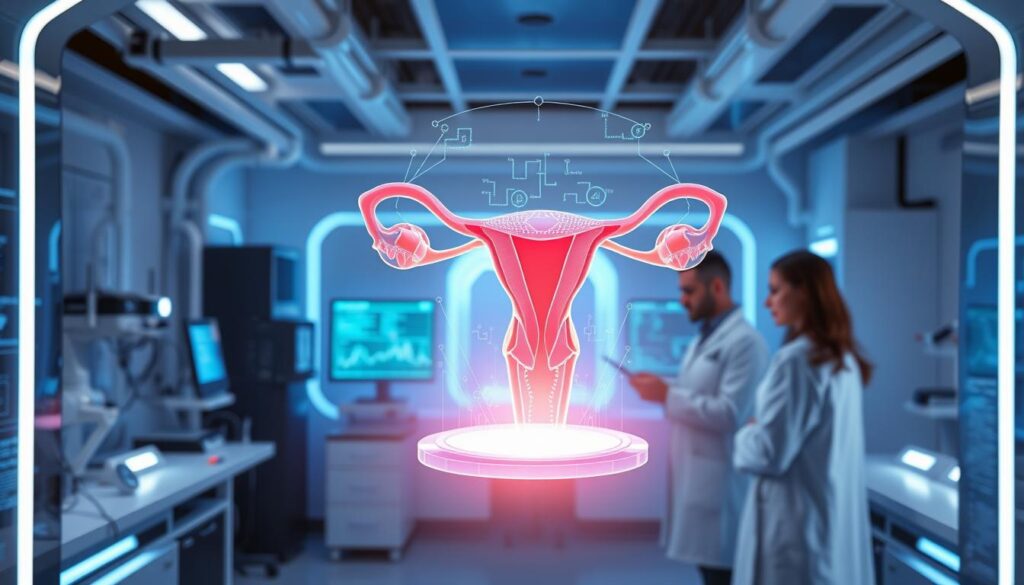
Medical research is making big strides in understanding polycystic ovary syndrome (PCOS). Scientists are finding new links between genetics, inflammation, and hormones. This knowledge is helping us find better treatments for women with PCOS.
Current Studies on PCOS
Teams at top medical centers are diving into several areas. They’re looking at how genetics and family history can predict PCOS. They’re also studying how chronic inflammation leads to too much androgen.
Studies are also looking at how insulin resistance affects reproductive health. This research is key to improving treatments.
- Improving fertility treatments for women with infertility issues
- Reducing cardiovascular disease risk factors
- Understanding metabolic syndrome connections
- Developing targeted therapies for specific symptoms
Innovations in Treatment Options
New treatments focus on the metabolic side of PCOS. They aim to tackle insulin resistance head-on. This approach leads to therapies that tackle multiple symptoms at once.
| Treatment Innovation | Target Symptom | Research Stage |
|---|---|---|
| GLP-1 receptor agonists | Weight management | Phase 3 trials |
| Anti-androgen compounds | Excessive hair growth | FDA review |
| Ovarian drilling alternatives | Ovulation restoration | Clinical testing |
| Microbiome therapy | Metabolic balance | Early research |
These new treatments offer hope for more tailored care. Soon, treatments will combine lifestyle changes with specific medications. This will help manage insulin resistance and balance hormones.
Living with PCOS: Tips for Better Management
Managing PCOS symptoms is a long-term effort that goes beyond just taking medicine. Women with PCOS face many challenges that impact their daily lives. Regular health checks and emotional support are key to managing this condition.
Creating a detailed care plan helps tackle common issues like weight gain and hair loss. It also helps prevent serious health problems.
Developing a Support Network
Connecting with others who understand PCOS can help you feel less alone. Local support groups, like those by PCOS Challenge, offer a safe space to share. Online communities, such as Soul Cysters, provide advice and encouragement anytime.
Family and friends are also vital. They need to understand PCOS symptoms and treatment. Mental health professionals can help deal with the emotional side of living with PCOS.
Monitoring Symptoms and Health Care Follow-Up
Regular check-ups are crucial to catch problems early. Women with PCOS should see their doctor every three to six months. These visits include blood tests to check insulin and cholesterol levels.
Doctors also screen for type 2 diabetes, high blood pressure, and sleep apnea. Keeping a symptom journal helps track patterns in weight gain, hair loss, or mood changes.
If you have heavy bleeding or sudden changes in symptoms, contact your doctor right away. As you get older, annual screenings for heart disease and endometrial cancer become important. Working closely with your healthcare team ensures your treatment plan stays on track and addresses new concerns.