

Polycystic Ovary Syndrome affects millions of women in the United States. It causes symptoms like acne, excess hair, and fertility issues. The good news is that natural remedies can help manage these symptoms without medication.
Women often discover PCOS when they try to get pregnant. This hormonal disorder leads to too many male hormones. While doctors can’t cure it, natural management offers hope for relief.
Research shows 4 to 25 percent of American women have PCOS. It’s the most common hormonal problem in reproductive years. Many women find success with natural treatments like diet changes and supplements. These methods help balance hormones and improve insulin sensitivity.
This guide explores home remedies for PCOS symptoms. You’ll learn about foods, herbs, and lifestyle changes. Each remedy is backed by research and real experiences from women who found relief naturally.
Key Takeaways
- PCOS affects one in 15 women worldwide and cannot be cured but can be managed effectively
- Natural remedies focus on reducing insulin resistance and balancing hormone levels
- Diet changes, regular exercise, and stress management form the foundation of natural PCOS treatment
- Herbs like spearmint tea and cinnamon offer proven benefits for PCOS symptoms
- Supplements including inositol and omega-3 fatty acids support hormonal balance
- Weight loss of just 5-10% can significantly improve PCOS symptoms
- Regular monitoring and working with healthcare providers ensures safe, effective management
Understanding PCOS: An Overview
Polycystic Ovary Syndrome (PCOS) affects millions of women in the United States. It’s a hormonal disorder that messes with the ovaries’ function. Finding natural ways to manage PCOS is key to improving health and life quality.
What is PCOS?
PCOS is an endocrine disorder that hits women in their reproductive years. It makes ovaries swell and form many small cysts. These cysts are immature eggs that don’t release properly.
This ovulation problem leads to hormonal imbalances. These imbalances affect the whole body.
Symptoms of PCOS
Women with PCOS face many symptoms that can change their daily lives. Knowing these signs is crucial for finding the right ways to manage PCOS:
- Irregular or missed menstrual periods
- Excessive hair growth on face and body
- Acne and oily skin
- Weight gain, especially around the midsection
- Thinning hair or male-pattern baldness
- Darkened skin patches
- Difficulty getting pregnant
Causes and Risk Factors
The exact cause of PCOS is still unknown. But, several factors play a part in its development. Insulin resistance is a big one, causing the body to make too much insulin.
This extra insulin makes ovaries produce more male hormones. This messes up normal ovulation.
| Risk Factor | Impact on PCOS |
|---|---|
| Family History | Having a mother or sister with PCOS increases risk by 40% |
| Obesity | Excess weight worsens insulin resistance and hormone imbalance |
| Inflammation | Low-grade inflammation stimulates excess androgen production |
| Insulin Resistance | Affects 70% of women with PCOS, leading to metabolic issues |
Long-term problems include type 2 diabetes, heart disease, and metabolic syndrome. Catching PCOS early and managing it with natural remedies can prevent these serious issues.
The Importance of Lifestyle Changes
Making small changes in your daily life can greatly help with PCOS symptoms. These changes don’t need to be big. They focus on building habits that help balance hormones and improve health.
Role of Diet in PCOS Management
What you eat affects your hormones and menstrual cycles. A good diet for PCOS management includes whole grains, lean proteins, and lots of veggies. These foods help keep blood sugar stable and reduce inflammation.
- Choose complex carbohydrates like quinoa and brown rice
- Include anti-inflammatory foods such as fatty fish and berries
- Limit processed foods that spike insulin levels
- Eat regular, balanced meals throughout the day
Benefits of Regular Exercise
Exercise is a strong tool for managing PCOS symptoms. It helps lower insulin levels and supports a healthy weight. You don’t need to join an expensive gym to stay active.
Swimming, dancing, or brisk walking for 30 minutes a day can help. Yoga and Pilates are great because they mix movement with stress relief. High-intensity interval training (HIIT) is especially good for women with PCOS, improving insulin sensitivity in short workouts.
“Regular exercise transformed my PCOS symptoms. I started with just 15 minutes of walking daily and gradually built up my routine.” – Sarah Martinez, PCOS advocate
These lifestyle changes for PCOS work best when done regularly. Start small and build habits that fit your life.
Dietary Changes for PCOS Management
Choosing the right foods is key to managing PCOS naturally. A good diet for PCOS management includes whole foods that balance hormones and control blood sugar. These foods help reduce inflammation, improve insulin sensitivity, and support reproductive health.
Foods to Include in Your Diet
Start your anti-inflammatory diet PCOS with nutrient-rich whole foods. Eat lots of colorful veggies like spinach, broccoli, and Brussels sprouts. They’re high in fiber, which aids digestion and blood sugar control.
- Fatty fish like salmon, mackerel, and tuna rich in omega-3s
- High-fiber fruits including pears and avocados
- Magnesium-rich nuts such as almonds and cashews
- Plant-based proteins from lentils and lima beans
- Whole grains like quinoa and brown rice
- Extra virgin olive oil and fresh tomatoes
Don’t forget about iron-rich foods, especially if you have heavy periods. Eggs, spinach, and broccoli are great sources of iron. They also support your diet for PCOS management.
Foods to Avoid with PCOS
Some foods can make PCOS symptoms worse by causing inflammation and blood sugar spikes. Simple carbs like white bread, pasta, and rice are culprits. They raise blood sugar quickly, making insulin resistance worse.
Avoid these inflammatory foods:
- Sugary beverages including soda and fruit juice
- Processed snacks like cookies, chips, and granola bars
- Refined cereals high in added sugars
- Excessive caffeine from coffee and energy drinks
Switch to green tea or herbal teas instead of coffee. Green tea is part of an anti-inflammatory diet PCOS. It offers gentle energy without affecting hormone levels.
Herbal Remedies for PCOS
Many women look for herbal treatments for polycystic ovary syndrome as a gentle option. These plant-based remedies have been used for centuries. They offer natural ways to balance hormones without harsh side effects. Research shows several herbs can help manage PCOS symptoms by improving insulin sensitivity, reducing testosterone levels, and supporting overall reproductive health.
Benefits of Spearmint Tea
Spearmint tea is a standout herbal treatment for PCOS. Studies show drinking two cups daily can lower male hormone levels in women with PCOS. This tea helps combat unwanted facial hair growth and acne by naturally lowering testosterone production.
Many women notice clearer skin and reduced hair growth after just one month of regular consumption.
Cinnamon: A Natural Option
Cinnamon is a powerful natural way to balance hormones and improve insulin resistance. The active compound cinnamaldehyde mimics insulin’s effects in the body. Taking 333mg of cinnamon extract three times daily for eight weeks can lower insulin levels and regulate menstrual cycles.
This common spice also helps control blood sugar spikes after meals.
Other Beneficial Herbs
Several additional herbs support PCOS management:
- Ashwagandha – Balances cortisol and reduces stress-related symptoms
- Holy Basil – Lowers blood sugar and prevents weight gain
- Licorice Root – Reduces inflammation and helps metabolize sugar
- Vitex agnus-castus – Decreases testosterone and improves fertility rates
- Maca Root – Regulates hormones and lowers cortisol naturally
The Role of Supplements
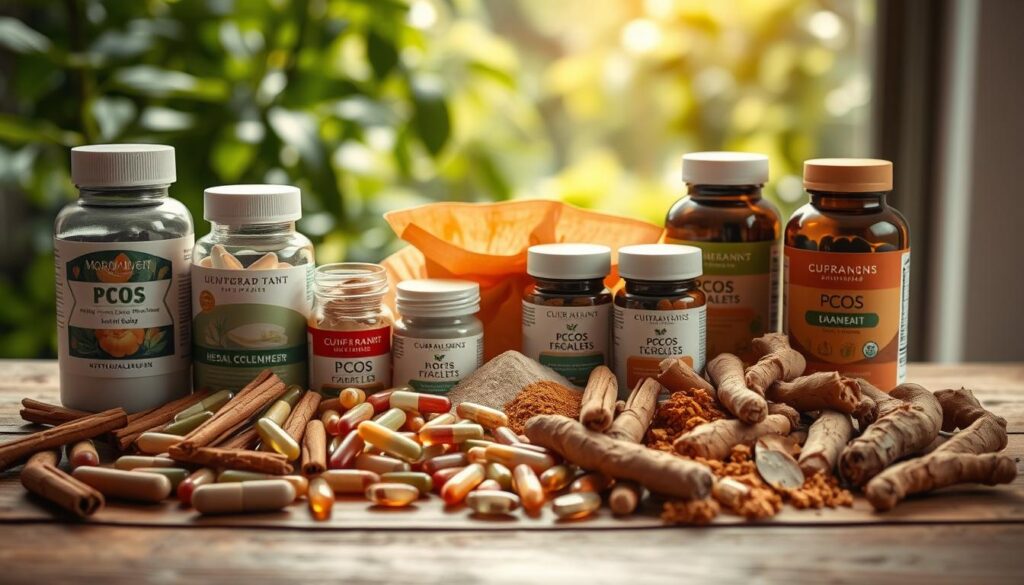
Supplements can be very helpful when managing PCOS symptoms. They work well with lifestyle changes. Vitamins and minerals help balance hormones and improve metabolism. While they’re not a magic fix, research shows they can help.
Inositol: Benefits and Dosage
Inositol is a B-vitamin-like compound that helps with PCOS. It improves insulin sensitivity and may boost fertility. Studies say 2-4 grams a day can help with menstrual cycles and lower testosterone.
Omega-3 Fatty Acids
Fish oil supplements are full of omega-3s, which are good for PCOS. They reduce inflammation and may make periods more regular. Research shows they can also help with waist size and metabolism.
A typical dose is 1-3 grams a day.
Vitamin D and PCOS
Vitamin D is often low in women with PCOS. It’s key for reproductive health, working with calcium. Taking vitamin D may help with periods and ovulation.
Experts suggest getting blood tested first. Vitamin D and calcium together are great for insulin resistance.
Note: Always talk to your healthcare provider before starting supplements. They can interact with medicines and everyone’s needs are different.
Stress Management Techniques
Managing stress is key to handling PCOS naturally. High stress levels lead to more cortisol, upsetting hormone balance. This imbalance can make PCOS symptoms worse. So, finding ways to relax is crucial.
Creating a daily routine with relaxation techniques helps keep hormones in check. This approach supports a natural balance in your body.
Importance of Reducing Stress
Women with PCOS face more stress than others. High cortisol levels mess with insulin and cause inflammation. This cycle of stress and PCOS symptoms needs to be broken.
Making small changes can help a lot. Going for walks, avoiding caffeine late in the day, and enjoying hobbies can lower stress. Herbs like ashwagandha also help your body handle stress better.
Yoga and Meditation Practices
Gentle exercises like yoga and Pilates are great for hormone balance. They’re easy on the body and help reduce stress. These activities are perfect for women with PCOS because they’re not too hard.
| Practice | Duration | Benefits for PCOS |
|---|---|---|
| Gentle Yoga | 30-45 minutes | Reduces cortisol, improves insulin sensitivity |
| Meditation | 10-20 minutes | Lowers stress hormones, enhances mental clarity |
| Deep Breathing | 5-10 minutes | Activates relaxation response, balances mood |
Meditation can cut down cortisol levels. Even just five minutes a day can help. Apps like Headspace or Calm offer easy-to-follow techniques for busy people.
The Impact of Sleep on PCOS
Getting quality sleep is crucial for managing PCOS. Women with PCOS often have sleep problems, which are twice as common as in those without the condition. Poor sleep can disrupt hormone balance and make symptoms worse. Knowing how sleep affects PCOS is key to a good natural PCOS treatment plan.
Sleep Hygiene Tips
Starting healthy sleep habits is easy. Simple changes in your daily routine can greatly improve your sleep:
- Set a consistent bedtime and wake time, even on weekends
- Aim for 8-10 hours of sleep each night
- Keep your bedroom cool, dark, and quiet
- Avoid caffeine and heavy meals 3-4 hours before bed
- Turn off electronic devices at least 30 minutes before sleeping
- Try relaxation techniques like gentle stretching or reading
Relation Between Sleep and Hormones
Sleep is vital for hormone balance. Deep sleep helps your body produce and balance hormones like cortisol and insulin. If sleep is poor, cortisol stays high, leading to insulin resistance and inflammation.
Good sleep helps your body manage metabolism and appetite hormones. It also improves weight management and reduces stress, both important for PCOS control.
Weight Management Strategies
Managing your weight is key to controlling PCOS symptoms. Many women with PCOS struggle with extra weight. This can make symptoms worse and raise health risks.
Even small changes can greatly improve how you feel and how your body responds to treatment.
How Weight Loss Affects PCOS
Losing just 5% of your body weight can lead to big improvements in PCOS symptoms. This small change helps balance hormones and improve insulin sensitivity. Women who lose this amount often see more regular periods and lower testosterone levels.
Weight loss also reduces the risk of type 2 diabetes and heart disease. Many women notice better fertility after losing weight. This is because insulin resistance decreases, helping your body use hormones better.
Tips for Healthy Weight Loss
Begin with small, lasting changes instead of big ones. Focus on a balanced plate at each meal:
- Fill half your plate with non-starchy vegetables
- Include lean proteins like chicken, fish, or tofu
- Choose complex carbohydrates such as quinoa or brown rice
- Add healthy fats from avocados or nuts
Regular exercise boosts weight management for PCOS efforts. Aim for 150 minutes of moderate exercise weekly. Walking, swimming, and strength training are all good for losing weight. These natural remedies for PCOS work best with dietary changes.
Don’t obsess over the scale. Notice improvements in energy, mood, and PCOS symptoms. Remember, losing weight slowly, 1-2 pounds a week, is more sustainable.
Understanding Insulin Resistance
Women with PCOS often have too much insulin in their bodies. This hormone helps cells use glucose from the blood. But over time, it doesn’t work as well.
The pancreas then makes even more insulin. This can lead to serious health problems, like type 2 diabetes.
Connection Between PCOS and Insulin
Studies show that up to 70% of women with PCOS have insulin resistance. When cells don’t respond to insulin, glucose stays in the blood. This can cause weight gain, irregular periods, and more hair growth.
Finding insulin resistance PCOS natural solutions is key to managing these symptoms.
Methods to Improve Insulin Sensitivity
There are ways to make your body use insulin better. The right diet for PCOS management is very important. It helps control blood sugar and improve insulin function.
| Method | How It Helps | Daily Application |
|---|---|---|
| Complex Carbohydrates | Slower glucose release, stable blood sugar | Choose quinoa, oats, sweet potatoes |
| Physical Activity | Increases glucose uptake by muscles | 30 minutes walking or strength training |
| Inositol Supplement | Improves insulin signaling | 2-4 grams divided doses |
| Cinnamon | Enhances insulin sensitivity | 1-2 teaspoons in meals or tea |
| Berberine | Reduces glucose production in liver | 500mg three times daily with meals |
Making small changes can make a big difference. Cutting out sugary drinks and processed foods helps. Eating more fiber-rich vegetables also helps keep blood sugar stable.
Regular meals and a healthy weight through these changes improve insulin function for good.
The Benefits of Regular Exercise

Physical activity is a key lifestyle change for PCOS. It helps your body use glucose better. This is a natural way to manage blood sugar levels.
Exercise also improves heart health and mood. Women with PCOS sleep better when they stay active. It’s important to find activities you enjoy to keep exercising long-term.
Types of Exercises Recommended
Not all exercises are the same for PCOS. Start with low-impact activities:
- Yoga – Reduces stress while building strength
- Pilates – Improves core stability and flexibility
- Swimming – Full-body workout without joint strain
- Light aerobics – Boosts cardiovascular health gently
As you get fitter, you might try high-intensity workouts or running. But remember, too much exercise can upset hormones.
Creating an Exercise Routine
Start with 20-30 minutes of activity, three times a week. Increase the time and frequency as you get stronger. Mix up your exercises to keep things interesting and work different muscles.
Watch how you feel and see symptom improvements, not just weight loss. This way, exercise stays a positive part of your treatment plan.
Alternative Therapies for PCOS
Women looking for holistic PCOS management often try alternative therapies. These methods can help with symptoms and improve overall health. Studies suggest that some alternative treatments can really help manage PCOS symptoms and enhance quality of life.
Acupuncture for Hormonal Balance
Acupuncture is becoming a popular choice for PCOS. It can increase blood flow to the ovaries and help regulate menstrual cycles. This ancient practice may also lower cortisol levels, which is good since stress can make PCOS symptoms worse.
Research shows acupuncture can improve insulin sensitivity and aid in weight loss. Many women feel more balanced and see fewer PCOS symptoms after regular acupuncture sessions.
Massage Therapy and Relaxation Techniques
Massage therapy is a natural way to balance hormones. It promotes deep relaxation and lowers stress hormones that can harm reproductive health. Techniques like Swedish massage, deep tissue work, and lymphatic drainage are beneficial for PCOS management.
Other relaxation methods are also promising. Progressive muscle relaxation, guided imagery, and aromatherapy can add to your treatment plan. Some women find CBD oil helps with anxiety and sleep issues common in PCOS, but more research is needed.
Always talk to your healthcare provider before starting any alternative therapy. This ensures it fits with your overall treatment plan.
Monitoring Your Hormonal Health
Tracking your hormonal health is key to managing PCOS symptoms well. By regularly checking hormone levels and noting daily changes, you learn a lot. This is a big part of any natural PCOS treatment plan.
Importance of Hormonal Testing
Regular blood tests give you solid data on your hormone balance. You should watch:
- Testosterone and DHEA levels
- Estrogen and progesterone ratios
- Luteinizing hormone (LH) concentrations
These tests let your doctor see if your holistic PCOS management is working. Doctors usually suggest testing every three to six months. This is especially true when you start new treatments or big lifestyle changes.
Keeping a Symptom Journal
A detailed symptom journal is a great tool for understanding your PCOS. Daily tracking shows what triggers symptoms and what helps. You should record:
- Menstrual cycle dates and flow patterns
- Energy levels throughout the day
- Mood fluctuations and emotional changes
- Skin conditions like acne or hair growth
- Weight and body measurements
This info is super helpful during medical visits. Your patterns help doctors make your treatment better, based on real data, not just memory.
Support Networks for PCOS
Living with PCOS can feel lonely, but finding friends who get it helps a lot. A good support network boosts your holistic PCOS management efforts. It also shares effective treatment tips. Women in support groups feel more confident and ready to tackle their symptoms.
Benefits of Connecting with Others
Talking to others with PCOS brings many benefits. You learn about PCOS treatment natural methods that work. Support groups offer emotional support and celebrate your wins. You might find new recipes, workouts, and ways to manage stress.
Studies show that peer support helps stick to treatments and improves mental health. Talking to people who understand can lower anxiety and depression linked to PCOS.
Online Communities and Resources
Online platforms offer support anytime. Forums and social media groups connect women globally. The PCOS Awareness Association offers reliable resources and education. MyPCOSTeam and Soul Cysters are top online spots.
| Platform | Features | Best For |
|---|---|---|
| Reddit r/PCOS | Discussion threads, Q&A | Quick advice, diverse perspectives |
| Facebook PCOS Support Groups | Private groups, photo sharing | Daily encouragement, meal ideas |
| PCOS Challenge Forums | Expert-moderated, research updates | Medical insights, treatment options |
Medical Consultation: When to Seek Help
Natural remedies for PCOS can be very helpful. But, working with healthcare professionals is key. They help you use natural methods safely and add medical treatments when needed.
Importance of Regular Check-Ups
Regular health checks are crucial for managing PCOS. Your doctor can watch important health signs that might not be obvious. These signs can affect your health in the long run.
Important tests include:
- Insulin levels and glucose tolerance
- Cholesterol and lipid panels
- Blood pressure readings
- Hormone levels including testosterone and thyroid function
- Vitamin D status
See your doctor every 3-6 months when starting natural treatments for PCOS. This lets your doctor see how your body reacts. They can then make changes as needed.
Working with a Specialist
Finding the right specialist is important for your PCOS journey. Endocrinologists and reproductive endocrinologists know a lot about hormonal issues. Look for a specialist who:
- Has experience treating PCOS patients
- Supports using both medical and natural treatments
- Values your concerns and treatment choices
- Stays current with PCOS research
Tell your specialist about all supplements, herbs, and natural remedies you’re using. Some can interact with medicines or change test results. Talking openly ensures your safety and helps make the best treatment plan for you.
Creating a Personalized Treatment Plan
Every woman’s journey with PCOS is unique. This makes a personalized approach key for success. Since symptoms vary, a tailored treatment plan can greatly improve health outcomes. A good plan includes many aspects of holistic PCOS management to tackle your specific challenges.
Factors to Consider
Several key elements shape your personalized treatment approach. Your age affects which strategies work best, as hormone levels change with age. Your current weight and body shape also impact symptoms and treatment options.
If you’re planning to conceive, fertility becomes a top priority in your natural PCOS treatment plan.
The severity of your symptoms determines which interventions to focus on. Some women have mild irregular periods, while others face many symptoms. Any existing health conditions, like diabetes or thyroid disorders, must be considered in your approach.
Your lifestyle, work schedule, and personal preferences also play a role. They help decide which strategies you’ll stick with over time.
Steps to Take for Effective Management
Building your personalized plan begins with a thorough health assessment. This includes blood work to check hormone levels, glucose tolerance, and vitamin deficiencies. Next, identify your main concerns, such as regulating cycles, managing weight, reducing acne, or improving fertility.
Set realistic, measurable goals that you can track over time. Choose natural remedies that fit your needs and preferences. This might include dietary changes, an exercise routine, and stress management techniques like meditation or yoga.
Select appropriate supplements based on your specific deficiencies and symptoms. Establish a monitoring schedule to track progress and adjust your plan as needed.
Moving Forward: Hope for PCOS Patients
Women all over America are finding that natural PCOS treatments can change their lives. Studies show that simple diet changes can make a big difference. One study found that following specific dietary principles for PCOS management for eight weeks can lead to weight loss and better hormone balance. These natural methods have helped many women take back control of their health.
Successful Stories and Testimonials
Real women are seeing real results with natural treatments. Many have gotten their menstrual cycles back after losing 5-10% of their body weight. Others have conceived after using herbs like Vitex agnus-castus. Women who exercise regularly and eat right often see better insulin sensitivity and lower testosterone levels. These stories show that natural PCOS treatments can be effective if done consistently.
Staying Informed and Empowered
Knowing a lot about PCOS is key to managing it. The field of natural PCOS treatment is always growing with new research. By staying up-to-date, you can take a proactive role in your health. Connecting with support groups and online communities offers emotional support and helpful tips. Even though PCOS is a lifelong condition, women who stay informed and involved can live healthy, happy lives.