

Did you know the 1918 Spanish Flu affected one-third of everyone on Earth? It took over 50 million lives, more than World War I did. This fact shows how pandemics have deeply influenced human history. They’ve shaped societies, changed economies, and guided public health decisions worldwide.
Pandemics occur over and over, each one bringing unique challenges. They act as unexpected but powerful forces for change. From the ancient Plague of Athens to today’s COVID-19, these crises expose our weak spots. Yet, they also teach us crucial lessons. They highlight the need for readiness, working together, and being able to adapt.
Exploring the history of pandemics gives us insight into human endurance and innovation. Learning from past pandemics honors those histories. It also equips us better for what lies ahead.
Key Takeaways
- The 1918 Spanish Flu pandemic infected one-third of the global population.
- Pandemics have consistently shaped societies, economies, and public health systems.
- Recurring health crises highlight the need for ongoing preparedness and adaptability.
- Historical pandemics provide valuable lessons for contemporary and future responses.
- Understanding past pandemics helps improve modern global health crisis management strategies.
Introduction to Pandemics Throughout History
Pandemics have always been a big part of human history. They have shaped civilizations, economies, and our societies. To grasp their impact and the changes in infectious diseases, we must understand the difference between epidemics and pandemics.
Definition and Distinction: Epidemics vs. Pandemics
An epidemic happens when a disease spreads quickly in a specific area, affecting many people. A pandemic is an epidemic that reaches beyond borders, affecting people worldwide. Pandemics have turned the pages of history, leading to collective efforts and advances in combating diseases.
The Historical Context of Pandands
Through time, pandemics’ sizes and impacts have varied. Think of the Plague of Athens in 430 B.C. or the Black Death in the 14th century. People’s movements and trade routes played a big role in spreading diseases. This led to big health crises.
The damage caused by these pandemics sped up the advancement of medical science and public health policies. Their effects were deep and wide-ranging.
The Impact of Population Growth on Disease Spread
Moving from roaming around to living in one place led to crowded towns. These places were perfect for diseases to spread. Population growth and disease go hand in hand. The more people living close together, the faster a disease can move.
Things like city living and international travel have made pandemics spread even faster. This is clear with the Spanish Flu, SARS, and COVID-19. Knowing how this works helps us fight diseases better and get ready for future health issues.
First Recorded Pandemic: The Plague of Athens
The first recorded pandemic hit in 430 BC. It was the Plague of Athens. This event is a key moment in pandemic history. It offers important public health lessons we can still learn from today.
Background and Spread
The Plague of Athens started in the Peloponnesian War’s second year. Its exact origin is a mystery. Many believe it came to Athens through the Piraeus port. Athens was crowded, which let the disease spread fast. It killed many people.
Impact on Societies and Civilizations
The Plague had a huge effect on Athens. It caused social and political turmoil. The city struggled to manage the deaths. This made traditional norms collapse. It led to public health changes for the future.
Lessons in Public Health
The Plague of Athens shows how key it is to use lessons from the past. It started the effort to watch and handle diseases in busy places. This was a big step for public health. It helped society fight diseases better.
The Black Death of 14th Century Europe
The Black Death was a major pandemic that changed Europe in the 14th century deeply. It shows how diseases can quickly change societies.
Origins and Transmission
The Black Death started in Asia and spread to Europe by the mid-14th century through trade routes. Fleas on rats, carrying the Yersinia pestis bacterium, spread this plague. By 1347, it had hit Italy and quickly moved across Europe. The disease spread fast and killed many, freezing medieval life.
Societal and Economic Consequences
The Black Death’s economic toll was huge, killing 25-30 million in Europe. It caused a big drop in people available for work, breaking down farms and city economies. With less farming and trade, and higher wages for the few workers left, the economy greatly changed. It also weakened the feudal system due to the labor shortage.
Preventative Measures and Treatment
In the 14th century, people tried different ways to stop the Black Death. Cities like Venice used quarantine to separate sick people. Even with little medical knowledge, treatments like bloodletting were used, but they didn’t really help. Some places began using early public health ideas, which helped start modern epidemiology.
The Great Plague of London: 1665-1666
The Great Plague of London was a tough time in 1665-1666. The bubonic plague caused a lot of suffering in the city. It was important for public health officials to try to control the epidemic and reduce its terrible effects.
Understanding the Bubonic Plague
The bubonic plague was caused by the Yersinia pestis bacterium. It spread from the bites of infected fleas. This led to swollen lymph nodes, fever, and many deaths. Its scary symptoms, like the buboes, left a deep scar on London in the 17th century.
The Response of Public Health Authorities
In 1665-1666, London’s health responses were basic but crucial. They included quarantines and closing public places. Public health officials also isolated sick households, marking them with crosses. They enforced cleanliness and proper waste disposal too. Even though these methods were simple, they helped limit the spread of the plague.
Long-Term Implications
The Great Plague led to major changes in public health policy. The outbreak showed the importance of good hygiene, waste disposal, and strong infrastructure. These factors became key in developing public health responses and city planning in later years.
Cholera Outbreaks of the 19th Century
In the 19th century, devastating cholera pandemics changed how we see public health. These outbreaks spread across continents, causing fear. They led to major social and infrastructural changes.
The Seven Major Cholera Pandemics
Seven big cholera outbreaks happened in the 19th century, showing the need for better public health. These outbreaks caused many deaths. They showed the urgent need for improved sanitation practices. Cities like London and New York struggled with clean water and waste disposal. This made cholera spread quickly and become a deadly threat.
Advancements in Public Health and Sanitation
Cholera outbreaks led to key progress in public health and sanitation. Scientists like Dr. John Snow discovered the disease’s link to water. His work led to better water and sewage systems. These changes were early steps towards today’s public health efforts.
Global Health Reforms
Repeated cholera pandemics pushed for global health reforms. Countries worked together to raise sanitation levels and improve disease tracking. This effort led to the creation of groups like the World Health Organization (WHO). They use cholera’s lessons to aid global public health.
Overall, the 19th-century cholera outbreaks helped improve our health systems. They set the foundation for the strong health infrastructure we have now.
The 1918 Spanish Flu: Global Devastation
The 1918 Spanish Flu was one of history’s deadliest pandemics. It happened during World War I’s last years. The war and troop movements helped the flu spread fast and kill many.
Historical Context and Spread
The 1918 Spanish Flu started in spring. It quickly infected about one-third of everyone worldwide. Bad communication and poor planning let the virus spread fast. Troop ships and trenches were crowded, making soldiers sick. They brought the flu home after the war.
Impact on World War I
The flu hit World War I hard. It killed many soldiers, weakening armies on both sides. This made governments think hard about the war’s costs. Medical help was stretched thin, affecting military plans. The high death rate lowered morale, pushing towards the war’s end.
Medical and Public Health Responses
People tried to stop the flu with quarantines, masks, and closing places. But there were no good medicines or vaccines. These efforts didn’t work well. The pandemic showed we needed better health monitoring and plans. It led to the creation of health groups to prevent future disasters.
Modern Era Pandemics: SARS and MERS
The 21st century has seen big challenges from pandemics like SARS and MERS. These viruses showed how crucial global readiness is.
Severe Acute Respiratory Syndrome (SARS)
SARS was first seen in 2002 in Guangdong, China. It spread to 29 countries, affecting over 8,000 people and causing about 774 deaths. This highlights the need for close animal watch.
Middle Eastern Respiratory Syndrome (MERS)
MERS appeared in 2012 in Saudi Arabia, caused by the MERS-CoV virus. It’s deadlier than SARS, leading to 2,494 cases and 858 deaths. Camels are thought to be the main carriers. This pushed for more checks on diseases from animals.
“The lessons learned from SARS and MERS have provided invaluable insights into how different countries must adapt and prepare for future outbreaks.” – World Health Organization (WHO)
Lessons for Future Outbreaks
Dealing with pandemics like SARS and MERS has taught several key lessons for the future:
- Early Detection and Surveillance: Swiftly finding and tracking new viruses helps stop their spread.
- International Cooperation: Working together globally helps share resources and knowledge better.
- Public Communication: Sharing clear and correct information helps reduce fear and wrong info.
| Aspect | SARS | MERS |
|---|---|---|
| Year of Emergence | 2002 | 2012 |
| Primary Host | Bats to Civets | Camels |
| Global Cases | 8,000+ | 2,494 |
| Fatalities | 774 | 858 |
By learning from SARS and MERS, the world can create better plans. This way, we can lessen the impact of future pandemics.
Ebola Epidemic: 2014-2016
The Ebola outbreak from 2014 to 2016 was a major public health crisis. It started in West Africa, showing how weak health systems were. It also showed the urgent need for fast and effective ways to contain such threats.
Origins and Spread
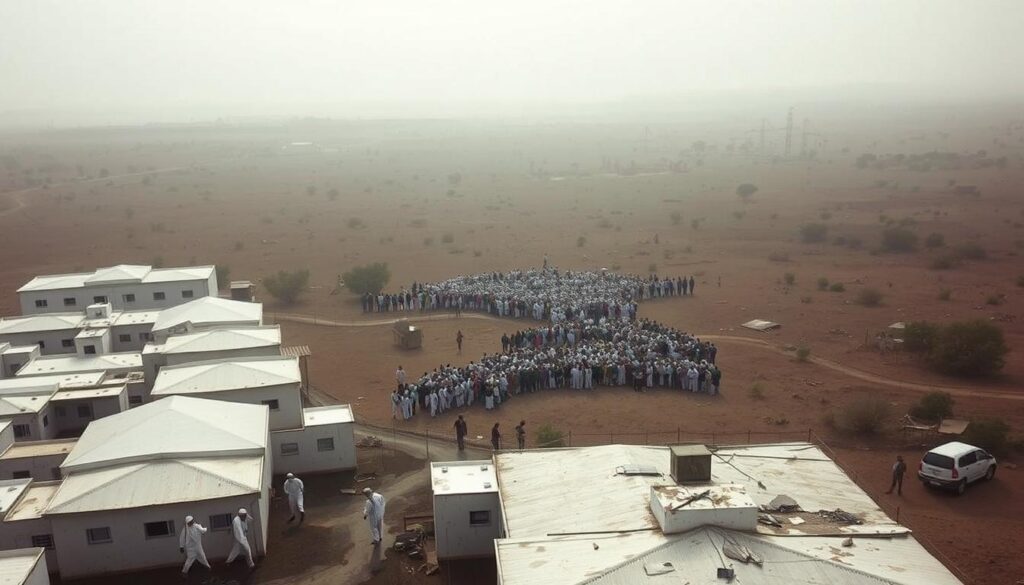
The Ebola virus came back with force in March 2014. It began in a small village in Guinea. Then, it quickly moved to Liberia and Sierra Leone. This was due to poor healthcare and not enough control of infections.
Impact on Affected Regions
The impact on West Africa was huge, with over 28,000 cases and more than 11,000 deaths. The epidemic hurt local economies and medical services a lot. It also caused a lot of fear and stigma. Diseases like malaria and tuberculosis killed more people then because health systems failed.
Successful Containment Strategies
Containment strategies were complex but effective. They heavily relied on work with communities, help from other countries, and strong public health actions. Key steps included:
- Quickly isolating and treating those sick with Ebola.
- Thoroughly tracing and watching over those in contact with the sick.
- Bringing in health workers and support from around the world.
- Educating the public to destroy myths and encourage clean habits.
This approach eventually slowed down the outbreak. It showed how important global teamwork is in fighting infectious diseases.
The COVID-19 Pandemic: A Contemporary Crisis
The COVID-19 pandemic has deeply touched every part of our world. It looks into the virus’s beginnings, how it spread quickly across the globe, and the steps taken to lessen its harsh effects.
Origins of SARS-CoV-2
SARS-CoV-2, the virus causing the COVID-19 pandemic, started in Wuhan, China, in December 2019. Experts think it came from animals and spread to humans. Knowing where it started helps us fight future health crises.
Global Spread and Impact
The virus spread fast all over, becoming a global crisis within months. Countries fought back with lockdowns and travel bans. These steps changed health systems, economies, and how we live. Here’s a summary of its effects:
| Region | Initial Outbreak | Main Impacts |
|---|---|---|
| Asia | December 2019 | Healthcare systems overwhelmed, major lockdowns in China and India |
| Europe | February 2020 | High mortality rates in Italy and Spain, economic downturn |
| North America | March 2020 | Surge in cases in the United States, significant economic relief programs |
| Africa | April 2020 | Resource shortages, slow vaccine rollout |
| South America | March 2020 | Rapid spread in Brazil, overwhelmed hospitals |
Current Public Health Measures
Countries worldwide have taken steps like social distancing and wearing masks to fight COVID-19. Vaccinations are also key. Shots from Pfizer-BioNTech, Moderna, and Johnson & Johnson are helping. Staying vigilant and adapting these actions is crucial.
The Role of Vaccination in Pandemic Control
Vaccinations have been crucial in controlling pandemics. They save countless lives by providing immunity. Vaccination programs are vital for public health during outbreaks.
Historical Successes in Vaccination
Vaccines have fought diseases effectively throughout history. Edward Jenner’s smallpox vaccine eradicated a deadly disease in the 18th century. Jonas Salk and Albert Sabin significantly lowered polio cases with their vaccine. These successes show how vital vaccines are in fighting pandemics.
Challenges in Vaccine Development and Distribution
Creating and sharing vaccines widely is hard. It takes a lot of money, advanced technology, and organization. Cold storage, fair access, and public trust also make it tough. Plus, changing germs can make vaccines less effective.
The Future of Vaccination
The outlook for vaccines is bright thanks to new tech. mRNA vaccines from Pfizer-BioNTech and Moderna against COVID-19 are highly effective. Future methods, like patches and oral vaccines, could make shots easier to get. Continued research will make vaccines better and more available.
Pandemics and the Economy: Historical Perspective
Pandemics have had a huge effect on people and the economy throughout history. They have caused a lot of deaths and disrupted trade, resulted in labor shortages, and even made industries collapse. By understanding these effects, we can better handle the economic problems from today’s pandemics.
Economic Slowdowns and Recovery
The economic downturns from pandemics are clear from history and current studies. They usually start with people spending less and problems in supply chains. However, how quickly an economy recovers can greatly differ by place and government actions. For example, after the Black Death, the economy bounced back as wages went up due to labor shortages. But, the Great Plague of London led to a long period of economic trouble.
Long-Term Economic Reformations
Lasting economic changes are key for recovery after pandemics. These changes can lead to new policies and adapt economic systems. For instance, the cholera outbreaks in the 19th century led to better public health and sanitation. This helped the economy stay stable. Similarly, the recent changes due to COVID-19 made people rethink working from home and digital infrastructure. This sets the stage for a more resilient economy in the future.
The Role of Government Interventions
Government actions are crucial in dealing with the economic effects of pandemics. Offering financial help, setting fiscal policies, and supporting affected industries are vital for reducing economic damage. The economy tends to recover faster when governments take quick and effective actions. For example, the U.S. government used various stimulus packages during COVID-19. This helped lessen the economic impact right away.
Below is a summary table depicting the economic recovery patterns and government roles in various pandemics:
| Pandemic | Initial Economic Impact | Recovery Patterns | Government Interventions |
|---|---|---|---|
| Black Death | Severe labor and economic disruption | Increased wages, economic revival | Minimal government role |
| 1918 Spanish Flu | Global trade and labor disruptions | Gradual industrial recovery | Limited intervention, focus on public health |
| COVID-19 | Global economic shutdown | Diverse recovery phases | Extensive fiscal stimulus and support |
The Social Impact of Pandemics
The social impact of pandemics reaches beyond the health crisis. It affects daily life and society’s structures. Understanding the broader impacts helps us see how societies cope and adapt in hard times.

Mental Health and Social Isolation
Mental health during pandemics suffers because of social isolation. Lockdowns and distancing make people feel lonely and anxious. To deal with these feelings, technology played a key role. It allowed for video calls, online family meets, and Netflix parties.
Changes in Social Norms and Culture
Pandemics lead to big changes in how we behave and in our culture. We rethink simple acts like handshakes and being in crowds. With more people working from home, businesses and work cultures have changed. They’ve become more flexible and adaptive.
Educational Disruptions and Innovations
The educational sector faced huge changes because of the pandemic. Schools and universities shut, moving classes online. This was tough, but it also led to new ways of learning and teaching. It showed the strength and creativity of teachers and students.
COVID-19 Super Dodgers showed us how to adapt. They kept clean, supported local shops, and helped with mental health awareness. Find out more here.
| Aspects | Pre-Pandemic | During Pandemic |
|---|---|---|
| Mental Health | Varied attention levels | Increased focus due to social isolation |
| Work Environment | Primarily office-based | Shift towards remote work |
| Education | Traditional in-class learning | Adaptation to online learning models |
| Social Interactions | In-person gatherings | Virtual interactions via technology |
Public Health Infrastructure and Pandemic Preparedness
In our globalized world, having strong public health systems is crucial. Being ready for pandemics means we can quickly handle new health threats. This needs health systems with good equipment, quick detection, and strong teamwork both locally and globally.
Building Robust Health Systems
For good pandemic readiness, it’s vital to build strong health systems. This means having hospitals ready with supplies and trained staff. Also, putting money into the latest health tech improves how well health systems work.
Importance of Surveillance and Early Detection
Being able to spot diseases early is key. With advanced monitoring, we can see outbreaks sooner. This lets health workers act fast. Data analytics help keep track of diseases and fight them better.
Community and International Collaboration
Working together is key in fighting global health crises. When local communities join health efforts, everyone knows more and follows the rules better. On a big scale, countries sharing knowledge and resources makes fighting pandemics more effective.
These actions show how important it is to work together:
| Aspect | Domestic Health Systems | International Collaboration |
|---|---|---|
| Resources | Locally sourced and distributed | Shared among nations, ensuring global accessibility |
| Surveillance | National health data systems | International data sharing platforms (e.g., WHO) |
| Response | Focused on national health guidelines | Coordinated global response strategies |
Good pandemic preparation involves many steps. It requires strong health set-ups, quick disease spotting, and teamwork both in communities and globally. Strengthening these can help us lessen the effects of future pandemics.
Pendamic in Human History
Pandemics have shaped societies through history. We learn from the evolution of infectious diseases and their effects. This helps us develop strategies for future outbreaks. It’s about understanding how diseases progress, our resilience, and lessons we’ve learned.
The Evolution of Infectious Diseases
Infectious diseases have changed over time. They’ve adapted to new environments and human defenses. Pathogens have evolved due to genetic mutations, environmental changes, and human activities like cities growing and more travel.
Human Adaptation and Resilience
Humans have shown great resilience against diseases. We’ve gone from basic hygiene to advanced medicine. Our defense against diseases keeps getting better. This shows our ability to learn from the past and improve our disease-fighting strategies.
Lessons Learned from Past Pandemics
Pandemics teach us important lessons, showing our strengths and weaknesses. By looking at past outbreaks, we learn key points:
- Early detection and quick action are key to control outbreaks.
- Community involvement and educating people help enforce health measures.
- Investing in healthcare and research helps us be ready for future challenges.
These lessons make society better prepared and informed. They boost our global ability to manage future pandemics.
Innovative Responses to Pandemics
In the battle against global health crises, innovative responses to pandemics are key. Cutting-edge pandemic management tech, smart crisis communication, and new remote healthcare solutions have changed how we deal with emergencies.
Technology and Pandemic Management
Advances in pandemic management tech help stop diseases from spreading. Technology, like AI predictions and contact tracing apps, boosts our response speed. These tools help health experts find hotspots and send help where it’s needed most.
“The use of artificial intelligence and machine learning in pandemic management has transformed our approach to handling outbreaks,” noted Dr. Anthony Fauci.
Remote Healthcare Solutions
Remote healthcare has become vital during lockdowns. Platforms like Teladoc Health and Amwell let people talk to doctors from home. This keeps hospitals less crowded and continues care for people with ongoing health issues.
| Technology | Benefit | Example |
|---|---|---|
| Telemedicine | Ensures continuous patient care | Teladoc Health |
| AI Predictive Models | Anticipates outbreak hotspots | BlueDot |
| Contact Tracing Apps | Tracks and reduces disease spread | Apple/Google API |
Crisis Communication and Information Dissemination
Clear crisis communication is crucial in health crises. Sharing information quickly and clearly builds public trust and encourages following health advice. Social media and official websites play a big role in sharing correct info and fighting false news.
The mix of pandemic management tech, remote healthcare breakthroughs, and smart crisis communication has changed the game against pandemics. These improvements don’t just save lives; they also make our health systems stronger.
Conclusion
Throughout history, global pandemics have greatly shaped societies. We learn a lot by looking at events from the Plague of Athens to COVID-19. They show us how pandemics affect health, economy, and social life.
One key lesson is the importance of strong public health systems. Advances in medical science and public health policies have been crucial. They help manage and eventually beat pandemics. This includes better sanitation and vaccines. So, we must keep improving public health to respond quickly to future pandemics.
Also, technology plays a huge role in fighting pandemics. It helps share information fast, offers remote healthcare, and uses advanced technology for crisis management. These steps, along with global teamwork, are our future in managing pandemics. By using lessons from the past, we can face pandemics with more strength. This ensures the health and future of our societies.