
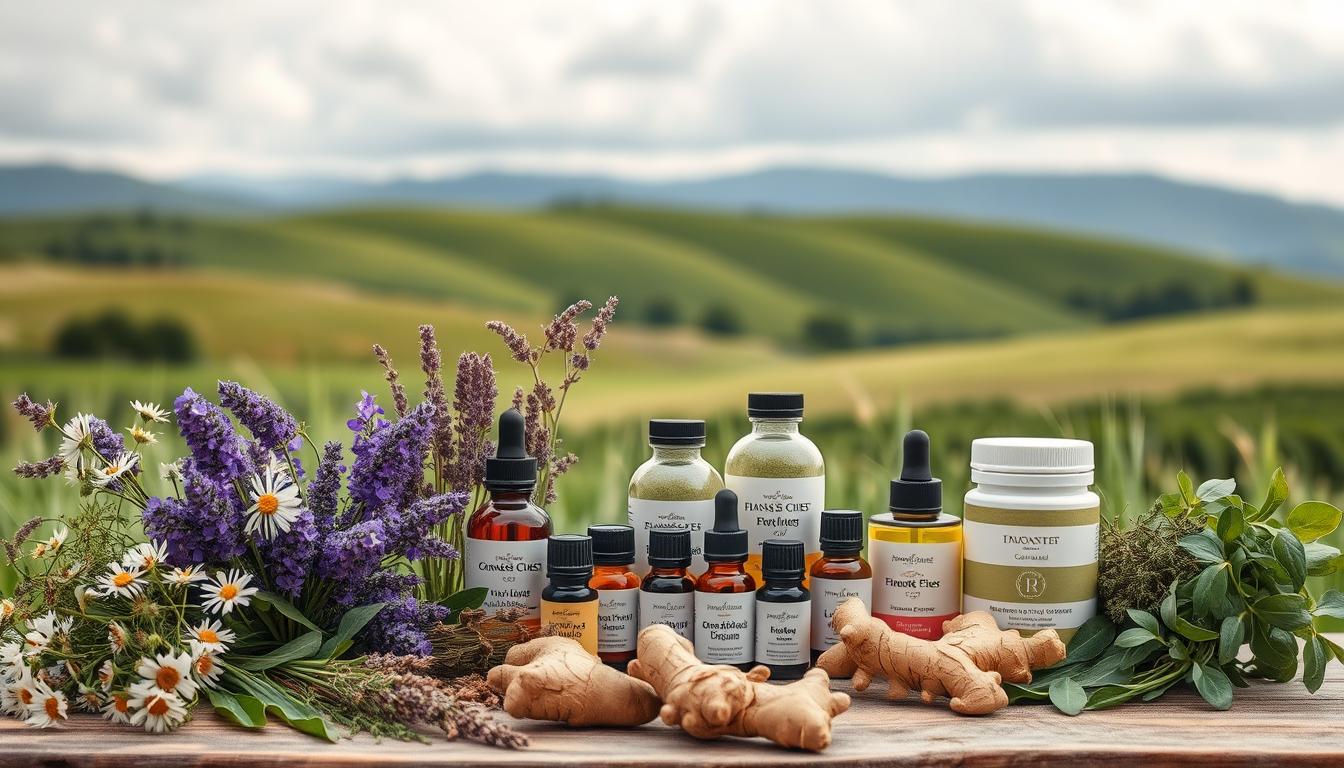
Millions of women in America face tough PMS symptoms every month. These can include painful cramps and mood swings. Luckily, there are natural ways to ease these symptoms without medication.
Managing PMS symptoms doesn’t have to be hard or costly. Making small changes in your daily life and using natural supplements can help a lot. Studies show that up to 85% of women deal with PMS symptoms each month. For those with severe symptoms, it can affect work, relationships, and life quality a lot.
Knowing what your body needs during PMS is key to finding relief. While some may need medical help, many find natural methods work best. Changes like diet and stress management can lessen symptoms and help you feel better.
Key Takeaways
- Natural PMS relief methods can effectively reduce symptoms without medication
- Up to 85% of women experience premenstrual symptoms monthly
- Simple lifestyle changes can significantly improve how you feel
- Natural PMS supplements like calcium and magnesium may help reduce symptoms
- Stress management plays a crucial role in premenstrual symptom treatment
- Regular exercise and proper hydration can ease physical discomfort
- Finding the right combination of natural remedies takes time but offers lasting benefits
Understanding PMS: Causes and Symptoms
Premenstrual syndrome (PMS) affects millions of women each month. It disrupts daily life with physical and emotional challenges. Knowing the causes and symptoms can help find menstrual cramp remedies and balance hormones. The luteal phase of your cycle triggers hormonal shifts, leading to uncomfortable experiences.
What is PMS?
PMS is a set of symptoms that appear one to two weeks before your period. Estrogen and progesterone levels change a lot, affecting your body’s rhythm. Factors like vitamin levels, genetics, and diet can affect how severe PMS is. Too much salt, caffeine, and alcohol can make symptoms worse and upset hormone balance.
Common Symptoms of PMS
Physical symptoms vary among women but follow patterns. Your body may change in many ways at once, making daily tasks hard.
| Physical Symptoms | Frequency | Impact Level |
|---|---|---|
| Abdominal cramps | Very common (75%) | Moderate to severe |
| Bloating | Common (70%) | Mild to moderate |
| Breast tenderness | Common (65%) | Mild to moderate |
| Headaches | Moderate (50%) | Mild to severe |
| Back pain | Moderate (45%) | Moderate |
The Emotional Impact of PMS
PMS also has a big emotional impact, needing good mood swing management. Women often feel overwhelmed by sudden mood changes, like irritability and sadness. Sleep problems make these feelings worse, leading to fatigue and sensitivity.
It’s hard to focus and socialize when you’re feeling this way. This can hurt your work and personal life. Knowing these patterns helps find the right menstrual cramp remedies and ways to cope.
Lifestyle Changes for PMS Relief
Making small changes in your daily life can greatly improve your PMS symptoms. These changes can make a big difference in how you feel each month. They help you feel more comfortable and reduce symptoms that bother you.
Importance of Nutrition
What you eat affects how your body handles PMS symptoms. Eating foods rich in calcium and vitamin D can help. Foods with thiamin (vitamin B1) and riboflavin (vitamin B2) are also key for managing symptoms.
Some foods can make symptoms worse, while others can help. Alcohol can hurt thiamine levels, and processed foods can lack important nutrients. Opt for foods that are full of nutrients for better results.
| Nutrient | Food Sources | Benefits for PMS |
|---|---|---|
| Riboflavin (B2) | Milk, eggs, fish, nuts | Reduces cramping and mood swings |
| Thiamin (B1) | Wild rice, mushrooms, yeast | Improves energy and reduces fatigue |
| Calcium | Dark leafy greens, cheese | Minimizes bloating and breast tenderness |
Exercise and Its Benefits
Exercise is a great way to manage PMS symptoms. It can help with headaches, swelling, nausea, and more. Just 30 minutes of activity each day can improve your comfort a lot.
Reducing Stress Through Mindfulness
Mindful meditation can reduce anxiety, depression, and pain from PMS. It helps you stay present and relax. Deep breathing exercises are also helpful. Regular mindfulness can make your body respond better to hormonal changes.
Herbal Remedies for PMS Symptoms
For centuries, women have used nature’s pharmacy for premenstrual symptom treatment. These herbs are gentle yet effective. Many women find them helpful without harsh side effects.
Chamomile Tea
Chamomile is more than a calming flower. It’s a top natural PMS supplement. Drinking chamomile tea before bed helps you relax and sleep better. You can also use its essential oil in aromatherapy to ease PMS days.
Ginger Root
Ginger is a strong ally for period pain alleviation. It warms the body and blocks pain-causing compounds. It also helps with stomach issues and nausea that come with PMS. Try ginger tea or add grated ginger to smoothies.
Raspberry Leaf
Red raspberry leaf tea has been a women’s health ally for ages. It strengthens the uterus and helps regulate menstrual flow. Drinking it regularly can make periods less painful and reduce PMS symptoms. Start with one cup a day and increase as needed.
Dietary Supplements for PMS Relief
Finding the right natural PMS supplements can really help manage monthly symptoms. Many vitamins and minerals support hormone balance and ease discomfort. They tackle both physical and emotional symptoms that women often face.
Calcium and Vitamin D
Calcium is key in reducing PMS symptoms. Studies show that 1,200mg daily can lessen mood swings, fatigue, and physical pain. Vitamin D boosts calcium absorption, making it more effective. This duo helps stabilize emotions and cuts down on bloating.
Magnesium
Magnesium is a top choice for menstrual cramp relief. Taking 360mg daily can lessen breast tenderness and water retention. Low magnesium can cause anxiety, irritability, and muscle weakness. Adding vitamin B6 (50-100mg daily) makes magnesium even more effective against PMS symptoms.
Omega-3 Fatty Acids
Omega-3 fatty acids from fish oil or flaxseed keep hormones balanced by reducing inflammation. These healthy fats lower prostaglandin production, which causes cramps and pain. They also improve mood and reduce PMS headaches.
Remember that supplements aren’t monitored by the FDA for quality or purity, so choose reputable brands and consult your healthcare provider before starting any new supplement routine.
The Role of Hydration in PMS

Water is key in managing PMS symptoms and improving cycle comfort. It helps your body get rid of extra fluids and eases discomfort. Drinking enough water helps your kidneys work better, getting rid of waste and preventing water retention.
How Water Affects PMS Symptoms
Drinking water helps reduce bloating during PMS. When you’re not drinking enough, your body holds onto water, making bloating worse. Drinking eight 8-ounce glasses of water a day helps your body release trapped fluids. Just two standard water bottles a day meet your needs.
Staying hydrated during your period boosts your energy and overall health. Water helps regulate your body’s temperature, carries nutrients, and keeps blood flowing. These are crucial when you’re feeling PMS discomfort.
Foods with High Water Content
Some foods are naturally good for PMS relief because they’re full of water. Watermelon, with 92% water, is great for hydration and sweet cravings. Cucumbers and celery are refreshing and help with bloating.
Natural diuretics help get rid of extra fluid without losing potassium:
- Asparagus and beets support kidney function
- Cabbage and cranberries reduce water retention
- Garlic and parsley enhance natural detoxification
Eating these water-rich foods can greatly improve your cycle comfort and manage symptoms.
The Benefits of Regular Exercise
Physical activity is a top way to treat premenstrual symptoms. Studies show that up to 75% of women feel better with exercise. It releases endorphins that help with pain, anxiety, and depression, boosting your mood.
Just 2-3 hours of moderate or 1 hour of vigorous exercise a week can help manage mood swings.
Types of Exercises to Try
There are many exercises that help with PMS. Walking is great for those heavy bleeding days because it’s easy on the body. Swimming is full-body and calming.
Pilates strengthens your core and helps you relax. Weight training builds strength and balances hormones. Each type of exercise helps in its own way.
Incorporating Yoga for Relaxation
Yoga combines breathing, meditation, and poses to ease discomfort. A 2016 study found that yoga improves menstrual pain and health. Key poses include:
- Bridge Pose – relieves lower back tension and cramps
- Downward-Facing Dog – increases blood flow and reduces bloating
- Butterfly Pose – opens hips and eases pelvic discomfort
Finding the Right Routine
Finding a good exercise routine means matching activities to your energy levels. Try exercising outdoors for vitamin D, which helps your mood. Start slow on tough days and get more intense as you feel better.
Consistency is more important than intensity for managing premenstrual symptoms.
The Power of Heat Therapy
Heat therapy is a top natural way to ease period pain. Warmth helps relax tight muscles and boosts blood flow to the pelvic area. This method has been a go-to for generations to ease menstrual discomfort.
Using Heating Pads
Heating pads are great for targeting menstrual cramp relief. Just put the pad on your lower belly or back for 15-20 minutes. You can adjust the heat with electric pads or use microwaveable ones filled with rice or flaxseed. Always put a layer between your skin and the heat to avoid burns.
Warm Baths for Comfort
Warm baths offer more than just comfort. Fill your tub with water between 92-100°F. Add a few drops of lavender or clary sage essential oils for extra relaxation. The warm water eases muscle cramps, and the oils calm your nerves.
| Bath Addition | Benefits | Amount to Use |
|---|---|---|
| Epsom Salt | Reduces inflammation | 1-2 cups |
| Lavender Oil | Promotes relaxation | 5-8 drops |
| Chamomile Tea Bags | Soothes muscles | 3-4 bags |
Make time for a 20-30 minute bath ritual. Light candles, play soft music, and let the warmth ease your cramps. After your bath, wrap up in a soft robe and use a hot water bottle on your lower belly.
Managing Stress Through Relaxation Techniques
Stress and premenstrual symptoms often go hand in hand, making mood swing management tough. When stress goes up, PMS symptoms seem to worsen. But, simple relaxation techniques can help break this cycle and offer PMS relief.
Deep Breathing Exercises
Deep breathing quickly calms your nervous system during premenstrual symptom treatment. Here’s how to do it:
- Sit comfortably with your eyes closed
- Breathe in slowly through your nose for 4 counts
- Hold your breath for 4 counts
- Exhale through your mouth for 6 counts
- Repeat 5-10 times
This method helps you stay in the moment, away from worries about symptoms. Many women find that just five minutes of deep breathing can cut down on irritability and anxiety.
Guided Visualization
Guided visualization combines breathing with mental images for effective PMS relief. Imagine yourself in a serene spot while breathing deeply. UCLA Health offers free guided meditations online. YouTube has many meditation videos for mood swing management. Apps like Headspace and Calm make it easy to meditate anywhere.
“Taking just 10 minutes to visualize a calm beach or quiet forest can significantly reduce the emotional intensity of PMS symptoms.”
Studies show that regular use of these techniques can improve premenstrual symptom treatment results. Begin with just five minutes a day and increase as you get more comfortable.
Understanding Hormonal Balance
Your menstrual cycle is a complex mix of hormones that keep your reproductive health in check. It has four phases: menstrual, follicular, ovulation, and luteal. In the luteal phase, hormone shifts often lead to PMS symptoms. Knowing how these hormones work can help you manage symptoms and boost your cycle comfort.
The Role of Estrogen and Progesterone
Estrogen and progesterone control your menstrual cycle. After ovulation, progesterone levels go up to get your uterus ready for pregnancy. If pregnancy doesn’t happen, hormone levels drop fast. This drop can cause PMS symptoms like bloating, mood swings, and tiredness.
When hormone levels are off, symptoms can get worse. This is because hormones affect your whole body.
Natural Ways to Support Hormonal Health
Keeping your hormone balance in check is easier than you think. Regular exercise helps regulate hormones and lowers stress hormones. Sleeping well, aiming for seven to nine hours a night, helps your body produce hormones right.
Eating a diet full of whole foods gives your body the nutrients it needs for hormone production. Many women find relief with natural PMS supplements that have vitamins, minerals, and herbs. Products like Knowell support your body’s natural cycle.
Stress management, like meditation or yoga, keeps cortisol levels down. This helps with better hormone balance.
Acupuncture and PMS Management
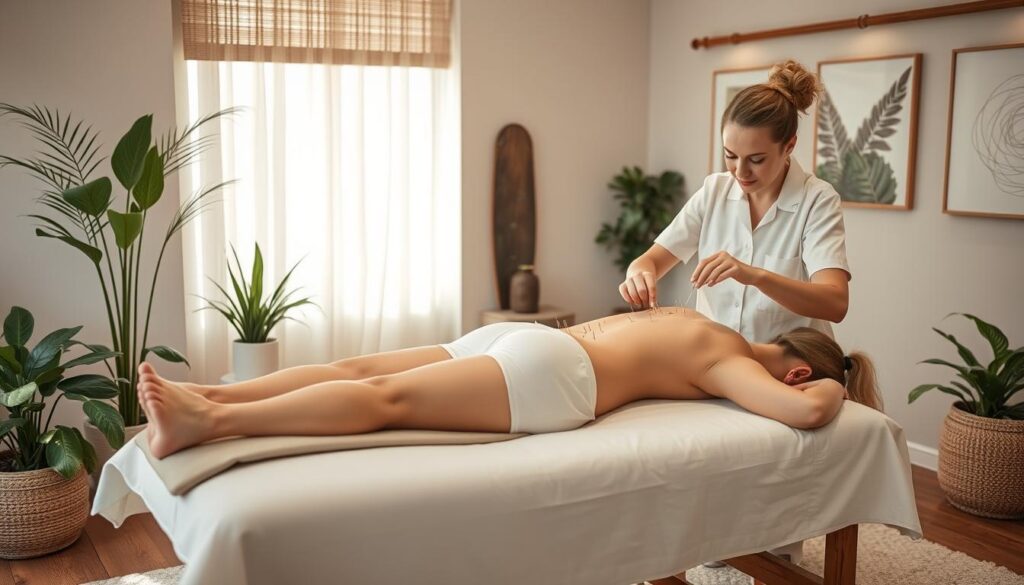
Acupuncture is now seen as a good way to handle premenstrual symptoms. It’s an old Chinese method where thin needles are put into certain spots on the body. This helps balance and heal. Many women find it eases both physical and emotional PMS symptoms.
What to Expect from Acupuncture
At your first acupuncture session, a trained expert will talk about your symptoms and health. The treatment is calming. You’ll lie down while the acupuncturist puts in needles that feel like a tiny pinch.
Each session lasts 30-60 minutes. The needles stay in while you relax. People often say they feel very calm. For PMS, you might need to go weekly, starting two weeks before your period.
How Acupuncture Helps
A 2011 study showed acupuncture can help with period pain. It works by hitting specific spots that match different symptoms:
- Lower abdomen points (two finger-widths below the navel) target cramps and bloating
- Lower back points (between the hips and buttocks) address pelvic and back pain
- Hand points (between thumb and forefinger) help with headaches and abdominal discomfort
Acupuncture seems to calm the nervous system and release pain-relieving chemicals. Done by experts, it’s safe and can be a big help in managing PMS symptoms.
The Impact of Sleep on PMS Symptoms
Sleep quality is key in managing mood swings during your menstrual cycle. Symptoms like cramps and bloating can make it hard to sleep. This cycle of poor sleep and PMS symptoms can be tough to break.
Research shows that not enough sleep can mess with your menstrual cycle. It can also make emotional symptoms worse.
Creating a Sleep-Friendly Environment
Your bedroom setup is important for a good night’s sleep. Keep it cool, between 60-67°F. Also, avoid having TVs and electronic devices in your bedroom.
These devices give off blue light that can mess with your sleep hormones. Use blackout curtains or eye masks to block out light. White noise machines or earplugs can help too.
Make sure your bedroom is only for sleep and intimacy. This helps your brain link your bed with rest.
Tips for Better Sleep Hygiene
Good sleep habits can help with PMS symptoms. Here are some tips:
- Stick to the same bedtime and wake time every day, even on weekends.
- Have a calming routine before bed, lasting 30-60 minutes.
- Exercise regularly, but stop at least 3 hours before bedtime.
- Stay away from caffeine, alcohol, and nicotine 6 hours before bed.
- Eat light meals in the evening to avoid stomach trouble.
Quality sleep helps your brain and emotions. It makes managing PMS symptoms easier.
Seeking Professional Advice
Natural remedies can help a lot with premenstrual symptom treatment. But, sometimes you need a doctor’s help. Knowing when to ask for medical advice can really help manage your symptoms.
When to Consult a Doctor
If PMS symptoms are really getting in the way of your life, see a doctor. This means missing work, school, or having trouble with relationships. These signs might mean you have Premenstrual Dysphoric Disorder (PMDD), a serious issue with hormone balance.
Look out for these warning signs:
- Severe depression or anxiety before your period
- Thoughts of self-harm
- Extreme mood swings affecting your relationships
- Physical symptoms that don’t respond to home remedies
Alternative Therapies to Consider
Your doctor might suggest different treatments for PMS relief. Hormonal birth control, like pills or patches, can help balance hormones. For mood symptoms, antidepressants might be prescribed, especially for PMDD.
Some mental health issues, like anxiety or depression, can get worse before your period. This is called premenstrual magnification. A doctor can tell if you’re dealing with PMS or if you need help for another condition.
Journaling as a Self-Care Tool
Writing down your thoughts and experiences can change how you manage mood swings. A journal acts as your personal health detective. It helps you find patterns and triggers that affect your comfort during your cycle.
By tracking your symptoms regularly, you learn a lot about your body. You discover what it needs and when.
Tracking Symptoms and Emotional Well-being
Begin by recording your physical and emotional changes for at least three cycles. Note symptoms like cramping, bloating, or irritability. Also, write down what you eat, how you sleep, and any natural PMS supplements you take.
Pay attention to both the tough days and the good ones. This helps you see what works and what doesn’t.
Your tracking might show surprising connections. Maybe dairy makes you bloated, or evening walks lift your mood. Record these findings:
- Physical symptoms and their severity
- Emotional changes throughout the day
- Foods that help or worsen symptoms
- Activities that bring relief
- Sleep quality and duration
Reflection and Mindfulness
Use your journal for deeper reflection too. Write about your feelings without judgment. This practice supports your cycle comfort by reducing stress and increasing self-awareness.
Take five minutes each evening to note three things that went well, even on tough days.
Share your tracking data with your healthcare provider. These detailed records help create personalized treatment plans that truly work for your body.
The Importance of Community Support
Finding the right PMS relief can feel lonely when you’re dealing with symptoms every month. Connecting with others who get it is key. Sharing stories and tips helps make talking about menstrual health easier and breaks down old stereotypes.
Connecting with Others
Starting meaningful connections means talking openly about premenstrual symptom treatment. Many find comfort just by sharing with friends or joining support groups. These groups show that mood swings and physical issues are normal, not flaws.
Online Resources and Forums
Digital communities are great for learning about cycle comfort tips. They offer safe places to share and learn:
| Platform Type | Benefits | Best For |
|---|---|---|
| Reddit Communities | Anonymous sharing, diverse perspectives | Quick advice and tips |
| Facebook Groups | Moderated discussions, regular check-ins | Long-term support networks |
| Health Forums | Expert-verified information, symptom tracking | Medical guidance and research |
| Period Tracking Apps | Community features, personalized insights | Daily symptom management |
Not everyone with symptoms has clinical PMS. Online groups help tell the difference. They encourage looking at overall health before blaming hormones for everything.
Conclusion: Finding the Right Combination for Relief
PMS relief is different for everyone. Your body reacts to treatments in its own way. Some find comfort in a hot bath, while others prefer natural supplements like magnesium or calcium.
The goal is to find what works best for you without affecting your daily life. It’s about finding relief that fits your lifestyle.
Science has identified seven proven methods for PMS relief. Eating a balanced diet helps your body handle hormonal changes. Regular exercise can reduce cramping and mood swings.
Getting enough sleep is crucial for healing and resetting. Stress reduction techniques calm both mind and body. The right supplements can fill nutritional gaps.
It’s important to recognize when symptoms are not just PMS. This ensures you get the right care. Understanding any underlying health conditions is key to treating the real problem.
Making simple dietary changes can help reduce bloating. Limit sodium to under 1,500 milligrams daily. Choose foods like sweet potatoes, spinach, bananas, tomatoes, and avocados for their potassium.
These foods act as natural diuretics. For intense cramping, consider ibuprofen, naproxen, or acetaminophen. These over-the-counter medications offer quick relief when natural methods aren’t enough.
Building your PMS relief toolkit takes time and patience. Start with one or two methods that appeal to you. Track your results in a journal or app.
Adjust your approach based on what works. Remember, what helps your sister or best friend might not work for you. Your path to feeling better is unique and yours to discover.