
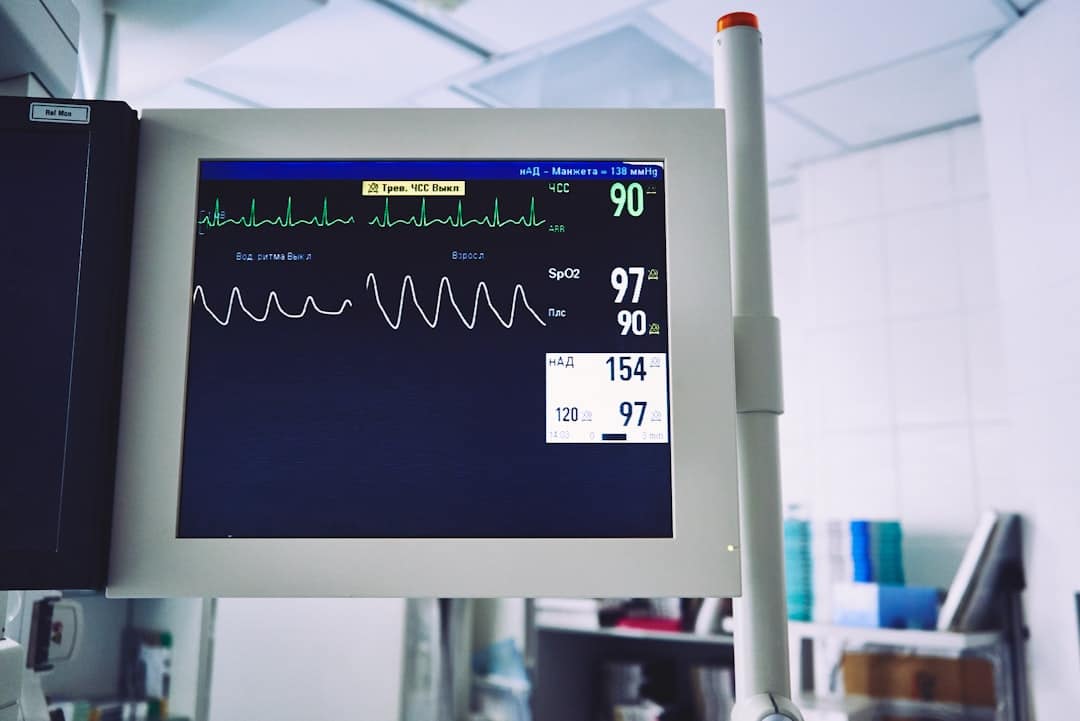
High blood pressure, or hypertension, is often referred to as a silent killer due to its asymptomatic nature. Many individuals may be unaware that their blood pressure levels are elevated until they experience serious health complications. The significance of managing blood pressure cannot be overstated, as it plays a crucial role in preventing cardiovascular diseases, strokes, and kidney failure.
According to the American Heart Association, nearly half of adults in the United States have high blood pressure, which underscores the urgency of addressing this widespread health issue. Lowering blood pressure is not merely about avoiding immediate health risks; it is also about enhancing overall quality of life. Elevated blood pressure can lead to fatigue, headaches, and cognitive decline, which can significantly impact daily functioning.
By taking proactive steps to manage blood pressure, individuals can improve their physical health and mental well-being. Furthermore, maintaining healthy blood pressure levels can reduce healthcare costs associated with chronic diseases, making it a financially prudent decision as well.
Key Takeaways
- Lowering blood pressure is important for reducing the risk of heart disease, stroke, and other health complications.
- Making dietary changes such as reducing sodium intake and increasing potassium-rich foods can help lower blood pressure.
- Regular exercise, including aerobic and strength training, can significantly lower blood pressure.
- Managing stress through techniques such as meditation, yoga, and deep breathing can help reduce blood pressure.
- Limiting alcohol consumption and quitting smoking are crucial for improving blood pressure and overall health.
Making Dietary Changes to Lower Blood Pressure
Diet plays a pivotal role in managing blood pressure levels. The DASH (Dietary Approaches to Stop Hypertension) diet is specifically designed to combat high blood pressure through nutritional choices. This diet emphasizes the consumption of fruits, vegetables, whole grains, and lean proteins while reducing saturated fats and cholesterol.
For instance, incorporating foods rich in potassium, such as bananas, sweet potatoes, and spinach, can help balance sodium levels in the body and promote healthier blood pressure readings. In addition to the DASH diet, reducing processed foods is essential for blood pressure management. Many processed foods contain high levels of sodium and unhealthy fats that can contribute to hypertension.
For example, a single serving of canned soup can contain more than 800 milligrams of sodium, which is a significant portion of the recommended daily limit. By opting for fresh ingredients and cooking at home, individuals can better control their sodium intake and create meals that support cardiovascular health.
Incorporating Regular Exercise into Your Routine

Regular physical activity is another cornerstone of effective blood pressure management. Engaging in aerobic exercises such as walking, jogging, cycling, or swimming can lead to significant reductions in blood pressure levels. The American Heart Association recommends at least 150 minutes of moderate-intensity aerobic exercise each week for optimal heart health. This could translate into 30 minutes of brisk walking five days a week, making it an achievable goal for many individuals. Moreover, strength training exercises can also contribute to lowering blood pressure.
Activities such as weight lifting or resistance band workouts help build muscle mass, which in turn can improve metabolic health and enhance cardiovascular function.
A study published in the Journal of Hypertension found that individuals who combined aerobic exercise with strength training experienced greater reductions in blood pressure compared to those who only engaged in one type of exercise.
This highlights the importance of a well-rounded fitness routine that incorporates both aerobic and resistance training.
Managing Stress to Reduce Blood Pressure
| Technique | Effectiveness | Notes |
|---|---|---|
| Deep Breathing | High | Helps to relax and reduce stress |
| Exercise | High | Regular physical activity can lower blood pressure |
| Meditation | Medium | Can help to calm the mind and reduce stress |
| Healthy Diet | High | Low sodium, high potassium diet can help to lower blood pressure |
Stress is a significant contributor to elevated blood pressure levels. When individuals experience stress, their bodies release hormones such as adrenaline and cortisol, which can lead to temporary spikes in blood pressure. Chronic stress can have a cumulative effect, resulting in sustained hypertension over time.
Therefore, finding effective stress management techniques is essential for maintaining healthy blood pressure. Mindfulness practices such as meditation and yoga have been shown to reduce stress and promote relaxation. For example, a study published in the journal Health Psychology found that participants who practiced mindfulness meditation experienced lower blood pressure levels compared to those who did not engage in such practices.
Additionally, deep breathing exercises can help activate the body’s relaxation response, counteracting the effects of stress on the cardiovascular system.
By incorporating these techniques into daily routines, individuals can create a more balanced lifestyle that supports both mental and physical health.
Limiting Alcohol Consumption to Lower Blood Pressure
Alcohol consumption has a complex relationship with blood pressure. While moderate drinking may have some cardiovascular benefits, excessive alcohol intake is linked to increased blood pressure levels. The American Heart Association defines moderate drinking as up to one drink per day for women and up to two drinks per day for men.
Exceeding these limits can lead to hypertension and other health complications. For instance, research has shown that individuals who consume more than three alcoholic beverages per day are at a higher risk for developing high blood pressure. This is particularly concerning given that many people may underestimate their alcohol intake or engage in binge drinking behaviors.
By being mindful of alcohol consumption and making conscious choices about drinking habits, individuals can take significant steps toward lowering their blood pressure and improving overall health.
Quitting Smoking to Improve Blood Pressure

Smoking is another major risk factor for hypertension and cardiovascular disease. The chemicals found in tobacco smoke can damage blood vessels and lead to increased arterial stiffness, which contributes to elevated blood pressure levels. Quitting smoking is one of the most impactful changes an individual can make for their cardiovascular health.
The benefits of quitting smoking extend beyond just lowering blood pressure; they also include improved lung function and reduced risk of heart disease and stroke. Research indicates that within just a few weeks of quitting smoking, individuals may experience noticeable improvements in their blood pressure readings. Support systems such as counseling or smoking cessation programs can provide valuable resources for those looking to quit smoking successfully.
Monitoring Sodium Intake for Better Blood Pressure Control
Sodium intake is closely linked to blood pressure regulation. High sodium consumption can lead to fluid retention, which increases the volume of blood in circulation and subsequently raises blood pressure levels. The American Heart Association recommends limiting sodium intake to no more than 2,300 milligrams per day for most adults, with an ideal limit of 1,500 milligrams for those with hypertension.
To effectively monitor sodium intake, individuals should become familiar with food labels and ingredient lists. Many packaged foods contain hidden sources of sodium that can easily exceed daily limits without individuals realizing it. For example, condiments like soy sauce or salad dressings often contain high levels of sodium.
By choosing low-sodium alternatives or preparing meals from scratch using fresh ingredients, individuals can better manage their sodium intake and support healthier blood pressure levels.
Exploring Natural Remedies for Lowering Blood Pressure
In addition to lifestyle changes and dietary modifications, some individuals may seek natural remedies to help lower their blood pressure. Various herbs and supplements have been studied for their potential antihypertensive effects. For instance, garlic has been shown to have a modest effect on lowering blood pressure due to its ability to enhance nitric oxide production in the body, which helps relax blood vessels.
Another natural remedy gaining attention is hibiscus tea. Research published in the Journal of Nutrition found that consuming hibiscus tea resulted in significant reductions in systolic and diastolic blood pressure among participants with prehypertension or mild hypertension. While these natural remedies may offer additional support for managing blood pressure, it is essential for individuals to consult with healthcare professionals before incorporating them into their routines to ensure safety and efficacy.
Seeking Medical Advice for Blood Pressure Management
While lifestyle changes are crucial for managing blood pressure, seeking medical advice is equally important for comprehensive care. Healthcare professionals can provide personalized recommendations based on individual health profiles and risk factors. Regular check-ups allow for monitoring of blood pressure trends over time and enable timely interventions if necessary.
In some cases, medication may be required to achieve optimal blood pressure control. There are various classes of antihypertensive medications available, each with different mechanisms of action and potential side effects. A healthcare provider can help determine the most appropriate treatment plan based on an individual’s specific needs and circumstances.
Utilizing Technology for Blood Pressure Monitoring
Advancements in technology have made it easier than ever for individuals to monitor their blood pressure at home. Digital blood pressure monitors are widely available and provide accurate readings with minimal effort. Many devices also come equipped with features that allow users to track their readings over time, making it easier to identify trends and share data with healthcare providers.
Mobile applications designed for health tracking can further enhance this process by allowing users to log their readings alongside other lifestyle factors such as diet and exercise. This comprehensive approach enables individuals to take an active role in managing their health while facilitating informed discussions with healthcare professionals during appointments.
Creating a Supportive Environment for Maintaining Healthy Blood Pressure
Creating a supportive environment is essential for sustaining healthy lifestyle changes aimed at lowering blood pressure. This includes surrounding oneself with friends and family who prioritize health and wellness, as social support can significantly influence behavior change. Engaging in group activities such as exercise classes or cooking healthy meals together fosters accountability and motivation.
Additionally, making changes within one’s living space can promote healthier habits. For example, keeping healthy snacks readily available while minimizing access to processed foods can encourage better dietary choices. Establishing routines that incorporate regular physical activity—such as walking during lunch breaks or scheduling workout sessions—can also help reinforce commitment to maintaining healthy blood pressure levels over time.
By understanding the multifaceted approach required for effective blood pressure management—encompassing dietary changes, exercise, stress management, alcohol moderation, smoking cessation, sodium monitoring, natural remedies, medical guidance, technology utilization, and supportive environments—individuals can take proactive steps toward achieving optimal cardiovascular health.
If you are looking for ways to lower your blood pressure quickly, you may also be interested in learning about the benefits of masseter Botox for TMJ relief. Masseter Botox injections can help relax the jaw muscles and alleviate symptoms of TMJ, which may in turn help reduce stress and lower blood pressure. To learn more about how often you may need masseter Botox for TMJ relief, check out this informative article here.
FAQs
What is high blood pressure (BP)?
High blood pressure, also known as hypertension, is a condition where the force of blood against the walls of the arteries is consistently too high. This can lead to serious health problems such as heart disease, stroke, and kidney disease.
What are the symptoms of high blood pressure?
High blood pressure is often referred to as a “silent killer” because it typically has no symptoms. However, in some cases, people with high blood pressure may experience headaches, shortness of breath, dizziness, or nosebleeds.
How can I lower my blood pressure fast?
There are several lifestyle changes and home remedies that can help lower blood pressure quickly, including reducing sodium intake, increasing physical activity, managing stress, and maintaining a healthy weight. It’s important to consult with a healthcare professional before making any significant changes to your lifestyle.
What are some foods that can help lower blood pressure?
Foods that are high in potassium, such as bananas, spinach, and sweet potatoes, can help lower blood pressure. Additionally, foods rich in magnesium, such as dark chocolate, nuts, and whole grains, may also have a positive impact on blood pressure.
Are there any natural remedies for lowering blood pressure fast?
Some natural remedies that may help lower blood pressure quickly include drinking hibiscus tea, consuming garlic, and taking supplements such as fish oil, coenzyme Q10, and beetroot juice. However, it’s important to consult with a healthcare professional before using any natural remedies, as they may interact with other medications or have side effects.