

Brain ameba, scientifically known as Naegleria fowleri, is a free-living ameba that primarily inhabits warm freshwater environments, such as hot springs, lakes, and poorly maintained swimming pools. This single-celled organism is notorious for its ability to cause a rare but devastating brain infection known as primary amoebic meningoencephalitis (PAM). Naegleria fowleri thrives in temperatures ranging from 25 to 46 degrees Celsius (77 to 115 degrees Fahrenheit), making it particularly prevalent in warmer climates.
The ameba enters the human body through the nasal passages, typically when individuals engage in water-related activities, such as swimming or diving in contaminated water. Once inside the body, Naegleria fowleri travels along the olfactory nerve to the brain, where it begins to multiply and cause inflammation. The infection progresses rapidly, often leading to severe neurological damage and, in most cases, death.
Although PAM is extremely rare, with only a handful of cases reported annually in the United States, the mortality rate is alarmingly high, often exceeding 97%. Understanding the biology and behavior of this organism is crucial for recognizing its potential dangers and implementing preventive measures. The brain eating amoeba is a rare but deadly organism that can cause a rare and deadly infection in the brain. brain eating amoeba
Key Takeaways
- A brain ameba is a type of single-celled organism that can cause a rare but serious infection in the brain.
- Common symptoms of brain ameba infection include headache, fever, nausea, vomiting, stiff neck, sensitivity to light, confusion, hallucinations, loss of balance and coordination, seizures, and changes in mental status.
- Headache and fever are early symptoms of brain ameba infection and should not be ignored.
- Nausea and vomiting can also be early signs of brain ameba infection and may worsen as the infection progresses.
- Stiff neck and sensitivity to light, along with confusion, hallucinations, loss of balance and coordination, seizures, and changes in mental status, are all serious symptoms that require immediate medical attention.
Common Symptoms of Brain Ameba Infection
The symptoms of a brain ameba infection typically manifest within one to two weeks after exposure to contaminated water. Initial signs can be nonspecific and may resemble those of other common illnesses, which can complicate timely diagnosis. As the infection progresses, symptoms become more severe and specific to neurological impairment.
Common symptoms include headache, fever, nausea, vomiting, stiff neck, sensitivity to light, confusion, hallucinations, loss of balance and coordination, seizures, and changes in mental status. Each of these symptoms can vary in intensity and may develop rapidly as the infection advances.
Understanding these symptoms can help individuals recognize potential infections early and seek medical attention promptly.
Headache and Fever
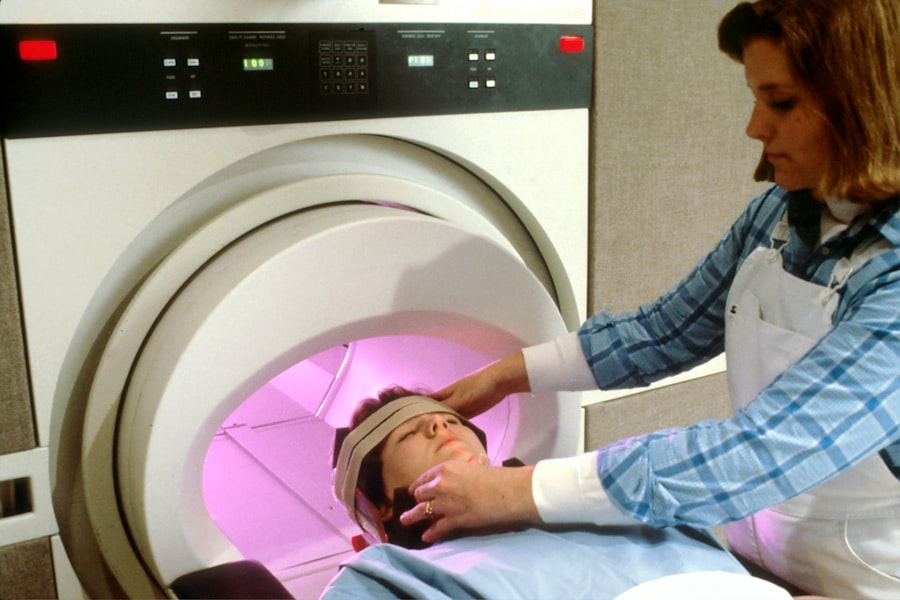
One of the earliest symptoms of a brain ameba infection is often a severe headache. This headache can be intense and persistent, resembling migraines or tension-type headaches but typically more debilitating. The pain may be accompanied by fever, which is another common early sign of infection.
The fever associated with Naegleria fowleri infections can be high-grade and may not respond well to over-the-counter antipyretics like acetaminophen or ibuprofen. The combination of headache and fever can lead to significant discomfort and may prompt individuals to seek medical care. However, because these symptoms are also prevalent in many other illnesses, including viral infections like the flu or bacterial infections such as meningitis, they may not immediately raise suspicion for a brain ameba infection. This overlap in symptoms underscores the importance of considering recent exposure to warm freshwater environments when evaluating patients presenting with these signs.
Nausea and Vomiting
| Category | Metrics |
|---|---|
| Prevalence | Common |
| Causes | Various, including motion sickness, pregnancy, chemotherapy |
| Symptoms | Feeling queasy, stomach discomfort, vomiting |
| Treatment | Medications, dietary changes, relaxation techniques |
| Complications | Dehydration, malnutrition |
As the infection progresses, individuals may experience gastrointestinal symptoms such as nausea and vomiting. These symptoms can be particularly distressing and may contribute to dehydration if not managed appropriately. Nausea can be persistent and may not be alleviated by typical anti-nausea medications.
Vomiting can occur frequently and may be accompanied by abdominal pain or cramping. The presence of nausea and vomiting alongside neurological symptoms can create a complex clinical picture that challenges healthcare providers. In some cases, these gastrointestinal manifestations may lead to misdiagnosis or delayed treatment as they are often associated with less severe conditions.
Recognizing that these symptoms can occur in conjunction with neurological signs is essential for clinicians when assessing patients who have been exposed to potentially contaminated water sources.
Stiff Neck and Sensitivity to Light
Stiff neck is another hallmark symptom of brain ameba infection that often indicates meningeal irritation. This stiffness can make it painful for individuals to flex their necks forward or backward and may be accompanied by discomfort when attempting to turn the head side to side. The presence of a stiff neck is particularly concerning in the context of suspected meningitis or meningoencephalitis, as it suggests inflammation of the protective membranes surrounding the brain.
Sensitivity to light, or photophobia, frequently accompanies stiff neck in cases of brain ameba infection. Individuals may find bright lights unbearable and prefer dimly lit environments. This combination of symptoms can significantly impact daily activities and quality of life.
The presence of both stiff neck and photophobia should raise suspicion for serious neurological conditions, including PAM, prompting immediate medical evaluation.
Confusion and Hallucinations
Cognitive Symptoms Emerge
As Naegleria fowleri continues to invade the central nervous system, cognitive symptoms such as confusion and hallucinations may emerge. Patients may exhibit disorientation regarding time and place or struggle to recognize familiar faces or surroundings. Hallucinations can manifest as visual or auditory disturbances, leading individuals to perceive things that are not present or misinterpret their environment.
Impact on Individuals and Loved Ones
These cognitive changes are alarming not only for the affected individuals but also for their families and caregivers. The rapid onset of confusion and hallucinations can create a sense of urgency for medical intervention.
Importance of Prompt Medical Attention
It is crucial for healthcare providers to recognize these symptoms as potential indicators of severe neurological compromise due to brain ameba infection, especially when they occur alongside other classic signs such as fever and stiff neck.
Loss of Balance and Coordination
Loss of balance and coordination is another significant symptom that can arise during the progression of a brain ameba infection. Individuals may find it increasingly difficult to walk or maintain their balance while standing still. This symptom can be particularly dangerous as it increases the risk of falls and injuries.
Coordination issues may also manifest in fine motor skills, making tasks such as writing or buttoning clothing challenging. The loss of balance is often accompanied by dizziness or vertigo, further complicating an individual’s ability to navigate their environment safely. These motor impairments are indicative of the ameba’s impact on the central nervous system and highlight the urgent need for medical evaluation when such symptoms arise.
Recognizing these signs early can facilitate timely intervention and potentially improve outcomes for affected individuals.
Seizures
Seizures are a serious complication that can occur as Naegleria fowleri invades the brain tissue. These seizures may present in various forms, including generalized tonic-clonic seizures or focal seizures that affect specific areas of the body. The occurrence of seizures indicates significant neurological distress and should prompt immediate medical attention.
Seizures associated with brain ameba infection can be particularly challenging to manage due to their potential frequency and severity. In some cases, individuals may require hospitalization for monitoring and treatment with anticonvulsant medications. The presence of seizures not only signifies a worsening condition but also raises concerns about long-term neurological damage resulting from the infection.
Changes in Mental Status
Changes in mental status are a critical aspect of brain ameba infection that can manifest as altered consciousness or decreased responsiveness. Patients may appear lethargic or unresponsive, exhibiting a marked decline in their ability to engage with others or respond to stimuli.
Healthcare providers must remain vigilant for these changes when evaluating patients with suspected Naegleria fowleri infections. The rapid decline in mental status can serve as a warning sign that immediate intervention is necessary to prevent further neurological damage or death. Understanding the trajectory of these changes is essential for guiding treatment decisions and providing appropriate care.
When to Seek Medical Attention
Recognizing when to seek medical attention is crucial for individuals who suspect they may have been exposed to Naegleria fowleri or are experiencing symptoms consistent with brain ameba infection. If someone has recently engaged in water activities in warm freshwater environments and develops severe headaches, fever, nausea, vomiting, stiff neck, confusion, or any combination of neurological symptoms, they should seek emergency medical care immediately. Timely diagnosis and treatment are paramount in managing brain ameba infections effectively.
Given the rapid progression of PAM and its high mortality rate, early intervention can make a significant difference in outcomes. Healthcare providers should be informed about any recent exposure history to facilitate appropriate diagnostic testing and treatment initiation.
Prevention and Treatment of Brain Ameba
Preventing brain ameba infections primarily involves avoiding exposure to contaminated freshwater sources during high-risk activities such as swimming or diving. Individuals should take precautions such as using nose clips while swimming in warm freshwater lakes or avoiding submerging their heads altogether. Additionally, ensuring that swimming pools are properly chlorinated and maintained can significantly reduce the risk of Naegleria fowleri exposure.
Currently, there is no effective treatment specifically approved for PAM caused by Naegleria fowleri; however, some experimental therapies have shown promise in clinical settings. Early administration of antifungal medications like amphotericin B has been attempted with varying degrees of success but remains controversial due to limited data on efficacy. Supportive care is critical for managing symptoms and complications associated with the infection.
In conclusion, understanding brain ameba infections requires awareness of their symptoms, potential complications, and preventive measures that can mitigate risks associated with exposure to contaminated water sources. Prompt recognition of symptoms such as headache, fever, nausea, confusion, seizures, and changes in mental status is essential for improving outcomes in affected individuals.
If you are experiencing symptoms of brain ameba, it is important to seek medical attention immediately. One related article that may be of interest is Understanding the Link Between Sinuses and Neck Pain. This article discusses how sinus issues can sometimes lead to neck pain, highlighting the importance of addressing any underlying health concerns promptly.
FAQs
What are the symptoms of brain ameba infection?
The symptoms of brain ameba infection may include severe headache, fever, nausea, vomiting, stiff neck, confusion, hallucinations, seizures, and coma.
How soon do symptoms appear after being infected with brain ameba?
Symptoms of brain ameba infection typically appear within 1 to 9 days after exposure to the ameba.
Are there any specific risk factors for developing brain ameba infection?
Engaging in activities such as swimming in warm freshwater lakes and rivers, using contaminated tap water for nasal irrigation, or engaging in activities that involve water getting into the nose can increase the risk of brain ameba infection.
What should I do if I experience symptoms of brain ameba infection?
If you experience symptoms of brain ameba infection, seek medical attention immediately. Early diagnosis and treatment are crucial for improving the chances of recovery.