
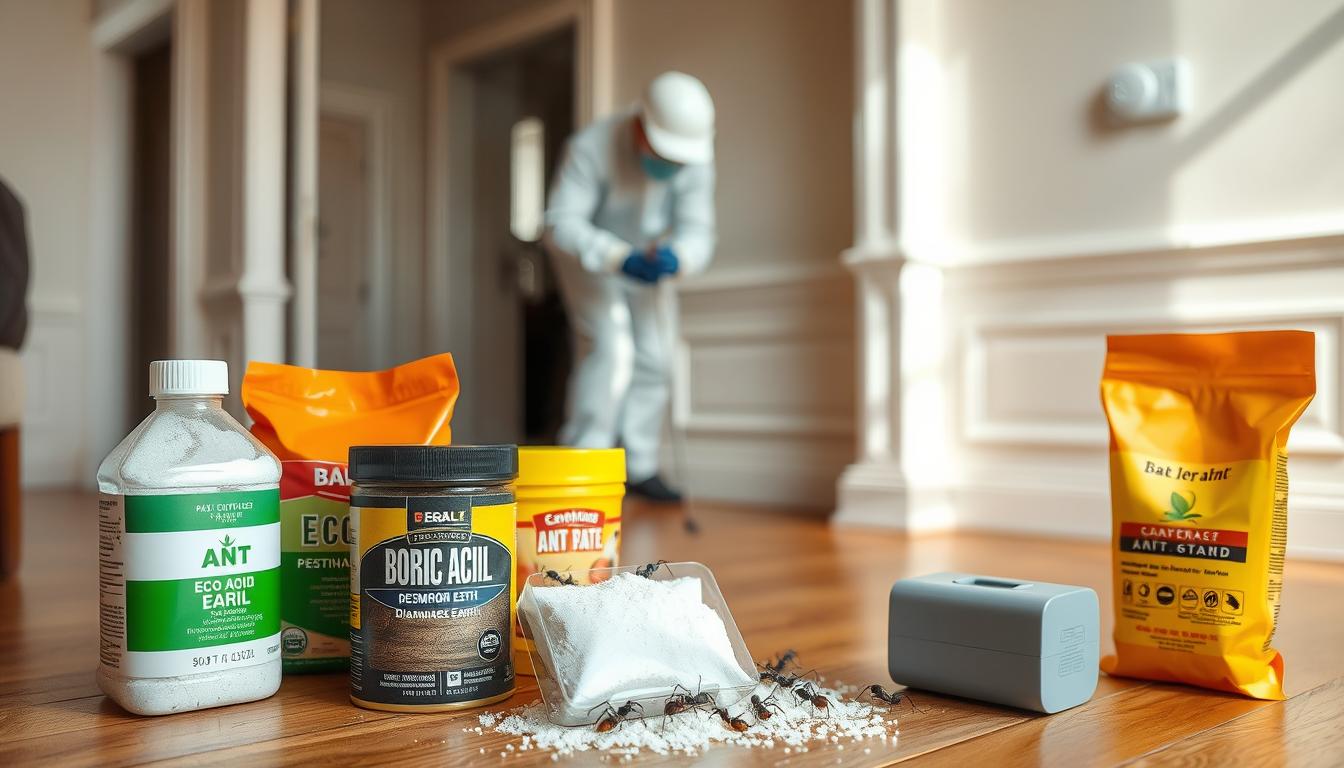
Last summer, a thin black line of ants marched across my kitchen counter. They were heading straight for the sugar jar. If you’ve seen this, you know the frustration. Millions of homeowners face this problem every year, turning kitchens into battlefields.
But there’s good news. You can get rid of ants without using harsh chemicals or calling expensive exterminators. With over 12,000 ant species worldwide, they can be found almost anywhere. Yet, simple items like white vinegar and coffee grounds can keep them away.
This guide will show you effective ways to fight ants. You’ll learn about natural remedies and how to prevent them from coming back. Some methods are surprisingly simple and work well.
Key Takeaways
- Natural solutions like vinegar and essential oils can effectively rid of ants
- Proper food storage and cleanliness prevent future invasions
- Different ant species require specific ant extermination methods
- Some ants carry bacteria that can contaminate your food supply
- Early detection helps eliminate ant infestation before it spreads
- Pet-safe alternatives exist for households with animals
- Professional help may be necessary for severe infestations
Understanding Ant Behavior
Ants are social insects that follow predictable patterns when invading homes. Understanding their behavior is key to finding effective ant pest solutions. They communicate through chemical trails and work together to find food, water, and shelter for their colonies.
Why Ants Invade Homes
Ants enter homes for three main reasons: food, water, and shelter. Weather changes in spring and fall drive them indoors. Heavy rains flood their outdoor nests, while drought sends them searching for moisture. They squeeze through the smallest cracks around windows, doors, and foundations.
Your kitchen becomes their primary target. Ants seek sugary spills, greasy residue, and protein-rich crumbs. Pet food bowls and leaky pipes under sinks provide reliable water sources. These factors make natural ant control essential year-round.
Common Species of Ants
| Ant Species | Size | Color | Key Identifying Feature |
|---|---|---|---|
| Carpenter Ants | 1/4 – 1/2 inch | Black or red-black | Burrow into wood structures |
| Odorous House Ants | 1/8 inch | Brown to black | Rotten coconut smell when crushed |
| Pavement Ants | 1/8 inch | Dark brown | Build nests under sidewalks |
| Pharaoh Ants | 1/16 inch | Yellow to light brown | Infest kitchens and bathrooms |
The Importance of Identification
Proper identification determines which ant pest solutions work best. Many homeowners confuse ants with termites. Ants have:
- Narrow, pinched waists
- Bent antennae
- Longer front legs than back legs
Termites display thick waists and straight antennae. Knowing the difference prevents costly mistakes in treatment methods.
Prevention Strategies for Ants
Stopping ants before they become a problem is the smartest way to protect your home. Simple prevention methods work better than dealing with an established colony. By making your home less attractive to ants, you can prevent ants naturally without using harsh chemicals or expensive treatments.
Seal Entry Points
Ants can squeeze through the tiniest openings. Check around windows, doors, and baseboards for small cracks or gaps. Use silicone caulk to seal these spaces completely. Pay special attention to areas where pipes enter your home. Even a crack as thin as a business card gives ants easy access. This simple DIY ant removal step blocks their main highways into your living spaces.
Proper Food Storage
Ants scout for easy food sources. Store dry goods like cereal, sugar, and flour in airtight containers. Glass or hard plastic containers work best. Don’t forget about pet food – transfer it from bags to sealed containers too. Keep fruit in the refrigerator when possible. These storage habits prevent ants naturally by removing their food rewards.
Maintain Cleanliness
Daily cleaning makes a big difference. Sweep floors and wipe counters after meals. Clean inside microwaves and toasters weekly. Check under refrigerators and stoves monthly. Empty trash cans regularly and rinse sticky containers before throwing them away. Fix leaky faucets promptly and dry sinks each night to eliminate water sources.
Landscaping Adjustments
Your yard affects indoor ant problems. Trim bushes and tree branches away from your house walls. Create a six-inch bare zone around your foundation using gravel or mulch. Remove fallen fruit quickly and keep grass clippings away from the house. Place garbage bins at least ten feet from exterior walls. Clean gutters regularly to prevent moisture buildup. These outdoor DIY ant removal tactics create barriers that discourage ants from approaching your home.
Natural Remedies for Ant Control
When ants invade your home, you don’t need harsh chemicals to fight back. Natural ant control methods work well and keep your family and pets safe. Many common household items can be used as organic ant deterrents. They disrupt ant trails and eliminate infestations without toxic residues.
Vinegar Solutions
White vinegar is a top choice for fighting ants. Mix equal parts white vinegar and water in a spray bottle. This creates a strong solution that kills ants on contact and erases their scent trails.
Spray it along windowsills, door frames, and any areas where you spot ants. The smell of vinegar goes away quickly for humans but keeps ants away for hours.
Essential Oils to Deter Ants
Essential oils are great for keeping ants away and smell nice to humans. Peppermint oil is very effective. Mix 10-20 drops with 2 cups of water and spray around entry points.
Studies from 2020 show peppermint oil repels European red ants. Tea tree oil works the same way when mixed at 5-10 drops per 2 cups of water. Lemon eucalyptus oil and cinnamon leaf essential oil also keep ants away.
Diatomaceous Earth Use
Diatomaceous earth is a non-toxic way to control ants. It absorbs oils from ant exoskeletons, causing dehydration. Apply thin layers along baseboards, under appliances, and in cracks where ants travel.
The powder stays effective as long as it stays dry. Always wear a mask when applying to avoid breathing the dust. Keep it away from areas where children and pets play.
| Natural Remedy | Application Method | Effectiveness Duration |
|---|---|---|
| White Vinegar | 1:1 ratio with water, spray directly | 4-6 hours |
| Peppermint Oil | 10-20 drops per 2 cups water | 12-24 hours |
| Diatomaceous Earth | Thin layer on ant trails | Until wet or disturbed |
| Cinnamon Oil | 5-10 drops per cup water | 8-12 hours |
Chemical Treatments for Ants
Chemical treatments are a top choice for fast ant solutions. For small issues, natural methods are great. But for big problems, stronger chemicals are needed. There are quick-kill sprays and slow-acting baits that kill whole colonies. Knowing how each works helps pick the best ant repellent.
Over-the-Counter Ant Sprays
Store-bought sprays, like Raid, use imiprothrin and cypermethrin. These kill ants fast but must be handled with care. Avoid spraying near food or where kids and pets play. Non-repellent formulas are better because ants can’t smell them. Ants carry the poison back to their nest, killing more ants.
Baits vs. Sprays
It’s key to know the difference between baits and sprays. Sprays only kill ants they touch, missing most of the colony. Baits, on the other hand, attract ants that share the poison with their nest.
| Treatment Type | Speed of Action | Colony Impact | Best Use |
|---|---|---|---|
| Contact Sprays | Immediate | Surface ants only | Quick visible reduction |
| Bait Stations | 1-2 weeks | Entire colony | Complete elimination |
| Non-repellent Sprays | 2-3 days | Partial colony | Perimeter treatment |
Professional Chemical Solutions
Professional products are stronger than what you buy in stores. Exterminators use special tools to reach ants in hard spots. They use different baits to catch ants at different times, making sure to kill all ants.
DIY Traps and Solutions
Making your own ant traps is a budget-friendly way to fight off ants. You can use common kitchen items to do this. Knowing what ants like and using that against them is key.
Homemade Ant Bait Recipes
Sweet baits are great for most ants. Mix 1/2 teaspoon of borax with 8 teaspoons of sugar in 1 cup of warm water. Soak cotton balls in it and put them where ants are.
For another recipe, use boric acid instead of borax. Keep the same amounts.
Make paste baits with powder and syrup. Use maple or corn syrup. Spread it on cardboard near ants. Remember, keep these baits away from kids and pets because they can be dangerous.
Using Soaps as a Deterrent
Soap messes up ants’ communication by wiping out their trails. Mix glass cleaner and dish soap in a spray bottle. This stops ants in their tracks and keeps others from following.
Any soapy water will mess with their navigation. This makes it tough for ants to find food.
Traps Made from Common Household Items
Cornstarch is a clever DIY ant solution. Pour it over ants and add water to make a paste. This traps them for easy removal.
Or, vacuum them up with cornstarch on them. This gives quick relief while you work on lasting solutions.
Best Practices for Using Ant Baits
Placing baits in the right spots and at the right time is key. Knowing how to use them can turn them into strong tools against ants. They can target entire colonies, not just the ants you see.
How to Set Up Ant Baits Effectively
Put baits near where ants are seen, not right on their paths. Ants tend to avoid changes in their usual routes. Place bait stations near kitchen cabinets, under appliances, near drains, and around pipes. This is where ants often travel.
Indoor baits are great because ants carry the poison back to their nests. This helps kill more ants.
Use both liquid and granular baits to attract different types of ants. Some ants like sweet liquids, while others prefer protein-based granules. Using both types increases your chances of catching the ants in your home.
Timing and Location Considerations
Spring and summer are when ants are most active. Start using baits as soon as you see scout ants to stop a big invasion. For outdoor use, place bait stations along foundation walls, near entry points, and where ants are known to travel.
If ants ignore your baits, they might have enough food already. In this case, use non-repellent sprays with your baits. This won’t scare the ants away from the bait.
Monitoring Ant Activity
Check indoor baits every few days and outdoor stations weekly. Replace any dried or dirty baits right away. Look for changes in ant activity—more ants at first means the bait is working. Activity should go down in one to two weeks as the ants die off.
Environmental Considerations
Choosing how to control ants affects more than your home. It impacts local wildlife, water, and soil health. Knowing these effects helps you pick natural ant control methods that protect the environment.
Impact of Pesticides on Ecosystem
Chemical pesticides harm more than just ants. They can contaminate groundwater and harm birds and beneficial insects. Many ant sprays are dangerous to honeybees, which are vital for pollination.
Pesticide residues stay in soil for a long time. They build up in the food chain, affecting larger animals. Your pets can also be at risk from walking on treated areas and grooming their paws.
Organic Alternatives
The Environmental Protection Agency lists organic ant deterrents as safe. Oil of lemon eucalyptus repels ants without harming the environment. Neem oil stops ants from eating and reproducing, but it’s safe for plants and animals.
| Organic Deterrent | Application Method | Effectiveness Duration |
|---|---|---|
| Fresh Coffee Grounds | Sprinkle near entry points | 2-3 days |
| Neem Oil (full strength) | Spray on ant trails | 5-7 days |
| Lemon Eucalyptus Oil | Apply to cotton balls | 3-4 days |
Responsible Pest Management
Effective ant control balances human needs with environmental protection. Start by sealing cracks and removing food sources. Use natural ant control options first. Only apply stronger treatments when needed to reduce environmental harm.
Dealing with Different Ant Species
Each ant species needs its own way to get rid of them. Knowing which ant is in your home is key. This helps pick the best way to treat the problem.
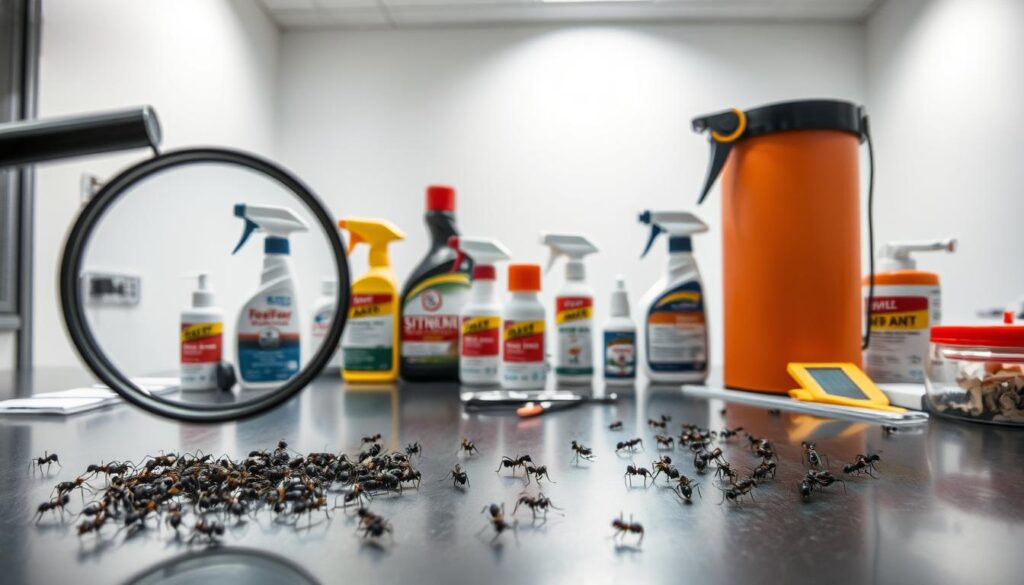
Carpenter Ants: Specific Strategies
Carpenter ants are a big problem because they damage wood. They don’t eat wood but make tunnels that weaken it. Look for sawdust piles near your home’s baseboards or windows.
To get rid of carpenter ants, use baits and dust treatments. Put protein baits out in spring. Use boric acid dust in wall voids. Also, fix any wet wood because ants like damp places.
Fire Ants: Unique Challenges
Fire ants have mounds in yards and sting painfully. They sting in groups if their nest is disturbed. To fight fire ants, treat the whole yard with baits and then the mounds.
Other Troublesome Ants
Many other ants can also be a problem:
| Ant Species | Identifying Features | Treatment Method |
|---|---|---|
| Odorous House Ants | Smell like rotten coconut when crushed | Sweet gel baits near trails |
| Pharaoh Ants | Tiny yellow ants in kitchens | Multiple bait stations throughout home |
| Pavement Ants | Dark brown, nest under concrete | Granular baits along foundation |
When to Call a Professional
DIY methods and store-bought solutions might not solve all ant problems. Knowing when to call a pro can save you time and money. Experts have the tools and knowledge to get rid of ants when DIY fails.
Signs You Need Expert Help
Several signs show it’s time for a pro. If ants keep coming back, you might have a bigger issue. Carpenter ants can harm your home’s wood by digging through it.
Seeing sawdust near wood means carpenter ants are there. If ants are in hard-to-reach spots like walls or ceilings, you need a pro. Big infestations with many trails also need expert help.
What to Expect from Exterminators
Exterminators start with a detailed check to find all ants and nests. They use strong products not sold to the public. This ensures better results.
They use eco-friendly options for homes with kids or pets. This is good for those with breathing problems too.
Exterminators make plans to kill all ants, not just the ones you see. They also check back to make sure all ants are gone. They give tips to keep ants away in the future.
Cost Considerations for Ant Removal
| Service Type | Average Cost Range | Treatment Frequency |
|---|---|---|
| Initial Inspection | $50 – $150 | One-time |
| Single Treatment | $150 – $300 | As needed |
| Monthly Service Plan | $40 – $70 | Monthly |
| Annual Contract | $300 – $500 | Quarterly visits |
Costs change based on how bad the problem is, how big your place is, and where you live. Companies like Orkin and Terminix offer free first talks. Green pest control methods might cost a bit more but are safer for families.
Long-Term Ant Management Solutions
Keeping ants away is not just a one-time job. Smart homeowners know that lasting success comes from a year-round system. By combining regular checks, seasonal care, and family involvement, you can keep your home ant-free without worry.
Continuous Monitoring Techniques
Start a simple inspection routine to catch ant problems early. Check your kitchen counters, windowsills, and doorways weekly for signs of scouts. Place sticky traps near entry points and replace them monthly to track ant activity. Prevention beats reaction every time when it comes to home ant treatment.
Keep a log of where you spot ants. This helps you identify patterns and problem areas. Pay special attention to areas where pipes enter walls, as moisture attracts many ant species.
Seasonal Preventative Measures
Spring and fall bring increased ant activity as colonies search for food and shelter. During these times, create a 6-inch clear zone around your home’s foundation by removing mulch, leaves, and debris. Position outdoor trash cans at least 10 feet from your house and wash them with ammonia solution every two weeks.
Indoor plants need extra attention too. Check the soil for ant colonies and replace any infested plants immediately. Surround healthy plant pots with citrus peels to prevent ants naturally.
Educating Household Members
Everyone in your home plays a role in ant prevention. Teach family members these simple habits:
- Wipe spills immediately
- Store food in sealed containers
- Take out trash daily
- Report ant sightings right away
Post reminder notes in the kitchen about proper food storage. Make ant prevention part of your family’s daily routine for the best long-term results.
Aftermath of Ant Removal
Getting rid of ants in your home is just the start. After you remove the ants, it’s important to clean up and maintain your space. This work helps ensure that ants won’t come back.
Cleaning Up Ant Trails
Ants leave behind invisible trails that guide their colonies. These trails, made of pheromones, stay on surfaces and attract more ants. To stop this, you must clean all areas where ants were seen.
Use a mix of white vinegar and water in a spray bottle. Spray it on countertops, windowsills, and entry points. For a nice smell, use lemon juice instead. Clean all surfaces with microfiber cloths, focusing on corners and crevices.
Protecting Against Future Infestations
Sealing entry points is key to preventing ants. Replace old weather stripping around doors and windows. Check electrical outlets, as ants can travel through wiring. Use caulk to seal small cracks and gaps in walls.
- Store all opened dry goods in airtight containers
- Keep fruits and bread in the refrigerator
- Use garbage cans with tight-fitting lids
- Clean both inside and outside of trash containers weekly
Ongoing Maintenance Strategies
Small daily habits can keep ants away. Clean your microwave after each use. Empty toaster crumb trays often. Clean spills on your stove right away. These actions help keep ants out for good.
Myths about Ant Control
Many homeowners believe false things about ant control that can make things worse. Knowing what really works helps you pick the best way to deal with ants.
Common Misconceptions
People think killing ants they see fixes the problem. This leads to many failed tries at controlling ants. When you spray ants you see, you kill only about 20% of the colony.
The other 80% keeps thriving in their nest. They often move to avoid the treated area.
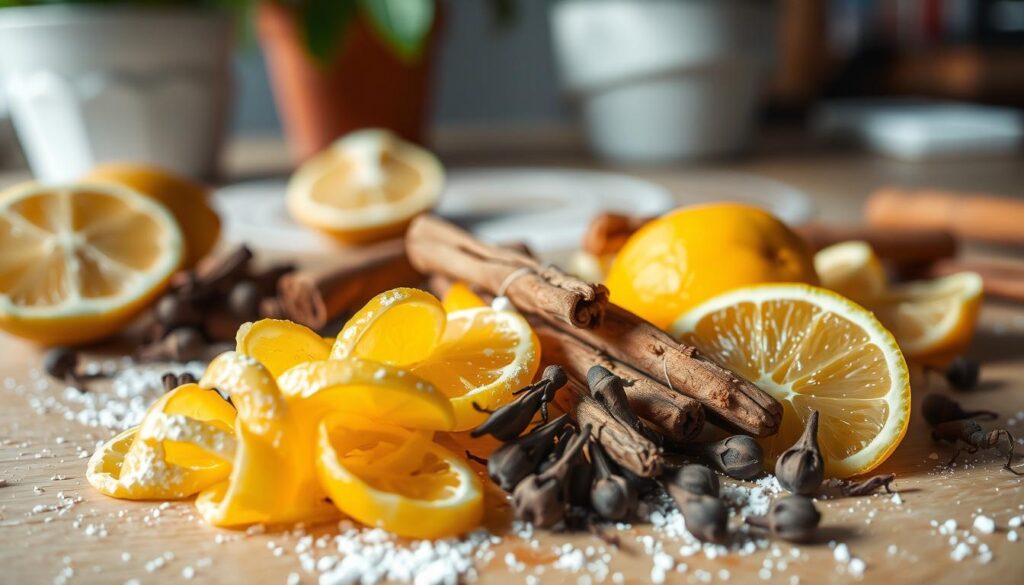
Another myth is that certain household items kill ants instantly. Items like black pepper, cinnamon, and coffee grounds actually work as deterrents. They may temporarily stop ants but won’t solve your problem.
Science vs. Folklore
Scientific research shows the truth about popular home remedies. Vinegar makes it hard for ants to find their way. But it doesn’t kill them or destroy their colonies.
Boiling water poured into ant holes kills ants right away. But it can’t reach the deep underground chambers where queens live.
Effective Practices Based on Facts
Research-backed ant solutions aim to kill the colony, not just surface ants. Successful control means:
- Using baits that match the ant species’ food preferences
- Combining different treatment methods
- Targeting the whole colony, not just visible ants
- Understanding that effective ant repellent works through strategic placement
Professional exterminators say to be patient with bait systems. Worker ants need time to carry poison back to their colonies for complete elimination.
Ants and Your Food Supply
Seeing ants on your kitchen counter is not just annoying. It’s a serious health risk. These tiny pests can contaminate everything they touch. So, protecting your food is key to keeping your home ant-free.
Risks to Food Safety
Ants aren’t just looking for crumbs. They can carry diseases. Monomorium ants, common in kitchens, can spread harmful bacteria. They pick up pathogens from garbage, drains, or outdoor surfaces before reaching your food.
Each ant can spread bacteria across surfaces and into open containers. This makes your food vulnerable to contamination.
Proper Food Storage Solutions
Keeping your food safe requires smart storage:
- Transfer all dry goods into airtight glass or plastic containers
- Wipe down condiment jars and bottles – ants love sticky residue
- Place opened jars inside resealable plastic bags during infestations
- Clean pantry shelves weekly to prevent ants naturally
- Remove pet food bowls after feeding and wash them immediately
Understanding Ant Attraction to Food
Different ant species have different tastes. Some love sweet foods like honey and syrup. Others prefer greasy items like butter or meat.
Most ants need carbs for energy and proteins for growth. By keeping these foods away, you encourage ants to find new homes. This is a key part of any home ant treatment plan.
Ant Behavior Changes with Seasons
Ants change their behavior with the seasons, affecting when they invade homes. In spring, worker ants look for food after a winter of sleep. In fall, they work hard to get ready for cold weather. Knowing these patterns helps homeowners plan the best time to get rid of ants.
Seasonal Activity Patterns
Ant colonies have a yearly cycle. In spring, queens start new colonies and workers search for food. Summer is the busiest time as colonies grow fast. In fall, they focus on finding carbs for winter. Winter is quiet above ground, but colonies stay active below.
| Season | Ant Activity Level | Food Preferences | Common Indoor Areas |
|---|---|---|---|
| Spring | High | Proteins, oils | Kitchen, bathrooms |
| Summer | Very High | Sweets, water | All rooms |
| Fall | High | Carbohydrates | Pantries, walls |
| Winter | Low | Stored foods | Wall voids, attics |
Preparing for Seasonal Infestations
Extreme weather pushes ants into homes. Heavy rain floods their nests, and droughts make them seek water inside. Get ready for the busy seasons by sealing your home. Fix leaks and keep food sealed.
Ant Life Cycle and Your Home
The ant life cycle includes egg, larva, pupa, and adult stages. Queens can live up to 30 years, laying eggs constantly. Workers live for weeks or months. To really get rid of ants, you must target the whole colony, not just the ones you see.
Local Regulations and Pest Control
Dealing with ants means knowing the local laws on pest control. Each state and city has its own rules about what you can use in your home and yard. Knowing these laws helps you pick safe and legal ways to fight ants, keeping your family and the planet safe.
Understanding Local Pest Control Laws
The Environmental Protection Agency (EPA) watches over pesticide use in the U.S. They call some substances biopesticides, like PMD (para-menthane-3,8-diol), which comes from plants. Each state has its own team that makes sure these federal rules are followed and might add more rules.
Before using any chemical to fight ants, check your local laws. Some places ban certain pesticides near water or in homes. Natural ways to control ants usually have fewer rules, making them a favorite for homeowners.
Reporting Infestations to Authorities
Big ant problems might need to be reported, like in apartments or shared spaces. Call your local health department if ants are a health risk or mess with food. Property managers often have to report big pest issues too.
Community Resources for Education
Many groups offer free help on safe pest control:
| Resource | Services Offered | Contact Method |
|---|---|---|
| National Pesticide Information Center | Safety guidelines, product information | Phone: 1-800-858-7378 |
| Local Extension Offices | Ant identification, natural ant control tips | County websites |
| Home Depot | Product availability, mobile app inventory | Store locator online |
| Health Food Stores | Essential oils, diatomaceous earth | Local directories |
Your local hardware stores sell EPA-approved products and can help with legal ways to fight ants. Many stores now have natural alternatives next to traditional pesticides.
Conclusion: Effective Ant Control
To get rid of ants, you need a smart plan. Start by removing things that attract them. Clean up crumbs, store food in sealed containers, and fix leaky pipes. These steps help stop ants before they become a big problem.
Recap of Key Strategies
Using many tactics is key to fighting ants. Begin with natural deterrents like vinegar sprays and peppermint oil around entry points. Diatomaceous earth is a deadly trap for ants but safe for pets and kids. Coffee grounds near ant trails can also disrupt their paths.
For serious infestations, ant baits are better than sprays. Worker ants carry poison back to their colony. This method is more effective.
Importance of Ongoing Vigilance
Ant control needs constant effort to keep them away. Check your home’s foundation for cracks monthly. Keep kitchen counters clean and sweep floors daily. Trimming tree branches that touch your house also helps.
Combining indoor cleanliness with outdoor barriers is key. This approach offers lasting protection against ants.
Final Thoughts on Ant Management
Be patient and persistent to win the battle against ants. Most homes see results in two weeks with the right methods. Natural solutions work for small problems, but big infestations might need a pro.
The most important thing is to start early and stay consistent. A plan that includes prevention, treatment, and monitoring keeps your home ant-free all year.