
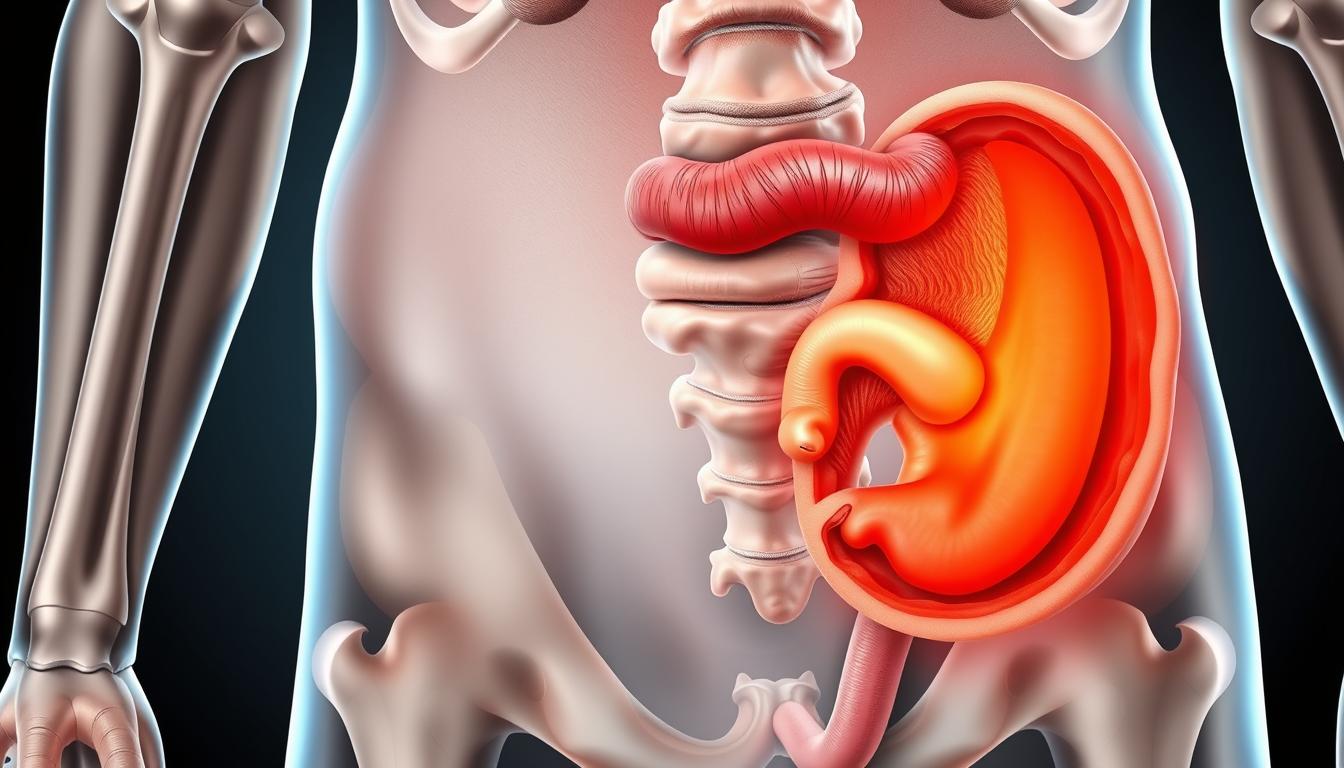
The sudden, sharp pain in your right side stopped you in your tracks during your morning routine. You wondered if it was just a cramp or something more serious. This moment of uncertainty is one that millions of Americans face each year when experiencing right abdominal pain. The discomfort can range from a mild annoyance to a debilitating condition that disrupts your entire day.
Right side stomach pain presents a unique challenge because this area houses several vital organs. Your appendix, right kidney, and portions of your intestines all reside in this region. Women have an additional consideration with their right ovary located in the same area. Each organ can produce different types of pain, from sharp, stabbing sensations that take your breath away to dull, persistent aches that linger for hours or days.
Understanding abdominal pain right side requires careful attention to your body’s signals. The pain might start suddenly or develop gradually over time. Some people describe it as a burning sensation, while others experience cramping or pressure. These variations make diagnosis complex, but recognizing the patterns can help you and your healthcare provider identify the cause more quickly.
Your right abdominal pain might be your body’s way of alerting you to various conditions. Some causes resolve on their own with rest and proper care. Others require immediate medical attention to prevent serious complications. Learning to distinguish between these scenarios empowers you to make informed decisions about your health.
Key Takeaways
- Right abdominal pain affects millions of Americans yearly and can indicate various conditions
- Multiple organs in the right abdomen can cause different types of pain sensations
- Pain patterns range from sharp, stabbing feelings to dull, persistent aches
- Women have additional considerations due to reproductive organs in this area
- Understanding your pain type helps healthcare providers make accurate diagnoses
- Some causes require immediate medical attention while others may resolve with home care
What Causes Lower Right Abdominal Pain?
Pain in the lower right side of your abdomen can stem from various medical conditions. Understanding these general causes helps you recognize when symptoms need professional attention. The location of this pain often points to specific organs in that area, including the appendix, ovaries, and parts of the intestines.
Common Causes Explained
Several conditions frequently trigger right lower abdominal pain. Each has distinct characteristics that help doctors identify the problem:
| Condition | Key Symptoms | Affected Population |
|---|---|---|
| Appendicitis | Sharp pain, fever, nausea | All ages, peaks at 10-30 years |
| Kidney Stones | Severe cramping, blood in urine | Adults 30-60 years |
| Ovarian Cysts | Bloating, pelvic pressure | Women of reproductive age |
| Inguinal Hernia | Visible bulge, pain when lifting | Men more than women |
| Crohn’s Disease | Diarrhea, weight loss, fatigue | Young adults 15-35 years |
When to Seek Medical Help
Certain symptoms alongside causes of right abdominal pain require immediate medical care. Visit the emergency room if you experience severe pain that prevents normal activities, fever above 101°F, persistent vomiting, or inability to pass gas. Visible swelling in your abdomen or pain that rapidly worsens signals a medical emergency.
Early treatment prevents complications. Trust your instincts—if something feels seriously wrong, get medical help promptly.
Symptoms Associated with Lower Right Abdominal Pain
Recognizing the specific characteristics of pain can help identify its cause and determine when medical attention is necessary. The nature of discomfort in your lower right abdomen provides valuable clues about what might be happening inside your body.
Sharp, Dull, or Cramping Sensations
Sharp pain in right abdomen typically comes on suddenly and feels like a stabbing or piercing sensation. This type of pain often signals acute conditions such as appendicitis or kidney stones passing through the ureter. If you experience sudden, severe sharp pain that worsens with movement or coughing, seek medical care immediately.
Dull, aching pain tends to develop gradually and persists over time. This sensation might indicate chronic conditions like irritable bowel syndrome or inflammatory bowel disease. Cramping pain comes in waves and often relates to digestive issues such as gas, constipation, or food intolerance.
Other Accompanying Symptoms
Right abdominal pain symptoms rarely occur alone. Watch for these additional signs:
- Nausea and vomiting
- Fever above 100.4°F
- Changes in bowel movements
- Painful or frequent urination
- Bloating or abdominal swelling
- Loss of appetite
Women may experience menstrual irregularities or unusual vaginal discharge along with lower right abdominal discomfort. These symptoms could indicate ovarian cysts or other reproductive system issues requiring gynecological evaluation.
The Role of Appendicitis in Right Abdominal Pain
Appendicitis stands as one of the most critical right abdomen pain causes requiring immediate medical attention. This condition affects approximately 250,000 Americans each year, making it the leading reason for emergency abdominal surgery. The appendix, a small pouch attached to the large intestine, can become inflamed and infected, creating severe pain that typically starts near the belly button before migrating to the lower right side.
Signs of Appendicitis
Recognizing appendicitis symptoms can be life-saving. The classic pattern begins with vague discomfort around the navel that gradually shifts to the lower right area. Key warning signs include:
- Sharp pain at McBurney’s point (between the navel and right hip bone)
- Rebound tenderness when pressure is released from the abdomen
- Fever between 99-102°F
- Nausea and vomiting
- Loss of appetite
- Difficulty passing gas
While many associate appendicitis with lower abdominal pain, some patients experience right upper abdominal pain, especially when the appendix is positioned higher than usual.
Appendicitis in Different Age Groups
Age significantly influences how appendicitis presents itself. Young children and elderly patients often display atypical symptoms, making diagnosis challenging.
| Age Group | Common Symptoms | Diagnostic Challenges |
|---|---|---|
| Children Under 5 | Irritability, poor feeding, vomiting | Cannot describe pain location accurately |
| Adults 18-50 | Classic pain migration, fever, nausea | Most straightforward diagnosis |
| Elderly Over 65 | Mild pain, minimal fever, confusion | Delayed presentation, higher complications |
Children younger than five rarely show the typical pain progression. Instead, they may become unusually fussy or refuse to eat. Elderly patients face greater risks because their symptoms appear subtler, leading to delayed treatment and increased complications.
Other Potential Causes of Right Abdominal Pain
While appendicitis often comes to mind when experiencing lower right abdominal pain, several other conditions can trigger similar discomfort. Understanding these various causes in females and males helps ensure proper right abdominal pain diagnosis. Each condition presents unique characteristics that medical professionals evaluate during examination.
Ovarian Issues in Women
Female reproductive organs sit in the lower abdomen, making ovarian problems common culprits of right-sided pain. Ovarian cysts affect millions of women yearly, forming fluid-filled sacs that can rupture or twist. These cysts typically cause sharp, sudden pain that may worsen during menstruation.
Endometriosis represents another significant source of chronic pelvic discomfort. This condition occurs when uterine tissue grows outside the uterus, affecting approximately 10% of reproductive-age women. Ectopic pregnancy poses a serious emergency requiring immediate medical attention when a fertilized egg implants outside the uterus.
Kidney Stones and Their Symptoms
Kidney stones affect roughly 1 in 11 Americans during their lifetime. These mineral deposits create intense pain that starts in the flank area and radiates toward the groin. The discomfort often comes in waves, accompanied by:
- Blood in urine
- Nausea and vomiting
- Frequent urination
- Burning sensation while urinating
Gastrointestinal Disorders
Several digestive conditions manifest as right abdominal pain. Inflammatory bowel disease, including Crohn’s disease and ulcerative colitis, causes chronic inflammation throughout the digestive tract. Irritable bowel syndrome affects the large intestine, creating cramping and bloating. Diverticulitis develops when small pouches in the colon become inflamed, typically affecting older adults.
The Importance of Accurate Diagnosis
Getting the right abdominal pain diagnosis starts with a thorough medical evaluation. Doctors use specific techniques and tests to pinpoint what’s causing discomfort in the lower right abdomen. Since coughing can make abdominal pain worse, physicians pay close attention to how movement and pressure affect the pain during examination.
How Doctors Diagnose Abdominal Pain
Your doctor begins with a detailed medical history and physical exam. They’ll press on different areas of your abdomen to check for tenderness and swelling. Two key examination techniques include Murphy’s sign, which tests for gallbladder inflammation, and Rovsing’s sign, which helps identify appendicitis. The doctor asks about pain patterns, eating habits, and recent activities. For causes in males, they also check for hernias and testicular problems.
Diagnostic Tests Explained
Several tests help confirm the right abdominal pain diagnosis. Each test serves a specific purpose in identifying different conditions:
| Test Type | Purpose | Best For Detecting |
|---|---|---|
| CT Scan | Detailed cross-sectional images | Appendicitis, kidney stones, tumors |
| Ultrasound | Sound wave imaging | Ovarian cysts, gallstones, hernias |
| Blood Tests (CBC) | Check infection markers | Infections, inflammation levels |
| Urinalysis | Examine urine composition | Kidney problems, UTIs |
CT scans remain the gold standard for diagnosing appendicitis. Blood tests reveal elevated white blood cells during infections. For causes in males like testicular torsion or hernias, ultrasound provides clear images without radiation exposure.
Treatment Options for Right Abdominal Pain
Finding effective treatment for right side stomach pain depends on identifying the underlying cause. Your doctor will recommend specific approaches based on your diagnosis, symptoms, and medical history. Both home remedies and medical interventions can provide relief, ranging from simple rest to surgical procedures.
Home Remedies That May Help
Several conservative treatment methods can ease mild right side stomach pain before seeking medical care. Rest remains one of the most effective initial approaches, allowing your body to heal naturally. Applying a heating pad to the affected area for 15-20 minutes can relax muscles and reduce cramping.

Over-the-counter medications offer another option for pain management:
- Acetaminophen (Tylenol) for general pain relief
- Antacids for digestive discomfort
- Simethicone (Gas-X) for gas-related pain
- Stool softeners for constipation
Medical Treatments Overview
Professional medical treatment varies significantly based on the specific condition causing your discomfort. Bacterial infections often require antibiotic therapy, while appendicitis typically demands immediate surgical removal. Kidney stones might need lithotripsy, a procedure using sound waves to break up stones.
Women experiencing ovarian cysts or endometriosis may benefit from hormonal therapy to regulate their menstrual cycle and reduce pain. Digestive disorders might require prescription medications, dietary modifications, or specialized procedures. Your healthcare provider will create a personalized treatment plan addressing your specific needs and ensuring the best possible outcome.
Lifestyle Factors Contributing to Abdominal Pain
Your daily habits play a significant role in digestive health and can be general causes of discomfort. What you eat and how you manage stress directly affects your gut function. Understanding these connections helps prevent and manage abdominal pain right side issues before they become serious problems.
Diet and Nutrition Considerations
Certain foods trigger digestive distress in many people. High-fat meals slow digestion and can cause cramping. Dairy products create problems for those with lactose intolerance, while gluten affects people with celiac disease or sensitivity. Spicy foods, caffeine, and carbonated drinks may irritate the digestive tract.
Keeping a food diary helps identify your personal triggers. Write down what you eat and any symptoms that follow. This simple practice reveals patterns between specific foods and abdominal pain right side occurrences.
| Food Type | Common Reactions | Alternative Options |
|---|---|---|
| High-fat foods | Bloating, cramping | Lean proteins, vegetables |
| Dairy products | Gas, diarrhea | Lactose-free milk, almond milk |
| Gluten | Inflammation, pain | Rice, quinoa, gluten-free grains |
Stress and Its Impact on Abdominal Health
Stress releases cortisol, which disrupts normal digestive function. This hormone increases inflammation and changes how your intestines move food. Many people experience stomach upset during stressful periods, making stress management essential for digestive health.
Simple stress reduction techniques include deep breathing, regular walks, and adequate sleep. These practices calm your nervous system and reduce cortisol levels, helping prevent stress-related general causes of digestive problems.
The Connection Between Exercise and Abdominal Pain
Physical activity plays a crucial role in maintaining digestive health and preventing various conditions that can cause right lower abdominal pain. Regular exercise promotes healthy bowel movements, reduces bloating, and strengthens core muscles that support internal organs. Understanding which exercises are beneficial and which ones to avoid can make a significant difference in managing abdominal discomfort.
Importance of Staying Active
Exercise helps prevent constipation, one of the common triggers of right lower abdominal pain. When you move your body, you stimulate intestinal muscles to contract more efficiently, promoting regular bowel movements. Physical activity also helps maintain a healthy weight, reducing pressure on abdominal organs.
Regular movement improves blood flow to digestive organs, enhancing their function and reducing inflammation. This increased circulation can speed up recovery if you’re already experiencing mild abdominal discomfort. Exercise also releases endorphins, natural pain relievers that may help manage chronic abdominal pain symptoms.
Safe Exercises for Abdominal Health
Not all exercises are suitable when dealing with abdominal pain. Low-impact activities provide the best treatment benefits without straining the affected area:
- Walking: A gentle 20-30 minute daily walk stimulates digestion without putting stress on the abdomen
- Swimming: The buoyancy of water reduces pressure while providing full-body movement
- Yoga: Specific poses like child’s pose and cat-cow stretch can relieve gas and bloating
- Stationary cycling: Provides cardiovascular benefits with minimal core strain
Start slowly and gradually increase intensity as your body adapts. If you experience increased pain during any exercise, stop immediately and consult your healthcare provider about appropriate treatment options.
Preventative Measures Against Abdominal Pain
Taking proactive steps can significantly reduce your risk of experiencing pain in your right abdomen. Simple lifestyle modifications and regular health monitoring create a strong defense against many common causes of right abdominal pain. By making informed choices about what you eat and staying consistent with medical care, you can maintain better digestive health and catch potential issues early.
Dietary Changes to Consider
Your diet plays a crucial role in preventing digestive problems that lead to sharp pain in right abdomen. Eating 25 to 35 grams of fiber daily helps food move smoothly through your system. Good fiber sources include whole grains, fruits, vegetables, and beans. Drinking 8 to 10 glasses of water each day keeps everything flowing properly.

Adding probiotic-rich foods supports healthy gut bacteria. These beneficial microorganisms help prevent inflammation and reduce digestive distress.
| Food Type | Daily Serving | Key Benefits |
|---|---|---|
| Greek Yogurt | 1 cup | Promotes healthy digestion |
| Kefir | 8 ounces | Reduces inflammation |
| Sauerkraut | 2 tablespoons | Supports gut bacteria |
| Kimchi | 1/4 cup | Aids nutrient absorption |
Regular Medical Checkups
Annual physical examinations help identify causes of right abdominal pain before symptoms develop. Your doctor can spot warning signs during routine blood work and physical assessments. People over 45 should schedule colonoscopies according to American Cancer Society guidelines. These screenings detect polyps and other abnormalities that might cause future discomfort.
Keep a symptom journal between appointments. Note any unusual sensations, dietary triggers, or patterns. This information helps your healthcare provider make accurate diagnoses and create personalized prevention plans tailored to your specific needs.
When to See a Specialist
Managing right upper abdominal pain requires careful attention, especially when symptoms persist or worsen. While many cases resolve with basic treatment, certain situations demand specialized medical expertise. Understanding when to seek specialist care can make the difference between quick recovery and potential complications.
Knowing the Right Time for Referral
Your primary care doctor plays a crucial role in determining when specialist intervention is needed. Pain that continues beyond two weeks despite initial treatment signals the need for advanced evaluation. Recurring episodes of right abdomen pain causes concern, particularly when patterns emerge or intensity increases. Failed conservative treatments including rest, dietary changes, and over-the-counter medications indicate deeper investigation is necessary.
Types of Specialists Involved
Different specialists address specific right abdomen pain causes based on the underlying condition. Each brings unique expertise to diagnose and treat particular organ systems.
| Specialist Type | Areas of Focus | Common Conditions Treated |
|---|---|---|
| Gastroenterologist | Digestive system | Gallbladder disease, liver issues, inflammatory bowel disease |
| Urologist | Urinary tract | Kidney stones, urinary infections, bladder problems |
| Gynecologist | Female reproductive system | Ovarian cysts, endometriosis, pelvic inflammatory disease |
| General Surgeon | Surgical conditions | Appendicitis, hernias, bowel obstructions |
Each specialist uses targeted diagnostic tools and treatments specific to their field. Early referral prevents complications and ensures appropriate care for your right upper abdominal pain.
The Importance of Patient Education
Knowledge about your body can make a significant difference when dealing with right abdominal pain symptoms. When you understand what’s happening inside, you’re better equipped to communicate with healthcare providers and make informed decisions about your health. Education empowers you to recognize warning signs and seek appropriate care at the right time.
Understanding Your Body
Your abdomen contains many organs that can contribute to pain on the right side. Learning basic anatomy helps you describe symptoms more accurately. The right lower quadrant houses your appendix, parts of your intestines, and in females, the right ovary and fallopian tube. Each organ produces distinct pain patterns. Sharp pain might indicate appendicitis, while cramping could suggest intestinal issues. Understanding these differences helps you provide valuable information to your doctor.
Resources for Support
Reliable medical information and support networks play crucial roles in managing abdominal pain. Several trusted organizations offer comprehensive resources about causes in females and general abdominal conditions:
| Resource | Focus Area | Contact Information |
|---|---|---|
| Mayo Clinic | General medical information and symptom checker | mayoclinic.org |
| Cleveland Clinic | Patient education and treatment guides | clevelandclinic.org |
| NIDDK | Digestive and kidney diseases research | niddk.nih.gov |
| Crohn’s and Colitis Foundation | IBD support and community | crohnscolitisfoundation.org |
These organizations provide evidence-based information, connect you with support groups, and offer tools to track symptoms. Many feature interactive guides specifically addressing causes in females and reproductive health concerns.
Conclusion: Managing Lower Right Abdominal Pain
Right abdominal pain affects millions of Americans each year. Understanding the various causes in males and females can help you make informed decisions about your health. From simple gas and constipation to more serious conditions like appendicitis or kidney stones, each cause requires specific attention and care.
Key Takeaways for Better Health
Prevention plays a vital role in avoiding many causes of right abdominal pain. A high-fiber diet helps prevent constipation, while staying hydrated reduces kidney stone risk. Regular exercise strengthens abdominal muscles and prevents hernias. Women benefit from routine pelvic exams to catch ovarian cysts early. Safe sex practices reduce the risk of pelvic inflammatory disease.
Recognizing warning signs saves lives. Sudden intense pain, fever with abdominal pain, blood in stool or urine, and persistent vomiting require immediate medical attention. Pregnant women experiencing right-sided pain should contact their healthcare provider without delay. Understanding when to worry about lower right abdomen helps you act quickly when necessary.
Encouragement for Seeking Help
Most causes in males and females respond well to proper treatment. Antibiotics clear infections, dietary changes relieve digestive issues, and surgery successfully treats appendicitis. Your doctor can create a treatment plan tailored to your specific condition. Early intervention leads to faster recovery and prevents complications. Never ignore persistent pain or assume it will go away on its own. Your health deserves prompt attention, and healthcare providers are ready to help you find relief and restore your quality of life.