
Did you know that a single shishito plant can produce up to 20 delicious fruits and be ready for harvest in just 65 days? This remarkable productivity makes these Japanese heirloom varieties a favorite among home gardeners across America.
These mild, flavorful gems rate only 50-200 on the Scoville scale, making them significantly less spicy than jalapeños while offering more excitement than bell varieties. Beginner gardeners especially love them because they’re incredibly forgiving and easier to grow than most other pepper types.
This comprehensive guide will walk you through every step of growing these prolific producers from seeds to harvest. Whether you’re new to gardening or an experienced grower looking to try something different, you’ll discover why these sweet, mildly smoky Japanese varieties are becoming increasingly popular in American gardens.
Key Takeaways
- Shishito plants yield up to 20 fruits each and mature in just 65 days
- These Japanese heirloom varieties are easier to grow than bell peppers
- Mild heat level of 50-200 Scoville units makes them beginner-friendly
- Perfect for new gardeners due to their forgiving growing requirements
- Sweet, slightly smoky flavor when cooked appeals to most palates
- Prolific producers that provide continuous harvests throughout the season
Understanding Shishito Peppers
Shishito peppers offer gardeners an exciting opportunity to grow authentic East Asian peppers at home. These remarkable vegetables have traveled from Japanese gardens to American kitchens, bringing centuries of cultivation wisdom with them. Growing your own heirloom pepper seeds connects you to this rich agricultural heritage.
The journey of understanding shishito peppers begins with appreciating their unique place in the pepper family. Unlike many common varieties, these peppers deliver surprises in every harvest. Their unpredictable nature makes them both challenging and rewarding for home gardeners.
What Are Shishito Peppers?
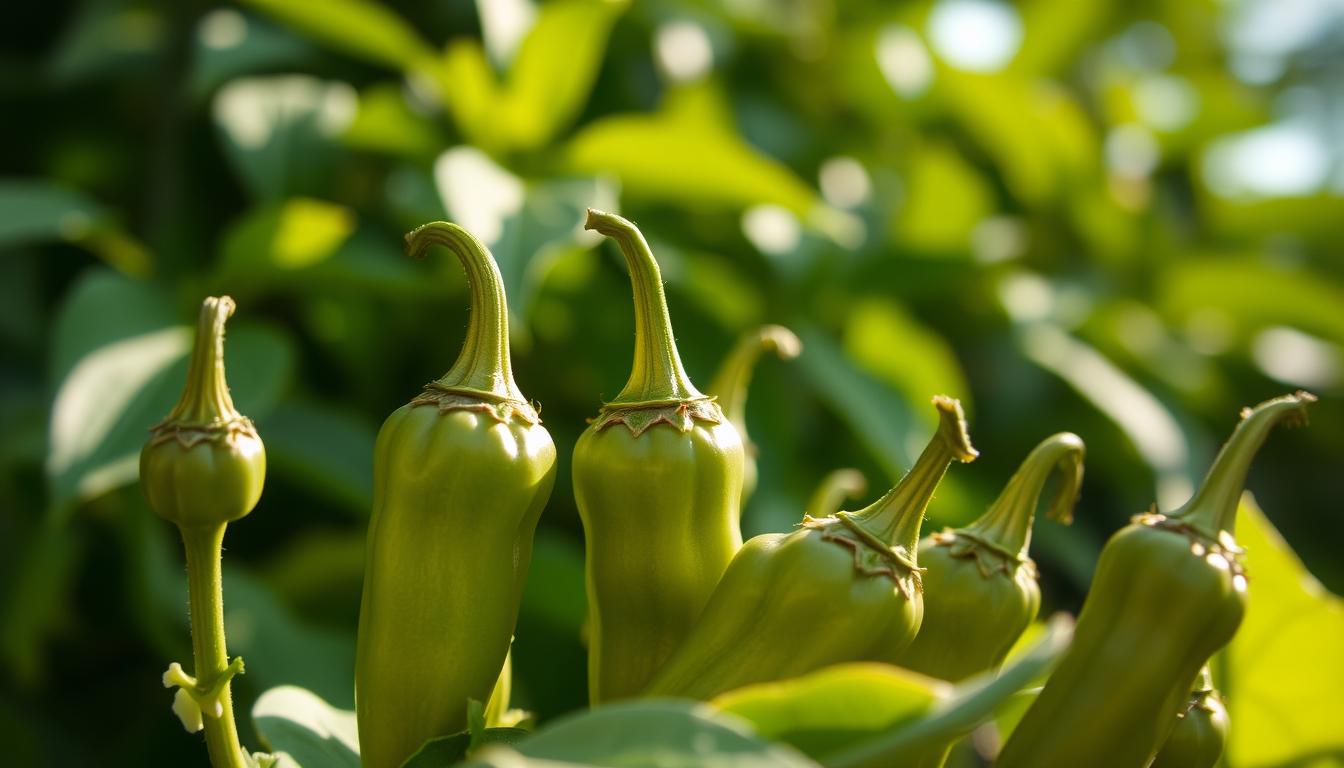
Shishito peppers (Capsicum annuum var. grossum) are Japanese heirloom sweet peppers known for their distinctive appearance and mild heat. These East Asian peppers feature thin-walled, glossy green fruits with a characteristic curved and wrinkled shape. The name “shishito” translates to “lion’s head” in Japanese, referring to their unique pointed tip.
These compact plants typically reach about 2 feet in height and spread 15-18 inches wide. The peppers themselves grow up to 4 inches long, making them perfect for quick cooking methods. Their thin walls and tender flesh set them apart from thicker-skinned varieties.
What makes shishito peppers truly fascinating is their heat variability. Most peppers register a mild 50-200 on the Scoville scale, but approximately one in ten will surprise you with heat comparable to a mild jalapeño. This unpredictability adds excitement to every meal and makes them a conversation starter at dinner parties.
Flavor Profile and Culinary Uses
The flavor profile of shishito peppers combines sweet, slightly smoky notes with subtle heat that enhances rather than overwhelms dishes. When properly prepared, they offer a complex taste experience that begins sweet and may finish with a gentle warmth. This balanced flavor makes them incredibly versatile in the kitchen.
Traditional Japanese preparation involves simply blistering the peppers in a hot pan with coarse salt. This method preserves their natural sweetness while adding a pleasant char. The result is a perfect appetizer that showcases the pepper’s natural qualities without masking them.
Modern culinary applications extend far beyond traditional uses. These peppers work beautifully in stir-fries, tempura, grilled vegetable medleys, and even raw in salads when young and tender. Their quick cooking time makes them ideal for busy weeknight meals.
Growing your own heirloom pepper seeds ensures you’ll have a steady supply of these culinary gems throughout the growing season. Fresh shishito peppers from your garden offer superior flavor compared to store-bought alternatives, making the growing effort worthwhile for any cooking enthusiast.
Choosing the Right Seeds
Smart gardeners know that investing in high-quality shishito pepper seeds pays dividends throughout the growing season. The foundation of a successful pepper garden starts with selecting seeds from reputable suppliers who specialize in specialty pepper varieties. Your choice of seed source can significantly impact germination rates, plant vigor, and ultimately your harvest quality.
Several trusted suppliers offer excellent gourmet pepper seeds for home gardeners. Quality matters more than price when it comes to seeds, as poor germination can waste both time and garden space. Look for suppliers with strong reputations and positive customer reviews.
Where to Buy Shishito Pepper Seeds
Two standout sources for authentic shishito pepper seeds deserve special attention. Kitazawa Seed Company offers exceptional value with 80-100 seeds for just $3.49. This company has built a solid reputation for providing authentic Asian vegetable varieties and maintains strong relationships with growers in Japan.
Baker Creek Heirloom Seeds represents the premium option at $2.25 for 25 seeds. While more expensive per seed, Baker Creek is renowned for their exceptional quality and stunning catalog that showcases beautiful heirloom varieties. Many gardeners describe their catalog as “pure plant porn” due to its gorgeous photography and detailed descriptions.
For convenient online ordering, you can find quality shishito pepper seeds from various specialty suppliers. Compare prices and seed quantities to find the best value for your garden size.
Organic vs. Conventional Seeds
The choice between organic and conventional seeds often puzzles new gardeners. Organic seeds are produced without synthetic pesticides or fertilizers, making them ideal if you plan to grow organically. These seeds support sustainable farming practices and align with organic gardening principles.
Conventional seeds undergo standard agricultural practices and typically cost less than organic options. Both types will produce equally delicious peppers when grown properly. The key difference lies in production methods rather than final pepper quality.
Consider these factors when making your choice:
- Your gardening philosophy and practices
- Budget constraints and seed quantity needs
- Supplier reputation and seed freshness
- Germination rate guarantees
Fresh seeds from the current year offer the best germination rates. Quality suppliers of specialty pepper varieties will clearly label their seeds with harvest dates and expected germination percentages. This investment in premium seeds ensures strong, healthy plants that will reward you with abundant harvests.
Preparing for Planting
The success of your shishito pepper garden depends heavily on thorough preparation before planting. Getting your soil and containers ready creates the foundation for healthy growth. These chili pepper cultivars have specific needs that differ from other garden vegetables.
Taking time to prepare properly will save you trouble later. Your pepper plant seeds will germinate better and grow stronger with the right setup. Let’s explore the key elements you need to consider.
Optimal Soil Conditions
Shishito peppers thrive in fertile, well-draining soil with specific pH requirements. The ideal pH range falls between 6.0 and 6.8, which is slightly acidic to neutral. This range allows your plants to absorb nutrients most effectively.
Well-draining soil prevents root rot and other moisture-related problems. Heavy clay soils need improvement before planting. Sandy soils may drain too quickly and require organic matter to retain moisture.
Adding aged compost or well-rotted manure improves both drainage and fertility. Work these organic materials into your soil before planting time. This creates the loose, friable texture that pepper roots prefer.
Here are the key soil requirements:
- pH level: 6.0 to 6.8 (slightly acidic to neutral)
- Drainage: Well-draining but moisture-retentive
- Fertility: Rich in organic matter
- Texture: Loose and friable for easy root penetration
Test your soil pH using a simple soil test kit. If your soil is too acidic, add lime to raise the pH. If it’s too alkaline, sulfur can help lower it.
Recommended Planting Containers
Container size directly affects plant health and pepper production. Choose pots that are at least 12 inches deep and wide for single plants. This size provides adequate space for root development.
Larger containers work even better for chili pepper cultivars like shishitos. Fifteen-gallon containers, such as half whiskey barrels, offer excellent growing conditions. These larger containers can support multiple plants or allow single plants to reach their full potential.
Drainage is absolutely critical for container growing. Every pot must have multiple drainage holes in the bottom. Without proper drainage, your pepper plant seeds and seedlings can quickly die from waterlogged conditions.
Consider these container features:
- Minimum size: 12 inches deep and wide
- Preferred size: 15-gallon capacity or larger
- Drainage: Multiple holes in the bottom
- Material: Light-colored to prevent overheating
Container material affects root temperature. Dark-colored pots absorb heat and can overheat roots in hot climates. Light-colored containers reflect heat and maintain more stable soil temperatures.
Place containers where they’ll receive adequate sunlight but won’t overheat. Good air circulation around containers helps prevent fungal problems and keeps plants healthy.
Starting Seeds Indoors
Indoor seed starting transforms your pepper growing experience from guesswork to guaranteed success. This controlled approach gives you the power to create ideal conditions for your mildly spicy peppers while extending your growing season significantly. Starting indoors becomes especially valuable in cooler climates where outdoor growing time is limited.
The indoor method offers several key advantages over direct sowing. You’ll have complete control over temperature, moisture, and light conditions. This control leads to higher germination rates and stronger seedlings that transplant more successfully.
Perfect Timing for Success
Timing your seed starting correctly sets the foundation for healthy plants. Start your shishito pepper seeds 8-10 weeks before your area’s last expected frost date. This timeline ensures your seedlings will be mature enough for transplanting when outdoor conditions become favorable.
Check your local frost dates through your county extension office or reliable weather services. Most regions in the United States have last frost dates between mid-March and early May. Count backward from this date to determine your ideal seed starting time.
Starting too early can result in leggy, overgrown seedlings that struggle during transplanting. Starting too late means your plants won’t have enough time to mature and produce a full harvest before fall frost arrives.
Proven Germination Techniques
Successful germination requires attention to three critical factors: temperature, moisture, and depth. Plant your seeds exactly 1/4 inch deep in high-quality seed starting mix. This specialized growing medium provides better drainage and disease resistance compared to regular potting soil.
Maintain consistent soil moisture throughout the germination period. The growing medium should feel damp to the touch but never waterlogged. Excess moisture causes seeds to rot before they can sprout, while dry conditions prevent germination entirely.
Bottom heat significantly improves both germination speed and success rates. If you don’t own a heating mat, place your seed trays on top of your refrigerator. This location provides the gentle, consistent warmth that pepper seeds need to germinate reliably.
Expect your seeds to sprout within 1-3 weeks under optimal conditions. Warmer temperatures generally produce faster results, while cooler conditions extend the germination timeline. Once seedlings emerge, they’ll need bright light from either a sunny south-facing window or grow lights positioned 2-3 inches above the plants.
These mildly spicy peppers reward patient gardeners with reliable germination when provided with proper care. Monitor your seedlings daily and adjust conditions as needed to ensure strong, healthy growth from the very beginning.
Transplanting Seedlings
Moving your shishito pepper seedlings from indoor comfort to outdoor growing requires careful planning and perfect timing. These heatless peppers are particularly sensitive to temperature changes, making the transplanting process a critical step in your growing journey. Success depends on understanding both when to transplant and how to prepare your plants for the transition.
Timing for Transplanting
The key to successful transplanting lies in waiting for the right conditions. Your heatless peppers should only move outdoors when soil temperatures consistently reach 70°F. This typically happens about four weeks after your area’s final frost date.
Temperature requirements are non-negotiable for these tender plants. Daytime temperatures should stay between 70-85°F, while nighttime temperatures must remain above 55°F. Even brief exposure to cooler temperatures can stunt growth or kill young seedlings.
Check your local weather forecast carefully before transplanting. Look for a stable weather pattern with no cold snaps predicted for at least a week. Patience during this stage pays off with healthier, more productive plants.
Hardening Off Your Plants
Before transplanting your heatless peppers, they need gradual exposure to outdoor conditions. This process, called hardening off, should begin about a week before your planned transplant date.
Start the hardening process slowly and systematically:
- Day 1-2: Place seedlings outside in a shaded, protected area for 2-3 hours
- Day 3-4: Increase outdoor time to 4-6 hours with some morning sun exposure
- Day 5-6: Extend to 8 hours with more direct sunlight
- Day 7-10: Leave plants outside all day, bringing them in only if temperatures drop below 55°F
During the final days of hardening off, you can leave your heatless peppers outside overnight if temperatures remain stable. This gradual process helps plants develop stronger stems and adjust to wind, temperature fluctuations, and intense sunlight.
Choose a calm, overcast day for the actual transplanting when possible. This reduces transplant shock and gives your plants the best start in their new outdoor home. Water thoroughly after transplanting and provide temporary shade during the first few days if weather conditions are particularly hot or sunny.
Growing Conditions
Your shishito peppers will thrive when you match their natural preferences for light and temperature. These heat-loving plants have specific environmental needs that directly impact their productivity and fruit quality. Understanding these requirements helps you create the ideal growing space for maximum harvest success.
Proper air circulation plays a vital role in plant health. Good airflow reduces humidity around leaves and prevents fungal diseases from taking hold. When planning your garden layout, ensure adequate spacing between plants to avoid overcrowded conditions.
Light Requirements
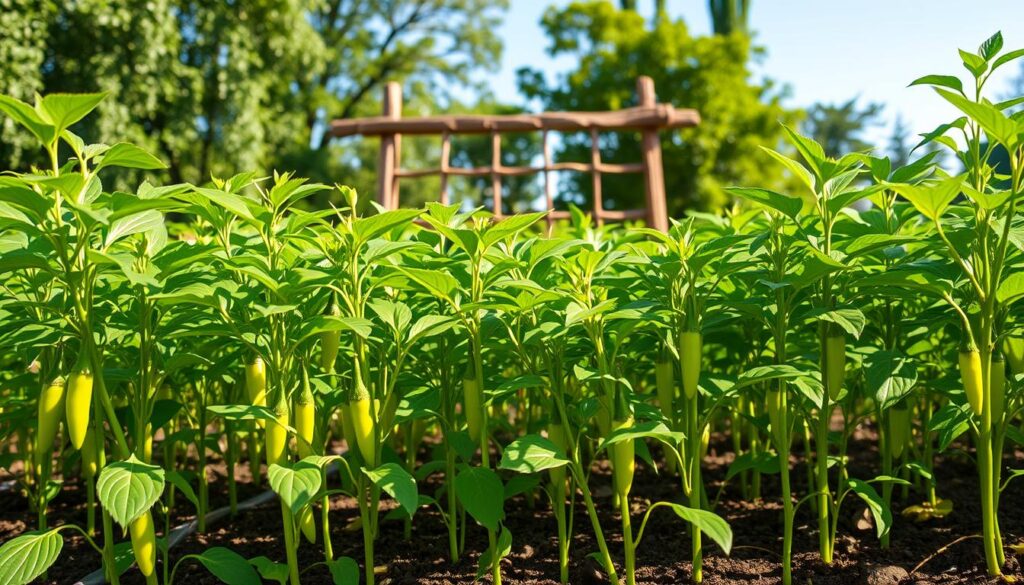
Shishito peppers absolutely need full sun conditions with at least 8 hours of direct sunlight daily. This requirement is non-negotiable for proper growth and fruit development. Morning and midday sun exposure are particularly important for these plants.
In areas with intense summer heat, your plants can tolerate some afternoon shade. However, insufficient light leads to weak, spindly growth with poor fruit production. Plants grown in inadequate light also become more susceptible to diseases.
Position your containers or garden beds in the sunniest spot available. South-facing locations typically provide the best light exposure throughout the day. Avoid areas shaded by buildings, fences, or large trees.
Temperature Preferences
These heat-loving plants thrive in consistently warm conditions. The ideal temperature range is 70-85°F during the day, with nighttime temperatures staying above 55°F. Maintaining these temperatures ensures healthy growth and proper fruit set.
Cold temperatures can severely damage your shishito pepper plants. Temperatures below 50°F cause flower drop and fruit abortion. Wait at least 4 weeks after the final frost before transplanting outdoors to ensure consistently warm weather.
Extended periods above 90°F may stress plants and reduce fruit set. In extremely hot climates, consider providing afternoon shade or using shade cloth. This protection helps maintain optimal growing conditions during peak summer heat.
| Growing Factor | Optimal Range | Critical Limits | Effects of Poor Conditions |
|---|---|---|---|
| Daily Sunlight | 8+ hours direct sun | Less than 6 hours | Weak growth, poor fruit production |
| Day Temperature | 70-85°F | Below 50°F or above 95°F | Flower drop, fruit abortion, plant stress |
| Night Temperature | Above 55°F | Below 50°F | Growth stops, potential plant damage |
| Air Circulation | Good airflow | Stagnant air | Increased disease risk, humidity problems |
Monitor weather conditions closely during the growing season. Use row covers or temporary protection during unexpected cool spells. Consistent environmental conditions produce the healthiest plants and most abundant harvests.
Watering and Fertilization
Effective watering and fertilization strategies can make the difference between thriving shishito plants and disappointing harvests. These two fundamental aspects of plant care work together to support healthy growth and maximize pepper production throughout the growing season.
The success of your shishito pepper garden depends heavily on understanding how environmental conditions affect watering needs. Container plants require more frequent attention than ground-planted peppers because pots dry out faster than garden soil.
Your fertilization approach should adapt to different stages of plant development. Early season feeding focuses on establishing strong root systems, while later applications support flower and fruit production.
“The key to successful pepper growing is consistency in both watering and feeding schedules, rather than sporadic heavy applications.”
Watering Frequency and Techniques
During extreme summer heat with temperatures exceeding 100°F, container-grown shishito peppers may need daily watering to prevent stress. Ground-planted peppers typically require water only 1-2 times per week under normal conditions.
Check soil moisture by inserting your finger 4-6 inches deep into the soil. If it feels dry at this depth, it’s time to water. Maintain moist but never soggy soil conditions to prevent root rot, which can quickly kill pepper plants.
Drip irrigation systems and soaker hoses provide the most effective watering methods. These systems deliver water directly to the root zone while keeping foliage dry, reducing disease risk and water waste.
Water early morning when possible to allow plants to absorb moisture before the heat of the day. Avoid evening watering, which can promote fungal diseases in humid conditions.
Fertilizer Selection and Application Timing
Start with a balanced fertilizer like 10-10-10 when transplanting seedlings to their permanent locations. Avoid excessive nitrogen early in the season, as this promotes leafy growth at the expense of fruit production.
Switch to a fertilizer higher in phosphorus and potassium, such as 5-10-10, when flowers begin appearing. This change supports flowering and fruit development during the critical reproductive phase.
Apply fertilizer every 4-6 weeks throughout the growing season. Organic options like compost, fish emulsion, and seaweed extract provide gentle, slow-release nutrition that’s less likely to burn plants.
For container plants, consider using liquid fertilizers diluted to half strength and applied more frequently. This approach prevents salt buildup while ensuring consistent nutrient availability.
Pest and Disease Management
Effective pest and disease management forms the backbone of successful shishito pepper growing, ensuring robust plants and abundant harvests. Your shishito pepper plants face the same challenges as other pepper varieties, making early detection and prompt action essential for maintaining plant health. A proactive approach saves time, reduces frustration, and protects your investment in these flavorful peppers.
Regular inspection serves as your first line of defense against potential problems. Check your plants weekly, focusing on both the tops and undersides of leaves where many pests prefer to hide. Early detection allows for easier control and prevents small issues from becoming major infestations.
Common Pests to Watch For
Aphids represent one of the most frequent threats to shishito pepper plants. These small, soft-bodied insects cluster on new growth and multiply rapidly if left unchecked. They weaken plants by sucking sap and can transmit viral diseases between plants.
Look for sticky honeydew residue on leaves, which indicates aphid presence. These pests often appear green, black, or gray and congregate on tender shoots and flower buds. Their rapid reproduction makes quick action crucial for effective control.
Hornworms pose another significant threat to your pepper plants. These large, green caterpillars blend perfectly with plant foliage, making them difficult to spot despite their size. A single hornworm can strip a plant of its leaves overnight, causing severe damage to your crop.
Search for hornworms during evening hours when they’re most active. Look for dark droppings on leaves below, which often indicate their presence above. Their excellent camouflage requires careful inspection of stems and branches.
Organic Pest Control Methods
Organic control methods provide effective solutions while protecting beneficial insects and maintaining garden safety. For aphids, start with a strong spray of water to dislodge them from plants. This simple method works well for light infestations and requires no additional materials.
Insecticidal soap offers longer-lasting aphid control when water spraying isn’t sufficient. Apply during cooler parts of the day to prevent leaf burn. Neem oil provides systemic protection and disrupts pest life cycles while remaining safe for beneficial insects.
Hand-picking remains the most effective method for hornworm control. Remove them during evening inspections and destroy them immediately. Encourage natural predators like parasitic wasps by planting diverse flowers nearby and avoiding broad-spectrum pesticides.
Powdery mildew represents the most common fungal disease affecting shishito pepper plants. This condition appears as white, powdery spots on leaves and thrives in humid conditions with poor air circulation. Prevention proves more effective than treatment for this persistent problem.
Ensure proper plant spacing to promote air circulation around your peppers. Avoid overhead watering, which creates ideal conditions for fungal growth. Water at soil level during morning hours to allow plants to dry quickly.
| Pest/Disease | Identification Signs | Organic Treatment | Prevention Method |
|---|---|---|---|
| Aphids | Small insects on new growth, sticky honeydew | Water spray, insecticidal soap, neem oil | Regular inspection, beneficial insect habitat |
| Hornworms | Large green caterpillars, dark droppings | Hand-picking, parasitic wasp encouragement | Evening inspections, diverse plantings |
| Powdery Mildew | White powdery spots on leaves | Sulfur fungicide, potassium bicarbonate | Proper spacing, morning watering, air circulation |
| Spider Mites | Fine webbing, stippled leaves | Water spray, predatory mites | Adequate humidity, regular misting |
If powdery mildew appears despite prevention efforts, organic fungicides containing sulfur or potassium bicarbonate can help control the spread. Apply treatments during cooler parts of the day and repeat as directed on product labels.
Consistent monitoring and prompt action form the foundation of successful pest management. Keep a garden journal to track pest appearances and treatment effectiveness. This information helps you anticipate problems and refine your organic control strategies for future growing seasons.
Harvesting Shishito Peppers
Understanding when and how to pick your shishito peppers maximizes both flavor and your plant’s continued production. The difference between a perfectly harvested pepper and one picked too early or late can dramatically affect your culinary experience. Proper harvesting techniques also ensure your plants keep producing throughout the growing season.
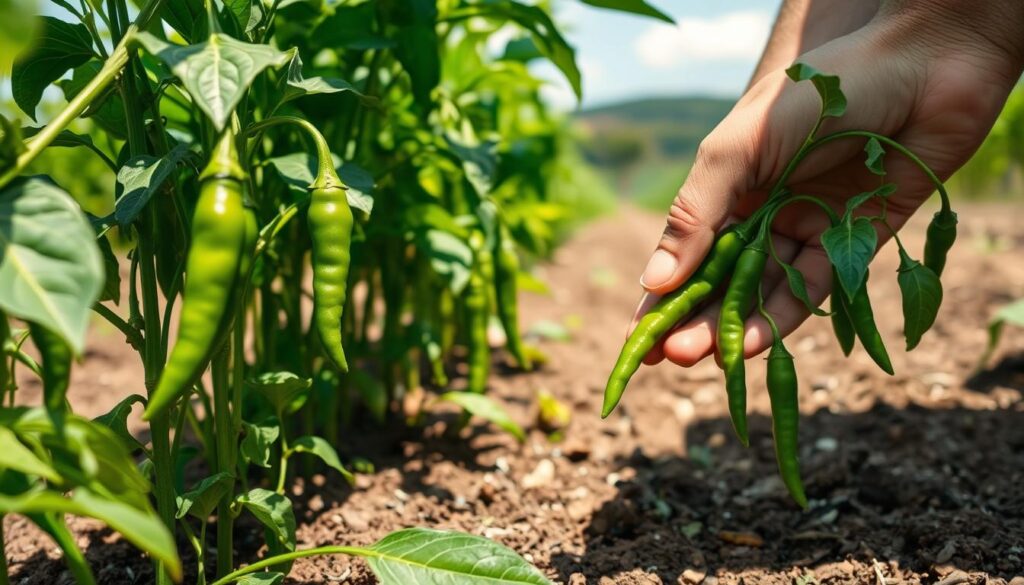
Regular harvesting every few days encourages new pepper development. This consistent approach keeps your plants productive and prevents peppers from becoming overripe on the vine.
When to Pick Peppers
The optimal time to harvest shishito peppers occurs when they reach 3-4 inches in length and display a bright lime green color. This typically happens 60-65 days after transplanting your seedlings outdoors.
At this stage, the peppers have developed their characteristic sweet flavor with just a hint of heat. The skin remains tender and thin, making them perfect for quick cooking methods like grilling or pan-frying.
Harvesting too early results in smaller peppers with underdeveloped flavor profiles. The peppers lack the full sweetness that makes them so appealing in Japanese cuisine.
Waiting too long causes several problems. The skin becomes thicker and tougher. The heat level increases significantly as peppers begin turning red. The texture becomes less desirable for most cooking applications.
| Harvest Timing | Pepper Characteristics | Flavor Profile | Best Uses |
|---|---|---|---|
| Too Early (2-3 inches) | Small, pale green | Mild, underdeveloped | Limited culinary value |
| Perfect (3-4 inches) | Bright lime green, tender | Sweet with mild heat | Grilling, stir-frying, appetizers |
| Too Late (4+ inches, red) | Thick skin, turning red | Hot, less sweet | Drying, hot sauce making |
| Overripe (fully red) | Tough, fully colored | Very hot, bitter notes | Seed saving only |
Morning harvest provides the best results because peppers have the highest moisture content at this time. The cooler temperatures help preserve the crisp texture and optimal flavor that makes shishito peppers so popular.
The secret to great shishito peppers is harvesting them young and tender, when they still have that perfect balance of sweetness and just a whisper of heat.
How to Harvest Properly
Proper harvesting technique protects both the pepper quality and plant health. Grasp each pepper firmly by the stem and give it a gentle twist to separate it from the plant. This method minimizes damage to the plant while ensuring clean removal.
Alternatively, use clean garden snippers to cut the stem. This approach works especially well when peppers are clustered together or when the stem attachment feels particularly strong.
Avoid pulling or yanking peppers from the plant. This aggressive approach can damage branches and reduce future production. It may also bruise the pepper, affecting its storage life and cooking quality.
Remove any stem pieces that remain attached to the harvested pepper immediately. These stem remnants can cause the fruit to deteriorate quickly and may harbor bacteria.
Under optimal growing conditions, your shishito pepper plants can continue producing new peppers for up to 45 days after the first harvest. This extended production period provides a steady supply for your kitchen throughout the growing season.
Check your plants every 2-3 days during peak production. This regular schedule ensures you catch peppers at their prime and encourages continued flowering and fruit development.
Handle harvested peppers gently to prevent bruising. Place them in a shallow container rather than dropping them into deep baskets where they might get crushed under their own weight.
Storing Shishito Peppers
Proper storage techniques ensure your shishito pepper harvest stays fresh and flavorful long after picking. Understanding the best methods for both short-term and long-term storage helps you make the most of your garden’s productivity. Whether you plan to use your peppers within days or preserve them for months, the right approach makes all the difference.
Best Storage Practices
Fresh shishito peppers maintain their quality for up to one week when stored properly in the refrigerator. Place them in perforated plastic bags in your crisper drawer to maintain the right balance of humidity and air circulation. This method keeps peppers crisp while preventing moisture buildup that leads to spoilage.
Before refrigerator storage, gently wipe peppers clean with a damp cloth. Avoid washing them until you’re ready to use them, as excess moisture accelerates deterioration. The key is maintaining proper humidity while allowing some air circulation through the perforated bags.
Never store peppers in completely sealed plastic bags. This traps moisture and causes rapid deterioration. Instead, use bags with small holes or leave the bag slightly open to promote air flow while retaining necessary moisture.
Freezing for Later Use
Freezing offers an excellent solution for long-term storage of shishito peppers. The simplest method involves washing and thoroughly drying whole peppers before placing them in freezer bags. Remove as much air as possible before sealing to prevent freezer burn.
For a more refined approach, char the peppers first by blistering them in a hot pan. Remove the skins and seeds before freezing. This pre-preparation saves time during cooking and results in a more polished final product.
Properly frozen shishito peppers maintain their quality for up to 8 months. While the texture becomes softer after thawing, the flavor and nutritional value remain intact. This method gives you a taste of summer throughout the winter months.
Label your freezer bags with the date and preparation method. This helps you use older peppers first and choose the right preparation for your intended recipe. Frozen whole peppers work well for cooked dishes, while pre-charred peppers are perfect for quick appetizers.
Cooking with Shishito Peppers
Cooking with shishito peppers opens up endless possibilities for creating delicious dishes that showcase their mild heat and sweet flavor. These versatile peppers adapt beautifully to various cooking methods and pair wonderfully with countless ingredients. Whether you’re preparing a quick appetizer or incorporating them into a complex main dish, shishito peppers bring a unique taste that’s both approachable and exciting.
Simple Blistered Preparation
The most popular way to prepare shishito peppers is the traditional blistered method that takes less than five minutes. This simple preparation requires only three ingredients: fresh peppers, oil, and sea salt. Start by rinsing and thoroughly drying your peppers to prevent oil splatter.
Heat a cast iron or heavy-bottomed pan until very hot. Add the clean, dry peppers with a light coating of oil. Toss them occasionally until the skins are charred and blistered all over.
Season immediately with sea salt while the peppers are still hot. This creates a perfect balance of smoky, sweet, and mildly spicy flavors that make an irresistible appetizer. The entire cooking process takes under five minutes, making it ideal for entertaining.
Creative Recipe Ideas
Beyond the classic blistered preparation, shishito peppers work beautifully in stir-fries. Their quick cooking time and tender texture complement vegetables like bell peppers, onions, and snap peas perfectly. The mild heat won’t overpower other ingredients in the dish.
Tempura batter creates another excellent preparation method for these peppers. The light, crispy coating highlights their natural sweetness while adding textural contrast. Japanese restaurants often serve them this way as a popular appetizer.
Consider adding shishito peppers to grain bowls, pasta dishes, or as pizza toppings. They provide both visual appeal and a unique flavor profile that’s becoming increasingly popular in American cuisine.
Perfect Ingredient Pairings
Shishito peppers pair exceptionally well with Asian-inspired ingredients like soy sauce, sesame oil, and ginger. These combinations create authentic flavor profiles that complement the peppers’ natural characteristics. Garlic and citrus also enhance their taste beautifully.
For Mediterranean-style dishes, try pairing them with olive oil, lemon juice, and fresh herbs like basil or oregano. The peppers also work well with cheese, particularly fresh mozzarella or goat cheese in salads.
Nutritionally, shishito peppers are an excellent choice for health-conscious cooks. They’re low in calories, high in fiber, and provide significant amounts of vitamin C and antioxidants. Weight Watchers considers them “zero points,” making them perfect for those watching their calorie intake.
Their versatility extends to various cooking methods including grilling, roasting, and sautéing. Each method brings out different aspects of their flavor while maintaining their appealing texture and nutritional benefits.
Troubleshooting Common Issues
Troubleshooting shishito pepper issues becomes easier when you know what signs to look for in your plants. Even experienced gardeners encounter challenges when growing these peppers, but understanding common problems and their solutions helps you maintain healthy, productive plants throughout the growing season. Most issues stem from environmental factors rather than serious diseases, making them relatively simple to fix once you identify the root cause.
Proper plant care with adequate sunlight, air circulation, water, and fertilizer prevents most problems before they start. However, when issues do arise, quick identification and action can save your harvest and get your plants back on track.
Yellowing Leaves and What It Means
Yellowing leaves are one of the most frequent concerns among shishito pepper growers. Understanding the difference between normal aging and problem indicators is crucial for proper plant care. Lower leaves naturally yellow and drop as plants mature, which is completely normal and no cause for concern.
However, widespread yellowing often signals more serious issues. Nitrogen deficiency causes older leaves to yellow first, starting from the bottom of the plant and working upward. The leaves typically turn pale green before becoming completely yellow, and growth may slow noticeably.
Overwatering creates similar yellowing symptoms but usually comes with additional warning signs. Look for soft, mushy stems and a sour smell from the soil. The yellowing from overwatering tends to affect leaves throughout the plant rather than just the bottom ones.
Root problems can also cause yellowing leaves in shishito peppers. Poor drainage, compacted soil, or root rot all restrict the plant’s ability to absorb nutrients properly. Checking soil moisture levels and adjusting your watering schedule often resolves these issues within a few weeks.
Slow Growth: Possible Causes
Slow growth can be equally frustrating and typically results from suboptimal growing conditions. Insufficient sunlight is the most common cause of sluggish shishito pepper development. Plants receiving less than 6-8 hours of direct sunlight daily will grow slowly and produce fewer fruits.
Temperature plays a crucial role in growth rates. Cool temperatures, even if not cold enough to damage plants, can significantly slow growth and development. Shishito peppers thrive in warm conditions and may appear to stall when temperatures consistently stay below 65°F.
Poor soil nutrition, particularly lack of phosphorus, can also limit growth during flowering and fruiting stages. Phosphorus deficiency often shows up as purple-tinged leaves and delayed flower production. Regular soil testing helps identify nutrient gaps before they become serious problems.
Transplant shock is another common cause of slow growth in shishito peppers. This is why it’s crucial to properly harden off seedlings and transplant them only when conditions are ideal. Avoiding transplant shock by planting strong, healthy seedlings when temperatures are stable prevents weeks of recovery time.
Most growth issues resolve themselves once optimal conditions are restored. However, it may take several weeks for plants to fully recover and resume normal growth patterns. Patience and consistent care are key to helping your shishito peppers bounce back from slow growth periods.
Seasonal Care Tips
Proper seasonal care transforms your shishito pepper plants from annual crops into productive perennial companions. While most gardeners treat peppers as single-season plants, these versatile vegetables can actually thrive for multiple years with the right approach. Understanding how to navigate seasonal transitions helps you maximize your harvest potential and build a sustainable garden ecosystem.
The key to successful year-round shishito pepper cultivation lies in recognizing their natural growth cycles. These plants respond dramatically to temperature changes and daylight variations. By working with these natural rhythms rather than against them, you can extend your growing season and enjoy fresh peppers for years to come.
Preparing for Winter
Winter preparation begins in late fall, before the first frost threatens your plants. This overwintering process requires careful timing and attention to detail. Start by monitoring weather forecasts closely as temperatures begin dropping consistently below 50°F at night.
The first step involves dramatic pruning to prepare your shishito pepper for dormancy. Cut back all branches, leaving only 2-3 nodes per branch. This aggressive trimming might seem harsh, but it’s essential for energy conservation during the dormant period. Remove all remaining foliage completely, as leaves will only drain the plant’s stored energy reserves.
Next, carefully dig up the entire plant while preserving as much of the root system as possible. Gently shake away excess soil and untangle any circled roots. Clean the roots thoroughly but avoid damaging the delicate root hairs that help with nutrient absorption.
Repot your prepared plant in fresh, well-draining potting soil. Choose a container slightly smaller than the summer pot, as the reduced root system won’t need as much space. This shishito pepper growing approach helps prevent root rot during the dormant months.
Place the dormant plant in a cool location maintaining temperatures between 55-65°F. Ideal spots include:
- Unheated basement with indirect light
- Cool garage with a small window
- Spare room away from heating vents
- Enclosed porch with temperature control
During dormancy, water sparingly every two weeks and immediately remove any new growth that appears. The plant should remain essentially inactive throughout winter months.
Spring Care for Rejuvenation
Spring rejuvenation begins as outdoor temperatures consistently reach 60°F during the day. This seasonal transition requires patience and gradual adjustment to prevent shock. Start by slowly increasing watering frequency as new growth appears at the pruned nodes.
Begin the hardening-off process by gradually reintroducing your overwintered shishito pepper to outdoor conditions. Start with just one hour of morning sun, then increase exposure by 30 minutes daily. This gradual approach prevents leaf burn and transplant shock.
Watch for these positive signs of spring awakening:
- New leaf buds emerging from pruned nodes
- Increased water uptake from the soil
- Slight color change in stem appearance
- Root growth visible through drainage holes
Once nighttime temperatures remain above 55°F consistently, you can transplant your rejuvenated plant back to its outdoor growing location. Overwintered plants often produce earlier and more abundant harvests than first-year plants because their established root systems support rapid spring growth.
Apply a balanced fertilizer once new growth reaches 2-3 inches tall. This spring care routine helps your perennial shishito pepper transition smoothly from dormancy to active growing season, setting the stage for another productive year of fresh pepper harvests.
Joining a Community
Growing shishito pepper seeds becomes more rewarding when you connect with fellow gardeners who share your passion. Building relationships with other pepper enthusiasts can transform your gardening journey from a solo adventure into a collaborative learning experience.
Online Forums and Resources
Digital communities offer instant access to experienced growers worldwide. Reddit’s gardening subreddits provide active discussions about shishito pepper cultivation. GardenWeb forums host detailed conversations about seed starting techniques and harvest timing. Facebook groups dedicated to pepper growing allow you to share photos of your plants and receive real-time advice.
YouTube channels like Epic Gardening and MIgardener feature shishito pepper growing tutorials. These platforms help you visualize proper planting techniques and troubleshoot common problems through video demonstrations.
Local Gardening Clubs for Support
Face-to-face connections through local gardening clubs provide region-specific guidance. Master Gardener programs offer workshops tailored to your climate zone. Many communities host seed swaps where you can trade shishito pepper seeds with other varieties.
University extension offices provide soil testing services and expert advice for your specific growing conditions. These local resources understand regional pest challenges and can recommend the best planting schedules for your area.
Your shishito pepper growing success multiplies when you tap into these supportive networks. Whether seeking advice online or meeting fellow gardeners in person, these communities will enhance your pepper growing skills and provide lasting friendships.