
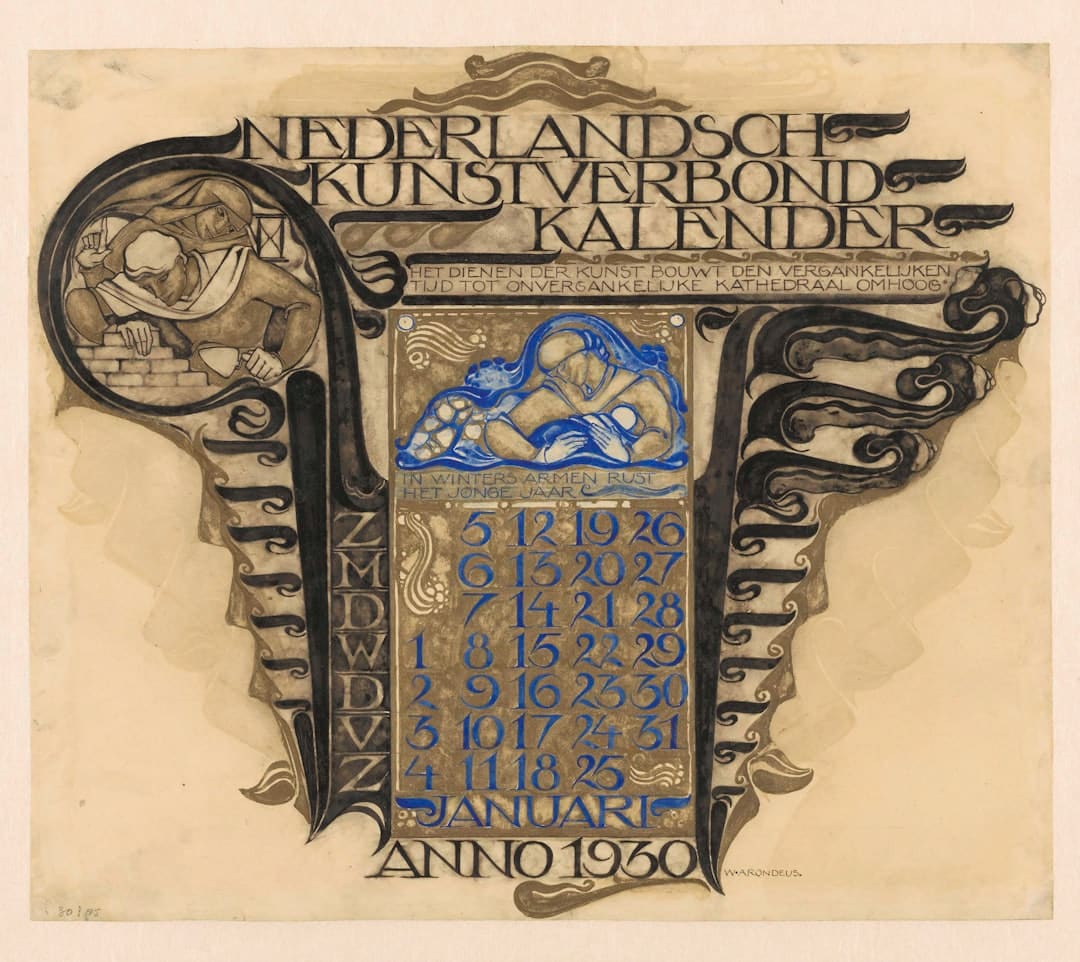
To truly grasp the intricacies of our menstrual cycle, we must first recognize that it is a natural and complex process that typically spans around 28 days, although variations are common. The cycle is divided into several phases: the menstrual phase, the follicular phase, ovulation, and the luteal phase. Each phase plays a crucial role in preparing our bodies for potential pregnancy.
During the menstrual phase, which lasts about three to seven days, the uterine lining sheds if fertilization does not occur. This is often accompanied by various symptoms, including cramps, mood swings, and fatigue. As we navigate through our cycles, it’s essential to understand how hormonal fluctuations influence our physical and emotional well-being.
The interplay of estrogen and progesterone can lead to a range of experiences, from heightened energy levels during ovulation to the more subdued feelings that may accompany the luteal phase. By paying attention to these changes, we can better anticipate our needs and manage our symptoms effectively. Understanding our menstrual cycle empowers us to take control of our health and make informed decisions about our bodies.
Key Takeaways
- Understanding your menstrual cycle
- Knowing the phases of your menstrual cycle can help you better understand your body and manage your period more effectively.
- Diet and nutrition tips to speed up your period’s end
- Consuming foods rich in iron and vitamin C can help regulate your menstrual flow and shorten your period.
- Exercise and physical activity to help shorten your period
- Engaging in regular physical activity, such as yoga or swimming, can help reduce the length of your period and alleviate cramps.
- Herbal remedies and supplements for managing period symptoms
- Herbal supplements like ginger and turmeric can help alleviate menstrual discomfort and reduce the duration of your period.
- Hydration and its impact on menstrual flow
- Staying hydrated can help regulate your menstrual flow and reduce the length of your period.
- Stress management techniques for reducing period length
- Practicing stress-reducing activities like meditation and deep breathing can help shorten your period and alleviate symptoms.
- Hormonal birth control options for regulating menstrual cycles
- Hormonal birth control methods, such as the pill or hormonal IUD, can help regulate your menstrual cycle and reduce the length of your period.
- Alternative therapies for managing menstrual discomfort
- Alternative therapies like acupuncture and aromatherapy can help alleviate menstrual discomfort and shorten your period.
- Tracking your menstrual cycle for better management
- Keeping track of your menstrual cycle can help you anticipate and manage your period more effectively.
- Consulting with a healthcare professional for personalized advice
- It’s important to consult with a healthcare professional to discuss personalized options for managing your menstrual cycle and period symptoms.
- Lifestyle changes for promoting a healthy menstrual cycle
- Making lifestyle changes, such as getting enough sleep and reducing alcohol consumption, can promote a healthy menstrual cycle and reduce the length of your period.
Diet and nutrition tips to speed up your period’s end
Healthy Eating for a Smoother Menstrual Cycle
Instead, focusing on whole foods—fruits, vegetables, whole grains—can provide the necessary nutrients our bodies crave while also promoting a healthier menstrual flow. Staying mindful of our caffeine and alcohol consumption is also crucial; both can lead to increased cramping and discomfort. By making these dietary adjustments, we may find that our periods become shorter and less intense.
Exercise and physical activity to help shorten your period
Engaging in regular physical activity can significantly impact the length and intensity of our menstrual periods. Exercise helps improve blood circulation and can alleviate some of the discomfort associated with menstruation. Activities such as yoga, walking, or light jogging can promote relaxation and reduce stress levels, which in turn may help shorten the duration of our periods.
Additionally, incorporating strength training into our routine can be beneficial as well.
Building muscle helps regulate hormones and can lead to more balanced cycles over time.
While it might be tempting to avoid exercise during our periods due to discomfort, gentle movement can actually enhance our overall well-being. By listening to our bodies and finding a balance between rest and activity, we can create a positive relationship with exercise during this time.
Herbal remedies and supplements for managing period symptoms
| Remedy/Supplement | Symptoms Managed | Evidence |
|---|---|---|
| Chasteberry | Menstrual cramps, breast tenderness | Some studies suggest effectiveness |
| Ginger | Menstrual cramps, nausea | Some evidence of pain relief |
| Evening primrose oil | Breast tenderness, mood swings | Mixed evidence, more research needed |
| Black cohosh | Hot flashes, mood swings | Some studies show potential benefits |
Herbal remedies have been used for centuries to manage menstrual symptoms, and many of us find them to be effective alternatives or complements to traditional medicine.
For instance, ginger tea is known for its anti-inflammatory properties and can help reduce cramps and bloating.
Similarly, chamomile tea is often praised for its calming effects, which can ease anxiety and promote relaxation during our periods.
In addition to herbal teas, certain supplements may also support menstrual health. Omega-3 fatty acids, magnesium, and vitamin B6 have all been linked to reduced menstrual pain and improved mood. However, it’s essential for us to approach herbal remedies with caution; not all supplements are suitable for everyone.
Consulting with a healthcare professional before starting any new regimen ensures that we choose the best options for our individual needs.
Hydration and its impact on menstrual flow
Staying hydrated is crucial for overall health, but it becomes even more important during our menstrual cycles. Adequate hydration can help alleviate bloating and reduce the severity of cramps. When we drink enough water, it aids in flushing out toxins from our bodies and can even help regulate our menstrual flow.
Dehydration can lead to increased discomfort and exacerbate symptoms like headaches and fatigue. Incorporating hydrating foods into our diet can also be beneficial. Fruits like watermelon, cucumbers, and oranges not only provide hydration but also essential vitamins and minerals that support our bodies during menstruation.
By prioritizing hydration, we can create a more comfortable experience during our periods while also promoting overall health.
Stress management techniques for reducing period length
Stress is an inevitable part of life, but its impact on our menstrual cycles cannot be overlooked. High-stress levels can lead to hormonal imbalances that may prolong or intensify our periods. Therefore, implementing stress management techniques is essential for promoting a healthier cycle.
Practices such as mindfulness meditation, deep breathing exercises, or even journaling can help us process emotions and reduce anxiety. Additionally, engaging in activities that bring us joy—whether it’s spending time with loved ones or pursuing hobbies—can significantly lower stress levels. By creating a balanced lifestyle that prioritizes mental well-being alongside physical health, we may find that our periods become more manageable in both length and intensity.
Hormonal birth control options for regulating menstrual cycles
For those of us seeking more control over our menstrual cycles, hormonal birth control options present a viable solution. Birth control pills, patches, or hormonal IUDs can help regulate cycles by providing consistent hormone levels in the body. This regulation often leads to lighter periods that are shorter in duration for many individuals.
However, it’s important for us to weigh the benefits against potential side effects when considering hormonal birth control. Consulting with a healthcare professional allows us to explore various options tailored to our specific needs and health history. By making informed choices about birth control, we can take proactive steps toward managing our menstrual health effectively.
Alternative therapies for managing menstrual discomfort
In addition to traditional methods of managing menstrual discomfort, alternative therapies offer a range of options that many of us find beneficial. Acupuncture has gained popularity as a holistic approach to alleviating cramps and other symptoms associated with menstruation. By targeting specific points in the body, acupuncture may help balance hormones and promote relaxation.
Another alternative therapy worth exploring is aromatherapy. Essential oils such as lavender or clary sage can provide soothing effects when used in diffusers or added to baths. These natural remedies not only enhance relaxation but may also help ease physical discomfort during our periods.
By incorporating alternative therapies into our self-care routines, we can create a more comprehensive approach to managing menstrual symptoms.
Tracking your menstrual cycle for better management
Tracking our menstrual cycles is an invaluable tool for understanding our bodies better. By keeping a record of when our periods start and end, along with any accompanying symptoms, we gain insights into patterns that may emerge over time. This information can be particularly useful when discussing concerns with healthcare professionals or when considering lifestyle changes.
There are various methods available for tracking cycles—ranging from traditional calendars to mobile apps designed specifically for this purpose. Many of these apps allow us to log symptoms, moods, and even physical activity levels, providing a comprehensive overview of how our cycles affect our daily lives. By taking this proactive approach to tracking, we empower ourselves with knowledge that can lead to better management of our menstrual health.
Consulting with a healthcare professional for personalized advice
While self-care strategies are essential for managing menstrual health, consulting with a healthcare professional is equally important for personalized advice tailored to our unique needs. A healthcare provider can offer insights into underlying conditions that may affect our cycles—such as polycystic ovary syndrome (PCOS) or endometriosis—and recommend appropriate treatments or lifestyle changes. Moreover, discussing any concerns about symptoms or irregularities allows us to address potential issues early on.
Whether it’s exploring hormonal birth control options or seeking guidance on dietary changes, having an open dialogue with a healthcare professional ensures that we receive comprehensive care that aligns with our individual health goals.
Lifestyle changes for promoting a healthy menstrual cycle
Ultimately, promoting a healthy menstrual cycle often requires a holistic approach that encompasses various lifestyle changes. Prioritizing sleep is crucial; adequate rest supports hormonal balance and overall well-being. Additionally, maintaining a balanced diet rich in nutrients while minimizing processed foods contributes significantly to menstrual health.
Incorporating regular exercise into our routines not only helps manage weight but also promotes hormonal balance and reduces stress levels. By fostering healthy relationships and engaging in activities that bring joy into our lives, we create an environment conducive to overall well-being. Through these lifestyle changes, we empower ourselves to take charge of our menstrual health while enhancing our quality of life overall.
In conclusion, understanding the complexities of our menstrual cycles allows us to take proactive steps toward managing them effectively. By incorporating dietary adjustments, exercise routines, stress management techniques, and alternative therapies into our lives while seeking professional guidance when necessary, we create a comprehensive approach that promotes not only shorter periods but also overall well-being. Through this journey of self-discovery and empowerment, we embrace the natural rhythms of our bodies with confidence and grace.
If you are looking for more information on psychosomatic disorders, you may find this article on Understanding Psychosomatic Disorders: Causes, Symptoms, and Treatment helpful. It delves into the connection between the mind and body, exploring how emotional stress can manifest as physical symptoms. Understanding these disorders can help individuals manage their symptoms and improve their overall well-being.
FAQs
What is a period?
A period, also known as menstruation, is the monthly shedding of the lining of the uterus in women of reproductive age.
How long does a period typically last?
A period typically lasts for 3 to 7 days, but this can vary from person to person.
Is it possible to make your period end faster?
While it is not possible to completely stop your period once it has started, there are some methods that may help shorten its duration.
What are some methods to potentially make your period end faster?
Some methods that may help shorten the duration of your period include taking hormonal birth control, using over-the-counter pain relievers like ibuprofen, and using heat therapy.
Are there any risks associated with trying to make your period end faster?
It’s important to consult with a healthcare professional before attempting to alter the duration of your period, as some methods may have potential risks and side effects.
Are there any natural remedies to help shorten the duration of a period?
Some natural remedies that may help shorten the duration of a period include drinking herbal teas, consuming certain vitamins and minerals, and maintaining a healthy diet and lifestyle. However, it’s important to consult with a healthcare professional before trying any natural remedies.