
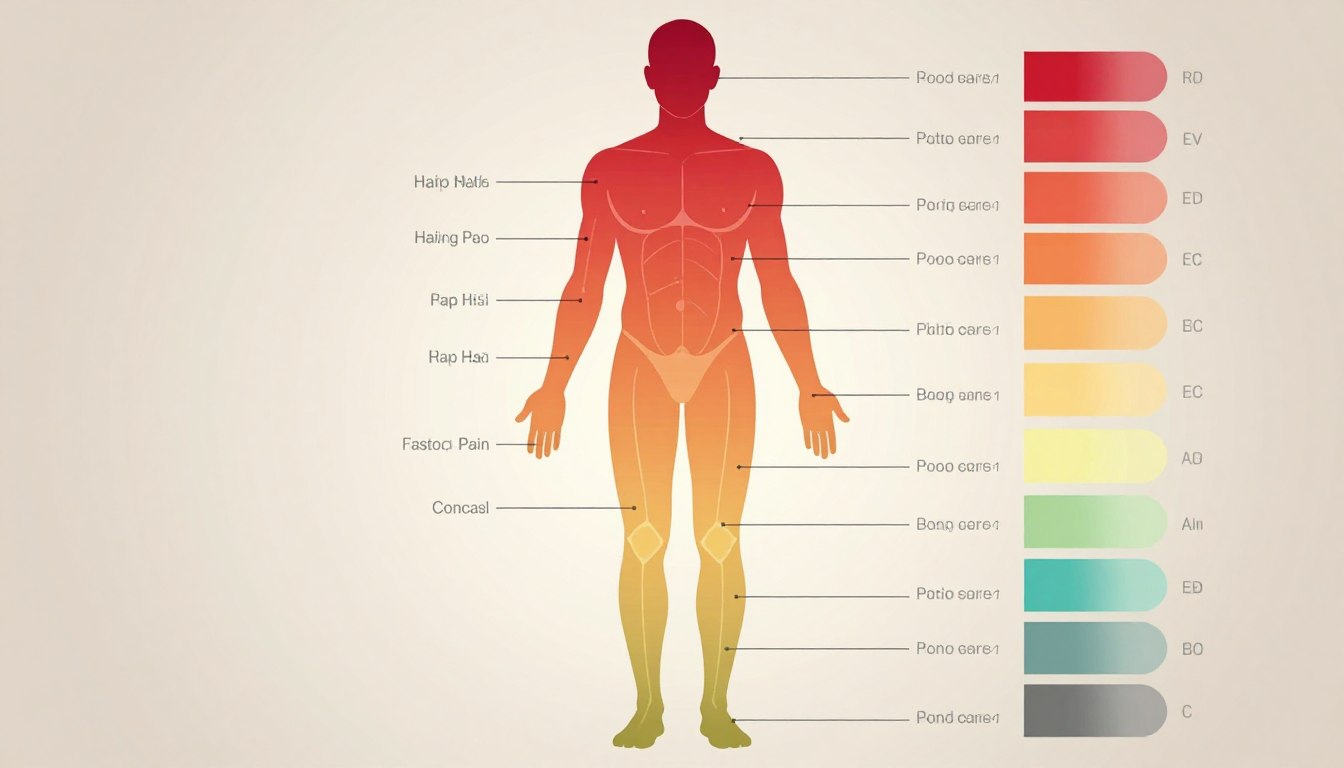
Why do some people find getting a rib tattoo easy, while others struggle with their forearm? The truth about tattoo pain might surprise you.
When you get a tattoo, needles pierce your skin thousands of times a minute. They deposit pigment into the dermis layer. Each body area reacts differently to this process. A tattoo pain chart helps you know which spots will hurt the most and which will feel almost nothing.
Your skin’s thickness, fat, and nerve density affect pain levels. Areas like ribcages and ankles hurt a lot because bone is close to the surface with little cushioning. On the other hand, fleshy spots like upper arms and thighs have padding that makes the pain less intense.
How much pain you feel from a tattoo can vary a lot between people. What one person finds unbearable, another might handle easily. Your pain threshold, stress, and even the time of day can change how you feel the pain.
Key Takeaways
- Bony areas with thin skin cause the most intense tattoo pain
- Fat and muscle provide natural cushioning that reduces discomfort
- Individual pain tolerance varies based on personal factors
- Nerve-dense zones like hands and feet rank high for sensitivity
- Upper arms and thighs typically offer the most comfortable tattoo experience
- Your mental state directly impacts how you perceive pain during tattooing
Understanding Tattoo Pain
Getting a tattoo means needles poking your skin over and over. This hurts, but how much varies from person to person. A tattoo sensitivity guide is key for those thinking about getting inked. Your body reacts by releasing hormones like adrenaline and endorphins, making the pain feel different.
What Causes Tattoo Pain?
Tattoo machines move needles fast, up to 3,000 times a minute. These needles go through the skin’s top layer and into the deeper layer, leaving ink. When needles hit bones or nerves, the pain feels worse. The tattoo pain scale helps artists and clients know what to expect in different spots.
Individual Pain Tolerance
How much pain you can handle varies a lot. Some people get through long sessions without flinching, while others find even short tattoos hard. Your pain limit depends on your genes, past experiences, and how ready you are mentally. Artists say that those who prepare with a tattoo sensitivity guide do better.
Factors Influencing Pain Levels
Several things can change how much pain you feel during a tattoo:
| Factor | Impact on Pain |
|---|---|
| Needle type | Single needles create sharp stinging; multiple needles produce scratching sensations |
| Session length | Longer sessions cause burning feelings as skin becomes irritated |
| Body location | Areas with thin skin or near bones hurt more |
| Artist technique | Experienced artists work efficiently, reducing overall discomfort |
Tattoo Locations and Pain Levels
Choosing where to get a tattoo can be tricky because pain levels vary. Some spots have thin skin with lots of nerves, while others have more muscle and fat. Knowing which spots hurt more can help you prepare and choose the right spot for your tattoo.
Highly Sensitive Areas
The most painful tattoo spots have thin skin, are close to bones, and have lots of nerves. The armpit is one of the worst because of lymph nodes and nerves. The rib cage is also painful because there’s little fat between the skin and bone.
The groin area has dense nerves that make it very uncomfortable. Ankles, feet, and toes are also very sensitive because they have lots of nerves for feeling the ground. The head and face are painful because of the cranial nerves.
Moderate Pain Areas
Some spots are in the middle when it comes to pain. The stomach’s pain level depends on how much fat you have. The inner bicep is sensitive but not as bad as some other spots.
Hip tattoos can vary in pain based on how prominent your hip bones are. These areas usually score 4-7 on pain scales.
Less Sensitive Areas
The least painful spots include the outer thigh, shoulders, and outer arms. These areas have more fat and muscle, which helps cushion the needle. Forearms and calves also have a lot of muscle, making them less painful.
| Body Location | Pain Level (1-10) | Key Characteristics |
|---|---|---|
| Armpit | 9-10 | Lymph nodes, nerve endings |
| Rib Cage | 9-10 | Minimal fat cushioning |
| Groin | 9-10 | Dense nerve concentration |
| Ankles/Feet | 9-10 | Tactile nerve abundance |
| Stomach | 4-7 | Variable fat padding |
| Inner Bicep | 4-7 | Sensitive nerve presence |
| Outer Thigh | 3-4 | Substantial muscle mass |
| Shoulder | 3-4 | Fat and muscle protection |
| Forearm | 3-4 | Good natural padding |
| Calves | 3-4 | Significant muscle buffer |
The Pain Scale for Tattoos
Understanding tattoo pain helps artists and clients know what to expect. The pain scale ranges from 1 to 10, showing different levels of pain. Knowing this scale helps you manage pain and prepare for your tattoo.
Overview of the Pain Scale
The tattoo pain scale is similar to medical pain charts. A score of 1-2 means little discomfort. Scores of 9-10 are very painful. Most people find scores of 3-4 mildly uncomfortable, like a cat scratch.
Scoring 5-6 feels like a moderate sunburn. And scores of 7-8 are similar to deep muscle soreness. Your pain tolerance affects how you feel each level.
Rating Pain Levels by Location
| Body Area | Pain Rating | Description |
|---|---|---|
| Armpit | 9-10 | Extremely sensitive with thin skin |
| Rib Cage | 9-10 | Bone proximity creates sharp sensations |
| Elbow Ditch | 8-10 | Nerve-rich area with minimal padding |
| Knee Ditch | 8-10 | Tender spot behind the knee |
| Spine | 7-8 | Direct contact with vertebrae |
| Neck | 7-8 | Sensitive skin and many nerve endings |
| Inner Bicep | 5-6 | Soft tissue with moderate sensitivity |
| Stomach | 5-6 | Varies based on muscle tone |
| Forearm | 3-4 | Good muscle padding reduces pain |
| Outer Thigh | 3-4 | Thick skin and muscle cushioning |
Understanding Pain Thresholds
Your body makes natural painkillers during tattoos. These last three to four hours. People with tattoos can handle more pain than newbies.
Getting used to tattoo pain takes time. Each session helps you get better at handling it.
Factors That Affect Pain Perception
Your body reacts differently to tattoo pain, depending on many personal factors. The needle sensation is the same, but how you feel it varies. This is why your friend might handle a rib tattoo easily, while you find an ankle tattoo tough.
Personal Health Conditions
Being physically fit can change how you feel tattoo pain. Athletes often handle pain better because they’re used to it. Smokers, on the other hand, might feel more pain because nicotine affects blood flow and nerves.
Skin conditions also play a role. If you have psoriasis, eczema, or stretch marks, tattooing might hurt more. Weight changes can make some spots more painful. For example, loose skin from losing a lot of weight can hurt more, and thin skin over bones can be uncomfortable.
Psychological Factors
Your mental state affects how you feel tattoo pain. Stress and anxiety can make even easy spots hurt more. Depression can also change how your brain handles pain signals. But, being excited and looking forward to your tattoo can help reduce pain.
Age and Pain
As you get older, your skin changes, affecting tattoo pain. Older skin bruises more easily and heals slower, making soreness worse. Younger skin is thicker and more resilient, handling needle trauma better. Hormonal changes throughout life also influence how you feel pain, with many noticing changes at different ages.
Pain Management Techniques
Getting a tattoo doesn’t have to be painful. With the right preparation and pain management, it can be more comfortable. Whether you’re getting a tattoo in a less painful spot or a more sensitive area, these tips will help you stay comfortable.
Preparing Before Getting Tattooed
Your body needs rest and food to handle the tattooing. Make sure to get at least eight hours of sleep before your tattoo. A well-rested body feels less pain.
Eat a big meal two hours before your tattoo. This keeps your blood sugar stable. Low blood sugar can make you dizzy and more sensitive to pain.
Don’t drink alcohol for 24 hours before your tattoo. It makes your blood thinner and can cause more bleeding. Start moisturizing the area a week before with fragrance-free lotion. This helps your skin accept the ink better and may hurt less.
Drink lots of water before your tattoo but avoid too much caffeine. It can make you more sensitive.
During the Tattoo Process
Talking to your artist is key for managing pain. Ask for breaks every 20-30 minutes, even if it’s a long session. Your artist will help you stretch and reset.
Bring headphones and make a playlist to keep you calm. Some people like to talk, while others prefer music.
For long sessions, bring snacks like granola bars or fruit. Numbing creams can help with sensitive areas, but talk to your artist first. They can affect how your skin takes ink. Focus on deep breathing to relax your body.
Aftercare for Pain Relief
Good aftercare helps with pain during healing. Use products like Saniderm to protect your tattoo. This reduces irritation and friction.
Wear loose clothes around your tattoo. Tight clothes can rub and cause pain. Clean your tattoo with unscented antibacterial soap twice a day. Pat it dry with paper towels to avoid bacteria.
Popular Tattoo Locations Ranked by Pain
Getting a tattoo can hurt in different ways, depending on where you get it. Some spots are much more painful than others. This is because of nerve endings, how close to bone you are, and how thick your skin is. Knowing which spots are the most painful and which are the least can help you choose where to get your next tattoo.
Painful Areas: Back and Spine
The spine is one of the most painful places for tattoos, with a pain level of 7 to 8 out of 10. This is because the needle is close to your spinal cord. Every tap of the needle feels like it’s going through your bone.
But, other parts of your back are much less painful. Places away from the spine only hurt a little, with a pain level of 3 to 4 out of 10. This is because your skin and muscles protect you from too much pain. Shoulder blades are in between, with sharp pain spikes when the needle hits bone.
Moderate Pain: Shoulders and Arms
Shoulders are a good choice for beginners, with a pain level of 3 to 4 out of 10. This is because of the fat and muscle that protects you. The outer arm is also pretty comfortable, with a pain level of 4 out of 10. But, the inner bicep is more painful, with a pain level of 6 out of 10, because of sensitive nerves.
Tolerable Areas: Thighs and Calves
Outer thighs are not very painful, with a pain level of 3 to 4 out of 10. This is because of the muscle mass. But, inner thighs are very painful, with a pain level of 8 or 9 out of 10, because of the thin and sensitive skin. Calves are in the middle, with a pain level of 4 to 5 out of 10, thanks to the muscle mass.
| Body Location | Pain Level (1-10) | Pain Category |
|---|---|---|
| Spine | 7-8 | High |
| Inner Thigh | 8-9 | High |
| Inner Bicep | 6 | Moderate |
| Calves | 4-5 | Moderate |
| Outer Arm | 4 | Low |
| Shoulders | 3-4 | Low |
| Outer Thigh | 3-4 | Low |
| Back (away from spine) | 3-4 | Low |
Cultural Perceptions of Tattoo Pain
How people feel pain from tattoos changes a lot between cultures and groups. What you think about tattoos and how you prepare for them can be influenced by your culture. Knowing these differences helps us understand why some people handle tattoo pain better than others.
Tattoo Pain in Different Cultures
In Polynesian cultures, pain is seen as a key part of the tattoo ritual. The Samoan pe’a tattoo, for example, takes weeks and is very painful. It’s a rite of passage.
In Western cultures, people use numbing creams and take breaks to lessen pain. Japanese tebori tattoos, which are hand-poked, are thought to be more painful. Yet, many believe they create a deeper spiritual bond.
Gender Differences in Pain Perception
Research shows that men and women feel pain differently when getting tattoos. Biological factors play a big role in how we feel pain during tattooing.
| Factor | Women | Men |
|---|---|---|
| Skin Thickness | Thinner skin layers | 25% thicker skin |
| Pain Intensity | Higher reported intensity | Lower reported intensity |
| Chest Area Pain | Less painful due to padding | More painful on ribcage |
| Hormonal Influence | Estrogen affects sensitivity | Testosterone may reduce sensitivity |
Social Attitudes Towards Tattooing
How much people accept tattoos can affect how nervous they are before getting one. Face and neck tattoos are often seen as taboo and are very painful. This makes it harder for people to deal with the pain.
Having support from others can help lower anxiety and make the pain feel less intense.
Artistic Considerations and Pain
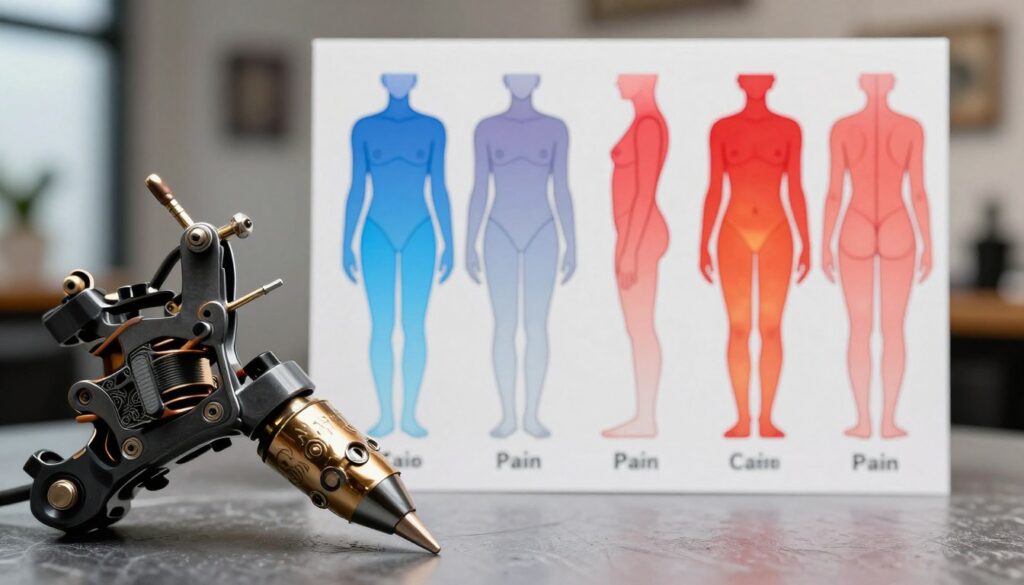
Your tattoo design choices affect how much pain you’ll feel during your session. Different designs need different needle techniques and time. Knowing this helps you get ready for your next tattoo.
The Impact of Tattoo Design on Pain
Bold lines and heavy shading increase pain because needles work the same spots over and over. Dense designs cause burning as artists layer ink in specific areas. Simple designs on the face usually hurt less than detailed ones.
Single needle work for fine details creates sharp, stinging feelings. These are different from the broader strokes of shading needles.
Color vs. Black and Grey Tattoos
Color tattoos usually hurt more than black and grey ones. Artists need to work the skin harder to get the right color. Each color needs many passes to get vibrant.
Black and grey tattoos on big areas like the upper thigh might take three to four hours for the outline and more for filling. Color tattoos make sessions even longer.
Size Matters: Small vs. Large Tattoos
Big tattoos with lots of color increase pain, even on less sensitive areas. A huge back piece needs a lot of time, making the skin tender. Small tattoos are quick, so you don’t feel pain for as long, even if they’re on sensitive spots.
| Design Element | Pain Impact | Session Time |
|---|---|---|
| Bold Lines | High | 1-2 hours |
| Fine Details | Medium-High | 2-3 hours |
| Color Saturation | High | 3-5 hours |
| Black Shading | Medium | 2-4 hours |
Pain During Tattoo Removal
Removing unwanted tattoos is a challenge. The laser removal process causes a unique kind of pain. Your pain tolerance affects how you feel during each session.
Understanding Tattoo Removal Pain
Laser removal breaks down ink under your skin. It feels like hot rubber bands snapping against your skin over and over. Each snap is quick, but it can surprise you. Darker inks like black and blue absorb more laser, leading to more pain.
Comparison of Pain: Tattoo vs. Removal
Most people say removal hurts more than getting a tattoo. The pain is sharper and more focused. Areas with lots of ink need stronger lasers, making it more uncomfortable.
| Aspect | Getting Tattooed | Laser Removal |
|---|---|---|
| Pain Type | Scratching, vibrating | Burning, snapping |
| Session Length | 1-6 hours | 5-30 minutes |
| Recovery Time | 2-3 weeks | 6-8 weeks between sessions |
Options for Pain Management
Managing tattoo removal pain is key. Dermatologists use lidocaine cream 30 minutes before. Cooling devices blow cold air to lessen pain. Some clinics offer pain meds for sensitive areas. Ice packs after each session help with burning.
Post-Tattoo Pain Symptoms
After getting a tattoo, your body needs time to heal. Knowing what’s normal helps you catch any issues early. This guide explains the difference between normal pain and signs that need medical help.
Normal vs. Abnormal Pain
Normal healing pain is like a dull ache that comes and goes in the first few days. It might feel tender, like a sunburn. This pain usually peaks in 24 to 48 hours and then gets better.
Areas like the rib cage might stay sore longer than other parts.
Abnormal pain is sharp, intense, or gets worse. Swelling in the armpit or enlarged lymph nodes after a tattoo are warning signs. If the tattooing feels too sharp, it could mean the needle went too deep.
Signs of Infection
Look out for these signs of infection that are more than just normal pain:
- Pain that gets worse after three days
- Red streaks spreading from the tattoo
- Yellow or green discharge
- Fever above 100.4°F
- Excessive swelling lasting more than 48 hours
When to Seek Medical Attention
| Symptom | Action Needed |
|---|---|
| Fever with chills | See doctor immediately |
| Spreading redness | Medical care within 24 hours |
| Pus or unusual discharge | Contact physician same day |
| Severe swelling | Emergency room if breathing affected |
If something feels off, trust your instincts. Contact your doctor or urgent care if you’re unsure.
Myths and Misconceptions About Tattoo Pain
Getting a tattoo means needles piercing your skin, so some discomfort is sure to happen. Yet, many myths about tattoo pain keep circulating. These myths create unrealistic expectations for both first-timers and seasoned collectors. Knowing the truth about body areas tattoo pain helps you get ready mentally and physically for your next tattoo.
Common Myths Debunked
One common myth is that tough-looking people feel less pain during tattoos. This myth is quickly debunked in tattoo shops around the world. A bodybuilder might squirm during a ribcage piece, while a petite person might sit calmly through the same spot. Your pain tolerance has nothing to do with how tough you look.
Another myth is that a tattoo pain chart can predict pain for everyone exactly. While these guides give general estimates based on nerve endings and skin thickness, experiences vary a lot. What feels like a 3 out of 10 for one person might feel like an 8 for another in the same spot.
Realities of Getting Tattooed
Most people find that tattoo pain is different from what they expected. Some areas surprise clients with unexpected sensitivity. The buttocks, often rated low on pain charts, can cause intense discomfort and muscle flinching. Pain perception changes based on stress levels, fatigue, and even the time of day.
Importance of Research Before Tattooing
Looking at a tattoo pain chart is a good start to understanding possible discomfort levels. Reading reviews from clients who got work done at your chosen studio gives real insights. Talking with your artist about specific body areas tattoo pain helps set realistic expectations. This allows for proper mental preparation for your session.
Advice from Tattoo Professionals
Seasoned tattoo artists share tips on handling discomfort during tattoos. They’ve worked with many clients, learning how to make sessions easier. They know that talking and technique can make a tough experience more bearable.
Tips from Experienced Artists
For newbies, artists suggest starting with less painful spots. The outer forearm, upper arm, and calf muscles are good choices. They also advise booking longer sessions in the morning when you’re most alert.
Eating a big meal before can help keep your blood sugar up. This can make managing pain easier. Artists use special techniques to lessen discomfort. They might change their machine speed or take breaks.
Some artists recommend using numbing creams for sensitive spots. But, they should talk about it first because it can affect how the ink takes.
Client Testimonials on Pain
Most clients say they worry more about the tattoo than the actual getting it done. Regulars find that breathing or talking helps them feel less pain. Starting with less painful spots builds confidence for more sensitive areas later.
Discussing Pain with Your Tattoo Artist
Talking about your pain tolerance is key. During consultations, share any pain concerns or past experiences. Artists value when clients speak up during the tattoo if they need a break or adjustment. This teamwork ensures a comfortable and successful tattooing experience.
Getting Tattooed for the First Time
Stepping into a tattoo studio for your first time can be thrilling and scary. Knowing what to expect can turn your nerves into confidence. The first feeling is like a quick pinch, followed by a natural rush of adrenaline. This makes the pain steady and bearable.
Most people find it less painful than they thought. Choosing the right spot and getting ready properly helps a lot.
What First-Timers Should Expect
Your first tattoo brings many sensations that change as you go. The needle feels different in each area:
- A vibrating sensation over bones
- Slight burning on sensitive skin
- Scratching feeling on fleshy areas
- Sharp pinches near joints or thin skin
The outer arm and shoulder are among the least painful tattoo spots for beginners. They’re visible and not too painful. Your artist will start with an outline, which feels sharper than shading.
Pain Management for Newcomers
Good tattoo pain management begins before you sit down. Breathing techniques are very helpful. Take slow, deep breaths through your nose and out your mouth. This lowers tension and makes it more comfortable.
Many studios let you wear headphones. Listening to calming music can help distract you from the pain.
Preparing Mentally and Physically
Getting ready physically can greatly improve your experience. Make sure to get a good night’s sleep before your tattoo. Eat a big meal two hours before to keep your blood sugar up. Drink water all day before to stay hydrated.
Wear loose, comfy clothes that are easy to get to. Avoid skinny jeans for leg tattoos. Choose clothes you don’t mind getting ink stains on. Remember, the temporary discomfort is worth the beautiful art you’ll have forever.
Final Thoughts on Tattoo Pain
Getting a tattoo is more than picking a design and finding an artist. The tattoo pain chart is a key tool for planning your body art. Pain is different for everyone, and what hurts one person might not bother another. Your age, health, and mood also affect how you feel the needle.
The tattoo sensitivity guide helps you choose where to put your art. This is based on how comfortable you are with the pain.
Embracing the Experience
The pain from tattoos triggers a mix of adrenaline and endorphins. This can make the experience enjoyable for many. Athletes often say it feels like a runner’s high.
Your body’s response turns discomfort into something exciting. Each session is a unique journey, with your pain tolerance changing daily.
Pain as Part of the Journey
Knowing how different body parts react to tattoos helps you prepare. The tattoo pain chart shows that areas with more bone and nerve endings hurt more. This lets you choose where to place your tattoo based on both looks and pain.
Platforms like Reddit and Instagram share experiences. This helps newcomers know what to expect.
Celebrating Your Tattoo Art
The pain of getting a tattoo is short-lived, but your art lasts forever. Using a tattoo sensitivity guide before your appointment boosts your confidence. Many tattoo fans see the pain as a meaningful part of getting their art.
The temporary discomfort becomes a story you share. You also get to show off your new ink.