
Hibiscus, a vibrant and striking flower, has captivated our senses for centuries. Known for its stunning colors and unique shape, this plant belongs to the Malvaceae family and is native to tropical and subtropical regions around the world. We often encounter hibiscus in gardens, parks, and even as a decorative element in various cultural celebrations.
However, beyond its aesthetic appeal, hibiscus has garnered attention for its numerous health benefits, making it a valuable addition to our wellness repertoire. As we delve deeper into the world of hibiscus, we will uncover the myriad ways this remarkable plant can enhance our health and well-being. The use of hibiscus dates back to ancient civilizations, where it was revered not only for its beauty but also for its medicinal properties.
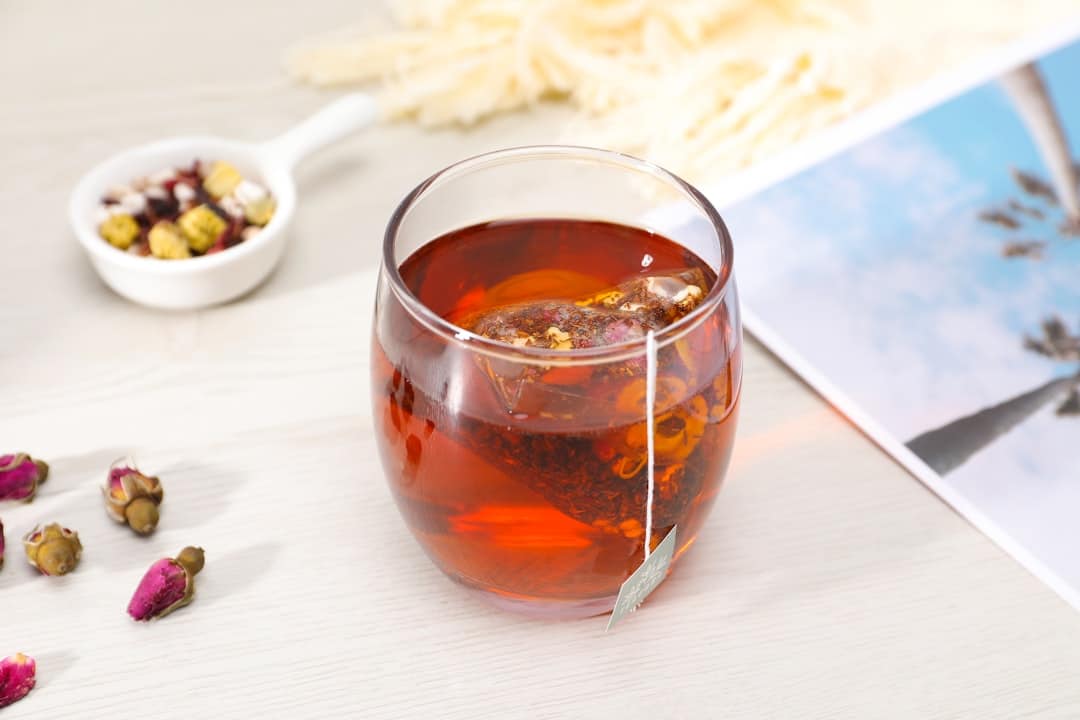
In many cultures, hibiscus tea has been a staple beverage, enjoyed for its refreshing taste and potential health benefits.
As we explore the various aspects of hibiscus, we will discover how this humble flower can play a significant role in promoting our overall health, from supporting heart health to aiding digestion. By understanding the multifaceted benefits of hibiscus, we can appreciate its place in both traditional medicine and modern wellness practices.
Key Takeaways
- Hibiscus is a flowering plant known for its vibrant and colorful flowers, and it is commonly used in herbal teas and traditional medicine.
- Hibiscus is rich in antioxidants, which help to protect the body from oxidative stress and reduce the risk of chronic diseases.
- Studies have shown that hibiscus may have a positive impact on heart health by lowering cholesterol levels and reducing the risk of heart disease.
- Consuming hibiscus tea may help to lower blood pressure, making it a natural remedy for hypertension.
- Hibiscus may aid in weight management by reducing the absorption of carbohydrates and promoting a feeling of fullness, which can help with weight loss efforts.
Antioxidant Properties of Hibiscus
One of the most compelling reasons to incorporate hibiscus into our diet is its impressive antioxidant properties. Antioxidants are compounds that help neutralize free radicals in our bodies, which can cause oxidative stress and lead to chronic diseases. Hibiscus is rich in anthocyanins, flavonoids, and other polyphenols that contribute to its antioxidant capacity.
These compounds not only protect our cells from damage but also support overall health by reducing inflammation and promoting cellular repair. As we consume hibiscus, whether in tea form or as an ingredient in various dishes, we are providing our bodies with a powerful defense against oxidative stress. Research has shown that the antioxidants found in hibiscus can help combat conditions such as heart disease, diabetes, and even certain types of cancer.
By incorporating hibiscus into our daily routine, we can harness these protective benefits and support our body’s natural ability to fight off harmful agents.
Hibiscus and Heart Health

Our heart health is paramount, and hibiscus has emerged as a natural ally in maintaining cardiovascular wellness. Studies have indicated that hibiscus may help lower cholesterol levels and improve overall heart function. The anthocyanins present in hibiscus are believed to play a crucial role in promoting healthy blood circulation and reducing the risk of heart disease.
By incorporating hibiscus into our diet, we may be taking proactive steps toward safeguarding our cardiovascular system. Moreover, hibiscus has been linked to improved endothelial function, which is essential for maintaining healthy blood vessels. When we consume hibiscus regularly, we may experience enhanced blood flow and reduced arterial stiffness.
This can lead to better oxygen delivery throughout our bodies and improved overall energy levels. As we prioritize our heart health, hibiscus serves as a delicious and beneficial addition to our dietary choices.
Hibiscus and Blood Pressure
| Study | Findings |
|---|---|
| Research 1 | Hibiscus tea may lower blood pressure in people with hypertension |
| Research 2 | Hibiscus extract may have antihypertensive effects |
| Research 3 | Hibiscus may help lower systolic and diastolic blood pressure |
High blood pressure is a common concern for many of us, and hibiscus has shown promise as a natural remedy for managing this condition. Research suggests that hibiscus tea may help lower systolic and diastolic blood pressure levels in individuals with hypertension. The bioactive compounds in hibiscus are thought to promote vasodilation, which relaxes blood vessels and allows for smoother blood flow.
Incorporating hibiscus into our daily routine could be a simple yet effective way to support healthy blood pressure levels. Whether enjoyed as a warm tea or a refreshing iced beverage, hibiscus offers a flavorful alternative to sugary drinks while providing potential health benefits. By making this small change in our beverage choices, we may contribute positively to our cardiovascular health and overall well-being.
Hibiscus and Weight Management
For those of us looking to manage our weight effectively, hibiscus may offer valuable support. Some studies have indicated that hibiscus extract can aid in weight loss by inhibiting the absorption of carbohydrates and fats. This means that by incorporating hibiscus into our diet, we may be able to reduce calorie intake while still enjoying flavorful meals.
Additionally, hibiscus is low in calories and high in fiber, making it an excellent choice for those seeking to maintain a healthy weight. The fiber content can promote feelings of fullness, helping us resist the temptation to overeat. By adding hibiscus tea or other hibiscus-infused products to our daily routine, we can enjoy a delicious beverage that not only satisfies our taste buds but also supports our weight management goals.
Hibiscus and Liver Health
Our liver plays a vital role in detoxifying our bodies and maintaining overall health. Hibiscus has been shown to have hepatoprotective properties, meaning it can help protect the liver from damage caused by toxins and oxidative stress. The antioxidants found in hibiscus work synergistically to support liver function and promote the regeneration of liver cells.
Incorporating hibiscus into our diet may also aid in improving liver enzyme levels, which are crucial indicators of liver health. By enjoying hibiscus tea or supplements regularly, we may be taking proactive steps toward supporting our liver’s natural detoxification processes. As we prioritize our overall well-being, including liver health in our wellness journey is essential, and hibiscus can be a valuable ally in this endeavor.
Hibiscus and Digestive Health
Maintaining a healthy digestive system is crucial for overall well-being, and hibiscus can play a supportive role in this area as well. The fiber content in hibiscus helps promote regular bowel movements and supports gut health by acting as a prebiotic. This means that it nourishes the beneficial bacteria in our intestines, contributing to a balanced microbiome.
Moreover, hibiscus has been traditionally used to alleviate digestive issues such as bloating and constipation. Its natural diuretic properties can help reduce water retention and promote healthy digestion. By incorporating hibiscus into our meals or enjoying it as a soothing tea after meals, we can support our digestive health while enjoying its delightful flavor.
Hibiscus and Immune System Support
A robust immune system is essential for warding off illnesses and maintaining overall health. Hibiscus is rich in vitamin C and other immune-boosting nutrients that can help strengthen our body’s defenses against infections. The antioxidants present in hibiscus also play a role in reducing inflammation, which is crucial for optimal immune function.
By regularly consuming hibiscus tea or incorporating it into our diet, we may enhance our immune response and reduce the risk of common illnesses such as colds and flu. As we navigate through seasonal changes or periods of increased stress, adding hibiscus to our wellness routine can provide an extra layer of protection for our immune system.
Hibiscus and Skin Health
Our skin is often a reflection of our internal health, and hibiscus can contribute positively to its appearance and vitality. The antioxidants found in hibiscus help combat free radicals that can lead to premature aging and skin damage. Additionally, the anti-inflammatory properties of hibiscus can soothe irritated skin and promote a more even complexion.
Hibiscus is also known for its hydrating properties, making it an excellent ingredient for skincare products or DIY masks. By incorporating hibiscus into our beauty routine or enjoying it as a refreshing drink, we can nourish our skin from the inside out while enjoying its delightful flavor.
Hibiscus and Mental Well-being
Mental well-being is an essential aspect of our overall health, and hibiscus may offer benefits in this area as well. The calming properties of hibiscus tea can help reduce stress and anxiety levels, promoting relaxation and tranquility. The act of sipping on a warm cup of hibiscus tea can become a mindful ritual that allows us to unwind after a long day.
Furthermore, some studies suggest that the antioxidants found in hibiscus may have neuroprotective effects, potentially supporting cognitive function as we age. By incorporating hibiscus into our daily routine, we not only enjoy its delicious taste but also contribute positively to our mental well-being.
Conclusion and Recommendations
In conclusion, hibiscus is more than just a beautiful flower; it is a powerhouse of health benefits that can enhance various aspects of our well-being. From its antioxidant properties to its support for heart health, blood pressure management, weight control, liver function, digestive health, immune support, skin vitality, and mental well-being, hibiscus proves to be a versatile addition to our diets. As we consider incorporating hibiscus into our daily routine, we recommend exploring different ways to enjoy this remarkable plant.
Whether through teas, smoothies, or culinary dishes, there are countless opportunities to savor the flavor while reaping the benefits. As with any dietary change or supplement, it is essential to consult with healthcare professionals if we have specific health concerns or conditions. By embracing the power of hibiscus in our lives, we can take proactive steps toward achieving better health and well-being while enjoying the delightful taste this flower has to offer.
Let us celebrate the beauty of hibiscus not only for its visual appeal but also for its incredible contributions to our overall wellness journey.
If you are interested in learning more about natural remedies for health and wellness, you may also want to check out an article on how Briumvi works. This article provides insights into a treatment option that may be beneficial for various health conditions.
FAQs
What are the health benefits of hibiscus?
Hibiscus is known for its potential health benefits, including lowering blood pressure, improving liver health, and aiding in weight management.
How can hibiscus be consumed for its benefits?
Hibiscus can be consumed as a tea, used in cooking, or taken as a supplement to reap its health benefits.
Does hibiscus have any potential side effects?
While hibiscus is generally safe for most people, it may interact with certain medications and can cause fluctuations in blood pressure. It is best to consult with a healthcare professional before consuming hibiscus, especially if you have any underlying health conditions.
Is hibiscus safe for pregnant women and children?
Pregnant women and children should consult with a healthcare professional before consuming hibiscus, as its safety for these groups is not well-established.
Can hibiscus help with weight management?
Hibiscus may aid in weight management by promoting satiety and inhibiting the absorption of carbohydrates, potentially contributing to weight loss.
What are the nutritional benefits of hibiscus?
Hibiscus is rich in antioxidants, vitamin C, and minerals such as iron and calcium, which can contribute to overall health and well-being.
How does hibiscus benefit skin and hair health?
Hibiscus is known for its potential to promote hair growth, prevent hair loss, and improve skin health due to its antioxidant and anti-inflammatory properties.
Can hibiscus help in managing diabetes?
Hibiscus may help in managing diabetes by lowering blood sugar levels and improving insulin sensitivity, but individuals with diabetes should consult with a healthcare professional before using hibiscus as a treatment.