

The thyroid gland is key to many body functions. It’s a small, butterfly-shaped organ at the neck’s base. It makes hormones that control metabolism, energy, and mood. For women, keeping the thyroid healthy is crucial because it affects menstrual cycles, fertility, and overall health.
Thyroid issues can start at any age for women. In the teenage years, the thyroid helps with growth. In your 20s and 30s, thyroid problems can affect pregnancy and fertility. After 60, up to 20% of women face thyroid issues. Regular checks help find problems early.
There are two main thyroid disorders in women. Hypothyroidism means your thyroid doesn’t make enough hormones. This can cause fatigue, weight gain, depression, and irregular periods. On the other hand, hyperthyroidism means your thyroid makes too much hormone. Symptoms include weight loss, anxiety, rapid heartbeat, and excessive sweating.
If you have relatives with thyroid disease, you’re at higher risk. The National Institute for Health and Care Excellence suggests testing if you show symptoms. Early detection and proper management can prevent serious issues and improve your life quality.
Key Takeaways
- The thyroid gland regulates metabolism, energy levels, and hormones in women
- Thyroid disorders can affect women at any age, from adolescence through menopause
- Hypothyroidism causes fatigue, weight gain, and menstrual irregularities
- Hyperthyroidism leads to weight loss, anxiety, and rapid heart rate
- Family history increases your risk of developing thyroid problems
- Regular screening and early detection improve treatment outcomes
- Proper management helps maintain fertility and overall health
Understanding Thyroid Anatomy and Function
The thyroid gland is key to your body’s health. It’s shaped like a butterfly and sits in your neck. Despite being small, it controls many important body functions.
The Role of the Thyroid Gland
Your thyroid acts like a thermostat. It makes hormones that tell your cells how fast to work. The brain controls this through a feedback system.
This system keeps hormone levels just right. If levels get too low or too high, the brain adjusts. This keeps your body in balance and prevents hormone imbalance.
Hormones Produced by the Thyroid
The thyroid gland makes two main hormones:
- T3 (triiodothyronine) – the active form that cells use directly
- T4 (thyroxine) – converts to T3 when needed by the body
These hormones travel through your blood to reach every cell. They affect your heart rate, body temperature, and how you burn calories.
How the Thyroid Affects Metabolism
Thyroid hormones are crucial for metabolism. They control how fast your body turns food into energy. With the right hormone levels, you stay healthy and have steady energy.
Too little hormone slows you down. Too much speeds you up. Both can lead to serious health issues that affect your life quality.
Common Thyroid Problems in Women
The thyroid gland is key to our body’s energy and metabolism. Women face unique thyroid health challenges, with higher rates of thyroid issues than men. Knowing the symptoms and differences between thyroid disorders is crucial for women to get the right care and treatment.
Hypothyroidism: Overview and Symptoms
Hypothyroidism happens when the thyroid gland doesn’t make enough hormones. It affects about 40 out of every 10,000 women, compared to six out of every 10,000 men. The main cause is Hashimoto’s thyroiditis, an autoimmune disease where the body attacks its thyroid.
Women with hypothyroidism often feel:
- Persistent fatigue and weakness
- Unexplained weight gain
- Sensitivity to cold temperatures
- Dry skin and brittle hair
- Constipation and digestive issues
- Depression and memory problems
- Heavy or irregular menstrual periods
Hyperthyroidism: Overview and Symptoms
Hyperthyroidism is when the thyroid makes too much hormone. Graves’ disease is the most common cause, but toxic nodular disease can also trigger it. Treatment options depend on the cause and how severe the symptoms are.
Common symptoms include rapid heartbeat, unexplained weight loss, anxiety, trembling hands, excessive sweating, and trouble sleeping. Women may also notice lighter or missed menstrual periods.
Thyroid Nodules and Cancer Risks
Thyroid nodules are lumps in the thyroid gland. Most are harmless, but 5-10% can have cancer cells. Regular checks with ultrasound and biopsy help figure out if treatment is needed.
| Thyroid Condition | Prevalence in Women | Primary Symptoms |
|---|---|---|
| Hypothyroidism | 40 per 10,000 | Fatigue, weight gain, cold sensitivity |
| Hyperthyroidism | 20 per 10,000 | Weight loss, rapid heartbeat, anxiety |
| Thyroid Nodules | 50% by age 60 | Often no symptoms, neck swelling |
Risk Factors for Thyroid Disorders in Women
Women have special challenges with their thyroid health. Many factors can make them more likely to get thyroid problems. Knowing these risks helps women stay healthy and get help when they need it.
Genetics and Family History
Your family history is key to thyroid health. If your relatives have thyroid issues, you might too. Autoimmune thyroid diseases like Hashimoto’s and Graves’ often run in families.
Women with Down syndrome or Turner syndrome are at higher risk. Those with type 1 diabetes or celiac disease also face a higher risk. This is because of their autoimmune conditions.
Age and Hormonal Changes
As women get older, their hormones change a lot. Women over 60 have a 20% chance of thyroid problems. This risk grows even more after 65.
During menopause, hormone shifts can make thyroid issues worse. It’s important to watch TSH levels closely, especially during big life changes like pregnancy and menopause.
Lifestyle Factors: Diet and Stress
Our daily habits can affect our thyroid health. Bad diet, stress, and not exercising can harm it. Interestingly, smoking and drinking in moderation might lower some thyroid risks. But, these habits are dangerous in other ways.
- Iodine deficiency or excess can trigger thyroid issues
- Chronic stress affects hormone production
- Sedentary lifestyle impacts metabolism
- Environmental toxins may disrupt thyroid function
Recognizing Symptoms of Thyroid Problems
Thyroid disorders can show up in many ways, often mistaken for other issues. Women with thyroid problems women symptoms might notice changes in their body. These signs can help spot thyroid issues early, leading to quick treatment.
Fatigue and Weight Changes
Feeling extremely tired is a common sign of thyroid problems. This fatigue thyroid link happens when hormone levels get out of balance. In hypothyroidism, the body’s metabolism slows down, making you feel very tired, even after sleeping well.
- Hypothyroidism usually causes unexplained weight gain
- Hyperthyroidism leads to quick, unwanted weight loss
- It’s hard to lose weight, even with diet and exercise
- Changes in appetite without changing your lifestyle
Mood Swings and Mental Health Effects
Thyroid hormones affect brain chemistry and mood. Depression, anxiety, and irritability often come with thyroid issues. Women might feel confused, have trouble focusing, or memory problems that make daily tasks hard.
“My doctor initially treated me for depression, but addressing my thyroid condition finally lifted the mental fog I’d been living with for years.” – Patient testimonial from the American Thyroid Association
Menstrual Irregularities
Thyroid problems can really mess with reproductive health, causing menstrual irregularities. These issues include heavier or lighter periods, irregular cycles, or no periods at all. Young women and teens with undiagnosed thyroid issues might face delayed puberty or trouble getting pregnant.
Diagnosis of Thyroid Disorders
To accurately diagnose thyroid issues, specific tests are needed. These tests measure how well your thyroid gland works. Doctors use blood work, imaging, and sometimes tissue sampling to find thyroid problems. Each test gives different insights into your thyroid health.
Blood Tests: TSH, T3, and T4 Levels
Thyroid blood tests are the first step in diagnosing thyroid disorders. The most common test checks TSH (thyroid-stimulating hormone). Normal tsh levels female are between 0.4 to 4.5 mIU per liter. If TSH goes above this range, it often means hypothyroidism. Low TSH suggests hyperthyroidism.
Doctors may also order other tests, including:
- Free T4 (FT4) – helps tell the difference between clinical and subclinical hypothyroidism
- Free T3 (FT3) – checks the levels of active thyroid hormone
- TPO antibodies – identifies autoimmune thyroid conditions
Imaging Tests: Ultrasounds and Scans
Thyroid ultrasound helps doctors look at the gland’s structure and find nodules. This test uses sound waves to create detailed images. Radioactive iodine uptake scans show how much iodine your thyroid absorbs. This helps figure out different types of hyperthyroidism.
Biopsy Procedures for Nodules
If imaging shows suspicious nodules, a fine-needle aspiration biopsy might be needed. This procedure takes cells from the nodule for lab analysis. The results help find out if the nodule is benign or needs more treatment. Most thyroid nodules are not cancerous, but a biopsy provides peace of mind and helps decide treatment.
Treatment Options for Hypothyroidism
Finding the right treatment for an underactive thyroid is crucial. It helps you feel like yourself again. Most people with this condition can live healthy lives with the right treatment. It’s important to understand your options and work with your doctor to find what works best.
Hormone Replacement Therapy
The main treatment for hypothyroidism is synthetic thyroid hormone medication. Levothyroxine therapy replaces the hormones your thyroid can’t make. This medication is in pill form and acts like the natural hormone your body needs.
Here’s how to take levothyroxine:
- Take it once daily, at the same time each day
- Wait 30-60 minutes before eating breakfast
- Keep it separate from iron supplements and calcium by at least 4 hours
Your doctor will figure out your starting dose based on your weight. If you’re under 65 and have no heart problems, it’s usually 1.6 micrograms per kilogram of body weight. The goal is to get your thyroid hormone levels back to normal.
Lifestyle Modifications
While medication is key, some lifestyle changes can help your thyroid:
- Eat a balanced diet rich in fruits, vegetables, and lean proteins
- Get regular exercise to boost energy and metabolism
- Manage stress through relaxation techniques
- Maintain a consistent sleep schedule
Monitoring and Follow-Up Care
Regular thyroid monitoring is important. After starting levothyroxine therapy, you’ll need blood tests every 6-8 weeks. Once your levels stabilize, you’ll need annual check-ups. Your doctor will adjust your medication dose based on these tests and how you feel.
Treatment Options for Hyperthyroidism
Patients with an overactive thyroid have many hyperthyroidism treatment options. Each option has its own benefits and things to consider. It’s important to work with healthcare providers to find the best treatment. This depends on your age, if you’re planning to have a baby, and how severe your symptoms are.
Anti-Thyroid Medications
Antithyroid medications are often the first choice for treatment. They include methimazole and propylthiouracil. These drugs stop the thyroid from making too many hormones. It usually takes 12-18 months of treatment to get better from Graves’ disease.
Side effects can include skin rashes, joint pain, and liver issues. The FDA requires regular blood tests during treatment. Women who might get pregnant need to use reliable birth control while taking these drugs because of the risk of birth defects.
Radioactive Iodine Treatment
Radioactive iodine is a strong treatment for hyperthyroidism. The thyroid gland absorbs iodine, making this treatment very targeted. Usually, just one dose is needed, and it works in 2-6 months.
After treatment, patients need to follow some important steps:
- Avoid close contact with children and pregnant women for several days
- Delay pregnancy for at least six months
- Use separate bathroom facilities when possible
- Sleep alone for 3-5 days
Surgical Options
Thyroidectomy is a surgery that removes part or all of the thyroid gland. It quickly relieves symptoms. Surgeons suggest it for large goiters, suspicious nodules, or when other treatments don’t work. Recovery takes 2-4 weeks, and most people can get back to normal in a month.
| Treatment Type | Success Rate | Treatment Duration | Main Considerations |
|---|---|---|---|
| Antithyroid medications | 40-50% | 12-18 months | Regular monitoring required |
| Radioactive iodine | 80-90% | Single dose | Pregnancy delay needed |
| Surgery | 95% | 2-3 hours | Permanent hypothyroidism likely |
Managing Thyroid Disease During Pregnancy
Thyroid health is key for a healthy pregnancy. Managing pregnancy thyroid conditions is crucial. It helps keep both mom and baby safe.
Impact on Reproductive Health
Thyroid problems can hurt fertility and pregnancy chances. Untreated conditions raise risks of miscarriage and preterm birth. About 2 to 10 in 1,000 pregnancies are affected by thyroid issues.
Early treatment is vital for a healthy pregnancy. It helps in avoiding many problems.
Monitoring Thyroid Levels
Regular tests are important during pregnancy. Doctors check TSH levels at the start and every four weeks. Women on thyroid medication pregnancy may need dose changes early on.
Those with hypothyroidism might need more medication. They might add two extra doses each week.
| Trimester | TSH Target Range | Monitoring Frequency |
|---|---|---|
| First | 0.1-2.5 mIU/L | Every 4 weeks |
| Second | 0.2-3.0 mIU/L | Every 4-6 weeks |
| Third | 0.3-3.5 mIU/L | Every 6 weeks |
Medication Safety During Pregnancy
Levothyroxine is the safest choice for hypothyroidism in pregnancy. It helps the baby’s brain grow. After birth, watch for postpartum thyroiditis, affecting up to 10% of new moms.
This condition needs careful management. It helps avoid long-term thyroid issues.
“Proper thyroid management during pregnancy is essential for both maternal health and fetal development. Early intervention makes all the difference.” – American Thyroid Association
Lifestyle Changes to Support Thyroid Health
Caring for your thyroid is more than just taking medication. Simple daily habits can greatly improve how you feel. Your thyroid health lifestyle choices affect hormone production and overall health. Adjusting your diet, activity levels, and routines helps your thyroid work better.
Nutritional Recommendations
Your diet is crucial for thyroid support. Ensure you get enough iodine from fish, dairy, and eggs. Foods rich in selenium like Brazil nuts, tuna, and whole grains also help.
- Avoid too much soy as it can block hormone absorption
- Limit foods high in sugar and unhealthy fats
- Eat lots of fruits and veggies for antioxidants
- Don’t take kelp supplements if you get enough iodine naturally
Importance of Exercise
Exercise boosts metabolism and helps manage weight changes due to thyroid issues. Start with 20-30 minutes of walking or swimming daily. As you get more energy, increase the intensity. Exercise also cuts down on fatigue and boosts mood.
Stress Management Techniques
Stress has a big impact on your thyroid. High stress can make symptoms worse and affect treatment. Try relaxation techniques like deep breathing, yoga, or meditation for 10-15 minutes a day. Getting enough sleep and keeping regular sleep times also helps your thyroid. Remember, it may take weeks to see improvements after making these lifestyle changes.
The Link Between Autoimmunity and Thyroid Issues
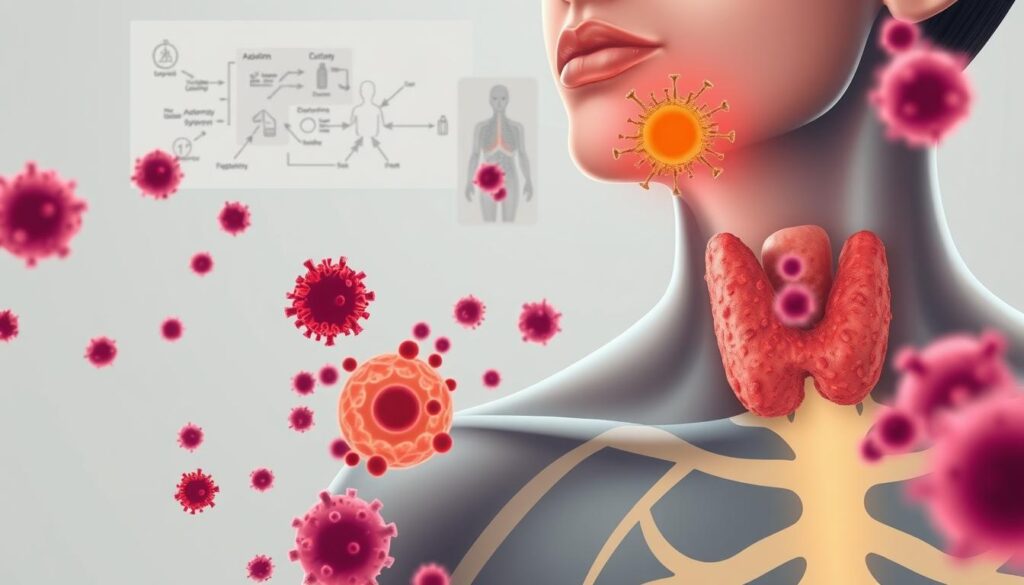
Your immune system fights off infections and diseases. Sometimes, it mistakenly attacks healthy tissue, leading to autoimmune conditions. When this happens to your thyroid gland, it can cause serious health problems. Women are more likely to develop these conditions, affecting millions in the United States.
Hashimoto’s Disease Explained
Hashimoto’s disease is the main cause of underactive thyroid in America. It occurs when antibodies attack thyroid cells, slowly destroying the gland’s hormone-making ability. Common hashimoto’s disease symptoms include extreme tiredness, unexpected weight gain, dry skin, hair loss, and feeling cold all the time. Many women also experience muscle weakness, joint pain, and depression.
Graves’ Disease Overview
Graves’ disease makes your thyroid work too hard, producing too many hormones. Key graves’ disease signs include rapid heartbeat, hand tremors, excessive sweating, and unexplained weight loss despite increased appetite. Patients often develop bulging eyes and experience anxiety or irritability. Doctors confirm this diagnosis by testing for specific antibodies in your blood.
Impact on Women’s Health
Autoimmune thyroid disorders affect women eight times more often than men. These conditions can disrupt menstrual cycles, fertility, and pregnancy outcomes. Women with one autoimmune condition face increased risks of developing others, including type 1 diabetes and celiac disease. Regular monitoring helps manage symptoms and prevent complications.
Coping with Thyroid Problems
Living with thyroid disease can feel overwhelming. But, you don’t have to face it alone. Building a strong support network and talking openly with your healthcare team can make a big difference. Understanding how your thyroid affects your mood is key to better treatment.
Support Groups and Resources
Connecting with others who get what you’re going through is priceless. Thyroid support groups are places where women share their stories, tips, and support. The American Thyroid Association has online forums for discussing daily life with thyroid disease. Local hospitals also host meetings for face-to-face connections.
Popular online communities include:
- Thyroid Change community forums
- Hypothyroid Mom Facebook groups
- Stop the Thyroid Madness discussion boards
- Reddit’s thyroid disease communities
Importance of Communication with Healthcare Providers
Your relationship with your healthcare team is crucial for good treatment. Write down your symptoms, questions, and concerns before appointments. Ask for written info about your condition and treatment options. Also, find out when to seek urgent care.
Mental Health Considerations
Thyroid disorders can greatly affect thyroid mental health. Depression and anxiety are common with both hypothyroidism and hyperthyroidism. If you’re feeling down or anxious, talk to your doctor. They might check for other issues like vitamin deficiencies or sleep problems.
Common Myths and Misconceptions
Many false beliefs about thyroid health are out there, confusing women who want the right treatment. Knowing the truth helps patients make better choices for their health. Let’s look at some common thyroid myths that science has proven wrong.
Myths About Thyroid Treatments
Some think natural thyroid extracts are better than regular meds. But research shows they’re not. Studies comparing natural extracts to levothyroxine found no benefits. The American Association of Clinical Endocrinologists says not to use desiccated thyroid hormones for treatment.
Another myth is that adding T3 hormone makes treatment better. But a review of 11 clinical trials found no difference. Patients on levothyroxine alone got the same relief as those on combination therapy. Their quality of life scores were the same too.
Misunderstandings Regarding Symptoms
Many believe genetic testing helps decide thyroid treatment. But the American Thyroid Association says it doesn’t. Blood tests are still the best way to diagnose and monitor thyroid health.
The Truth About Iodine and Thyroid Health
The link between iodine and thyroid health is often misunderstood. Some think everyone needs iodine supplements for a healthy thyroid. But this is one of the most dangerous myths. Too much iodine can actually harm the thyroid in people who get enough from their diet. Only consider supplements in areas with known iodine deficiency.
The Role of Nutrition in Thyroid Health
Your thyroid gland needs certain nutrients to work right. What you eat affects how well it makes hormones and controls your metabolism. Knowing about thyroid nutrition helps you choose the right foods and supplements.
Essential Nutrients: Iodine and Selenium
Your thyroid needs enough iodine to make hormones. Not enough iodine can lead to hypothyroidism, while too much can cause problems. The recommended daily intake for iodine changes with age and life stage:
| Age Group | Daily Iodine Requirement |
|---|---|
| Infants (0-12 months) | 90 µg |
| Children (1-10 years) | 90 µg |
| Teens (11-17 years) | 120-130 µg |
| Adults (18+ years) | 150 µg |
| Pregnant women | 200 µg |
| Breastfeeding women | 200 µg |
Selenium protects your thyroid from damage. It helps turn thyroid hormones into their active forms. Studies show selenium supplements can lower thyroid antibodies in women with autoimmune thyroid conditions.
Foods to Include and Avoid
Some foods can affect how well your thyroid medication works. If you take levothyroxine, avoid these foods within four hours of your dose:
- Walnuts and high-fiber foods
- Soybean products and cottonseed meal
- Grapefruit juice
- Calcium-rich foods and dairy products
- Iron supplements
Eat seafood, eggs, dairy, and Brazil nuts for iodine and selenium. Sea vegetables like kelp are also good for iodine, but eat them in moderation to avoid too much.
Supplements and Thyroid Function
Many medications can affect how your body absorbs thyroid supplements. Antacids, proton pump inhibitors, and bile acid medications can lower levothyroxine absorption. Take these medications at different times from your thyroid hormone replacement.
Don’t take iodine supplements if you get enough iodine from your diet. Too much iodine can make some thyroid problems worse. Talk to your healthcare provider about if you need specific nutrient supplements based on your blood tests and symptoms.
Long-Term Outcomes and Monitoring
Managing thyroid disorders well means keeping an eye on your health closely. Regular tests catch problems early, stopping them from getting worse. For women, a set schedule for these tests is key to keeping hormone levels right and stopping the disease from getting worse.
Regular Check-Ups and Testing
How often you need thyroid tests depends on your treatment and how you feel. Most people need tests once a year after their TSH levels are normal. If you’re taking levothyroxine, you might need tests every three months until your levels are stable.
Those with mild hypothyroidism and no symptoms might only need tests every two to three years. But, if you have symptoms, you should get tested every year.
Managing Comorbid Conditions
Research shows that untreated hypothyroidism can lead to heart disease and high cholesterol. Thyroid comorbidities like heart issues, diabetes, and osteoporosis are common. Regular checks help find these problems early, making it easier to manage your health.
Adjustments to Treatment Plans
Changing your treatment plan is based on test results and how you feel. If you still have symptoms even with normal TSH levels, your doctor might check your FT4 levels or adjust your medication. Some people might need their medication dose lowered if they’re taking less than 75 micrograms of levothyroxine and feel stable.
Future Research and Developments

The field of thyroid medicine is growing fast. Scientists and doctors are working hard to find better ways to diagnose and treat thyroid issues. New studies are giving us exciting insights that could change thyroid care soon.
Advances in Thyroid Disease Management
Research has found important things about personalized medicine. Some patients with certain genetic changes might do better with specific treatments. This could lead to treatments that fit each person’s genetic makeup.
Large studies have also changed some old ways of thinking. A study with 21,846 women found that treating mild thyroid issues during pregnancy doesn’t help kids’ brain growth. Another study with 737 older patients showed that treating mild thyroid problems with levothyroxine doesn’t boost their quality of life.
Emerging Treatments and Therapies
New treatments are all about precision medicine. Researchers are looking into treatments for rare conditions like thyroid hormone resistance syndrome. This affects about one in 40,000 babies and makes their bodies less responsive to thyroid hormones.
Scientists are working on new ideas, including:
- Gene therapy for inherited thyroid disorders
- Smart drug delivery systems for stable hormone levels
- Biomarker tests to predict how well treatments will work
The Importance of Continued Study
More research is key for future thyroid treatments. Recent studies have found no link between mild thyroid issues and heart disease in some groups. These findings show why we need to keep studying to find the best treatments.
Resources and Support for Women with Thyroid Problems
Living with thyroid problems can feel overwhelming, but you don’t have to face it alone. Finding the right thyroid resources makes a big difference. Women with thyroid disorders need professional care, support from peers, and good education materials.
Finding a Specialist
Getting care from a qualified thyroid specialist is key. They ensure you get the right diagnosis and treatment. You might need to see an endocrinologist if:
- You’re 18 or younger
- You’re having trouble stabilizing your thyroid levels
- You’re pregnant or planning to be
- You have thyroid nodules or structural changes
- Your symptoms don’t improve with standard treatment
- You have heart conditions that need careful management
Online Communities and Platforms
Digital thyroid resources connect women worldwide who face similar challenges. Support groups offer emotional support and practical tips. The American Thyroid Association’s patient portal and Thyroid Foundation of America’s online forums are great places to start.
Books and Educational Material
Quality thyroid education helps patients take an active role in their care. Organizations like the National Institute of Diabetes and Digestive and Kidney Diseases publish detailed guides. These guides cover treatment options, monitoring, and lifestyle changes.
| Resource Type | Benefits | Access |
|---|---|---|
| Medical Guidelines | Evidence-based treatment protocols | Healthcare provider offices |
| Patient Handbooks | Easy-to-understand explanations | Hospital resource centers |
| Support Group Materials | Shared experiences and coping strategies | Community centers and online |
Conclusion: Empowering Women with Thyroid Knowledge
Thyroid problems affect millions of women in America. But, knowing about your thyroid gland is powerful. It helps you take care of your health.
Recognizing symptoms early and working with your doctor is key. This way, you can manage your thyroid condition well. You can then live a healthy and active life.
Being proactive about your health is the first step. Regular check-ups and blood tests are crucial. They help catch problems early.
Many women find relief from symptoms like fatigue and mood swings with the right treatment. Even small changes in medication or lifestyle can help a lot.
Every woman’s experience with thyroid disease is different. What works for one might not work for another. It’s important to stay informed and ask questions.
By advocating for yourself, you can get the right care. With the right knowledge and support, you can handle thyroid challenges at any age. You can keep your quality of life high.
Remember, thyroid conditions are treatable. Most women who get proper care live full, healthy lives. Knowing the signs and following treatments can prevent complications.
Your thyroid health journey is a long one. But, with accurate information, you can make a big difference. It’s not a sprint, but a marathon.