

Surprising fact: frontotemporal dementia is the most common form of dementia in people under 60, and it can start with changes in speech and behavior rather than memory loss.
Walter Bruce Willis, the actor known for Die Hard and Moonlighting, retired from acting in 2022 after an aphasia diagnosis and in 2023 his family shared a diagnosis of frontotemporal dementia.
This brief introduction explains the condition in clear, approachable terms so you can grasp what is changing and what remains steady in his health.
The piece covers how this type of dementia affects language and behavior, why clinicians call it a brain-based condition, and how families balance privacy with awareness.
For a concise timeline and family statements, see this update from a major outlet on his diagnosis and care: latest health update.
Key Takeaways
- Frontotemporal dementia often begins with language and behavior changes rather than memory loss.
- The actor retired after aphasia and later received a formal dementia diagnosis.
- Care decisions focus on safety, comfort, and preserving dignity over time.
- A clear, medical explanation helps reduce stigma and support families coping with change.
- Individual progression varies; reliable updates help you follow developments responsibly.
Latest on Bruce Willis’s Condition: Present-Time Facts and Family Decisions
At present, family updates describe his daily life as physically active while the disease alters brain function. The report clarifies that the change is neurologic, not related to heart or lung health, and that mobility remains strong.
Care structure: he lives in a separate, one-story home with round-the-clock caregivers. The layout reduces hazards, cuts noise, and supports calm routines that lower confusion and promote safety.
Family choices and daily life
Emma Heming Willis called the move one of her hardest decisions, saying the setup matched what he would want and prioritized their daughters’ needs. The residence acts as a second home where familiar objects and rituals help orientation during visits.
Moments that matter
The willis family and visitors note brief, meaningful moments—an easy laugh, a twinkle in his eye—that offer connection. Demi Moore and all daughters visit often, bringing warmth, laughter, and continuity.
| Aspect | Current approach | Benefit |
|---|---|---|
| Mobility | Active with supervised routines | Preserves strength and quality of life |
| Home setup | Single-story, calm environment | Reduces hazards and stressors |
| Care | 24/7 professional caregivers | Ensures safety, medication management, and predictable days |
| Family visits | Frequent, brief visits from wife and daughters | Maintains emotional bonds and meaningful moments |
Bruce Willis and Frontotemporal Dementia: What the Diagnosis Means
When frontotemporal dementia begins, shifts in language and behavior are often the first signs loved ones notice.
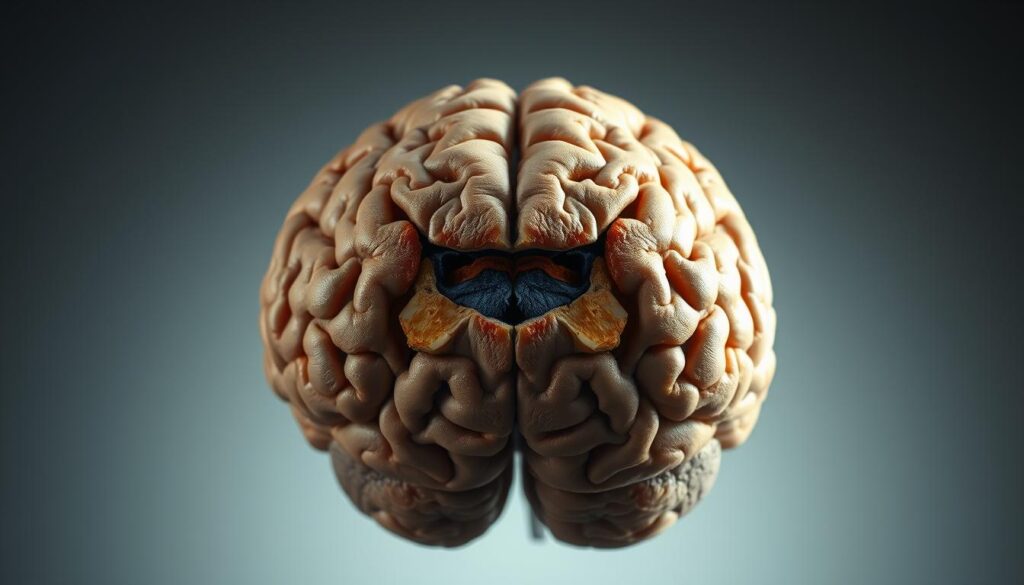
FTD explained: behavior, language, and triggers
Frontotemporal dementia targets the frontal and temporal lobes, changing judgment, mood, and speech.
People may use fewer words, misread social cues, or struggle with instructions. Sensitivity to loud or sudden sounds can increase agitation.
Adapting daily life
Families adjust the home to reduce risk and noise. Pausing playdates and sleepovers prevents overstimulation and helps maintain calm routines.
Predictability—labels, simple layouts, and consistent schedules—lowers stress and reduces behavioral challenges in everyday life.
From aphasia to FTD: the progression
Aphasia often appears first as trouble speaking or understanding. That change led to retirement in 2022 and the formal diagnosis announced in 2023.
Care strategies
Effective care blends professional support with family presence. Structured routines, medication oversight, and low-stimulus activities preserve dignity and meaningful connection.
- Focus on sensory and emotional cues over long explanations.
- Revisit safety measures as needs evolve over the years.
- Engage reputable research and support networks to meet current challenges.
Family, Caregiving, and Awareness: How the Willis Family Is Navigating FTD
Caring for a loved one with frontotemporal dementia often reshapes daily life in quiet, practical ways. Roles shift, routines tighten, and safety becomes central to every decision.

Emma Heming Willis’s caregiving path
Emma Heming describes an initial period of isolation and hypervigilance—checking doors, stoves, and appliances to reduce risk. She paused children’s playdates and sleepovers while the family adapted their home.
Seeking help mattered. She began treatment for depression and hired professional caregivers. These steps eased the emotional load and made room for rest and connection with her husband.
Her upcoming book, Unexpected Journey: Finding Strength, Hope, and Yourself on the Caregiving Path, aims to share lived strategies and validate the caregiver experience.
Rallying around family and raising awareness
Visits from Demi Moore and all daughters keep routines familiar. The family’s “second home” is described as warm and love-filled, where small moments—a laugh or a twinkle—matter more than long conversations.
- Practical care: professional support, simpler routines, and fewer stressors.
- Emotional care: short visits, music, and gentle touch to maintain bonds.
- Advocacy: by speaking openly the family hopes to raise awareness, normalize help-seeking, and push for more research.
Sharing this experience helps other families feel less alone and guides them toward resources. The family’s openness aims to build wider awareness and to encourage investment in better diagnostics and therapies.
Conclusion
Conclusion
Balancing safety, dignity, and small joys is the practical path the willis family follows after a public diagnosis of frontotemporal dementia. The actor remains mobile and lives with round-the-clock caregivers in a calm, one-story home that reduces hazards and stress.
Decisions were guided by what he would want for his daughters and spouse. Brief visits, quiet routines, and simple moments of laughter show how presence matters more than long talks.
Understanding the diagnosis helps people plan, find trusted support, and back research that will help others in the years ahead. Fans who know the actor from Die Hard can help by learning, offering practical help, and respecting privacy as time goes on.