
Left-side headaches can be a perplexing and often distressing experience for many of us. They can disrupt our daily lives, making it challenging to focus on work, enjoy leisure activities, or even engage in simple conversations. Understanding the nature of these headaches is crucial for effective management and relief.
As we delve into the topic, we will explore the various types, causes, symptoms, and treatment options available for left-side headaches. By gaining a comprehensive understanding, we can better equip ourselves to handle these painful episodes. Headaches that manifest on the left side of the head can arise from a multitude of factors.
They may be indicative of underlying health issues or simply a result of stress and tension. Regardless of the cause, the discomfort they bring can be debilitating. By examining the different aspects of left-side headaches, we can foster a greater awareness of our own health and well-being, ultimately leading to improved quality of life.
Key Takeaways
- Left-side headaches can be debilitating and affect daily life
- Types of left-side headaches include migraines, tension headaches, and cluster headaches
- Causes of left-side headaches can include stress, muscle tension, and underlying health conditions
- Symptoms of left-side headaches may include throbbing pain, sensitivity to light and sound, and nausea
- Diagnosis of left-side headaches may involve a physical exam, medical history, and possibly imaging tests
Types of Left-Side Headaches
When we consider left-side headaches, it is essential to recognize that they are not all the same. There are several distinct types, each with its own characteristics and implications.
Tension headaches are among the most common types we may experience.
These headaches often feel like a tight band around our heads and can be triggered by stress, poor posture, or muscle tension in the neck and shoulders. The pain is usually mild to moderate and can be managed with over-the-counter pain relievers. Migraines are another type of headache that can occur on the left side.
These headaches are typically more intense and may be accompanied by additional symptoms such as nausea, sensitivity to light, and visual disturbances. Migraines can be debilitating, often requiring us to retreat to a dark, quiet room until the pain subsides. Cluster headaches, though less common, are another type that can affect the left side of the head.
They are characterized by severe pain that occurs in cyclical patterns or clusters, often accompanied by other symptoms like nasal congestion or tearing.
Causes of Left-Side Headaches
Understanding the causes of left-side headaches is vital for effective management. Various factors can contribute to their onset, ranging from lifestyle choices to underlying medical conditions. One common cause is tension or stress, which can lead to muscle tightness in the neck and shoulders.
This tension can radiate pain to one side of the head, resulting in a left-side headache. Additionally, poor posture while sitting or sleeping can exacerbate this tension, making it essential for us to be mindful of our body mechanics. Another significant cause of left-side headaches is migraines.
While the exact cause of migraines remains unclear, they are believed to be linked to changes in brain chemistry and blood flow. Certain triggers, such as specific foods, hormonal changes, or environmental factors, can provoke a migraine attack on one side of the head. Furthermore, sinus infections or sinusitis can lead to localized pain on the left side due to inflammation and pressure in the sinuses.
Identifying these triggers is crucial for us to manage our headaches effectively.
Symptoms of Left-Side Headaches
| Symptom | Description |
|---|---|
| Throbbing pain | Pulsating sensation on the left side of the head |
| Nausea | Feeling of queasiness or discomfort in the stomach |
| Sensitivity to light | Discomfort or pain when exposed to bright light |
| Sensitivity to sound | Discomfort or pain when exposed to loud noises |
| Dizziness | Feeling lightheaded or unsteady |
The symptoms associated with left-side headaches can vary significantly depending on their type and underlying cause. For instance, tension headaches typically present as a dull, aching pain that may feel like a tight band around our heads. This discomfort is often accompanied by tenderness in the scalp, neck, and shoulder muscles.
We may also experience mild sensitivity to light or sound during these episodes. In contrast, migraines often come with more severe symptoms that can significantly impact our daily lives. The pain is usually throbbing or pulsating and may be accompanied by nausea, vomiting, and heightened sensitivity to light and sound.
Some individuals may also experience aura symptoms before a migraine attack, such as visual disturbances or tingling sensations in the extremities. Recognizing these symptoms allows us to differentiate between headache types and seek appropriate treatment.
Diagnosis of Left-Side Headaches
Diagnosing left-side headaches involves a thorough evaluation by a healthcare professional. When we seek medical attention for our headaches, our doctor will typically begin by taking a detailed medical history and asking about our symptoms. They may inquire about the frequency, duration, and intensity of our headaches, as well as any associated symptoms we may have experienced.
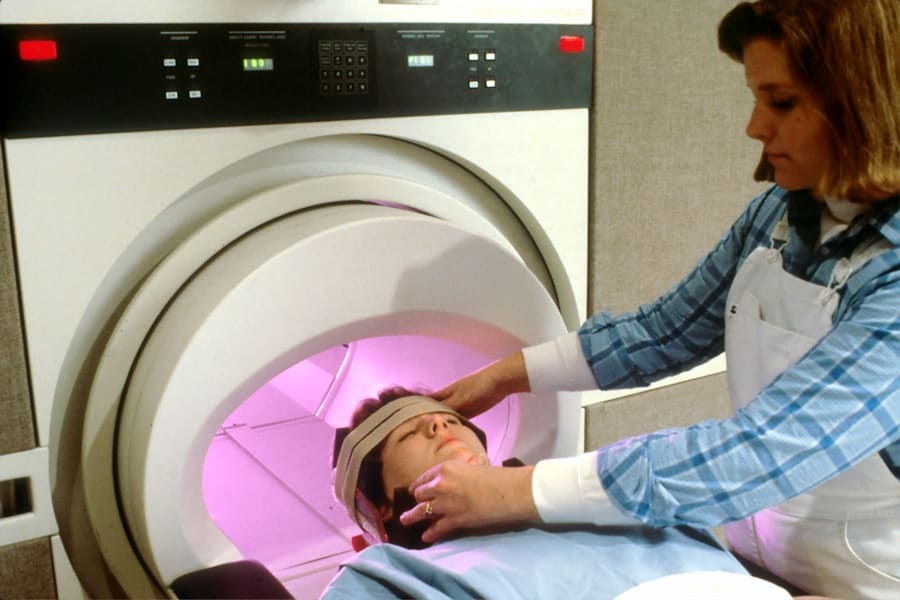
In some cases, additional diagnostic tests may be necessary to rule out underlying conditions. These tests could include imaging studies such as MRI or CT scans to examine the brain and identify any abnormalities. Blood tests may also be conducted to check for signs of infection or other health issues that could contribute to our headaches.
By obtaining an accurate diagnosis, we can better understand the nature of our left-side headaches and develop an effective treatment plan.
Treatment Options for Left-Side Headaches
Tension Headaches: Relief through Medication and Lifestyle Changes
When it comes to tension headaches, over-the-counter pain relievers such as ibuprofen or acetaminophen can provide relief for many individuals. Additionally, lifestyle modifications such as stress management techniques, regular exercise, and proper hydration can help reduce the frequency and intensity of these headaches.
Migraines: Prescription Medications and Preventive Measures
For migraines, treatment may involve prescription medications specifically designed to alleviate migraine symptoms or prevent future attacks. Triptans are a common class of medications used for this purpose. In some cases, preventive medications may be recommended for individuals who experience frequent migraines.
Alternative Therapies for Migraine Management
Alternative therapies such as acupuncture or biofeedback have also shown promise in managing migraine symptoms for some individuals.
Preventing Left-Side Headaches
Preventing left-side headaches requires a proactive approach that focuses on identifying triggers and making lifestyle adjustments. Keeping a headache diary can be an effective way for us to track patterns and identify potential triggers related to our diet, stress levels, sleep habits, and environmental factors. By recognizing these patterns, we can take steps to avoid known triggers and reduce the likelihood of future headaches.
Incorporating relaxation techniques into our daily routines can also be beneficial in preventing tension headaches. Practices such as yoga, meditation, or deep breathing exercises can help alleviate stress and promote relaxation. Additionally, maintaining good posture while sitting at work or using ergonomic furniture can reduce muscle tension in the neck and shoulders, ultimately decreasing the risk of tension-related headaches.
When to Seek Medical Help for Left-Side Headaches
While many left-side headaches can be managed at home with self-care strategies and over-the-counter medications, there are instances when we should seek medical help. If we experience sudden or severe headaches that differ from our usual headache patterns or if we notice accompanying symptoms such as confusion, vision changes, or difficulty speaking, it is crucial to seek immediate medical attention. Additionally, if our headaches become increasingly frequent or debilitating despite treatment efforts, consulting a healthcare professional is essential for further evaluation and management.
Persistent headaches that interfere with our daily lives warrant investigation to rule out any underlying health conditions that may require specialized treatment.
Lifestyle Changes for Managing Left-Side Headaches
Making certain lifestyle changes can significantly impact our ability to manage left-side headaches effectively. Regular physical activity is one key component that can help reduce headache frequency and intensity. Engaging in aerobic exercises such as walking, swimming, or cycling promotes overall well-being and helps alleviate stress.
Moreover, maintaining a balanced diet rich in fruits, vegetables, whole grains, and lean proteins can contribute to better overall health and potentially reduce headache triggers related to food sensitivities or deficiencies. Staying hydrated is equally important; dehydration is a common trigger for headaches that we should actively avoid by drinking enough water throughout the day.
Understanding the Connection Between Left-Side Headaches and Other Health Conditions
Left-side headaches may sometimes be linked to other health conditions that warrant further investigation. For instance, individuals with high blood pressure may experience headaches as a symptom of their condition. Similarly, sinus issues such as sinusitis can lead to localized pain on one side of the head due to inflammation in the sinuses.
Additionally, certain neurological conditions like migraines or cluster headaches may have genetic components that run in families. Understanding these connections allows us to take a more holistic approach to our health by addressing not only our headaches but also any underlying conditions that may contribute to their occurrence.
Coping Strategies for Living with Left-Side Headaches
Living with left-side headaches can be challenging; however, implementing effective coping strategies can help us manage our symptoms more effectively. Developing a strong support system is essential; sharing our experiences with friends or family members who understand what we are going through can provide emotional relief. Practicing mindfulness techniques such as meditation or journaling can also help us cope with the emotional toll that chronic headaches may take on our mental well-being.
Additionally, exploring alternative therapies like acupuncture or massage therapy may offer relief for some individuals by promoting relaxation and reducing muscle tension. In conclusion, understanding left-side headaches involves recognizing their types, causes, symptoms, diagnosis methods, treatment options, prevention strategies, and connections with other health conditions. By adopting proactive measures and seeking appropriate medical care when necessary, we can improve our quality of life while managing these often-painful episodes effectively.
If you are experiencing headaches on the left side of your head, it may be helpful to consult with a trusted medical professional like Dr.
Devell Young in Albany, GA.
Dr. Young can provide expert advice and guidance on how to manage and treat your symptoms. Additionally, if you are also struggling with body dysmorphic disorder (BDD), it is important to address both physical and mental health concerns. To improve your overall well-being, consider treatments like hydrafacial, which can help you achieve the best results when done regularly. For more information on how often you should get hydrafacial treatments, check out this article here.
FAQs
What are the common causes of headaches on the left side of the head?
Common causes of headaches on the left side of the head include tension headaches, migraines, cluster headaches, sinusitis, and neuralgia. Other potential causes may include dehydration, eye strain, and stress.
When should I seek medical attention for headaches on the left side of the head?
You should seek medical attention if you experience severe or sudden onset headaches, headaches accompanied by fever, nausea, vomiting, or changes in vision, or if your headaches are persistent and interfere with your daily activities.
How are headaches on the left side of the head diagnosed?
Headaches on the left side of the head are diagnosed through a combination of medical history, physical examination, and possibly imaging tests such as CT scans or MRIs. Your healthcare provider may also ask you to keep a headache diary to track the frequency and severity of your headaches.
What are the treatment options for headaches on the left side of the head?
Treatment options for headaches on the left side of the head may include over-the-counter pain relievers, prescription medications, lifestyle changes, stress management techniques, and in some cases, nerve blocks or Botox injections. It is important to consult with a healthcare professional to determine the most appropriate treatment for your specific type of headache.
Are there any lifestyle changes that can help prevent headaches on the left side of the head?
Lifestyle changes that may help prevent headaches on the left side of the head include staying hydrated, getting regular exercise, practicing good posture, managing stress, getting enough sleep, and avoiding triggers such as certain foods, alcohol, and strong odors.