
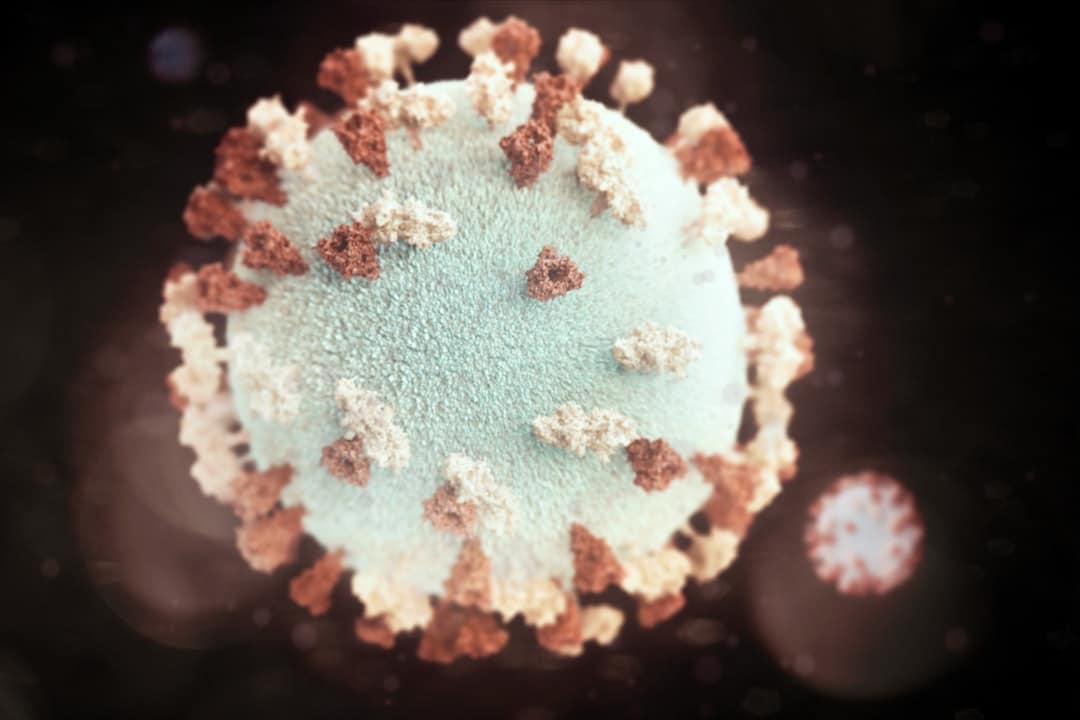
A penile yeast infection, also known as candidiasis, is a fungal infection that occurs when there is an overgrowth of the Candida species, particularly Candida albicans, on the skin of the penis. This condition is not exclusive to men; however, it can lead to discomfort and various symptoms that may affect one’s quality of life. The yeast that causes this infection is typically present in small amounts on the skin and mucous membranes, but certain factors can trigger its proliferation, leading to an infection.
Understanding the nature of a penile yeast infection is crucial for both awareness and treatment. While it is often associated with sexual activity, it can also occur in individuals who are not sexually active. The infection can manifest in various ways, and recognizing its presence early can help in managing symptoms effectively.
We should be aware that this condition is generally not classified as a sexually transmitted infection (STI), although it can be transmitted through sexual contact.
Key Takeaways
- Penile yeast infection is caused by the overgrowth of the Candida fungus on the penis.
- Symptoms include redness, itching, swelling, and white patches on the penis.
- Causes of penile yeast infections include unprotected sex, diabetes, and antibiotic use.
- Risk factors include a weakened immune system, poor hygiene, and certain medications.
- Diagnosis is usually made through physical examination and laboratory tests.
Symptoms of Penile Yeast Infections
Physical Symptoms
The symptoms of a penile yeast infection can vary from mild to severe, and they often include itching, redness, and irritation of the penile skin. We may also notice a thick, white discharge that resembles cottage cheese, which can be a telltale sign of the infection. In some cases, the skin may become cracked or sore, leading to discomfort during sexual activity or even while urinating.
Psychological Effects
In addition to these physical symptoms, we might experience psychological effects due to the discomfort and embarrassment associated with the condition. The itching and irritation can lead to anxiety about sexual performance or intimacy, which can further complicate our emotional well-being.
Importance of Early Recognition
Recognizing these symptoms early on is essential for seeking appropriate treatment and alleviating any distress we may feel.
Causes of Penile Yeast Infections
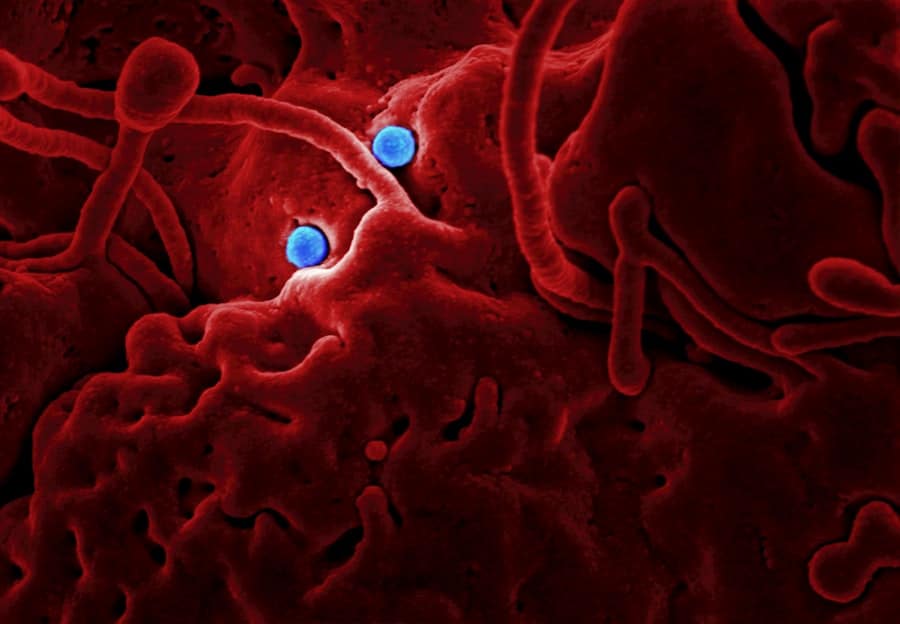
The primary cause of a penile yeast infection is an overgrowth of Candida fungi, which can occur due to various factors. One common cause is an imbalance in the body’s natural flora, which can be disrupted by antibiotics, hormonal changes, or a weakened immune system. When the balance is disturbed, Candida can multiply rapidly, leading to an infection.
Other contributing factors include poor hygiene practices, excessive moisture in the genital area, and certain medical conditions such as diabetes. We should also consider that lifestyle choices, such as wearing tight-fitting clothing or not allowing the area to breathe, can create an environment conducive to yeast growth. Understanding these causes helps us take proactive steps in preventing future infections.
Risk Factors for Penile Yeast Infections
| Risk Factors for Penile Yeast Infections |
|---|
| Tight clothing |
| Poor hygiene |
| Diabetes |
| Antibiotic use |
| Immune system suppression |
Several risk factors can increase our likelihood of developing a penile yeast infection.
One significant factor is diabetes, as high blood sugar levels can create an environment that promotes yeast growth.
Additionally, individuals with compromised immune systems—whether due to conditions like HIV/AIDS or medications such as corticosteroids—are at a higher risk for infections.
Other risk factors include antibiotic use, which can disrupt the natural balance of bacteria and fungi in our bodies. We should also be mindful of our personal hygiene practices; inadequate cleaning or excessive moisture can contribute to the development of infections. By recognizing these risk factors, we can take steps to mitigate our chances of experiencing a penile yeast infection.
Diagnosis of Penile Yeast Infections
Diagnosing a penile yeast infection typically involves a thorough examination by a healthcare professional. During our visit, the doctor will likely ask about our symptoms and medical history before conducting a physical examination. They may also perform tests such as swabbing the affected area to collect samples for laboratory analysis.
This helps confirm the presence of Candida and rule out other potential causes of our symptoms. In some cases, additional tests may be necessary if the diagnosis is unclear or if we have recurrent infections. These tests could include blood tests to check for underlying conditions like diabetes or immune deficiencies.
Accurate diagnosis is crucial for effective treatment and management of the condition.
Treatment Options for Penile Yeast Infections

Mild Cases: Over-the-Counter Solutions
When it comes to treating a penile yeast infection, several options are available depending on the severity of symptoms and the underlying causes. Over-the-counter antifungal creams or ointments are often effective for mild cases and can provide relief from itching and irritation. These topical treatments typically contain active ingredients like clotrimazole or miconazole.
Severe Infections: Prescription Medications
For more severe infections or recurrent cases, a healthcare provider may prescribe oral antifungal medications such as fluconazole. It’s essential to follow the prescribed treatment regimen closely to ensure complete resolution of the infection.
Preventing Future Occurrences
Additionally, making lifestyle changes that promote better hygiene and reduce moisture in the genital area can help prevent future occurrences.
Prevention of Penile Yeast Infections
Preventing penile yeast infections involves adopting healthy habits that promote overall genital health. One key strategy is maintaining proper hygiene by washing the genital area regularly with mild soap and water and ensuring it is thoroughly dried afterward. We should also avoid using heavily scented soaps or lotions that could irritate the sensitive skin in this area.
Wearing loose-fitting clothing made from breathable fabrics can help reduce moisture buildup, creating an environment less conducive to yeast growth. Additionally, we should be cautious with antibiotic use; if prescribed antibiotics for another condition, we might discuss with our healthcare provider about taking probiotics to help restore our natural flora.
Complications of Penile Yeast Infections
While penile yeast infections are generally not serious and can be effectively treated, complications can arise if left untreated or if they recur frequently. One potential complication is the development of chronic inflammation or irritation in the affected area, which can lead to discomfort during sexual activity or urination. In rare cases, untreated infections may spread beyond the genital area, leading to more severe systemic infections that require immediate medical attention.
Furthermore, recurrent infections may indicate an underlying health issue that needs to be addressed. By seeking timely treatment and addressing any contributing factors, we can minimize the risk of complications associated with penile yeast infections.
Difference Between Penile Yeast Infections and Other Conditions
It’s important for us to differentiate between penile yeast infections and other conditions that may present similar symptoms. For instance, sexually transmitted infections (STIs) such as herpes or gonorrhea can cause itching and discharge but often come with additional symptoms like sores or painful urination. Additionally, conditions like balanitis—an inflammation of the glans penis—can mimic the symptoms of a yeast infection but may have different underlying causes such as bacterial infections or allergic reactions.
Understanding these differences is crucial for seeking appropriate treatment and avoiding unnecessary anxiety about our health.
When to See a Doctor for Penile Yeast Infections
We should consider seeing a doctor if we experience persistent symptoms of a penile yeast infection that do not improve with over-the-counter treatments or if we have recurrent infections despite following preventive measures. It’s also advisable to seek medical attention if we notice any unusual changes in discharge or if we experience severe pain during urination or sexual activity. Additionally, if we have underlying health conditions such as diabetes or a compromised immune system, it’s essential to consult with a healthcare professional at the first sign of symptoms.
Early intervention can help prevent complications and ensure effective management of our condition.
Living with Penile Yeast Infections
Living with a penile yeast infection can be challenging both physically and emotionally.
The discomfort associated with symptoms can affect our daily activities and intimate relationships.
However, understanding that this condition is common and manageable can help alleviate some of the stress we may feel.
By adopting healthy lifestyle practices and maintaining open communication with our healthcare provider, we can effectively manage our symptoms and reduce the likelihood of recurrence. It’s also important for us to educate ourselves about this condition so that we can make informed decisions regarding our health and well-being moving forward. With proper care and attention, we can navigate life with confidence while minimizing the impact of penile yeast infections on our lives.
If you are interested in learning more about rare genetic disorders, you may want to check out this article on how Angelman syndrome is diagnosed. This condition affects the nervous system and can cause developmental delays and intellectual disabilities. Understanding the diagnostic process for Angelman syndrome can help individuals and families navigate the challenges associated with this disorder.
FAQs
What is a penile yeast infection?
A penile yeast infection, also known as candidal balanitis, is a fungal infection that affects the skin of the penis. It is caused by an overgrowth of the Candida fungus, which is naturally present on the skin.
What are the symptoms of a penile yeast infection?
Symptoms of a penile yeast infection may include redness, itching, swelling, and a rash on the head of the penis. Some men may also experience a thick, white discharge from the affected area.
What are the risk factors for developing a penile yeast infection?
Risk factors for developing a penile yeast infection include having a weakened immune system, taking antibiotics, being uncircumcised, and having diabetes. Poor hygiene and sexual intercourse with a partner who has a vaginal yeast infection can also increase the risk.
How is a penile yeast infection diagnosed?
A healthcare provider can diagnose a penile yeast infection by examining the affected area and taking a swab of the skin to test for the presence of the Candida fungus.
How is a penile yeast infection treated?
Treatment for a penile yeast infection typically involves antifungal medications, such as creams or oral tablets. It is important to follow the healthcare provider’s instructions for the full course of treatment to ensure the infection is fully cleared.