
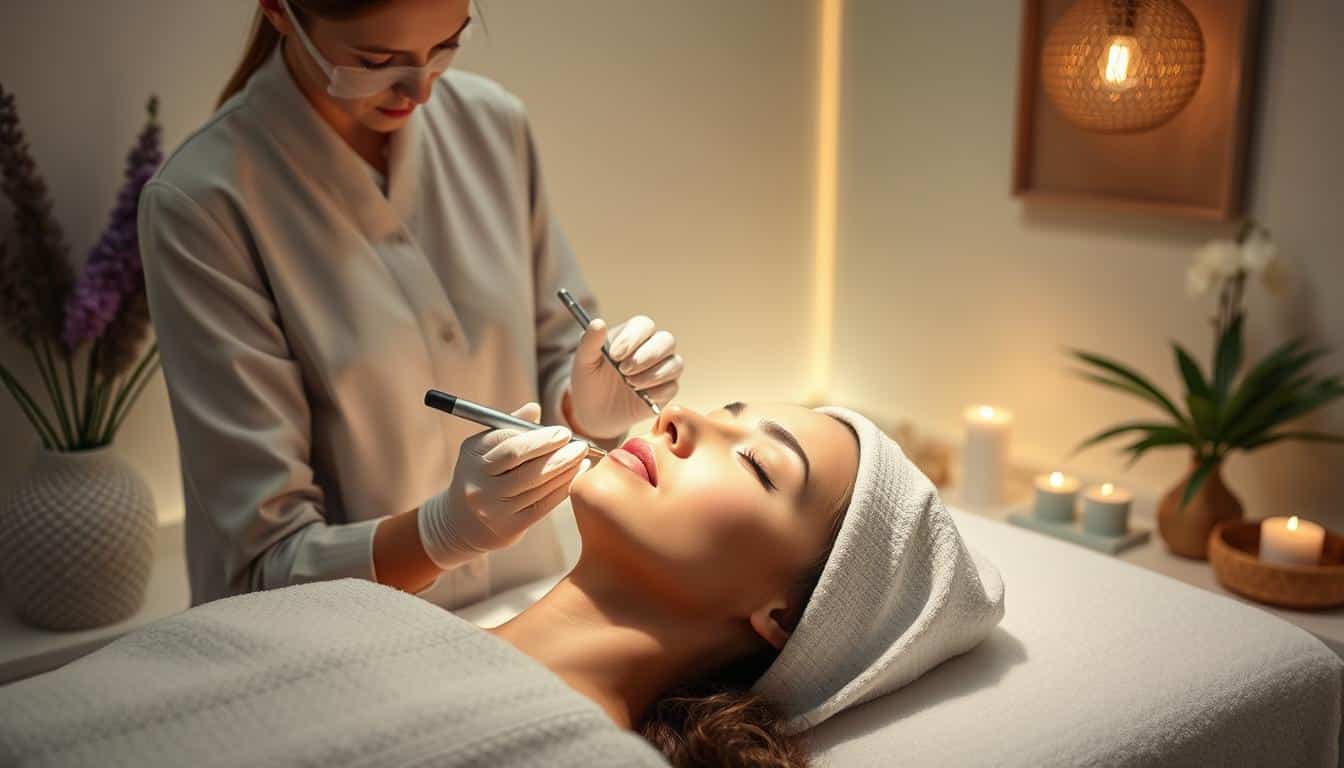
Are you tired of dull, uneven skin tone and texture? Microdermabrasion is a minimally invasive procedure that can help renew your skin’s overall appearance. This treatment gently sands away the thick outer layer of skin using a special applicator with an abrasive surface, revealing fresher, younger-looking skin beneath.
By removing dead skin cells, microdermabrasion can improve the appearance of skin affected by sun exposure, wrinkles, acne, and other conditions. It’s a popular skin rejuvenation treatment that requires little to no downtime.
Key Takeaways
- Microdermabrasion is a minimally invasive procedure that renews overall skin tone and texture.
- The treatment removes the outermost layer of dead skin cells, revealing fresher skin.
- It can address common skin concerns, including fine lines, uneven skin tone, and sun damage.
- The procedure typically takes around 30 minutes with little to no downtime.
- Common side effects include mild tenderness, swelling, and redness.
Understanding Facial and Microdermabrasion Treatments
Facial and microdermabrasion treatments offer a non-invasive solution for achieving healthier, more radiant skin. These treatments work by gently exfoliating the top layer of your skin, removing dead skin cells and stimulating the production of new ones.
The Science Behind Skin Exfoliation
The process of exfoliation involves breaking the bonds between skin cells, allowing dead cells to be removed more effectively. This is achieved through controlled exfoliation that removes the stratum corneum, the outermost layer of dead skin.
How These Treatments Rejuvenate Your Skin
During microdermabrasion, the mechanical action creates controlled micro-injuries that stimulate the skin‘s natural healing response. This triggers increased cell turnover and collagen production, essential for maintaining skin elasticity and youthful appearance. As a result, microdermabrasion treatments effectively address visible signs of aging by accelerating the skin‘s natural regeneration process.
Different Types of Professional Skin Treatments
Professional skin treatments come in various forms, each tailored to address specific skin concerns. The diversity in treatments allows individuals to choose the most suitable procedure for their skin type and needs.
Traditional Facial Treatments
Traditional facial treatments typically involve a combination of cleansing, exfoliation, extraction, massage, and mask application. These treatments are customized to address specific skin concerns, such as acne, aging, or hyperpigmentation.
Crystal Microdermabrasion
Crystal microdermabrasion uses a crystal-emitting handpiece to gently spray fine crystals onto the skin, rubbing away outer layers. This method is effective for treating deeper acne scars and pronounced skin texture issues due to its adjustable intensity.
Diamond-Tip Microdermabrasion
Diamond-tip microdermabrasion employs a wand with a diamond-encrusted tip to physically abrade the skin surface while suctioning away debris. This approach offers more precise control, making it ideal for sensitive areas and skin types.
Hydradermabrasion
Hydradermabrasion combines exfoliation with deep hydration, infusing the skin with serums during the treatment. It’s an excellent option for individuals with dry or dehydrated skin who need both exfoliation and moisture replenishment.
Each of these microdermabrasion and facial treatments offers unique benefits, and the best choice depends on individual skin treatment needs and desired outcomes.
Key Benefits of Facial and Microdermabrasion
The advantages of facial and microdermabrasion treatments extend far beyond simple relaxation, providing tangible improvements in skin health. These treatments are designed to address various skin concerns, from texture and tone to fine lines and acne.
Improving Skin Texture and Tone
Facial and microdermabrasion treatments significantly improve skin texture by removing the rough, uneven outer layer of skin, resulting in a smoother surface. They also effectively address uneven skin tone by reducing hyperpigmentation and sun damage.
Reducing Fine Lines and Wrinkles
The mechanical exfoliation process stimulates collagen production, which helps diminish the appearance of fine lines and shallow wrinkles over time with consistent treatments. This leads to a more youthful appearance.
Addressing Acne and Acne Scars
For those struggling with acne, these treatments help unclog pores and remove excess oil and debris that contribute to breakouts, while also reducing the appearance of existing acne scars.
Minimizing Pores and Hyperpigmentation
The vacuum action used during microdermabrasion helps to minimize enlarged pores by thoroughly cleaning them and stimulating the surrounding tissue. This results in a more even skin appearance.
Overall, facial and microdermabrasion treatments offer numerous benefits, including improved skin texture and tone, reduced appearance of fine lines and wrinkles, and minimized pores. By incorporating these treatments into your skincare routine, you can achieve healthier, more radiant skin.
The Microdermabrasion Procedure: Step-by-Step
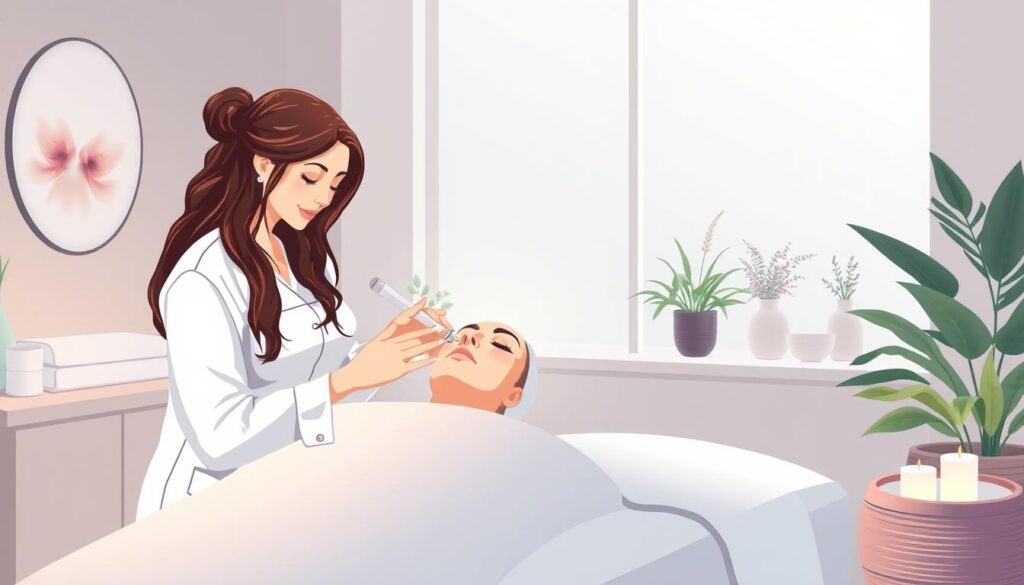
If you’re considering microdermabrasion, knowing what to expect during the procedure can alleviate any anxiety. The microdermabrasion journey begins with a thorough consultation.
Initial Consultation
During this initial meeting, your provider will assess your skin condition, discuss your concerns, and determine if you’re a suitable candidate for the microdermabrasion procedure. Your provider will explain the process and create a customized treatment plan based on your specific skin needs.
During the Treatment
On the day of treatment, the procedure starts with thorough cleansing of your face to remove makeup, oil, and surface impurities. The actual treatment involves the systematic application of the microdermabrasion device across your face in sections, adjusting the intensity based on the sensitivity and condition of different facial areas. Most sessions last approximately 30 minutes.
Immediate Post-Procedure Care
Immediately following the procedure, your provider will apply soothing products such as aloe vera or calming serums to minimize any redness or irritation. The session concludes with the application of a broad-spectrum sunscreen, as your newly revealed skin will be particularly vulnerable to UV damage. You’ll receive specific instructions for immediate post-procedure care, including avoiding makeup application for at least 24 hours and staying out of direct sunlight.
How to Prepare for Your Skin Treatment
Preparing for your microdermabrasion treatment is crucial for achieving the best results. Proper preparation helps ensure your skin is in the best condition for the treatment.
One Week Before Treatment
Start by limiting sun exposure and always wear broad-spectrum sunscreen when outdoors. Discontinue use of retinoid products, chemical exfoliants, and any prescription topicals unless approved by your provider. Avoid other facial treatments like chemical peels, laser treatments, or waxing.
48 Hours Before Treatment
Be vigilant about avoiding sun exposure and tanning beds, as sunburned or tanned skin cannot be safely treated. Increase your water intake to ensure your skin is well-hydrated, which helps it respond better to the microdermabrasion procedure.
Day of Treatment Guidelines
Arrive with a clean face free of makeup, moisturizers, and sunscreen. Consider taking an anti-inflammatory medication if you’re prone to sensitivity, but consult your healthcare provider first. Wear comfortable clothing that won’t irritate your skin after treatment. For more information on preparing for similar treatments, you can visit this page.
Post-Treatment Care for Optimal Results
To achieve optimal results from your microdermabrasion treatment, careful aftercare is necessary. Proper post-treatment care ensures that your skin remains healthy and the benefits of the treatment are maximized.
First 24-48 Hours After Treatment
The initial 24-48 hours after microdermabrasion are critical for healing. During this time, your skin may appear slightly red and feel sensitive. To minimize irritation, avoid touching your face unnecessarily and use gentle, fragrance-free cleansers and moisturizers recommended by your skincare professional. Keep your skin hydrated by increasing your water intake and applying a hyaluronic acid serum followed by a gentle moisturizer.
Long-Term Skin Care Routine
For long-term care, gradually reintroduce your regular skincare products after 3-7 days, starting with gentle formulations. Establish a consistent skincare routine that includes gentle cleansing, hydration, and daily sun protection to maintain and enhance your microdermabrasion results.
Sun Protection Essentials
Sun protection becomes even more critical after microdermabrasion. Apply a broad-spectrum SPF30+ sunscreen diligently, even on cloudy days, to protect your newly revealed skin from UV damage. This will help maintain the health and appearance of your skin.
Potential Side Effects and How to Manage Them
While microdermabrasion is generally considered safe, it’s essential to be aware of potential side effects. Most people experience mild, temporary reactions that resolve within a few hours to a day after treatment.
Common Temporary Reactions
Common side effects include redness, slight swelling, and skin sensitivity, similar to a mild sunburn or windburn. Some individuals may experience temporary dryness or flaking as the skin regenerates. Minor bruising can occur due to the suction process during treatment.
When to Contact Your Provider
If you experience severe pain, bleeding, blistering, rash, or infection symptoms, contact your provider immediately. People with certain conditions like rosacea or active acne should discuss their suitability for microdermabrasion with their provider.
| Side Effect | Description | Action |
|---|---|---|
| Redness, Swelling | Mild, temporary reactions | Apply moisturizer, avoid harsh products |
| Dryness, Flaking | Temporary, resolves as skin regenerates | Use gentle moisturizer, avoid exfoliants |
| Severe Pain, Bleeding | Serious side effects | Contact provider immediately |
Results and Treatment Frequency
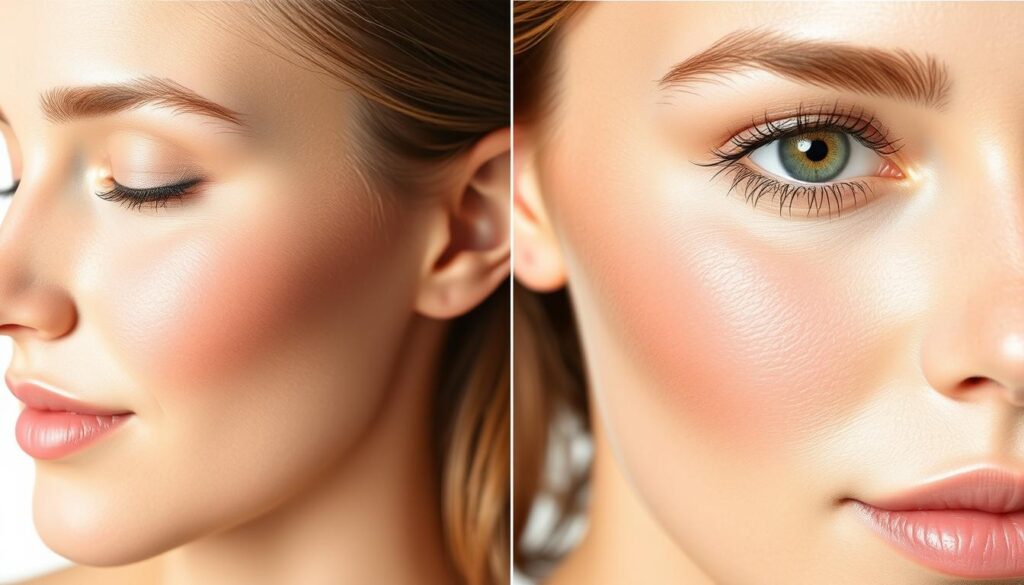
Microdermabrasion’s success is largely dependent on the number of treatments and the individual’s skin type and concerns. The treatment frequency and expected results can vary significantly from person to person.
What to Expect After One Treatment
After just one microdermabrasion treatment, most people notice an immediate improvement in skin brightness, smoothness, and overall appearance. Though results vary based on individual skin condition, the initial benefits are often encouraging.
Recommended Treatment Schedule
For optimal results, most skin care professionals recommend a series of 6-10 microdermabrasion treatments spaced 1-2 weeks apart. This schedule allows the skin to heal while maintaining momentum in the rejuvenation process. The specific treatment schedule will be customized based on your skin type and concerns.
Maintaining Your Results Long-Term
Once you’ve completed your initial treatment series, maintenance sessions every 4-6 weeks help sustain the improvements and address new skin concerns as they arise. A comprehensive approach including proper home skincare, sun protection, and periodic professional treatments is key to long-term results.
Conclusion: Achieving Your Skin Rejuvenation Goals
Microdermabrasion is a viable option for improving skin texture and appearance. It gently exfoliates the skin, revealing a smoother complexion. People with various skin concerns can benefit from this treatment.
To get the most out of microdermabrasion, work with a qualified professional and maintain a consistent skincare routine. Factors like diet, hydration, and sun protection also contribute to achieving your skin rejuvenation goals. By combining treatments with proper care, you can enjoy healthier skin.