
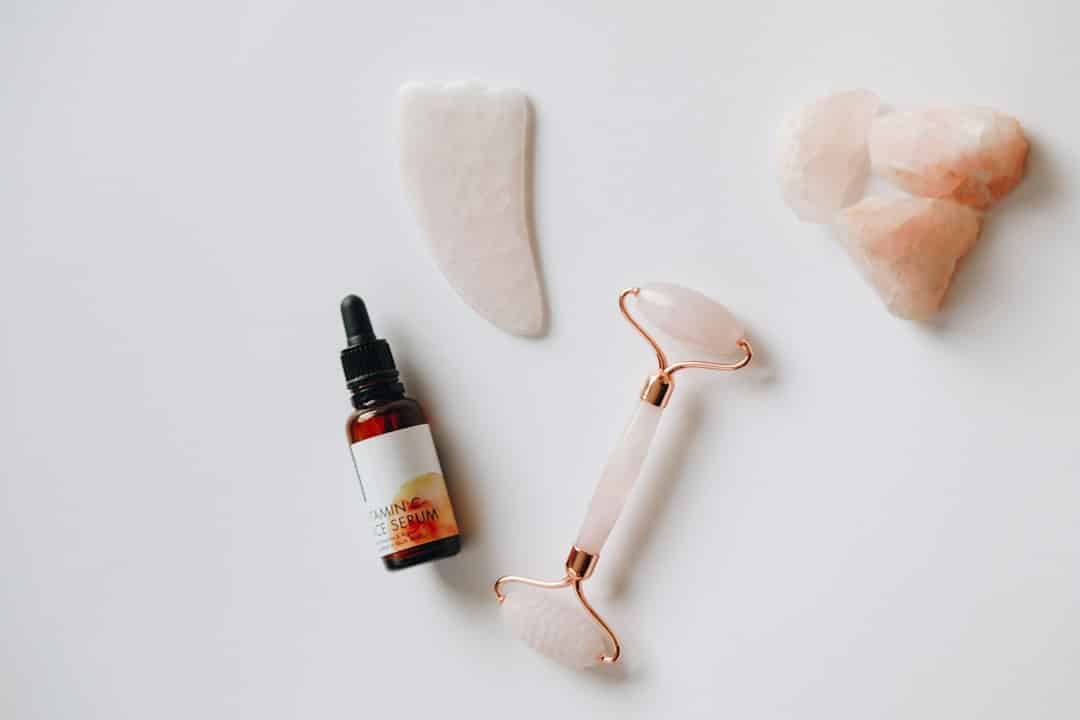
To embark on our skincare journey, we must first take the time to understand our skin type. Each of us has unique skin characteristics that can significantly influence the products we choose and the routines we establish. Generally, skin types can be categorized into four main groups: oily, dry, combination, and sensitive.
By identifying our skin type, we can tailor our skincare regimen to meet its specific needs, ensuring that we achieve the best possible results. For instance, if we have oily skin, we may notice a shiny appearance and enlarged pores, which can lead to breakouts. On the other hand, those of us with dry skin might experience flakiness and tightness.
Combination skin can be a bit trickier, as it often exhibits characteristics of both oily and dry skin in different areas of the face. Sensitive skin may react adversely to certain products, leading to redness or irritation. By recognizing these traits, we can make informed decisions about the products we incorporate into our routines, ultimately leading to healthier and more radiant skin.
Key Takeaways
- Understanding your skin type is crucial for choosing the right products and creating an effective skincare routine.
- Cleansing is the first and most important step in any skincare routine to remove dirt, oil, and makeup from the skin.
- Exfoliating should be done 1-3 times a week to remove dead skin cells and promote cell turnover, but it’s important to avoid over-exfoliating.
- Toning can help to balance the skin’s pH levels and remove any remaining impurities, making it a beneficial step in a skincare routine.
- When applying serums and treatments, it’s important to do so in order of thinnest to thickest consistency to ensure proper absorption.
Cleansing: The First Step
Cleansing is the cornerstone of any effective skincare routine. It serves as the first step in removing dirt, oil, and impurities that accumulate on our skin throughout the day. We should aim to cleanse our faces twice daily—once in the morning and once before bed—to maintain a fresh canvas for the rest of our skincare products.
Choosing the right cleanser is crucial; we must consider our skin type and select a formula that caters to its specific needs. For those of us with oily skin, a foaming or gel-based cleanser may work wonders in controlling excess oil production. Conversely, individuals with dry skin might benefit from cream-based cleansers that provide hydration while effectively removing impurities.
Regardless of our skin type, we should always be gentle during the cleansing process. Over-cleansing or using harsh products can strip our skin of its natural oils, leading to irritation and imbalance. By establishing a consistent cleansing routine, we set the stage for healthier skin and enhance the effectiveness of subsequent products.
Exfoliating: How Often and When

Exfoliation is an essential component of our skincare routine that helps to slough away dead skin cells and promote cell turnover. However, it’s important for us to strike a balance when it comes to frequency. Depending on our skin type and sensitivity, we may choose to exfoliate anywhere from once a week to three times a week.
Over-exfoliating can lead to irritation and compromise our skin barrier, so we must listen to our skin’s needs. There are two primary types of exfoliants: physical and chemical. Physical exfoliants involve scrubs or tools that manually remove dead skin cells, while chemical exfoliants use acids or enzymes to dissolve them.
For those of us with sensitive skin, gentle chemical exfoliants like lactic acid may be more suitable than abrasive scrubs. We should also consider the timing of our exfoliation; many experts recommend doing it in the evening to allow our skin to recover overnight. By incorporating exfoliation into our routine thoughtfully, we can achieve a smoother complexion and enhance the absorption of other skincare products.
Toning: Is it Necessary?
Toning has long been a debated step in skincare routines, leaving many of us wondering if it’s truly necessary. Traditionally, toners were used to remove any residual impurities left after cleansing and to restore the skin’s pH balance. However, modern formulations have evolved significantly, and many toners now offer additional benefits such as hydration and soothing properties.
For those of us with oily or acne-prone skin, a toner containing ingredients like witch hazel or salicylic acid can help control excess oil and minimize the appearance of pores. On the other hand, individuals with dry or sensitive skin may prefer hydrating toners infused with ingredients like rose water or aloe vera. Ultimately, whether or not we choose to include a toner in our routine depends on our personal preferences and skin needs.
If we find that a toner enhances our overall routine and provides additional benefits, then it can certainly be a valuable addition.
Applying Serums and Treatments
Serums and treatments are where we can truly target specific skin concerns in our routine. These concentrated formulations are designed to penetrate deeper into the skin and deliver active ingredients that address issues such as fine lines, hyperpigmentation, or acne. When applying serums, we should remember that less is often more; just a few drops are usually sufficient for our entire face.
We must also consider the order in which we apply our serums. Generally, we should start with the thinnest consistency and work our way up to thicker formulations. For example, if we’re using a hydrating serum followed by an anti-aging treatment, we should apply the hydrating serum first.
Additionally, it’s essential for us to give each product time to absorb before moving on to the next step in our routine. By incorporating targeted serums into our regimen, we can effectively address our unique skin concerns and achieve a more balanced complexion.
Eye Cream: Before or After Moisturizer?

The question of whether to apply eye cream before or after moisturizer is one that many of us grapple with. Eye creams are specifically formulated for the delicate skin around our eyes, which is thinner and more prone to signs of aging than the rest of our face. As a general rule of thumb, it’s often recommended that we apply eye cream before moisturizer to ensure that it penetrates effectively.
When applying eye cream, we should use our ring finger—this finger applies the least amount of pressure—to gently tap the product around the orbital bone.
This technique helps prevent tugging on the delicate skin while ensuring even distribution. After allowing the eye cream to absorb for a moment, we can then follow up with our regular moisturizer.
By incorporating eye cream into our routine thoughtfully, we can help combat puffiness, dark circles, and fine lines around our eyes.
Sunscreen: A Must in Your Routine
Sunscreen is arguably one of the most crucial steps in any skincare routine, yet it is often overlooked by many of us. Protecting our skin from harmful UV rays is essential for preventing premature aging and reducing the risk of skin cancer. We should aim to apply sunscreen every day, regardless of whether it’s sunny or cloudy outside; UV rays can penetrate through clouds and cause damage.
When selecting a sunscreen, we should look for broad-spectrum protection with an SPF of at least 30. Additionally, we must ensure that it suits our skin type—those with oily skin may prefer lightweight gel formulas, while individuals with dry skin might benefit from cream-based sunscreens that provide added hydration. It’s important for us to apply sunscreen generously and reapply every two hours when spending extended periods outdoors.
By making sunscreen a non-negotiable part of our daily routine, we can safeguard our skin’s health for years to come.
Moisturizing: Day and Night
Moisturizing is an essential step in maintaining healthy skin, as it helps to lock in hydration and create a protective barrier against environmental stressors. We should incorporate moisturizers into both our daytime and nighttime routines to ensure that our skin remains nourished around the clock. During the day, lightweight moisturizers with hydrating ingredients like hyaluronic acid can provide a perfect base for makeup while keeping our skin plump.
At night, however, we may want to opt for richer formulations that allow for deeper hydration as our skin repairs itself during sleep. Ingredients like ceramides or peptides can be particularly beneficial during this time. Regardless of whether it’s day or night, we should always apply moisturizer on slightly damp skin to maximize absorption and effectiveness.
By prioritizing moisturizing in both routines, we can maintain optimal hydration levels and support overall skin health.
Spot Treatments: When to Use Them
Spot treatments are powerful allies in our skincare arsenal when it comes to addressing specific blemishes or problem areas on our skin. These concentrated formulas are designed to target individual spots rather than being applied all over the face. We should reserve spot treatments for when breakouts occur or when we notice specific areas needing extra attention.
When using spot treatments containing active ingredients like benzoyl peroxide or salicylic acid, timing is key; applying them directly onto clean skin after cleansing but before moisturizing allows them to penetrate effectively without interference from other products. However, we must exercise caution not to overuse these treatments as they can lead to dryness or irritation if applied too frequently. By incorporating spot treatments judiciously into our routine, we can effectively manage breakouts without compromising overall skin health.
The Importance of Retinol and When to Use It
Retinol is often hailed as a game-changer in skincare due to its ability to promote cell turnover and stimulate collagen production. For those of us looking to address signs of aging or improve overall texture and tone, incorporating retinol into our routine can yield impressive results over time. However, it’s essential for us to introduce retinol gradually into our regimen to allow our skin to acclimate.
We should start by using retinol once or twice a week at night before gradually increasing frequency as tolerated. It’s also crucial for us to pair retinol with adequate hydration and sunscreen during the day since it can increase sensitivity to sunlight. By being mindful about how we incorporate retinol into our routine, we can harness its benefits while minimizing potential side effects.
The Nighttime Routine: What to Include
Our nighttime skincare routine is an opportunity for rejuvenation and repair after a long day. As we wind down for bed, we should focus on nourishing our skin with products that support its natural healing processes overnight. Starting with cleansing is essential; removing makeup and impurities allows for better absorption of subsequent products.
After cleansing, we can incorporate serums tailored to address specific concerns—whether it’s hydration or anti-aging—followed by eye cream and moisturizer for added nourishment. For those of us using retinol or other active treatments, nighttime is an ideal time since these ingredients work best when our bodies are at rest. By establishing a consistent nighttime routine filled with targeted treatments and hydration, we set ourselves up for glowing skin come morning.
In conclusion, by understanding each step in our skincare routine—from identifying our skin type to incorporating effective treatments—we can create a personalized regimen that promotes healthy and radiant skin over time. Each element plays a vital role in achieving optimal results; therefore, consistency and mindfulness are key as we navigate this journey together.
If you’re looking to improve your skin care routine, you may also be interested in learning about comprehensive urological care from Dr. Wren, as discussed in <a href='https://lifemedicallab.com/health/dr-wren-urologist-comprehensive-urological-care/’>this article. Understanding common skin conditions like warts and verruca can also be beneficial, so check out this article for more information. And for honest reviews and opinions on ISDIN skin care products, take a look at this article. By incorporating these resources into your skincare routine, you can achieve healthier and more radiant skin.
FAQs
What is the correct order for a skin care routine?
The correct order for a skin care routine is typically: 1. Cleanser, 2. Toner, 3. Serum, 4. Eye cream, 5. Moisturizer, and 6. Sunscreen. However, the specific order may vary based on individual skin care needs and product instructions.
Why is the order of a skin care routine important?
The order of a skin care routine is important because it allows the products to be absorbed and work effectively. For example, applying a moisturizer before a serum may prevent the serum from penetrating the skin properly.
Can the order of a skin care routine vary based on individual needs?
Yes, the order of a skin care routine can vary based on individual needs. For example, someone with oily skin may choose to use a toner before a serum, while someone with dry skin may opt for a serum before a toner.
Should sunscreen be the last step in a skin care routine?
Yes, sunscreen should be the last step in a skin care routine during the day. This is to ensure that it provides the best protection against UV rays.
Is it necessary to use all the steps in a skin care routine?
It is not necessary to use all the steps in a skin care routine, as it depends on individual skin care needs. However, it is generally recommended to at least cleanse, moisturize, and use sunscreen for basic skin care.