

When we find ourselves outdoors, especially during the warmer months, the risk of encountering wasps increases significantly. Recognizing a wasp sting is crucial for effective treatment. Typically, the initial sensation is a sharp, sudden pain that can be quite intense.
This pain often radiates from the sting site, and we may notice immediate redness and swelling. The area around the sting might feel warm to the touch, and we could also observe a small puncture mark where the stinger has entered the skin. Understanding these symptoms helps us differentiate between a wasp sting and other insect bites, which may have different characteristics.
In addition to the immediate physical symptoms, we should also be aware of other signs that may accompany a wasp sting. Some individuals may experience itching or a burning sensation in the affected area. While most reactions are localized and mild, it’s essential to monitor for any unusual symptoms that could indicate a more severe reaction.
If we notice excessive swelling, hives, or difficulty breathing, it’s vital to take these signs seriously. By being vigilant and informed about the symptoms of a wasp sting, we can respond appropriately and seek help if necessary.
Key Takeaways
- A wasp sting can be identified by a sharp pain, redness, swelling, and a small puncture wound at the site of the sting.
- To remove the stinger, gently scrape it out with a credit card or fingernail, avoiding squeezing it to prevent more venom from entering the skin.
- Clean the area with soap and water to prevent infection, and apply an antiseptic cream or ointment.
- Manage pain and swelling by taking over-the-counter pain relievers such as ibuprofen or acetaminophen.
- Apply a cold compress to the sting site to reduce pain and swelling.
Removing the Stinger
Once we have identified a wasp sting, our next step is to remove the stinger if it is still embedded in the skin. Unlike bees, wasps do not leave their stingers behind; however, if we are stung by a bee, it’s crucial to act quickly. We should avoid pinching the stinger with our fingers, as this can release more venom into the wound.
Instead, using a flat object like a credit card or our fingernail can help us scrape the stinger out gently. This method minimizes further irritation and reduces the amount of venom that enters our system. After removing the stinger, we should take a moment to assess the area for any additional debris or venom that may have been left behind.
It’s important to be thorough in this process to ensure that we are not leaving anything that could exacerbate our reaction. Once we have successfully removed the stinger, we can move on to cleaning the area to prevent infection and promote healing.
Cleaning the Area
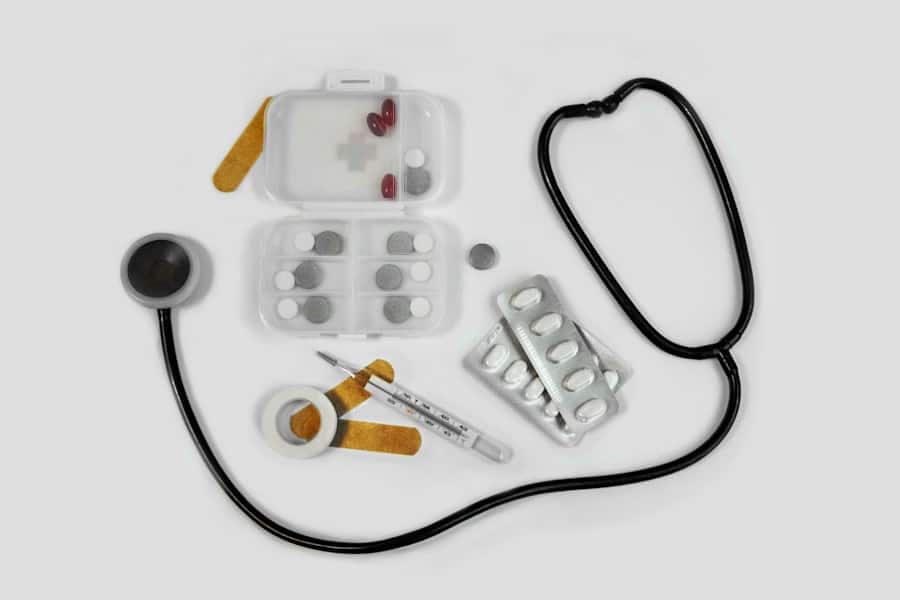
Cleaning the sting site is an essential step in our response to a wasp sting. We should start by washing our hands thoroughly with soap and water to avoid introducing any bacteria into the wound. Next, we can gently cleanse the affected area with mild soap and water.
This helps remove any dirt or debris that may have come into contact with the sting site. It’s important to be gentle during this process to avoid causing further irritation or discomfort. After washing the area, we should pat it dry with a clean towel or let it air dry.
Applying an antiseptic solution can also be beneficial in preventing infection. We must ensure that we use a product that is suitable for our skin type and does not cause additional irritation. By taking these steps to clean the area properly, we can significantly reduce the risk of complications and promote faster healing.
Managing Pain and Swelling
Managing pain and swelling after a wasp sting is crucial for our comfort and recovery. The initial pain can be quite sharp, but it usually subsides within a few hours. To alleviate discomfort, we can consider taking over-the-counter pain relievers such as ibuprofen or acetaminophen.
These medications can help reduce inflammation and provide relief from pain. It’s essential to follow the recommended dosage instructions on the packaging to ensure our safety. In addition to medication, we can also employ some home remedies to manage swelling.
Elevating the affected area can help reduce blood flow and minimize swelling. If the sting occurs on an arm or leg, propping it up on a pillow while resting can be particularly effective. We should also avoid scratching or irritating the area, as this can lead to increased inflammation and prolong our discomfort.
Applying a Cold Compress
Applying a cold compress is one of the most effective ways to manage swelling and pain after a wasp sting. The cold temperature constricts blood vessels, which helps reduce inflammation and numbs the area, providing immediate relief from pain. We can create a cold compress by wrapping ice cubes in a cloth or using a bag of frozen vegetables.
It’s important not to apply ice directly to the skin, as this can cause frostbite. We should apply the cold compress to the sting site for about 10-15 minutes at a time, allowing our skin to return to normal temperature between applications. This method not only helps alleviate pain but also promotes healing by reducing swelling.
If we find that our symptoms persist despite using a cold compress, it may be time to explore additional treatment options.
Using Over-the-Counter Medications
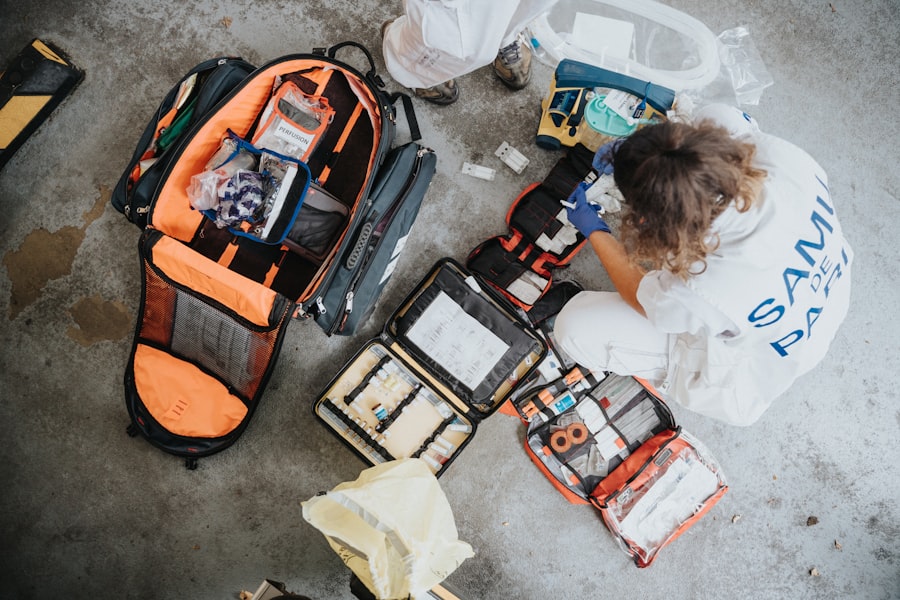
Over-the-counter medications can play a significant role in managing symptoms associated with wasp stings. Antihistamines are particularly useful for alleviating itching and swelling caused by allergic reactions to insect stings.
Medications such as diphenhydramine (Benadryl) can provide relief from these symptoms and help us feel more comfortable as we recover.
In addition to antihistamines, topical creams containing hydrocortisone can be applied directly to the sting site to reduce inflammation and itching. These creams are readily available at most pharmacies and can be an effective way to manage localized reactions without resorting to prescription medications. By utilizing these over-the-counter options, we can take control of our symptoms and promote a quicker recovery.
Natural Remedies for Wasp Stings
For those of us who prefer natural remedies, several options may help alleviate discomfort from wasp stings. One popular remedy is applying a paste made from baking soda and water directly to the sting site. The alkaline properties of baking soda can help neutralize the acidity of the venom, providing relief from pain and itching.
We should allow this paste to sit for about 15-20 minutes before rinsing it off with cool water. Another natural remedy involves using essential oils such as tea tree oil or lavender oil, both known for their anti-inflammatory properties. Diluting these oils with a carrier oil and applying them gently to the affected area can help soothe irritation and promote healing.
While natural remedies may not work for everyone, they offer an alternative approach for those seeking relief without relying solely on pharmaceuticals.
Seeking Medical Attention
While most wasp stings result in mild reactions that can be managed at home, there are instances when seeking medical attention becomes necessary. If we experience severe pain that does not subside with over-the-counter medications or if we notice significant swelling that spreads beyond the sting site, it’s essential to consult a healthcare professional. Additionally, if we develop symptoms such as difficulty breathing, chest tightness, or dizziness, these could indicate an allergic reaction requiring immediate medical intervention.
It’s also wise to seek medical advice if we have a history of severe allergic reactions to insect stings or if we are unsure about how to manage our symptoms effectively. A healthcare provider can offer guidance tailored to our specific situation and may recommend further treatment options if needed.
Preventing Future Wasp Stings
Prevention is key when it comes to avoiding future wasp stings. Being aware of our surroundings while outdoors is crucial; we should avoid areas where wasps are known to nest or congregate, such as near garbage cans or flowering plants during peak activity times in late summer and early fall. Wearing light-colored clothing can also help deter wasps since they are attracted to darker colors.
Additionally, keeping food covered during outdoor activities can minimize attracting wasps to our vicinity. If we’re enjoying a picnic or barbecue, using sealed containers for food and drinks will help reduce the likelihood of unwanted encounters with these insects. By taking proactive measures, we can significantly decrease our chances of being stung in the future.
Allergic Reactions to Wasp Stings
Understanding allergic reactions to wasp stings is vital for our safety and well-being. While most people experience mild reactions characterized by localized pain and swelling, some individuals may develop more severe responses known as anaphylaxis. This life-threatening condition requires immediate medical attention and is marked by symptoms such as difficulty breathing, rapid heartbeat, swelling of the face or throat, and dizziness.
If we know that we are allergic to wasp stings or have experienced severe reactions in the past, carrying an epinephrine auto-injector (EpiPen) is essential for emergencies. This device allows us to administer life-saving medication quickly in case of an allergic reaction while waiting for professional medical help.
When to Call for Emergency Help
Knowing when to call for emergency help after a wasp sting is crucial for ensuring our safety and health. If we experience any signs of anaphylaxis—such as difficulty breathing, swelling of the throat or tongue, rapid heartbeat, or loss of consciousness—we must call emergency services immediately. Time is of the essence in these situations, as prompt treatment can be life-saving.
Even if our reaction seems mild initially but worsens over time, it’s wise not to hesitate in seeking medical assistance if we feel uncertain about our symptoms or if they escalate unexpectedly. By being proactive and aware of our bodies’ responses after a wasp sting, we can take appropriate action when necessary and ensure our well-being in any situation involving these insects.
If you are interested in learning more about the link between asthma and back pain, check out this informative article here. It provides valuable insights into how these two conditions may be related and offers tips for managing them effectively.
FAQs
What are the symptoms of a wasp sting?
Some common symptoms of a wasp sting include pain, redness, swelling, and itching at the site of the sting. In some cases, more severe reactions such as difficulty breathing, hives, or dizziness may occur.
How should I treat a wasp sting?
To treat a wasp sting, you can start by washing the affected area with soap and water. Applying a cold compress or ice pack can help reduce swelling and pain. Over-the-counter antihistamines and pain relievers can also help alleviate symptoms.
When should I seek medical attention for a wasp sting?
You should seek medical attention for a wasp sting if you experience symptoms of a severe allergic reaction, such as difficulty breathing, swelling of the face or throat, or a rapid heartbeat. Additionally, if the sting site becomes infected or if you have a history of severe allergic reactions to insect stings, it is important to seek medical help.
How can I prevent getting stung by a wasp?
To prevent getting stung by a wasp, you can take measures such as avoiding wearing bright colors or floral patterns, as these can attract wasps. Additionally, be cautious when eating or drinking outdoors, as sweet foods and beverages can also attract wasps. It is also important to keep food and drinks covered when outdoors and to avoid swatting at wasps, as this can provoke them to sting.