

Leukocytes, commonly known as white blood cells, play a crucial role in our immune system. They are essential components of our body’s defense mechanism, helping to protect us against infections and diseases. These cells are produced in the bone marrow and can be found in various parts of the body, including the bloodstream, lymphatic system, and tissues.
There are several types of leukocytes, each with specific functions, such as neutrophils, lymphocytes, monocytes, eosinophils, and basophils. Together, they work harmoniously to identify and eliminate pathogens, foreign substances, and even cancerous cells. In the context of urine analysis, the presence of leukocytes can provide valuable insights into our health.
When we undergo a urinalysis, the detection of leukocytes can indicate an ongoing immune response within the urinary tract. This response may be triggered by infections or other underlying health issues. Therefore, understanding what leukocytes are and their role in our body is fundamental to interpreting their presence in urine and recognizing potential health concerns.
Key Takeaways
- Leukocytes are white blood cells that help the body fight off infections and foreign invaders.
- Leukocytes in urine are measured through a simple urine test called urinalysis, which can detect the presence of these cells.
- Elevated levels of leukocytes in urine may indicate a urinary tract infection or other inflammatory conditions in the urinary system.
- Common causes of elevated leukocytes in urine include urinary tract infections, kidney infections, and kidney stones.
- Symptoms of leukocytes in urine may include frequent urination, pain or burning during urination, and cloudy or foul-smelling urine.
How are Leukocytes Measured in Urine?
The measurement of leukocytes in urine is typically conducted through a urinalysis, a common diagnostic test that evaluates various components of urine. During this test, a sample of urine is collected and analyzed for several parameters, including the presence of leukocytes. The most common method for detecting leukocytes is through a dipstick test, which involves dipping a chemically treated strip into the urine sample.
If leukocytes are present, the strip will change color, indicating their concentration. In addition to dipstick tests, microscopic examination of urine can also be performed to quantify leukocytes more accurately. In this method, a small volume of urine is placed on a microscope slide and examined under high magnification.
This allows healthcare professionals to count the number of leukocytes present in a specific volume of urine, providing a more precise measurement. Both methods are valuable for assessing urinary health and can help identify potential infections or other medical conditions.
What Do Elevated Levels of Leukocytes in Urine Indicate?
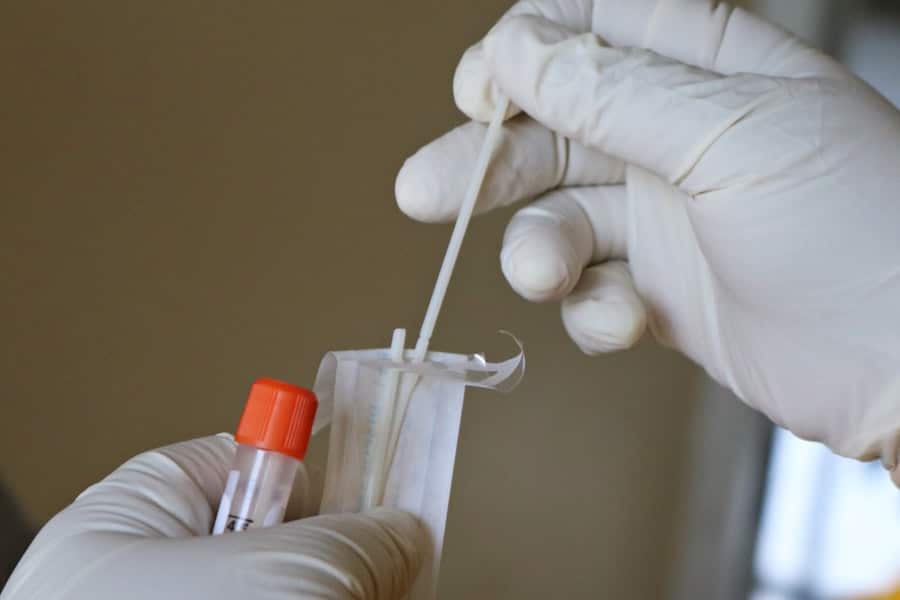
When we find elevated levels of leukocytes in urine, it often signals an underlying issue that requires further investigation. The presence of these white blood cells typically indicates that our body is responding to an infection or inflammation within the urinary tract. This could manifest as a urinary tract infection (UTI), pyelonephritis (a kidney infection), or even interstitial cystitis.
Elevated leukocyte levels can also suggest other conditions such as kidney stones or tumors. It is important to note that while elevated leukocyte levels often point to an infection, they can also be influenced by non-infectious factors.
For instance, strenuous exercise or dehydration may lead to temporary increases in leukocyte counts.
Therefore, healthcare providers usually consider additional symptoms and test results before making a definitive diagnosis based solely on leukocyte levels in urine.
Common Causes of Elevated Leukocytes in Urine
Several factors can contribute to elevated leukocyte levels in urine, with urinary tract infections being among the most common culprits. UTIs occur when bacteria enter the urinary system, leading to inflammation and an immune response that results in increased leukocyte production. Women are particularly susceptible to UTIs due to their shorter urethras, which allow bacteria easier access to the bladder.
Other causes of elevated leukocytes in urine include kidney infections, which can occur when bacteria travel from the bladder to the kidneys. Additionally, conditions such as interstitial cystitis or bladder inflammation can also lead to increased leukocyte counts. In some cases, kidney stones may irritate the urinary tract lining, prompting an immune response that elevates leukocyte levels.
Understanding these common causes helps us recognize when we might need to seek medical attention for further evaluation.
Symptoms of Leukocytes in Urine
The presence of elevated leukocytes in urine often correlates with specific symptoms that can help us identify potential health issues. One of the most common symptoms associated with elevated leukocyte levels is a burning sensation during urination, which may indicate a urinary tract infection. We might also experience frequent urges to urinate or feel an incomplete emptying of the bladder after urination.
In addition to these symptoms, we may notice changes in urine appearance or odor. Cloudy urine or urine with a strong odor can be indicative of an infection or inflammation within the urinary tract. Other symptoms may include lower abdominal pain or discomfort and fever if an infection is present.
Recognizing these symptoms is essential for seeking timely medical intervention and addressing any underlying health concerns.
How is a Urine Test for Leukocytes Performed?

Performing a urine test for leukocytes is a straightforward process that typically involves collecting a midstream urine sample. To ensure accurate results, we should follow specific guidelines when collecting the sample. First, we need to clean the genital area thoroughly to minimize contamination from external bacteria.
Then, we begin urinating into the toilet before collecting a portion of the urine stream into a sterile container. Once we have collected the sample, it should be taken to a laboratory for analysis as soon as possible. In the lab, technicians will conduct either a dipstick test or a microscopic examination to assess leukocyte levels and other components of the urine.
The results are usually available within a short period, allowing healthcare providers to interpret them alongside other clinical findings and determine if further testing or treatment is necessary.
Treatment for Elevated Leukocytes in Urine
The treatment for elevated leukocytes in urine largely depends on the underlying cause identified through diagnostic testing. If a urinary tract infection is diagnosed, healthcare providers typically prescribe antibiotics to eliminate the bacteria responsible for the infection. It is crucial for us to complete the entire course of antibiotics as prescribed to ensure that the infection is fully resolved and to prevent recurrence.
In cases where elevated leukocyte levels are due to non-infectious causes such as kidney stones or interstitial cystitis, treatment may involve different approaches. For kidney stones, management may include pain relief medications and increased fluid intake to help pass the stones naturally. In contrast, interstitial cystitis may require lifestyle modifications and medications aimed at reducing inflammation and discomfort.
By addressing the root cause of elevated leukocyte levels, we can effectively manage our symptoms and restore urinary health.
Complications of Elevated Leukocytes in Urine
If left untreated, elevated leukocytes in urine can lead to various complications that may affect our overall health. One significant concern is the progression of urinary tract infections into more severe conditions such as pyelonephritis, which is an infection of the kidneys. This condition can result in serious complications if not addressed promptly, including kidney damage or sepsis.
Additionally, chronic inflammation within the urinary tract can lead to long-term issues such as scarring or changes in bladder function. For individuals with recurrent urinary tract infections or underlying conditions like interstitial cystitis, managing elevated leukocyte levels becomes essential to prevent complications that could impact quality of life. By recognizing and treating elevated leukocyte levels early on, we can mitigate these risks and maintain better urinary health.
Preventing Elevated Leukocytes in Urine
Preventing elevated leukocytes in urine often involves adopting healthy lifestyle practices that support urinary health. One effective strategy is staying well-hydrated by drinking plenty of water throughout the day. Adequate hydration helps dilute urine and flushes out bacteria from the urinary tract, reducing the risk of infections.
Additionally, practicing good hygiene is crucial for preventing urinary tract infections. We should wipe from front to back after using the restroom and urinate after sexual intercourse to help minimize bacterial entry into the urethra. For women, wearing breathable cotton underwear and avoiding irritants such as douches or scented products can also contribute to maintaining urinary health.
By incorporating these preventive measures into our daily routines, we can significantly reduce our risk of experiencing elevated leukocyte levels in urine.
When to See a Doctor for Leukocytes in Urine
Recognizing when to seek medical attention for elevated leukocytes in urine is vital for ensuring timely diagnosis and treatment. If we experience symptoms such as persistent pain during urination, frequent urges to urinate accompanied by discomfort, or changes in urine appearance or odor, it is essential to consult a healthcare provider promptly. These symptoms may indicate an underlying infection or other health issues that require evaluation.
Moreover, if we have recurrent episodes of elevated leukocyte levels or experience worsening symptoms despite treatment efforts, it is crucial to seek further medical advice. A healthcare provider can conduct additional tests to identify any underlying conditions contributing to elevated leukocyte counts and develop an appropriate treatment plan tailored to our needs.
Understanding the Importance of Monitoring Leukocytes in Urine
Monitoring leukocytes in urine serves as an essential aspect of maintaining our overall health and well-being. Regular urinalysis can provide valuable insights into our urinary health and help detect potential issues before they escalate into more severe conditions. By understanding the significance of leukocyte levels in urine, we empower ourselves to take proactive steps toward managing our health.
Furthermore, monitoring leukocyte levels allows healthcare providers to assess treatment effectiveness for existing conditions and make necessary adjustments if needed. This ongoing evaluation fosters better communication between patients and providers and encourages us to take an active role in our health management journey. Ultimately, being aware of our urinary health through regular monitoring can lead to improved outcomes and enhanced quality of life.
If you are interested in learning more about maintaining overall health, you may want to check out this article on Z Natural Foods Review: Expert Analysis and Ratings. Understanding the importance of proper nutrition and incorporating natural foods into your diet can have a significant impact on your well-being. In addition to monitoring your diet, it is also essential to stay on top of your health by booking regular tests and screenings. Visit Life Medical Lab to schedule your next appointment.
FAQs
What are leukocytes in urine?
Leukocytes, also known as white blood cells, are a type of blood cell that helps the body fight off infections. When leukocytes are found in urine, it may indicate an infection or inflammation in the urinary tract.
What causes leukocytes to be present in urine?
Leukocytes in urine can be caused by a variety of factors, including urinary tract infections, kidney infections, bladder infections, and inflammation in the urinary tract.
What are the symptoms of leukocytes in urine?
Symptoms of leukocytes in urine may include frequent urination, pain or burning during urination, cloudy or foul-smelling urine, and abdominal or back pain. However, some people with leukocytes in their urine may not experience any symptoms.
How is the presence of leukocytes in urine diagnosed?
The presence of leukocytes in urine is typically diagnosed through a urinalysis, which is a laboratory test that examines the physical, chemical, and microscopic properties of urine.
How is leukocytes in urine treated?
The treatment for leukocytes in urine depends on the underlying cause. If an infection is present, antibiotics may be prescribed. It is important to consult a healthcare professional for proper diagnosis and treatment.