
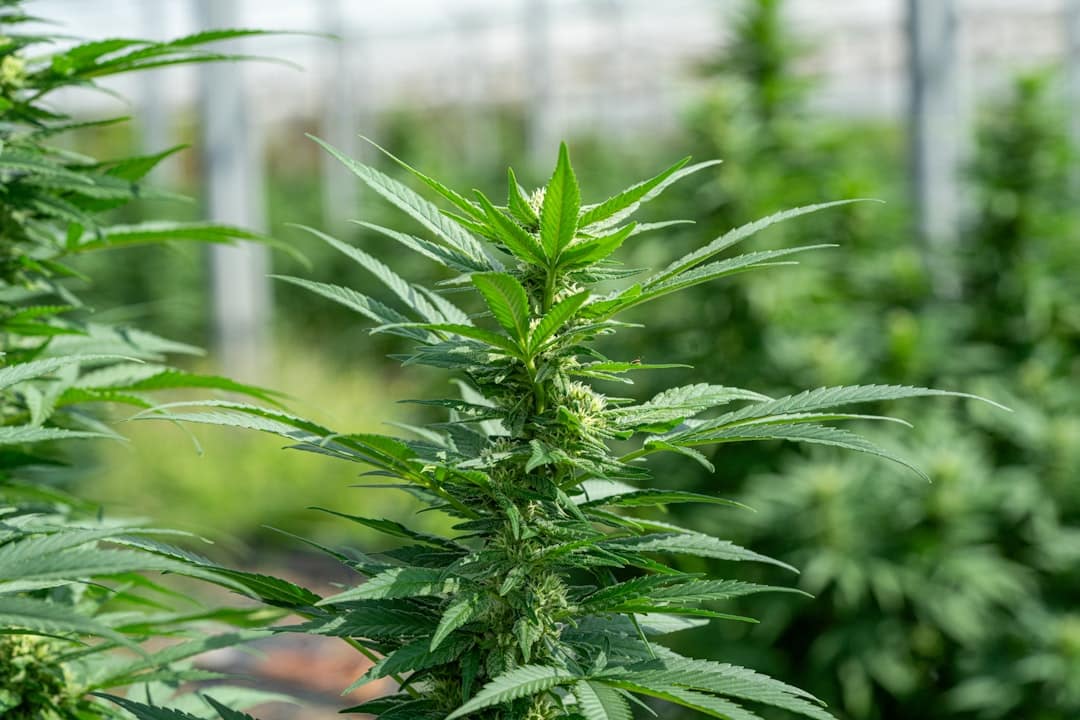
As we delve into the world of cannabis, it becomes essential for us to grasp the fundamental differences between the three primary categories of strains: Sativa, Indica, and Hybrid. Each of these strains possesses unique characteristics that can significantly influence our experience and the effects we may encounter. Sativa strains are often associated with uplifting and energizing effects, making them a popular choice for daytime use.
In contrast, Indica strains are typically linked to relaxation and sedation, often preferred for evening use or for those seeking relief from stress and anxiety. Hybrid strains, as the name suggests, are a blend of both Sativa and Indica, offering a balance of effects that can cater to a wide range of preferences and needs. Understanding these basic distinctions is crucial for us as consumers, whether we are recreational users or medical patients.
The choice of strain can affect not only our mood and energy levels but also our overall experience with cannabis. By familiarizing ourselves with these categories, we can make more informed decisions that align with our desired outcomes. This foundational knowledge sets the stage for a deeper exploration into the specific characteristics and effects of each strain type.
Key Takeaways
- Sativa, Indica, and Hybrid strains have different characteristics and effects based on their genetics and cannabinoid profiles.
- Sativa strains are known for their energizing and uplifting effects, making them ideal for daytime use.
- Indica strains are recognized for their relaxing and sedating effects, making them suitable for evening or nighttime use.
- Hybrid strains offer a combination of both Sativa and Indica effects, providing a balanced experience for users.
- When choosing a strain, it’s important to consider personal preferences, medical needs, and the importance of terpenes and cannabinoid profiles in determining the effects of the strain.
The Characteristics of Sativa Strains and Their Effects
Sativa strains are often celebrated for their invigorating properties. When we consume Sativa, we may find ourselves feeling more alert, creative, and sociable. These strains are typically high in THC and lower in CBD, which contributes to their stimulating effects.
Many users report that Sativa strains enhance their focus and motivation, making them ideal for activities such as social gatherings, creative projects, or outdoor adventures. The cerebral high associated with Sativa can lead to an uplifted mood, making it a popular choice for those looking to combat fatigue or depression. Moreover, Sativa strains often have a distinct aroma and flavor profile that can be quite appealing.
With notes ranging from fruity to earthy, these strains can provide a sensory experience that complements their energizing effects. As we explore various Sativa options, we may discover that different strains can produce varying levels of euphoria and stimulation. This diversity allows us to tailor our cannabis experience to our specific needs and preferences, whether we seek a gentle boost or a more intense cerebral high.
The Characteristics of Indica Strains and Their Effects
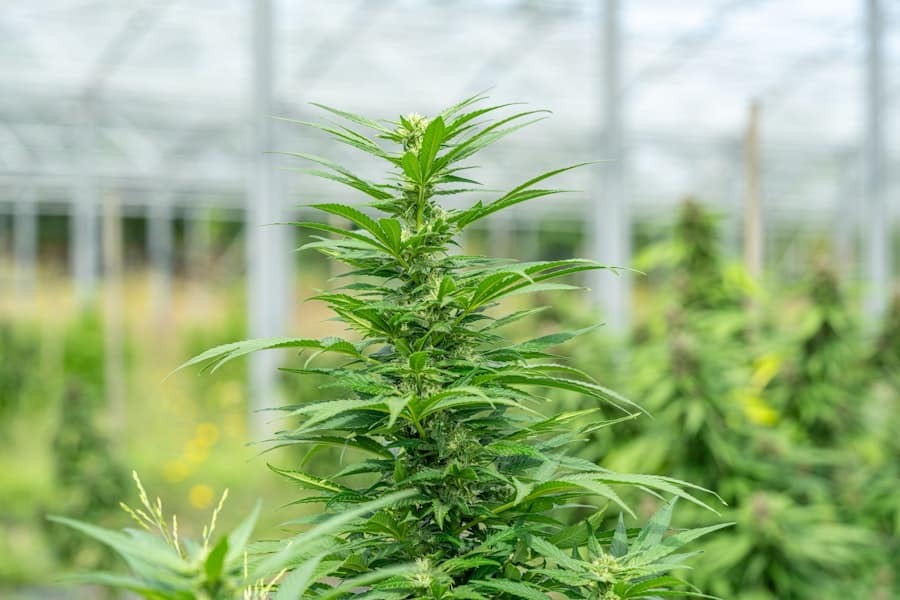
In contrast to Sativa strains, Indica strains are renowned for their calming and sedative effects. When we choose an Indica strain, we often seek relief from stress, anxiety, or physical discomfort. These strains typically have higher levels of CBD compared to their Sativa counterparts, which contributes to their relaxing properties.
Users frequently report feelings of tranquility and physical relaxation after consuming Indica, making it an excellent choice for winding down after a long day or preparing for a restful night’s sleep. Indica strains also tend to have a rich and robust flavor profile, often featuring earthy or sweet notes. This sensory experience can enhance our enjoyment of the strain while providing the desired therapeutic effects.
As we explore different Indica options, we may find that some strains are particularly effective for alleviating pain or promoting sleep, while others may simply provide a sense of calm without heavy sedation. Understanding these nuances allows us to select the right Indica strain based on our individual needs and desired outcomes.
Exploring the Benefits of Hybrid Strains
Hybrid strains offer a unique opportunity for us to experience the best of both worlds—combining the uplifting effects of Sativa with the calming properties of Indica. These strains are carefully bred to create specific effects that cater to a wide range of preferences and needs.
For those who may find pure Sativa too stimulating or pure Indica too sedating, hybrids can provide a balanced experience that allows us to enjoy the benefits of both types.
The versatility of hybrid strains makes them particularly appealing for various occasions. Whether we are looking for a gentle boost in creativity while still feeling relaxed or seeking relief from pain without feeling overly sedated, hybrids can be tailored to meet our specific requirements. Additionally, as we explore different hybrid options, we may discover that certain hybrids are more effective for particular conditions or experiences than others.
This adaptability makes hybrids an excellent choice for both recreational users and medical patients alike.
Understanding the Origins and Genetics of Sativa, Indica, and Hybrid Strains
To fully appreciate the differences between Sativa, Indica, and Hybrid strains, it is essential for us to understand their origins and genetics. Cannabis has been cultivated for thousands of years, with its various strains evolving in response to environmental factors and human cultivation practices. Sativa strains are believed to have originated in equatorial regions such as Southeast Asia and Central America, where they thrived in warm climates with long growing seasons.
These plants tend to grow tall and slender with narrow leaves, adapting well to their environments. On the other hand, Indica strains are thought to have originated in harsher climates such as the Hindu Kush mountain range in Afghanistan and Pakistan. These plants are typically shorter and bushier with broader leaves, allowing them to conserve water and withstand colder temperatures.
The hybridization of these two distinct types has led to an explosion of new strains that combine various characteristics from both parent types. By understanding the genetic background of these strains, we can gain insight into their potential effects and how they might align with our personal preferences.
How to Choose the Right Strain for Your Needs
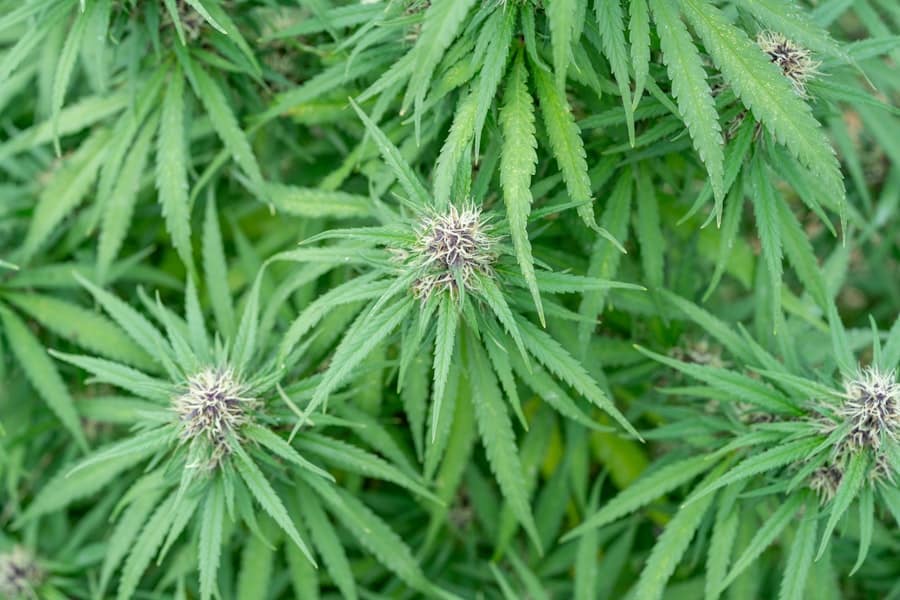
Identifying Our Goals
First and foremost, it is essential for us to identify what effects we are seeking from cannabis—whether it’s relaxation, pain relief, increased focus, or social stimulation.
Selecting the Right Strain
Once we have a clear understanding of our goals, we can begin exploring different strain types that align with those objectives. Additionally, it is helpful for us to consider factors such as THC and CBD content when selecting a strain.
Factors to Consider
For instance, if we are new to cannabis or sensitive to THC’s psychoactive effects, we might opt for a strain with lower THC levels or higher CBD content. Conversely, if we are experienced users seeking a potent effect, we may gravitate toward higher THC strains. By taking these factors into account alongside our desired effects, we can make more informed choices that enhance our overall cannabis experience.
The Importance of Terpenes in Determining Strain Effects
While cannabinoids like THC and CBD play significant roles in determining the effects of cannabis strains, terpenes also deserve our attention as they contribute to the overall experience. Terpenes are aromatic compounds found in many plants, including cannabis, and they not only influence flavor and aroma but also interact with cannabinoids to create what is known as the entourage effect. This synergy between cannabinoids and terpenes can enhance or modify the effects we experience when consuming cannabis.
As we explore different strains, we may notice distinct terpene profiles that contribute to their unique characteristics. For example, myrcene is known for its sedative properties and is commonly found in Indica strains, while limonene is associated with uplifting effects and is often present in Sativa strains. By understanding how terpenes work in conjunction with cannabinoids, we can further refine our strain selection based on our desired outcomes—whether we seek relaxation or stimulation.
Exploring the Differences in Cannabinoid Profiles Between Sativa, Indica, and Hybrid Strains
The cannabinoid profiles of Sativa, Indica, and Hybrid strains can vary significantly, influencing not only their effects but also their therapeutic potential. Generally speaking, Sativa strains tend to have higher THC levels relative to CBD content, which contributes to their stimulating effects. In contrast, Indica strains often feature higher CBD levels alongside moderate THC content, making them more suitable for relaxation and pain relief.
Hybrid strains can exhibit a wide range of cannabinoid profiles depending on their parentage. Some hybrids may lean more toward Sativa characteristics with elevated THC levels while others may favor Indica traits with higher CBD content. This variability allows us to choose hybrids that align closely with our specific needs—whether we require pain management during the day or relaxation at night.
By understanding these differences in cannabinoid profiles, we can make more informed decisions about which strain will best suit our individual circumstances.
Considerations for Medical Marijuana Patients When Choosing a Strain
For medical marijuana patients like ourselves, selecting the right strain is crucial for effectively managing symptoms and improving quality of life. It is essential for us to consult with healthcare professionals who understand our medical history and specific conditions before making any decisions about strain selection. They can provide valuable insights into which cannabinoids and terpenes may be most beneficial for our particular ailments.
Additionally, keeping track of our experiences with different strains can help us identify what works best for us over time. By noting how each strain affects our symptoms—whether positively or negatively—we can refine our choices based on personal experience rather than relying solely on generalizations about Sativa or Indica classifications. This personalized approach empowers us as patients to take control of our treatment plans while maximizing the therapeutic potential of cannabis.
The Role of Personal Preferences in Selecting a Strain
Ultimately, personal preferences play a significant role in selecting the right cannabis strain for ourselves.
Each individual’s body chemistry is unique; what works wonders for one person may not have the same effect on another.
Therefore, it is essential for us to experiment with different strains while paying attention to how they make us feel both physically and mentally.
Our preferences may also extend beyond just effects; factors such as flavor profiles and aromas can greatly influence our enjoyment of cannabis as well. Some individuals may prefer fruity or citrusy flavors while others might gravitate toward earthy or spicy notes. By considering both our desired effects and personal tastes when choosing a strain, we can enhance our overall cannabis experience—making it not only effective but also enjoyable.
Tips for Finding High-Quality Sativa, Indica, and Hybrid Strains
Finding high-quality cannabis strains requires diligence on our part as consumers. One effective strategy is to seek out reputable dispensaries known for their commitment to quality products. These establishments often provide lab testing results that detail cannabinoid profiles and terpene content—information that can guide us in making informed choices about which strains will best suit our needs.
Additionally, engaging with knowledgeable staff at dispensaries can be incredibly beneficial; they can offer recommendations based on our preferences while sharing insights about new or popular strains available at their location. Online resources such as strain databases or community forums can also provide valuable information about user experiences with specific strains—allowing us to gather insights from fellow cannabis enthusiasts before making a purchase decision. In conclusion, understanding the intricacies of Sativa, Indica, and Hybrid strains empowers us as consumers to make informed choices that align with our individual needs and preferences.
By exploring their characteristics, effects, origins, cannabinoid profiles, terpenes, and personal experiences—alongside considerations for medical use—we can navigate the diverse world of cannabis more effectively while enhancing our overall enjoyment and therapeutic benefits.
If you’re interested in learning more about the effects of different strains of weed, you may also want to check out this article on fugue state. This article explores a rare psychological disorder that can cause individuals to experience a temporary loss of identity and memory. Understanding the potential effects of different strains of weed, as well as other factors that can impact mental health, is important for making informed decisions about your well-being.
FAQs
What are the main differences between Sativa, Indica, and Hybrid strains of weed?
Sativa strains are known for their energizing and uplifting effects, while Indica strains are associated with relaxation and sedation. Hybrid strains are a mix of both Sativa and Indica, offering a combination of effects.
How do Sativa, Indica, and Hybrid strains differ in terms of appearance?
Sativa plants are tall and thin with narrow leaves, while Indica plants are shorter and bushier with broader leaves. Hybrid plants can exhibit a combination of these physical characteristics.
What are the typical effects of Sativa, Indica, and Hybrid strains?
Sativa strains are often used for daytime use due to their stimulating effects, while Indica strains are commonly used in the evening or at night for their relaxing properties. Hybrid strains can offer a balance of both effects.
Do Sativa, Indica, and Hybrid strains have different medicinal uses?
Sativa strains are often used to treat conditions such as depression, fatigue, and mood disorders, while Indica strains are commonly used for pain relief, insomnia, and anxiety. Hybrid strains can be used for a variety of medicinal purposes depending on their specific characteristics.
How do Sativa, Indica, and Hybrid strains differ in terms of cultivation?
Sativa plants typically have a longer flowering time and are better suited for outdoor growing due to their height, while Indica plants have a shorter flowering time and are often grown indoors. Hybrid plants can vary in their cultivation needs depending on their genetic makeup.