

When we think about the funny bone, we often conjure up images of laughter and humor. However, the term actually refers to a specific area in our elbow where the ulnar nerve runs close to the surface of the skin. This nerve is responsible for sensations in our ring and little fingers, as well as controlling some of the muscles in our hand.
The ulnar nerve travels through a bony groove called the ulnar groove, which is located at the back of the elbow. This anatomical feature is what makes the funny bone so susceptible to injury and irritation. As we explore the anatomy further, we realize that the ulnar nerve is one of three major nerves in the arm, alongside the median and radial nerves.
While the median nerve is often associated with carpal tunnel syndrome, the ulnar nerve can lead to its own set of issues when compressed or irritated. The funny bone sensation occurs when this nerve is bumped or pressed against the bony surface of the elbow, leading to that peculiar tingling feeling that can radiate down into our fingers. Understanding this anatomy helps us appreciate why we experience discomfort in this area and how it can affect our daily activities.
Key Takeaways
- The “funny bone” is not actually a bone, but a nerve called the ulnar nerve that runs behind the elbow.
- When the ulnar nerve is bumped or compressed, it can cause a tingling or numbing sensation in the arm and hand, known as the “funny bone” sensation.
- Common causes of funny bone pain include hitting the elbow on a hard surface, keeping the elbow bent for long periods, or repetitive movements that put pressure on the nerve.
- To alleviate funny bone discomfort, gently massage the area, straighten the arm, and avoid putting pressure on the elbow.
- Activities and movements that can aggravate the funny bone include leaning on the elbows, repetitive gripping or twisting motions, and activities that involve prolonged bending of the elbow.
The Science Behind the “Funny Bone” Sensation
The Brain’s Interpretation
The brain interprets these signals as a mix of discomfort and unusual sensations, which can sometimes lead to laughter or surprise—hence the term “funny bone.” Interestingly, this sensation can vary from person to person. Some may experience a mild tingling, while others might feel a sharp pain that can be quite intense.
Individual Differences
The variability in our responses can be attributed to individual differences in nerve sensitivity and pain thresholds. Additionally, factors such as stress, fatigue, and overall health can influence how we perceive this sensation.
Managing Our Reactions
By understanding the science behind it, we can better manage our reactions and responses when we accidentally bump our funny bone.
Common Causes of Funny Bone Pain
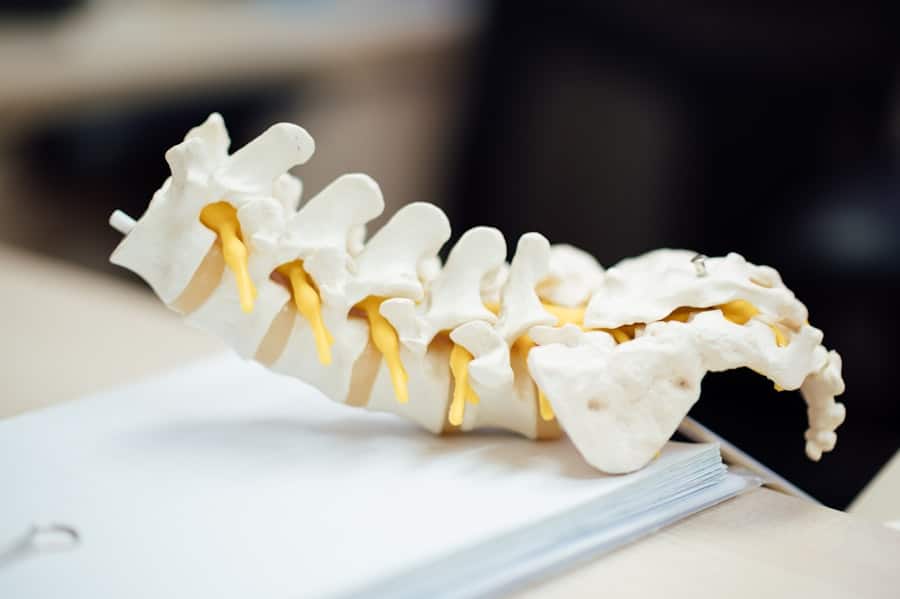
There are several common causes of funny bone pain that we should be aware of. One of the most frequent culprits is simply bumping or striking the elbow against a hard surface. This can happen during everyday activities, such as reaching for something on a high shelf or leaning on a table.
The impact can compress the ulnar nerve, leading to that familiar tingling sensation. In many cases, this discomfort is temporary and resolves quickly once we remove the pressure from the nerve. However, there are also more chronic conditions that can lead to persistent funny bone pain.
Conditions such as cubital tunnel syndrome occur when the ulnar nerve becomes compressed over time, often due to repetitive movements or prolonged pressure on the elbow. This can result in ongoing discomfort, weakness in the hand, and even numbness in the fingers. Recognizing these causes allows us to take proactive steps to prevent further irritation and manage any existing pain effectively.
How to Alleviate Funny Bone Discomfort
When we experience funny bone discomfort, there are several strategies we can employ to alleviate the sensation.
This can help reduce tingling and restore normal sensation more quickly.
Additionally, applying a cold compress to the elbow can help reduce inflammation and numb any pain associated with hitting our funny bone. For those who experience chronic discomfort, stretching and strengthening exercises for the arm and wrist may be beneficial. These exercises can help improve flexibility and reduce tension around the elbow joint, which may alleviate pressure on the ulnar nerve.
Furthermore, maintaining good posture while sitting or working at a desk can prevent unnecessary strain on our elbows and wrists, ultimately reducing the likelihood of funny bone pain.
The Difference Between Nerves and Bones in the Elbow
Understanding the distinction between nerves and bones in the elbow is crucial for grasping how funny bone pain occurs. Bones provide structure and support to our body, while nerves are responsible for transmitting signals between different parts of our body and our brain. In the case of the funny bone, it is specifically the ulnar nerve that runs close to the surface of the skin at the elbow joint, making it vulnerable to injury.
While bones are relatively stable structures that do not change much over time, nerves can be more sensitive to external factors such as pressure or inflammation. When we hit our funny bone, it is not actually the bone itself that causes discomfort; rather, it is the compression of the ulnar nerve against the bony surface that leads to that characteristic tingling sensation. By understanding this difference, we can better appreciate how our body responds to various stimuli and how we can take care of both our bones and nerves.
Activities and Movements That Can Aggravate the Funny Bone
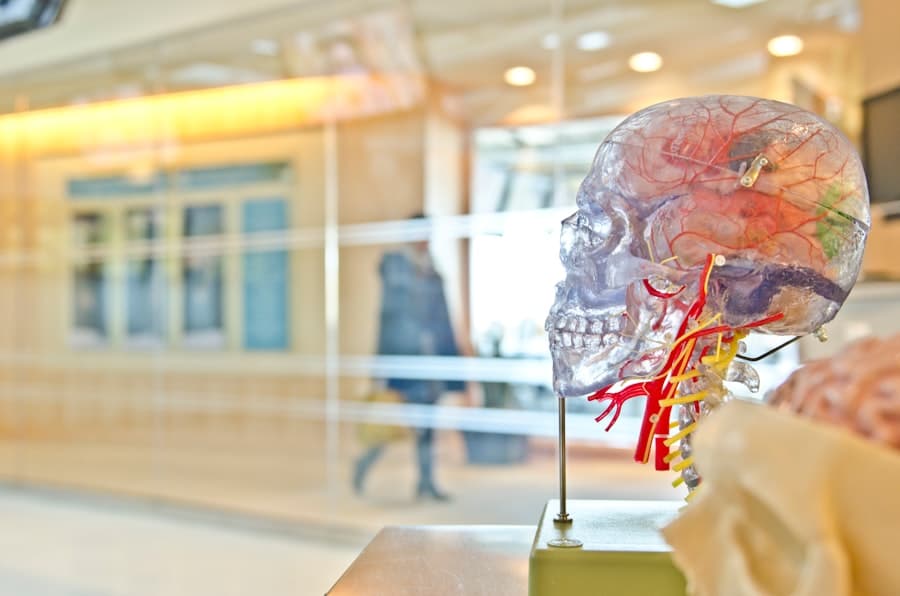
Certain activities and movements can exacerbate funny bone discomfort, particularly those that involve repetitive motions or prolonged pressure on the elbow. For instance, activities such as typing for extended periods without proper ergonomic support can lead to increased strain on the ulnar nerve. Similarly, sports that require frequent arm movements—like tennis or baseball—can also put stress on this area.
Additionally, leaning on hard surfaces for extended periods can compress the ulnar nerve and lead to discomfort. We should be mindful of how we position our arms during daily tasks and take breaks when engaging in activities that require repetitive elbow movements. By being aware of these aggravating factors, we can make conscious choices to protect our funny bone from unnecessary strain.
When to Seek Medical Attention for Funny Bone Pain
While most instances of funny bone pain are temporary and resolve on their own, there are times when seeking medical attention is necessary. If we experience persistent pain that does not improve with rest or home remedies, it may indicate an underlying issue such as cubital tunnel syndrome or another nerve-related condition. Symptoms such as weakness in hand grip, persistent numbness in fingers, or difficulty performing daily tasks should prompt us to consult a healthcare professional.
Additionally, if we notice any swelling or bruising around the elbow joint following an injury, it’s essential to seek medical advice. These symptoms could indicate a more serious injury that requires further evaluation or treatment. By being proactive about our health and recognizing when something feels off, we can ensure that any potential issues are addressed promptly.
Preventing Funny Bone Injuries
Preventing funny bone injuries involves a combination of awareness and proactive measures. One effective strategy is to maintain good ergonomics while working or engaging in activities that require repetitive arm movements. Using supportive equipment like ergonomic keyboards or wrist rests can help reduce strain on our elbows and wrists.
In addition to ergonomic adjustments, incorporating regular stretching and strengthening exercises into our routine can enhance flexibility and resilience in our arms. Simple stretches targeting the forearm muscles can help alleviate tension around the elbow joint and reduce the risk of nerve compression. By taking these preventive steps, we can minimize our chances of experiencing funny bone pain in both everyday situations and during physical activities.
The Connection Between the Funny Bone and Carpal Tunnel Syndrome
Interestingly, there is a connection between funny bone discomfort and carpal tunnel syndrome, although they involve different nerves in different locations. Carpal tunnel syndrome occurs when the median nerve becomes compressed at the wrist, leading to symptoms such as tingling, numbness, and weakness in the hand. While these two conditions affect different nerves—ulnar for funny bone pain and median for carpal tunnel—they share some common risk factors.
Both conditions can be exacerbated by repetitive motions or prolonged pressure on specific areas of the arm or wrist. For instance, individuals who spend long hours typing may be at risk for both conditions due to strain on their nerves from improper ergonomics.
Tips for Protecting Your Funny Bone During Physical Activity
When engaging in physical activity, there are several tips we can follow to protect our funny bone from injury. First and foremost, warming up before any exercise routine is essential. A proper warm-up increases blood flow to our muscles and prepares them for movement, reducing the risk of strains or injuries.
Additionally, wearing protective gear during sports or activities that involve potential impacts—such as elbow pads—can provide an extra layer of safety for our funny bone. Being mindful of our movements during physical activities is also crucial; avoiding excessive force or awkward positions can help prevent unnecessary strain on our elbows. By incorporating these protective measures into our routines, we can enjoy physical activity while minimizing our risk of funny bone injuries.
Fun Facts and Myths About the Funny Bone
The funny bone has inspired various myths and fun facts over time that add an interesting layer to its reputation. One common myth is that hitting your funny bone will cause permanent damage; however, this is not true for most cases. While it may feel painful at first, any discomfort typically subsides quickly without lasting effects.
Another fun fact is that despite its name, there’s nothing humorous about hitting your funny bone! The term likely originated from a play on words related to its anatomical name—the ulnar nerve—and its association with laughter due to its peculiar sensation. Understanding these myths and facts helps us appreciate not only how our bodies work but also how language shapes our perceptions of everyday experiences like hitting our funny bone.
In conclusion, understanding the anatomy and function of our funny bone allows us to navigate its quirks with greater awareness and care. By recognizing common causes of discomfort and employing preventive measures during daily activities or physical exercise, we can protect ourselves from unnecessary pain while enjoying life’s moments—funny or otherwise!
If you’re interested in learning more about medical testing, you may want to check out this article on ETG testing: what to expect and how to prepare. This article provides valuable information on what to expect during ETG testing and how to properly prepare for it. It’s always important to be informed about medical procedures and tests to ensure you are well-prepared and know what to expect.
FAQs
What is the “funny bone”?
The “funny bone” is not actually a bone, but a nerve called the ulnar nerve. It runs from the neck down to the hand and is responsible for providing sensation to the little finger and half of the ring finger.
Why is it called the “funny bone”?
The term “funny bone” is a misnomer, as hitting the ulnar nerve can cause a tingling or funny sensation in the arm, rather than being humorous. The name likely comes from the funny feeling that occurs when the nerve is struck.
What causes the tingling sensation when you hit your “funny bone”?
When the ulnar nerve is struck, it can cause a tingling or electric shock-like sensation in the arm and hand. This occurs because the nerve is compressed or irritated, sending abnormal signals to the brain.
Is hitting your “funny bone” dangerous?
Hitting your “funny bone” is not dangerous and typically only causes temporary discomfort. However, if the tingling sensation persists or is accompanied by weakness or numbness, it is important to seek medical attention to rule out any serious nerve damage.
How can I prevent hitting my “funny bone”?
To prevent hitting your “funny bone,” be mindful of your surroundings and avoid putting pressure on the inner part of your elbow. Additionally, maintaining good posture and avoiding repetitive movements that strain the elbow can help reduce the risk of irritating the ulnar nerve.