

Stomach growling, often referred to as borborygmi, is a phenomenon that many of us experience at some point in our lives. It is that unmistakable sound that emanates from our abdomen, often catching us off guard in quiet settings. While it can be a source of embarrassment, especially during meetings or social gatherings, it is a natural part of our bodily functions.
Understanding the reasons behind this sound can help us demystify it and perhaps even embrace it as a normal aspect of our digestive processes. As we delve into the intricacies of stomach growling, we find that it is not merely a sign of hunger or an empty stomach. Instead, it serves as a reminder of the complex workings of our digestive system.
By exploring the various factors that contribute to this phenomenon, we can gain insights into our health and well-being. From the role of digestion to the impact of stress and diet, stomach growling is a multifaceted topic that warrants our attention.
Key Takeaways
- Stomach growling is a natural bodily function caused by the movement of gas and fluids in the digestive system.
- Hunger pangs and stomach growling are closely related, as the body signals the need for food through these noises.
- Gas and stomach noises can also contribute to stomach growling, often caused by swallowing air or certain foods.
- Stress can exacerbate stomach growling, as the body’s fight or flight response can affect digestion and lead to increased noises.
- While occasional stomach growling is normal, persistent or severe symptoms may indicate an underlying medical condition and should be evaluated by a doctor.
The Role of Digestive System
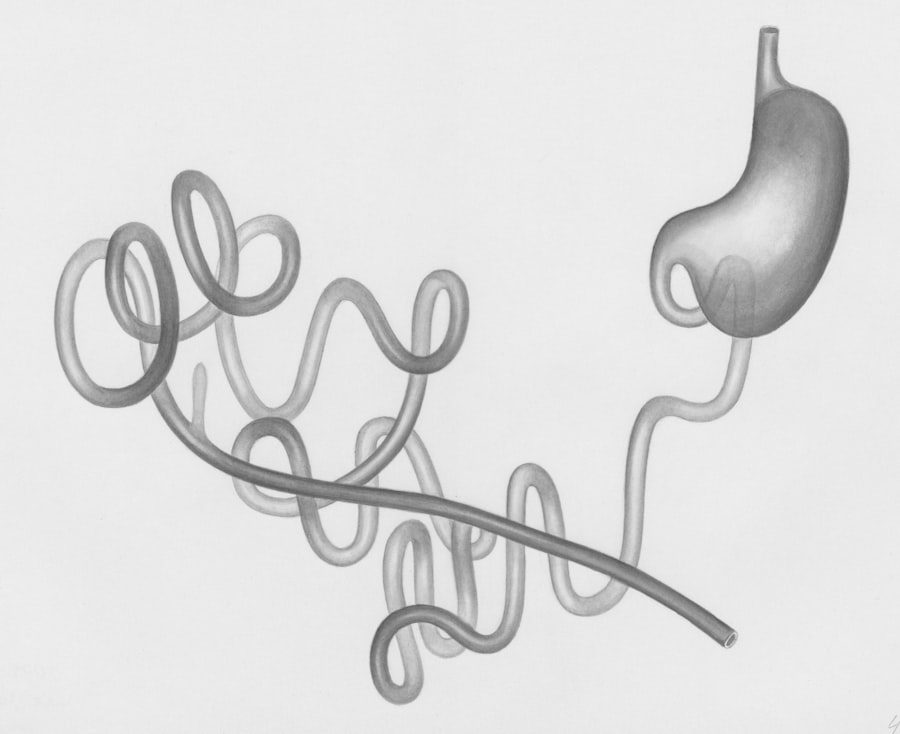
Our digestive system plays a crucial role in breaking down the food we consume and extracting the necessary nutrients for our bodies. This intricate process involves various organs, including the stomach, intestines, and pancreas, all working in harmony to ensure that we receive the energy we need. As food travels through this system, it undergoes a series of mechanical and chemical changes, which can lead to the sounds we hear as stomach growling.
The movement of food through our digestive tract is facilitated by a series of muscle contractions known as peristalsis. These contractions not only help in moving food along but also create the characteristic sounds associated with stomach growling. When our stomach is empty or when we are digesting food, these contractions can become more pronounced, leading to audible noises that we often interpret as hunger signals.
Understanding this process allows us to appreciate the remarkable efficiency of our bodies and the importance of maintaining a healthy digestive system.
Hunger Pangs and Stomach Growling
One of the most common associations with stomach growling is hunger. When we go for extended periods without eating, our bodies signal that it’s time to refuel. This is where hunger pangs come into play, often accompanied by the familiar sounds of our stomachs rumbling.
These noises are not just random; they are part of our body’s way of communicating its needs. When we feel hungry, our brain releases hormones that stimulate the digestive system, prompting it to prepare for food intake. This preparation includes increased peristaltic activity, which can lead to those unmistakable growling sounds.
While hunger pangs can be annoying, they serve an essential purpose: they remind us to nourish ourselves and maintain our energy levels. By listening to these signals, we can develop a healthier relationship with food and better understand our body’s needs.
Gas and Stomach Noises
In addition to hunger, gas is another significant contributor to stomach noises. As food is broken down in our intestines, gases are produced as byproducts of digestion. These gases can accumulate and create pressure within the digestive tract, leading to audible sounds as they move through the intestines.
This phenomenon is entirely normal and occurs in everyone, although some may experience it more frequently than others. Certain foods are known to produce more gas than others, such as beans, lentils, and cruciferous vegetables like broccoli and cabbage. When we consume these foods, our bodies may struggle to break them down completely, resulting in increased gas production.
While this can lead to more pronounced stomach noises, it’s essential to remember that these sounds are simply a reflection of our digestive processes at work. By being mindful of our dietary choices, we can manage gas-related noises and maintain a more comfortable digestive experience.
Stress and Stomach Growling
Stress is another factor that can influence stomach growling. When we experience stress or anxiety, our bodies enter a heightened state of alertness, which can affect various bodily functions, including digestion. The release of stress hormones can lead to changes in gut motility, resulting in increased peristaltic activity and, consequently, more pronounced stomach noises.
Moreover, stress can also impact our eating habits. Some individuals may find themselves eating less when stressed, leading to an empty stomach and increased growling sounds. Others may turn to comfort foods that are not always the healthiest choices, which can further exacerbate digestive issues.
Recognizing the connection between stress and stomach growling allows us to take proactive steps in managing both our mental well-being and digestive health.
Medical Conditions and Stomach Growling
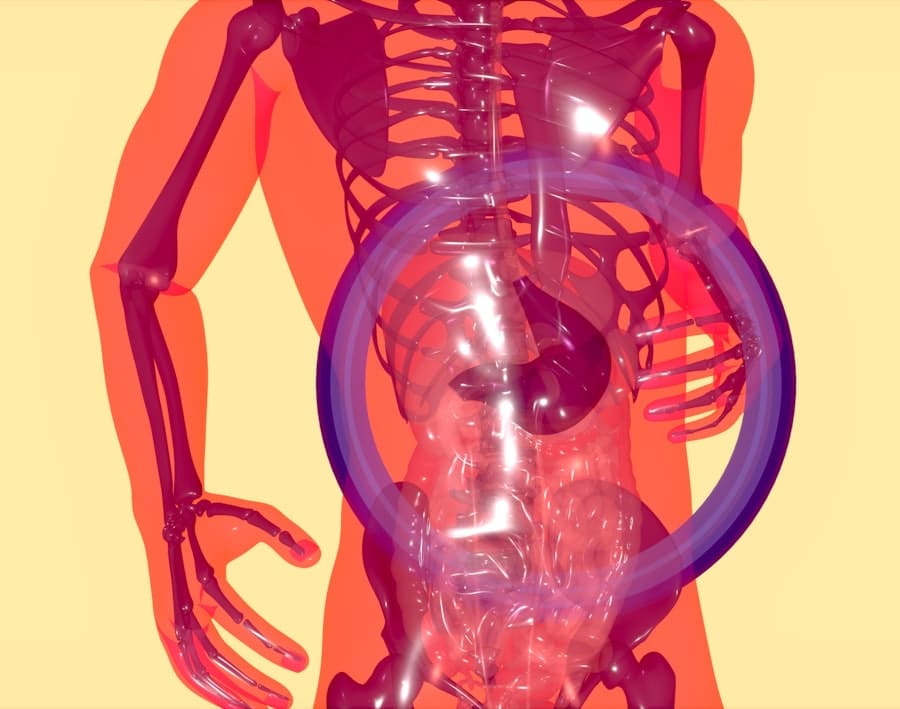
While stomach growling is typically harmless, there are instances where it may indicate an underlying medical condition. Conditions such as irritable bowel syndrome (IBS), gastroesophageal reflux disease (GERD), or food intolerances can lead to increased digestive sounds and discomfort. If we notice persistent or severe stomach growling accompanied by other symptoms such as pain, bloating, or changes in bowel habits, it may be time to consult a healthcare professional.
In some cases, excessive stomach noises may be linked to malabsorption issues or gastrointestinal infections. These conditions can disrupt the normal functioning of our digestive system and lead to increased gas production or irregular motility patterns. By seeking medical advice when necessary, we can ensure that any potential issues are addressed promptly and effectively.
How to Prevent Stomach Growling
Preventing stomach growling often involves making mindful choices about our diet and lifestyle. One effective strategy is to eat smaller, more frequent meals throughout the day rather than large meals that can overwhelm our digestive system. This approach not only helps maintain steady energy levels but also reduces the likelihood of experiencing hunger pangs and associated noises.
Additionally, staying hydrated is crucial for optimal digestion.
Drinking enough water throughout the day aids in breaking down food and preventing constipation, which can contribute to gas buildup and stomach noises.
Incorporating fiber-rich foods into our diet can also promote healthy digestion and reduce the likelihood of excessive gas production.
By being proactive about our dietary choices and habits, we can minimize unwanted stomach growling.
The Connection Between Stomach Growling and Diet
Our diet plays a significant role in determining how often we experience stomach growling. Certain foods are more likely to cause gas and bloating than others, leading to increased digestive sounds. For instance, high-fiber foods are essential for maintaining regular bowel movements but can also produce gas during digestion if introduced too quickly into our diet.
Moreover, carbonated beverages can contribute to excess gas in the digestive tract, leading to more pronounced stomach noises. By being mindful of what we consume and how it affects our bodies, we can make informed choices that promote better digestive health. Keeping a food diary may help us identify specific triggers that lead to increased stomach growling or discomfort.
The Impact of Stomach Growling on Social Situations
Stomach growling can have a noticeable impact on social situations. Whether we’re in a meeting at work or enjoying dinner with friends, an unexpected rumble from our abdomen can lead to feelings of embarrassment or self-consciousness. In some cases, it may even distract us from engaging fully in conversations or enjoying meals.
However, it’s essential to remember that everyone experiences this phenomenon at some point or another; it’s a universal human experience.
By approaching these moments with humor or lightheartedness, we can alleviate some of the tension associated with stomach growling in social settings.
Embracing the natural sounds of our bodies can foster a sense of camaraderie among those around us.
When to See a Doctor About Stomach Growling
While occasional stomach growling is typically harmless, there are certain situations where seeking medical advice is warranted. If we experience persistent or severe abdominal noises accompanied by pain, bloating, diarrhea, or constipation, it may indicate an underlying issue that requires attention. Additionally, if changes in appetite or weight occur alongside these symptoms, consulting a healthcare professional is advisable.
It’s crucial not to dismiss these signs as mere inconveniences; they could be indicative of more serious conditions that require diagnosis and treatment. By being proactive about our health and seeking medical advice when necessary, we can ensure that any potential issues are addressed promptly.
Conclusion and Summary
In conclusion, stomach growling is a natural bodily function that serves various purposes related to digestion and hunger signaling. While it can sometimes be embarrassing or disruptive in social situations, understanding its causes allows us to appreciate this phenomenon as part of our complex digestive system. Factors such as hunger pangs, gas production, stress levels, dietary choices, and even underlying medical conditions all contribute to the sounds emanating from our abdomens.
By adopting mindful eating habits and being aware of how stress affects our bodies, we can minimize unwanted stomach noises while promoting overall digestive health. Ultimately, embracing the natural sounds of our bodies fosters a healthier relationship with food and encourages us to listen closely to what our bodies are telling us about their needs.
If you’re interested in learning more about the connection between physical symptoms and emotional health, you may want to check out this article on fear of abandonment. Understanding how our emotions can manifest in our bodies is crucial for overall well-being.
FAQs
What causes stomach growling?
Stomach growling, also known as borborygmi, is caused by the movement of gas and fluids in the intestines. This movement is a normal part of the digestive process and can occur when the stomach and intestines are empty.
Is stomach growling a sign of hunger?
Stomach growling can be a sign of hunger, as it often occurs when the stomach is empty and the body is signaling that it needs food. However, stomach growling can also occur for other reasons, such as digestion or the movement of gas in the intestines.
Can stomach growling be a sign of a medical issue?
In some cases, excessive or persistent stomach growling can be a sign of a medical issue, such as irritable bowel syndrome, lactose intolerance, or other gastrointestinal disorders. If you are experiencing frequent or severe stomach growling, it is important to consult a healthcare professional for an accurate diagnosis.
How can I prevent stomach growling?
To prevent stomach growling, it is important to maintain a healthy and balanced diet, eat regular meals, and stay hydrated. Avoiding foods that can cause gas or bloating, such as carbonated beverages and certain vegetables, can also help reduce stomach growling.