

Have you ever experienced a strange crackling sound in your ear without any apparent reason? This phenomenon is more common than you think, affecting millions of people worldwide.
The sensation is often described as similar to the sound of Rice Krispies cereal when you pour milk over it. Various conditions can lead to this unusual auditory experience, ranging from Eustachian tube dysfunction to more complex issues like Ménière’s disease.
Understanding the anatomy of your ear and the potential causes of this crackling sound is crucial to addressing the discomfort it may cause. In this article, we’ll explore the reasons behind this sensation and discuss both medical treatments and home remedies to alleviate it.
Key Takeaways
- Crackling in the ear is a common issue that can be caused by various factors.
- Eustachian tube dysfunction is a frequent cause of this sensation.
- Ménière’s disease is another condition that can lead to crackling sounds.
- Understanding ear anatomy is key to addressing the issue.
- Both medical treatments and home remedies can help alleviate the discomfort.
Understanding Ear Crackling: What’s That Sound?
Ear crackling, often described as a ‘Rice Krispies-like’ sound, is a widespread auditory experience. This phenomenon is characterized by a popping, clicking, or crackling noise that occurs inside the ear, often without any external stimulus.
What Does Ear Crackling Sound Like?
Ear crackling typically sounds like a sudden, brief noise, similar to the sound of a bubble bursting or a crackling fire. It’s often compared to the noise that a bowl of Rice Krispies makes after you’ve just poured milk over them. This sound can be startling, especially if it occurs unexpectedly.
How Common is Ear Crackling?
Ear crackling affects millions of people worldwide, ranging from occasional and mild to persistent and disruptive. Many people experience temporary ear crackling during a cold or sinus infection, which typically resolves once the underlying condition improves. Activities like yawning, swallowing, or changes in altitude can also trigger ear crackling due to pressure changes in the ear.
Is Ear Crackling Dangerous?
While most cases of ear crackling aren’t dangerous, persistent symptoms can significantly impact quality of life and may indicate an underlying condition that requires attention. According to WebMD, understanding the specific characteristics of your ear crackling can help healthcare professionals determine its cause and appropriate treatment. If you’re experiencing persistent or severe ear crackling, it’s essential to consult a healthcare professional to rule out any underlying conditions.
- Ear crackling can be a symptom of various conditions, some of which may require medical attention.
- Persistent ear crackling can affect a person’s quality of life.
- Understanding the cause of ear crackling is crucial for determining the appropriate treatment.
The Anatomy of Your Ear: How It Works
The human ear is a complex and fascinating structure that plays a vital role in our ability to hear and maintain balance. It is composed of multiple parts that work together to capture sound waves and convert them into neural signals that our brain can interpret.
The Three Parts of Your Ear
The ear is divided into three main parts: the outer ear, the middle ear, and the inner ear. The outer ear, or pinna, collects sound waves and directs them into the ear canal. The middle ear contains three tiny bones called ossicles that amplify vibrations. The inner ear is responsible for converting these vibrations into neural signals.
- The outer ear captures sound waves.
- The middle ear amplifies vibrations.
- The inner ear converts vibrations to neural signals.
The Role of the Eustachian Tube
The Eustachian tube connects the middle ear to the back of the throat and plays a crucial role in maintaining pressure balance on both sides of the eardrum. It opens during activities like yawning, swallowing, or chewing, allowing air to flow and equalize pressure. This function is vital for proper hearing and preventing discomfort or damage to the ear.
How Sound Travels Through Your Ear
Sound waves enter the ear canal and cause the eardrum to vibrate. These vibrations are amplified by the ossicles in the middle ear and transmitted to the fluid-filled inner ear. The inner ear then converts these vibrations into neural signals that are sent to the brain, allowing us to perceive sound. For more information on ear-related issues, you can visit this page.
Eustachian Tube Dysfunction: The Primary Cause of Crackling Inside Ear
Eustachian tube dysfunction occurs when the tube fails to open or close correctly, leading to pressure imbalances in the ear. This condition is a common cause of crackling or popping sounds inside the ear. The eustachian tube, which connects the middle ear to the back of the nose and throat, plays a crucial role in maintaining ear pressure and drainage.
What is Eustachian Tube Dysfunction?
Eustachian tube dysfunction (ETD) is a condition where the eustachian tube doesn’t function properly. Normally, the eustachian tube remains closed but opens during activities like yawning, swallowing, or chewing to equalize pressure and drain fluid from the middle ear. When it becomes inflamed, blocked, or fails to function correctly, it creates pressure imbalances that can lead to crackling sounds.
Symptoms of Eustachian Tube Dysfunction
The symptoms of ETD can vary but often include a feeling of fullness or congestion in the ear, ear pain, muffled hearing or hearing loss, tinnitus (ringing in the ears), and sometimes dizziness or vertigo. The crackling or popping sound is usually the most noticeable symptom, often described as similar to “Rice Krispies.” These symptoms occur because the eustachian tube is not functioning correctly, leading to pressure imbalances and fluid buildup in the middle ear.
What Causes Eustachian Tube Dysfunction?
Several factors can cause eustachian tube dysfunction. Common triggers include upper respiratory tract infections (like the common cold), sinusitis, allergies, gastroesophageal reflux disease (GERD), irritants in the air (such as cigarette smoke or pollution), and changes in pressure (like during diving or climbing). Certain conditions, such as a cleft palate, can also affect the eustachian tube’s function. Understanding these causes is crucial for managing and treating ETD effectively.
Other Common Causes of Ear Crackling
In addition to Eustachian tube dysfunction, there are other common causes of ear crackling that need to be considered. Understanding these causes can help in identifying the root of the problem and seeking appropriate treatment.
Earwax Buildup
Earwax buildup is a common issue that can lead to ear crackling. Normally, earwax helps to lubricate and protect the ear canal. However, when it accumulates and blocks the ear canal, it can cause a range of symptoms including crackling sounds, hearing loss, and discomfort. Using cotton swabs can push the wax deeper into the ear, exacerbating the problem.
Middle Ear Infections (Acute Otitis Media)
Middle ear infections, also known as acute otitis media, are another common cause of ear crackling. These infections occur when fluid accumulates in the middle ear and becomes infected, leading to inflammation and pressure behind the eardrum. Children are more susceptible to middle ear infections due to their shorter, more horizontal Eustachian tubes, which don’t drain as effectively as those in adults.
- Symptoms include ear pain, fever, and hearing loss.
- Eustachian tube dysfunction can contribute to the development of middle ear infections.
Temporomandibular Joint (TMJ) Disorders
TMJ disorders can cause crackling or clicking sounds near the ear due to the proximity of the jaw joint to the ear canal. These disorders can result from a variety of factors, including jaw injuries, arthritis, or teeth grinding. Managing TMJ disorders often involves a combination of lifestyle changes, exercises, and professional dental or medical interventions.
Middle Ear Myoclonus (MEM)
Middle ear myoclonus (MEM) is a rare condition characterized by involuntary contractions of the middle ear muscles, leading to rhythmic crackling or clicking sounds. While the exact cause of MEM is not fully understood, it is believed to be related to abnormalities in the middle ear muscles or their nerve supply.
Understanding these various causes of ear crackling is crucial for determining the appropriate course of treatment. Whether it’s addressing earwax buildup, treating middle ear infections, managing TMJ disorders, or dealing with the rare condition of middle ear myoclonus, identifying the root cause is the first step towards relief.
Less Common Causes of Crackling in the Ears
Beyond the usual suspects, there are several less common causes of crackling in the ears that deserve attention. While common causes like Eustachian tube dysfunction and earwax buildup are well understood, other conditions can also lead to this symptom.
Ménière’s Disease
Ménière’s disease is a disorder of the inner ear that affects balance and hearing. It can cause episodes of vertigo, hearing loss, tinnitus, and a feeling of fullness in the ear. These episodes can last from 20 minutes to several hours and can be debilitating. Ménière’s disease typically affects adults between 20-50 years of age.
Patulous Eustachian Tube
A patulous Eustachian tube is a rare condition where the tube remains abnormally open, causing symptoms like autophony (hearing one’s own breathing or voice unnaturally loud) and crackling sounds. This condition can significantly impact daily life, making it difficult to perform routine tasks.
Acoustic Neuroma
An acoustic neuroma is a benign tumor that grows on the vestibular nerve. It can cause crackling sensations in the ear, along with progressive hearing loss and balance issues. While rare, acoustic neuromas require prompt medical attention to prevent further complications.
These less common conditions often require specialized diagnostic approaches and treatments from otolaryngologists or neurotologists. Early diagnosis is crucial, as some of these conditions can progress and cause permanent hearing damage if left untreated.
- Ménière’s disease is characterized by episodes of vertigo, fluctuating hearing loss, tinnitus, and aural fullness.
- Patulous Eustachian tube causes autophony and crackling sounds due to the abnormally open tube.
- Acoustic neuroma can lead to crackling sensations, progressive hearing loss, and balance issues.
Diagnosing the Cause of Your Ear Crackling
Diagnosing the cause of ear crackling involves a comprehensive approach that includes a thorough medical history and physical examination. A doctor will typically start by examining your ear to identify any visible issues.
What to Expect During an Ear Examination
During an ear examination, the doctor will use an otoscope to visually inspect your ear canal and eardrum, looking for signs of infection, inflammation, or earwax buildup. The physician will likely ask detailed questions about your symptoms, including when the crackling started, what makes it better or worse, and any associated symptoms like pain or hearing changes.
- The doctor will examine your ear canal and eardrum using an otoscope.
- You may be asked about your medical history and any previous ear problems.
- The physician may also examine your nose, throat, and sinuses.
Specialized Tests for Ear Conditions
In some cases, specialized tests may be necessary to determine the cause of ear crackling. These tests may include:
- Tympanometry, which measures eardrum movement.
- Audiometry, comprehensive hearing tests.
- Imaging studies like CT scans or MRIs for more complex cases.
For suspected Eustachian tube dysfunction, the physician might perform a pneumatic otoscopy, which uses air pressure to test eardrum mobility. Accurate diagnosis is crucial for effective treatment, as different causes of ear crackling require different therapeutic approaches.
Effective Home Remedies for Crackling in the Ear
If you’re troubled by crackling sounds in your ear, you’re not alone; several home remedies can help mitigate this issue. Crackling in the ear can be caused by various factors, including Eustachian tube dysfunction, earwax buildup, or Temporomandibular Joint (TMJ) disorders. Fortunately, there are several effective home remedies that can help alleviate the discomfort.
The Valsalva Maneuver: How to Pop Your Ears
The Valsalva maneuver is a simple technique that can help equalize the pressure in your ears. To perform it, pinch your nose shut, keep your mouth closed, and gently blow air through your nose as if you’re blowing your nose. This action helps to open the Eustachian tube and relieve pressure.
Nasal Irrigation for Eustachian Tube Relief

Nasal irrigation using a saline solution can help clear congestion and reduce inflammation that may be affecting your Eustachian tubes. This can be done using a neti pot or a squeeze bottle with a nasal spray tip. Regular nasal irrigation can help keep your Eustachian tubes functioning properly.
Safe Earwax Removal Methods
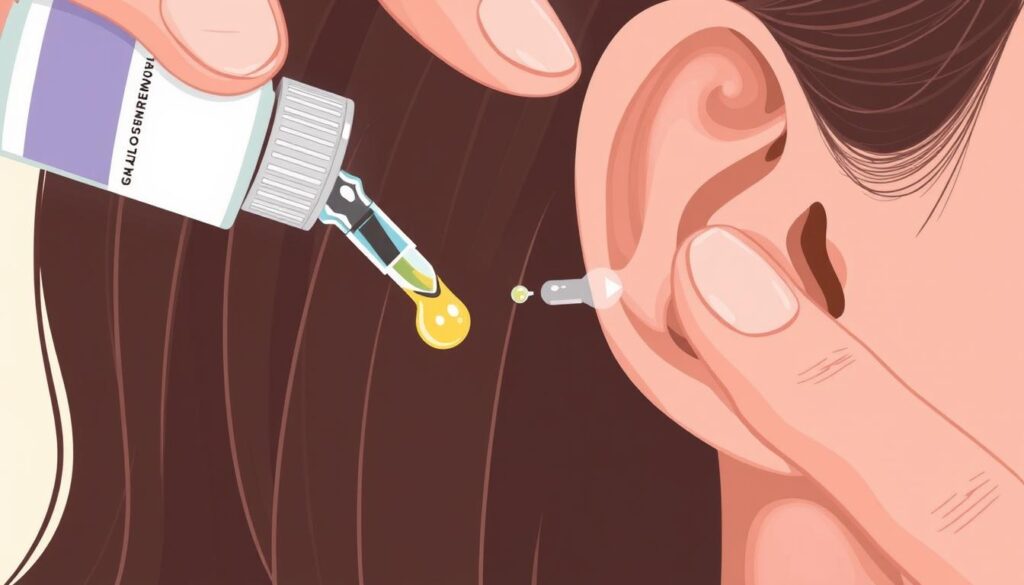
For those experiencing earwax-related crackling, safe removal methods include using a few drops of mineral oil, baby oil, or over-the-counter earwax softening drops. After softening the wax, gently irrigate your ears in the shower to remove the wax. Avoid using cotton swabs, as they can push the wax further into your ear.
TMJ Exercises and Massages
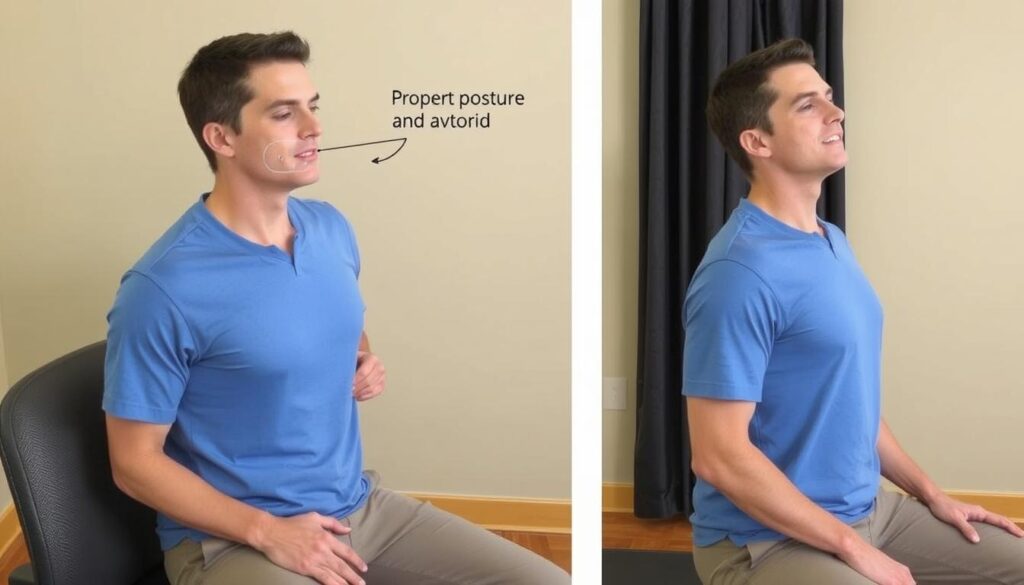
TMJ exercises and massages can help alleviate jaw tension that may be contributing to ear crackling. Gentle jaw stretches and targeted massage of the muscles around the jaw joint can help relax the TMJ and surrounding muscles, reducing crackling sounds.
In addition to these remedies, steam inhalation can help open up the Eustachian tubes, providing relief from crackling caused by congestion. Simply lean over a bowl of hot water with a towel over your head to inhale the steam. Over-the-counter decongestants or antihistamines may also provide temporary relief for crackling caused by allergies or sinus congestion. Staying well-hydrated is also crucial as it helps maintain proper mucus consistency, preventing Eustachian tube blockage and associated ear crackling.
Medical Treatments for Persistent Ear Crackling
Medical treatments offer a solution for individuals dealing with persistent ear crackling. The treatment approach depends on the underlying cause of the crackling sound in the ear. Your doctor may recommend various treatment options to alleviate the discomfort.
Medications That Can Help
For crackling caused by infections, doctors may prescribe antibiotics. Anti-inflammatory medications or steroids might be recommended for inflammation-related causes. In some cases, prescription medications like tricyclic antidepressants or muscle relaxants may be used to relieve pain associated with Temporomandibular Joint (TMJ) disorders.
Surgical Options for Severe Cases
In severe cases of ear crackling, surgical interventions may be necessary. For instance, surgery might be required to address TMJ disorders that are causing the crackling sound. Understanding the cause of ear crackling is crucial in determining the appropriate treatment.
Ear Tubes and Balloon Dilation
Ear tubes, also known as tympanostomy tubes, may be surgically placed in the eardrum to provide long-term ventilation and pressure equalization for the middle ear. This is particularly beneficial for recurrent ear infections. Another procedure is balloon dilation of the Eustachian tube, which uses a small balloon catheter to help open the Eustachian tubes, providing relief from dysfunction.
These medical treatments can provide relief for individuals experiencing persistent ear crackling. It’s essential to consult a doctor to determine the best course of treatment.
When to See a Doctor About Crackling in Your Ears
If you’re experiencing persistent crackling in your ears, it’s crucial to know when to seek medical help. While occasional ear crackling might be harmless, certain situations warrant a visit to the doctor.
Warning Signs That Require Medical Attention
Certain symptoms indicate the need for immediate medical attention. These include:
- Severe ear pain
- Hearing loss
- Dizziness or vertigo
- Discharge from the ear (especially if bloody or pus-like)
- Fever accompanying ear symptoms
If you experience any of these, it’s essential to consult a doctor promptly.
Finding the Right Specialist
For ear-related issues, an otolaryngologist (ENT doctor) is typically the most appropriate specialist. Your primary care physician can provide an initial assessment and referral if needed. Additionally, consider consulting audiologists for hearing-related aspects or neurotologists for complex inner ear and skull base disorders.
Conclusion
As we’ve explored, ear crackling has multiple causes and can be treated with the right approach. Crackling in the ears is a common auditory phenomenon experienced by many people, with causes ranging from simple earwax buildup to more complex conditions like eustachian tube dysfunction.
Understanding the anatomy of your ear and how sound travels through it provides valuable context for identifying the source of crackling sounds. For most people, ear crackling is a temporary issue that resolves with simple home remedies or minor medical interventions. However, persistent or severe crackling accompanied by pain, hearing loss, or dizziness warrants prompt medical attention to prevent potential complications.
The treatment approach for ear crackling should be tailored to its specific cause, which is why proper diagnosis by a healthcare professional is essential for chronic cases. With advances in medical technology, even chronic conditions causing ear crackling can often be effectively managed through specialized treatments or hearing aids with pressure-equalizing features. By addressing persistent ear symptoms promptly, you can help maintain your quality of life and prevent potential long-term hearing issues.