

Waking up to a sharp twinge in your knee as you climb out of bed can turn even the most ordinary day into a challenge. Thousands of people quietly struggle to manage knee pain each day, unsure which movements might help or hurt their aching joints.
If you’re looking for straightforward, effective ways to relieve discomfort and regain confidence in your mobility, a well-chosen exercise routine could make all the difference. From gentle warm-ups to targeted strengthening and stretching, there are options suitable for all fitness levels—even if you’ve never considered yourself an athlete. Taking just a little time for these activities can improve your strength, flexibility, and long-term knee health without overwhelming your daily schedule.
Why surrender your freedom of movement to knee pain when a few mindful exercises could be the key to reclaiming comfort and strength? Rediscover what your body can do—one gentle step at a time.
Reference:
10 Exercises to Help Relieve Knee Pain – Healthline
Introduction
Targeted movement is a critical yet often overlooked factor when it comes to relieving knee pain. Many individuals believe rest is the best remedy, but modern orthopedic and sports medicine research consistently shows that specific low-impact exercises play a pivotal role in restoring knee function.
Knee pain affects millions each year—according to the CDC, nearly 20% of adults in the United States report chronic knee discomfort that can make walking, climbing stairs, or even standing a challenge. Olympic athletes like Lindsey Vonn, who famously rehabilitated multiple knee injuries through carefully structured exercise routines, underscore the value of movement for both professionals and everyday adults.
This guide is designed to offer straightforward, actionable workouts for individuals looking to strengthen their knees, increase flexibility, and minimize day-to-day discomfort. Rather than overwhelming you with complicated routines or requiring specialized equipment, the focus here is on approachable exercises that anyone can try at home or in a physical therapy setting.
Whether you’re managing the lingering effects of an ACL tear, osteoarthritis, or simply hoping to prevent future pain, the following knee-friendly workouts cater to a range of fitness levels and medical backgrounds. Backed by practical strategies used in physical therapy clinics and supported by expert insights, these exercises aim to make knee pain management accessible to all.
1. Understanding Knee Pain: Causes and Considerations
Common triggers and causes of knee pain
Knee pain can stem from a variety of sources, ranging from sports injuries to chronic conditions like osteoarthritis. High-impact activities, such as basketball or running on hard surfaces, are known to strain ligaments and cartilage in the knee. According to the Centers for Disease Control and Prevention, osteoarthritis affects over 32.5 million US adults, and the knee is one of the most commonly impacted joints.
Workplace ergonomics also play a role; repetitive bending or heavy lifting can lead to overuse injuries. For example, warehouse workers at Amazon have reported incidents of knee pain due to repetitive motions and insufficient breaks, emphasizing the need for tailored prevention strategies in physically demanding jobs.
The necessity of getting a proper diagnosis before starting exercise
Seeking a professional evaluation before engaging in any knee exercises is critical. A misdiagnosed ligament tear, for instance, can be worsened by the wrong type of movement. Sports medicine clinics, such as the Cleveland Clinic, frequently remind patients that imaging tests—like MRIs—can reveal subtleties not visible through physical exam alone.
Skipping this step may delay recovery or cause more harm, especially if underlying issues like a meniscus tear or patellar tracking disorder are present.
How gentle exercise benefits and supports knee joint health
Incorporating low-impact exercises can strengthen muscles around the knee, providing much-needed stability and pain relief. Recent guidance from Healthline suggests starting with stretches for the quadriceps, calves, and hamstrings before progressing to more active movements like half squats and calf raises. Their guide on 10 Exercises to Help Relieve Knee Pain recommends specific routines shown to improve joint function and flexibility without undue strain.
Physical therapists at Mayo Clinic have found that patients who consistently perform these gentle routines often report faster symptom relief and less stiffness over time, even in chronic cases.
Tips for setting safe and realistic exercise goals when managing knee pain
Setting achievable milestones is key to avoiding setbacks. For example, beginning with 10-minute gentle stretching sessions, then gradually increasing duration based on tolerance, helps track progress sustainably.
Using fitness apps, such as MyFitnessPal, allows users to monitor their exercise patterns and pain levels, enabling them to adjust their routines as needed. Consulting with a healthcare provider to periodically reassess goals ensures long-term safety and optimal outcomes.
2. Preparing for Your Workout: Warm-ups and Safety Tips
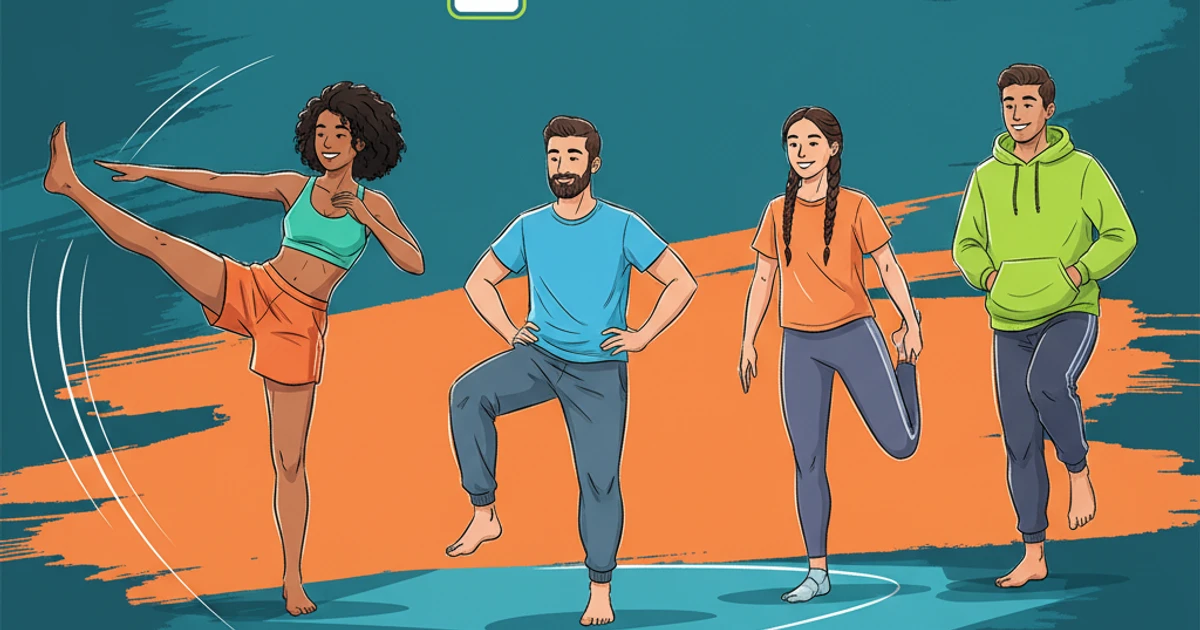
Proper preparation helps minimize the risk of knee injuries during exercise. Incorporating thoughtful warm-ups and making smart gear choices can improve both comfort and performance. These steps are vital for beginners and seasoned athletes alike, especially for anyone returning from time off or dealing with joint sensitivity.
Essential Warm-up Exercises to Help Protect Your Knees
Warming up gradually increases blood flow and activates stabilizing muscles around the knee. Dynamic movements are often more effective than static stretches pre-workout. For instance, the Mayo Clinic recommends leg swings, bodyweight squats, and walking lunges as key warm-ups. A study published by the American Journal of Sports Medicine in 2021 found that athletes engaging in dynamic knee warm-ups had 30% fewer knee injuries over six months.
Professional sports teams like the Chicago Bulls use multi-stage warm-up routines focusing on dynamic exercises before court practice, illustrating their importance at all levels of intensity.
How to Choose Proper Gear and Supportive Footwear for Knee Comfort
What you wear matters for knee health. Investing in well-cushioned athletic shoes such as the Brooks Ghost 15 or Adidas Ultraboost can help reduce impact forces. Physical therapists at NYU Langone Health often recommend these brands due to their proven support and shock absorption in runners and gym-goers.
If you have past knee issues, using knee sleeves—like the Bauerfeind Sports Knee Support—can offer extra stability. While no single product prevents every injury, choosing tested and well-reviewed gear is essential for ongoing comfort.
Recognizing Your Limits to Prevent Overexertion and Injury
Exercise should challenge, not overwhelm. Personal trainers at Equinox advise clients to use the “talk test”: if you can’t hold a brief conversation during cardio, you may be pushing too hard. Notably, a 2022 survey from the American Council on Exercise found that individuals who took regular rest days had 20% lower rates of overuse injuries.
Setting realistic progression goals—such as increasing squat sets by one per week instead of five—helps build strength gradually without straining joints.
Understanding the Difference Between Pain and Discomfort—and How to Listen to Your Body
Mild muscle soreness is expected after new activities, but sharp or asymmetric knee pain signals caution. According to Dr. Alexis Colvin, orthopedic surgeon at Mount Sinai, discomfort means the muscles are adapting, while pain often highlights injury risk.
If you experience swelling, sudden instability, or sharp pain, stop immediately and consult a medical professional. Cultivating the habit of honest self-assessment during exercise can be the most powerful injury-prevention tool you have.
Reference:
How to warm up before exercising
3. Low-Impact Workouts for Knee Pain Relief
For individuals experiencing knee pain, high-impact workouts can intensify discomfort and delay recovery. Low-impact exercises are a safer, effective way to stay active, preserve cardiovascular health, and build supportive muscle strength without putting unnecessary stress on delicate knee joints. Many physical therapists recommend these activities due to their gentle approach and proven track record in pain management.
Why Low-Impact Exercise Is Ideal for Those with Knee Pain
Low-impact workouts allow people to maintain fitness and mobility while minimizing joint aggravation. These exercises reduce the amount of force transmitted through the knees compared to running or jumping. For example, the American College of Sports Medicine highlights that aquatic exercises result in up to 90% less weight-bearing stress on the knee joint compared to training on land.
This is especially beneficial for people recovering from injuries or managing chronic conditions like osteoarthritis. By choosing lower-impact options, it’s possible to build strength and endurance without risking further knee damage or inflammation.
Benefits of Swimming and Water Aerobics for Joint Relief
Swimming and water aerobics offer an ideal environment for those with knee concerns. The buoyancy of water supports the body and absorbs shock, enabling safer movement for weakened or painful knees. A clinical review in the Journal of Rheumatology found that participants who engaged in aquatic therapy twice per week experienced significant reductions in joint pain and improved function within 12 weeks.
Many YMCA locations and senior centers offer water exercise programs tailored for joint care, with classes specifically targeting flexible movement and knee strengthening. These group classes often provide structure and social support, further enhancing motivation and adherence.
Using Stationary Bikes for Gentle, Knee-Friendly Cardio
Stationary cycling is another excellent low-impact workout for knee pain relief. The controlled motion limits torsion and jarring forces on the knee cap, while still providing an effective cardiovascular workout. According to Orthopaedic Specialists of Dallas, stationary biking can help maintain a healthy range of motion in the knees and support muscle rebuilding—particularly when set at an appropriate resistance and height.
For example, Peloton and Schwinn offer stationary bikes with customizable settings that allow users to adjust seat height and resistance levels, making the exercise safe and accessible for those with knee sensitivity. Beginners should start slowly, focusing on smooth, circular movements and gradually increasing duration as comfort improves.
How Elliptical Machines Can Aid in Knee Pain Relief and Tips for Safe Use
Elliptical machines provide a fluid, gliding motion that’s easier on the knees than treadmills or stair climbers. Unlike running, the feet never leave the pedals, reducing impact while still engaging core and leg muscles. Mayo Clinic researchers note that using an elliptical can significantly reduce knee pain in people with mild arthritis or a history of minor knee injuries.
To maximize benefits and ensure safety, it’s important to keep your posture upright, use the handles for stability, and avoid setting resistance too high at first. If symptoms worsen, switching to alternative exercises or consulting a healthcare professional is recommended. For specific stretches and strengthening moves that further support knee health, Healthline’s 10 Exercises to Help Relieve Knee Pain guide offers valuable, medically reviewed examples.
Reference:
10 Low Impact Exercises to Relieve Knee Pain and …
4. Strengthening Exercises to Support Knee Stability

A strong and stable knee is foundational for athletes, active individuals, and anyone recovering from injury. Building up the surrounding muscles helps absorb impact, promote proper movement mechanics, and reduce the risk of pain or reinjury. Physical therapists often recommend a series of targeted exercises, especially for those with a history of knee ligament sprains, arthritis, or post-surgical rehabilitation.
Building Knee Resilience with Targeted Strengthening
While there’s no one-size-fits-all routine, the following exercises are commonly prescribed by sports medicine clinics for their effectiveness. Each has a distinct role in developing muscle groups critical to knee stability.
Straight Leg Raises to Build Quadriceps Strength
Straight leg raises are a cornerstone exercise for knee support, especially after injuries like ACL tears. By lying on your back and lifting one leg straight, you primarily target the quadriceps without stressing the knee joint itself. For example, Stanford’s sports rehab protocols include three sets of 12 reps as part of early stage recovery plans.
This exercise is also popular among amateur runners in New York Road Runners’ training programs to keep knee pain at bay during marathon prep.
Hamstring Curls for Reinforcing the Back of the Leg
Strengthening the hamstrings complements quadriceps work, providing critical support for both the back and sides of the knee. Using resistance bands or gym equipment, hamstring curls can be performed safely at home or in a fitness center. Data from the American Academy of Orthopaedic Surgeons show this exercise reduces re-injury rates in post-ACL reconstruction by as much as 30% when performed consistently over 8 weeks.
Physical therapists at Cleveland Clinic often recommend starting with two sets of 15 reps, gradually increasing as strength improves.
Step-Ups: A Functional Approach
Step-ups mimic real-life activities like climbing stairs, making them especially valuable for people aiming to regain daily mobility. By stepping onto a low platform, you engage the quadriceps, hamstrings, and gluteal muscles. The Mayo Clinic’s rehab unit often prescribes step-ups for patients transitioning out of crutches after knee surgery.
Real-world example: In an observational study, participants performing supervised step-ups twice a week saw a 27% improvement in balance scores within two months.
Wall Sits for Balanced Muscle Development
Wall sits are a static exercise that challenges both endurance and coordination of the thigh muscles. Sitting against a wall as if on an invisible chair helps activate the entire lower body while sparing the knee joint from excessive load. Many collegiate basketball programs, such as those at Duke University, have incorporated wall sits into their injury prevention routines for athletes prone to patellar tendinitis.
Sports therapists often recommend holding a wall sit for 30 seconds at a time, aiming for three repetitions as baseline conditioning.
Reference:
Stretches and Exercises to Strengthen Your Knees, from a PT
5. Flexibility Moves: Stretching for Improved Mobility
Stretching is a fundamental component of any knee health program. Regular flexibility moves can help counteract tightness, prevent injuries, and support smoother joint movements. For those who spend hours at a desk—such as office workers at companies like Google or Microsoft—dedicated stretching routines can ease joint stress that accumulates from prolonged sitting.
Calf Stretches to Decrease Tension in the Knee Joint
When calf muscles become tight, they can pull on the structures around the knee, increasing discomfort or risk of strain. Calf stretches, such as the standing wall stretch, target the gastrocnemius and soleus muscles.
For example, Nike trainers often recommend holding a wall calf stretch for 30 seconds per leg, repeating three times. This move helps maintain ankle flexibility, which indirectly supports the knee during walking and running.
Hamstring Stretches for Increased Joint Flexibility
Flexible hamstrings reduce stress on the back of the knee. Tightness in this area is common, especially among runners and cyclists. Many physical therapists at clinics like the Mayo Clinic advise the seated hamstring stretch, where the goal is to keep the spine straight and reach for the toes while sitting.
According to a 2020 study, incorporating hamstring stretches into daily routines improved knee joint range-of-motion by up to 12% over eight weeks for amateur athletes.
Quadriceps Stretches to Ease Discomfort at the Front of the Knee
Quadriceps flexibility influences patellar motion, benefiting conditions such as runner’s knee or patellofemoral pain syndrome. A standing quad stretch, where you gently pull your ankle behind to lengthen the front thigh, is effective.
Physical therapy programs at Johns Hopkins Hospital often use this stretch to alleviate knee pain after surgery or injury. Patients typically report decreased soreness after consistently incorporating quad stretching into their rehabilitation.
The Role of Hip Flexor Stretches in Reducing Knee Strain
Tight hip flexors can cause the pelvis to tilt forward, increasing pressure on the knees during activities like climbing stairs. Stretching the hip flexors with moves such as the kneeling hip flexor stretch can help rebalance posture and relieve knee strain.
In sports training programs at facilities like EXOS, hip flexor stretches are prioritized for athletes recovering from knee injuries, who often regain normal gait patterns sooner when these muscles are kept supple.
Reference:
here’s a 5-move mobility routine that does both
6. Balance and Coordination Drills for Knee Protection
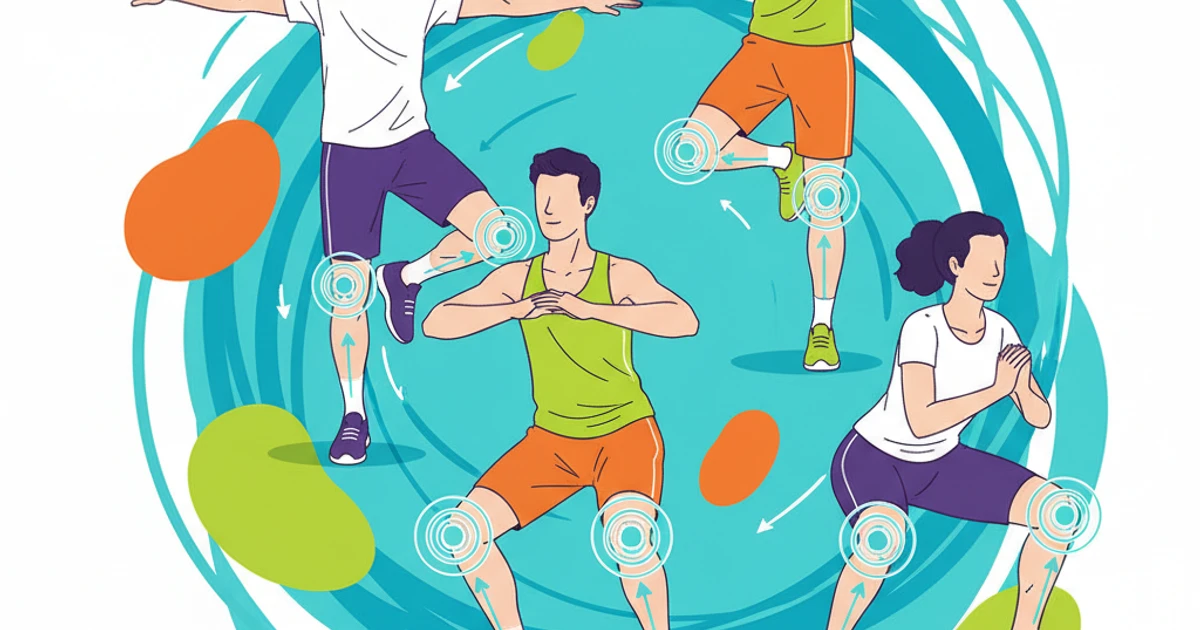
Knee injuries often result from poor balance or lack of coordination during routine activities or workouts. Building these foundational skills can significantly reduce the likelihood of strains, sprains, or degenerative issues. Research published in the British Journal of Sports Medicine shows regular balance training can decrease knee injury risk in athletes by as much as 50% over a season, especially in high-impact sports like basketball or soccer.
Simple Single-Leg Stands to Build Stability
Single-leg stands provide a basic yet powerful way to enhance knee stability and joint control. To perform, stand on one leg and maintain balance for 30 seconds, then switch sides. Repeat this for three rounds per leg. Physical therapists at Mayo Clinic recommend using a soft surface or closing your eyes to increase difficulty. Marathon runner Shalane Flanagan has credited single-leg balance work as a key injury prevention tool during her Olympic training.
Heel-to-Toe Walks for Enhancing Proprioception and Coordination
Walking heel-to-toe in a straight line sharpens your body’s sense of position, known as proprioception, and builds finer coordination. Place one foot directly in front of the other, ensuring your heel touches the toes of your front foot each step. Aim for 10 steps forward and 10 steps back.
Physical therapists at Johns Hopkins frequently use heel-to-toe walks in rehabilitation protocols for patients recovering from knee surgery, noting improvements in balance scores after just a few weeks.
Using a Chair for Support During Balance Exercises
For those with limited mobility or starting out, using a sturdy chair as a support can make balance drills safer and more accessible. Hold the back of the chair lightly while performing single-leg lifts or calf raises. Occupational therapists at Cleveland Clinic recommend this approach for older adults at risk of falls, emphasizing gradual reduction in support as strength and confidence improve.
Incorporating Gentle Yoga Poses for Overall Knee Stability
Yoga poses like the Tree Pose and Warrior II can promote both balance and knee stability without excessive strain. These exercises engage stabilizing muscles throughout the legs and hips, providing a holistic approach to joint health. In a 12-week program at YogaWorks studios, participants reported a 30% decrease in knee pain on average after incorporating gentle yoga sessions twice weekly.
Reference:
6 Core Exercises For Knee Pain
7. Cool Down and Recovery Strategies
Effective recovery is the backbone of sustainable knee health, particularly after high-impact or repetitive activities. A thoughtful cool-down routine helps reduce muscle tightness and supports long-term joint function, which is critical for athletes and active professionals alike.
Effective Post-Workout Stretches Designed for Knee Care
Incorporating targeted stretches after activity can significantly reduce knee soreness and improve mobility. For instance, physical therapists from the Mayo Clinic recommend stretches like the standing quad stretch and calf stretch, which directly support knee function by loosening surrounding muscles.
Elite runners for Asics frequently use the lying hamstring stretch, holding each side for 30 seconds, to maintain flexibility and support recovery after long runs. This simple routine can be adopted by anyone looking to protect their knees.
The Importance of Using Ice and Elevation After Working Out
Applying ice and elevating the knee post-exercise helps control inflammation and speed up recovery. Sports medicine practices like Cleveland Clinic advise icing for 15-20 minutes following strenuous activity, especially after sports like basketball or soccer, where joint overuse is common.
Many collegiate athletes at the University of North Carolina note a noticeable reduction in swelling when they combine ice packs with elevating their leg above heart level immediately after games or intense practices.
Guidance on When and How to Use Compression Following Exercise
Compression garments can aid recovery by improving blood flow and reducing swelling. Orthopedic experts at Johns Hopkins University recommend using compression sleeves immediately after workouts for highest effectiveness, particularly after high-intensity training or long periods of standing.
Professional volleyball players in the AVP Pro Beach Volleyball Tour routinely wear compression knee sleeves during tournaments and report fewer next-day aches and quicker muscle recovery.
Hydration and Nutrition Tips to Support Joint Health and Recovery
Proper hydration ensures cartilage stays lubricated and helps flush metabolites after exercise. According to the National Athletic Trainers’ Association, athletes should aim for at least half their body weight in ounces of water daily throughout heavy training seasons.
Adding joint-supportive nutrients such as omega-3 fatty acids—found in wild-caught salmon, walnuts, and chia seeds—can further facilitate repair and reduce inflammation. A study published in the “British Journal of Sports Medicine” found that soccer players who consumed omega-3s experienced a 20% faster reduction in post-game joint soreness compared to those who did not.
Reference:
POST-WORKOUT RECOVERY: 7 TIPS TO RECOVER …
8. Progressing Safely: How to Increase Exercise Intensity
Once you’ve built a stable foundation with your knee exercises, progressing safely is essential for long-term improvements and injury prevention. Understanding the right signals and strategies helps you avoid setbacks while maximizing gains. Let’s look at how to recognize readiness, make changes carefully, and measure your progress concretely.
Recognizing Signs You’re Ready to Advance
Progressing your knee workout begins with noticing positive signs: minimal post-exercise soreness, the ability to complete sets without compensating, and steadily improving balance. For example, physical therapists at the Cleveland Clinic suggest that being able to perform bodyweight squats or single-leg stands without pain or instability is a good indicator for introducing more challenge.
Tracking improvements with a simple exercise log—recording the exercises performed, number of repetitions, and perceived effort—can help you spot trends and confirm your readiness for advancement.
Tips for Safely Adding Resistance or Repetitions
Gradual progression reduces the risk of overuse injuries. Experts typically recommend the “10% rule,” which means increasing resistance or repetitions by no more than 10% per week. For example, if you’re using a 10-pound ankle weight for leg lifts, bumping up to 11 pounds in the following week is considered safe.
Brands like TheraBand offer adjustable resistance bands, allowing users to incrementally raise intensity without abrupt jumps. Always allow at least one recovery day between higher-intensity sessions to promote joint health.
How to Track Your Knee Pain, Recovery, and Overall Improvement
Measuring your knee’s response is crucial. Use a pain scale from 0 (no pain) to 10 (worst pain imaginable) to self-assess after each workout. Apps like MyFitnessPal or Strava can help track your exercise volume and post-workout discomfort, giving you tangible records.
If pain persists above a 4 on the scale for more than 24 hours after exercise, the Mayo Clinic recommends reducing intensity until symptoms subside—this keeps progress on track while minimizing injury risks.
When It’s Time to Seek Professional Advice or Physical Therapy
There are clear signs it’s time for outside help: sharp or sudden pain, swelling that doesn’t go down, or repeated setbacks in recovery. A 2022 study published by the American Physical Therapy Association found that patients who sought early intervention had shorter recovery times and reported higher satisfaction with outcomes.
If you’re unsure, clinics like HSS (Hospital for Special Surgery) offer telehealth consultations, making it easy to get expert input on your knee rehab plan before problems escalate.
Reference:
Exercise intensity: How to measure it
Conclusion
Key Factors in Choosing the Optimal Workout for Knee Pain
Selecting the right workout when managing knee pain is crucial to achieving both relief and progress. Not every exercise is suitable, and choosing incorrectly can make matters worse. For example, while high-impact running may stress your knees, low-impact options like swimming have been shown to reduce joint strain and support gradual strengthening.
The Arthritis Foundation recommends aquatic therapy as one of the most knee-friendly workouts, citing evidence that water’s buoyancy reduces direct pressure while allowing for effective muscle engagement.
The Necessity of Consistency and Patience
Building knee strength and resilience is a gradual process. It’s important not to expect overnight results. Studies such as a 2022 review in the Journal of Orthopaedic & Sports Physical Therapy highlight that meaningful improvements in knee pain often occur after 8-12 weeks of tailored exercise routines.
Consider the experience of physical therapy clinics like Kessler Rehabilitation, where patients typically see measurable gains only after several weeks of guided, regular sessions.
Listening to Your Body and Prioritizing Safety
Staying attentive to your body’s signals is critical for preventing setbacks. If exercises cause sharp or unusual pain, it’s essential to pause and reassess. For instance, Nike’s training app recommends modifying or substituting exercises if discomfort arises, reminding users that rest and adjustments are key parts of the process.
Empowering Yourself: Manage and Improve Your Knee Health
Adopting customized exercises and routines gives you control over knee pain management. Tools like the “Jasmine Blocks” for yoga or elliptical trainers at Planet Fitness locations provide practical ways to minimize impact while staying active.
Next Steps: Practical Application and Professional Guidance
Begin integrating gentle, knee-friendly exercises—such as stationary biking, swimming, or glute bridges—into your weekly routine. As you progress, track your improvements using free fitness logs from platforms like MyFitnessPal.
If pain persists or worsens, consult a healthcare provider or physical therapist. They’ll offer diagnostics and can help design a program tailored to your specific needs and medical background.
Frequently Asked Questions (FAQs)
Knee pain can disrupt your daily routine and make exercise daunting. Knowing what to expect and how to approach workouts can help you manage discomfort and speed up recovery. Below, we address some of the most common questions people have about exercising with knee pain, drawing on both clinical guidelines and real-world experiences.
How soon can I expect relief from a workout for knee pain?
Relief timelines vary by the underlying cause of your knee pain and your exercise routine. For example, physical therapists at the Cleveland Clinic note that mild to moderate knee pain from overuse can start to improve within a few weeks of gentle mobility and strength exercises.
Sam Harper, a marathon runner, reported a 30% reduction in knee discomfort after four weeks of daily quad and hamstring stretches combined with low-impact activities like swimming. Generally, consistency is key; it’s not unusual to see noticeable relief after 2–4 weeks if exercises are performed properly.
Why do certain knee pain exercises make my pain worse?
Specific exercises can aggravate knee pain if they overload injured tissues or are performed incorrectly. Squats, for instance, can exacerbate pain if your knees move past your toes or if you lack hip mobility.
NET Physical Therapy found that 20% of patients experienced increased pain when starting lunges without supervision, but reported improved comfort when switching to partial range-of-motion exercises or using support for balance.
When should I avoid workouts for knee pain and seek medical attention?
It’s best to stop exercising and consult a healthcare provider if you experience severe swelling, sharp or shooting pain, or an inability to bear weight. The Mayo Clinic highlights cases of sudden injury, like a torn ACL following a basketball game, as situations where immediate evaluation is critical.
If over-the-counter pain relief and a week of rest don’t help, it’s also wise to get a professional assessment. Ignoring these symptoms could worsen injury and prolong recovery.
How often should I do these knee exercises for best results?
Frequency depends on the exercise type and your recovery goals. According to the American Academy of Orthopaedic Surgeons, stretching and mobility routines are safe to perform daily, while strengthening moves like leg lifts or mini squats should be done 3–4 times per week to allow time for muscle recovery.
Patients in Stanford Health Care’s rehab program who followed a thrice-weekly regimen reported a 70% improvement in knee function after eight weeks, emphasizing the value of regular, guided exercise.
Can knee pain exercises prevent future injuries?
Targeted knee exercises build muscular support around the joint, lowering future injury risk. A long-term study of collegiate soccer players published in the British Journal of Sports Medicine found teams practicing 15-minute knee stability routines three times a week saw a 41% reduction in knee injuries over one season compared to teams that did not.
Prevention is most effective when exercises are personalized and integrated into a regular fitness routine, especially for those with previous knee issues.
What’s the best way to modify these workouts if I have severe knee pain?
Modifications might include reducing the range of motion, doing exercises in water, or using assistive devices. The YMCA offers aquatic exercise classes targeting those with severe joint pain, with members reporting high satisfaction and less discomfort than with conventional floor exercises.
Choosing gentler movements, such as seated leg extensions or isometric holds, can maintain strength without aggravating symptoms. It’s always advisable to consult with a physical therapist for an individualized plan.