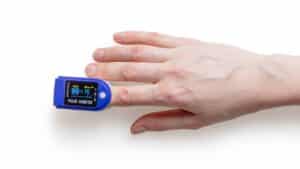
High blood pressure, or hypertension, is a chronic medical condition characterized by elevated pressure in the arteries, which can lead to serious health complications if left unmanaged. Blood pressure is measured in millimeters of mercury (mmHg) and is expressed with two numbers: systolic pressure (the pressure in the arteries when the heart beats) over diastolic pressure (the pressure in the arteries when the heart rests between beats). A normal reading is typically around 120/80 mmHg, while hypertension is generally defined as having a reading of 130/80 mmHg or higher.
The condition can be classified into different stages, with Stage 1 hypertension ranging from 130-139 systolic or 80-89 diastolic, and Stage 2 hypertension being 140/90 mmHg or higher. The prevalence of high blood pressure is alarming, affecting nearly one in three adults in the United States alone. It is often referred to as a “silent killer” because it usually presents no symptoms until significant damage has occurred.
Chronic hypertension can lead to severe health issues such as heart disease, stroke, kidney failure, and vision loss. Understanding the risk factors associated with high blood pressure is crucial for prevention and management. These factors include age, family history, obesity, sedentary lifestyle, high sodium intake, and excessive alcohol consumption.
By recognizing these risks, individuals can take proactive steps to mitigate their chances of developing hypertension.
Key Takeaways
- High blood pressure is a common condition that can lead to serious health issues if left untreated.
- Lifestyle changes, including regular exercise and dietary adjustments, can help manage high blood pressure.
- Regular monitoring of blood pressure at home is important for tracking progress and making necessary adjustments.
- Medication adherence and management, as well as limiting alcohol and caffeine intake, are crucial for controlling high blood pressure.
- Seeking support and resources, and regular doctor visits, are essential for effectively managing high blood pressure, especially in specific populations such as seniors and pregnant women.
Lifestyle Changes for Managing High Blood Pressure
Dietary Changes
One of the primary lifestyle modifications involves adopting a balanced diet rich in fruits, vegetables, whole grains, and lean proteins while minimizing processed foods high in sodium and unhealthy fats. The DASH (Dietary Approaches to Stop Hypertension) diet is specifically designed to combat high blood pressure and emphasizes nutrient-dense foods that are low in salt.
Obesity is a significant risk factor for hypertension, as excess body weight can increase the strain on the heart and blood vessels. Even modest weight loss—around 5-10% of body weight—can lead to meaningful reductions in blood pressure.
Incorporating Physical Activity
Incorporating regular physical activity into daily routines can also aid in weight management and improve cardiovascular health. Simple changes such as taking the stairs instead of the elevator or engaging in active hobbies can contribute to a more active lifestyle.
Importance of Regular Exercise

Regular exercise plays a pivotal role in managing high blood pressure and improving overall cardiovascular health. Engaging in physical activity helps strengthen the heart muscle, allowing it to pump blood more efficiently throughout the body. This efficiency reduces the force exerted on artery walls, leading to lower blood pressure readings.
The American Heart Association recommends at least 150 minutes of moderate-intensity aerobic exercise per week or 75 minutes of vigorous-intensity exercise for optimal heart health. Incorporating a variety of exercises can enhance adherence to a fitness routine. Aerobic activities such as walking, jogging, cycling, and swimming are particularly beneficial for lowering blood pressure.
Additionally, strength training exercises can also contribute to cardiovascular health by improving muscle tone and metabolism. It is essential to find enjoyable activities that encourage consistency; this could include group classes, sports, or outdoor activities that promote both physical fitness and social interaction.
Dietary Recommendations for Lowering Blood Pressure
| Recommendation | Details |
|---|---|
| Reduce Sodium Intake | Aim for less than 2,300 milligrams of sodium per day |
| Increase Potassium Intake | Consume more potassium-rich foods such as fruits, vegetables, and legumes |
| Limit Alcohol Consumption | Men should limit to 2 drinks per day, and women to 1 drink per day |
| Follow DASH Diet | Emphasize fruits, vegetables, whole grains, and lean proteins while reducing saturated fat and cholesterol |
Dietary choices have a profound impact on blood pressure levels. The DASH diet serves as a cornerstone for dietary recommendations aimed at lowering hypertension. This diet emphasizes whole foods that are rich in potassium, magnesium, and fiber while being low in sodium.
Foods such as leafy greens, berries, bananas, beans, nuts, and fish are staples of this approach. Potassium-rich foods help counteract the effects of sodium and can help relax blood vessel walls, further aiding in blood pressure reduction. Reducing sodium intake is another critical aspect of dietary management for hypertension.
The American Heart Association recommends limiting sodium consumption to no more than 2,300 mg per day, with an ideal limit of 1,500 mg for those with high blood pressure. This can be achieved by avoiding processed foods, which often contain hidden salts, and opting for fresh ingredients whenever possible. Reading food labels carefully and choosing low-sodium options can also make a significant difference in daily sodium intake.
Stress Management Techniques
Chronic stress is often overlooked as a contributing factor to high blood pressure. When individuals experience stress, their bodies release hormones such as adrenaline and cortisol that temporarily increase heart rate and constrict blood vessels, leading to elevated blood pressure levels. Therefore, implementing effective stress management techniques is essential for those looking to control their hypertension.
Mindfulness practices such as meditation and deep-breathing exercises can help reduce stress levels significantly. These techniques promote relaxation and can lower heart rate and blood pressure over time. Additionally, engaging in hobbies or activities that bring joy—such as gardening, painting, or reading—can serve as effective outlets for stress relief.
Social support also plays a vital role; spending time with friends and family can provide emotional comfort and reduce feelings of isolation that may exacerbate stress.
Monitoring Blood Pressure at Home
Regular monitoring of blood pressure at home is an essential component of managing hypertension effectively. Home monitoring allows individuals to track their blood pressure readings over time and identify patterns that may require attention from healthcare providers. It also empowers patients by providing them with real-time data about their condition, fostering a sense of control over their health.
To monitor blood pressure accurately at home, it is crucial to use a validated digital blood pressure monitor. Patients should follow specific guidelines for measuring their blood pressure: sitting quietly for five minutes before taking a reading, using the correct cuff size, and taking multiple readings at different times of the day to obtain an average reading.
Medication Adherence and Management
For many individuals with high blood pressure, lifestyle changes alone may not be sufficient to achieve target blood pressure levels. In such cases, healthcare providers may prescribe antihypertensive medications to help manage the condition effectively. Adherence to prescribed medication regimens is critical; studies have shown that non-adherence can lead to poor control of hypertension and increased risk of cardiovascular events.
Patients should engage in open communication with their healthcare providers regarding any concerns about medications, including side effects or difficulties with adherence. It is essential to understand the purpose of each medication and how it contributes to overall treatment goals. Some patients may benefit from combination therapy—using two or more medications from different classes—to achieve better control over their blood pressure while minimizing side effects.
Limiting Alcohol and Caffeine Intake
Alcohol consumption has been linked to elevated blood pressure levels; excessive drinking can lead to hypertension over time. The American Heart Association recommends limiting alcohol intake to moderate levels—defined as up to one drink per day for women and up to two drinks per day for men. Reducing alcohol consumption not only helps lower blood pressure but also contributes to overall health improvements.
Caffeine’s impact on blood pressure remains a topic of debate among researchers; however, some studies suggest that high caffeine intake may cause temporary spikes in blood pressure in certain individuals. Those who are sensitive to caffeine or have existing hypertension may benefit from moderating their caffeine consumption by limiting coffee, tea, energy drinks, and certain sodas. Monitoring individual responses to caffeine can help determine an appropriate level of intake.
Importance of Regular Doctor Visits
Regular check-ups with healthcare providers are vital for managing high blood pressure effectively. These visits allow for ongoing assessment of blood pressure levels and provide opportunities for healthcare professionals to evaluate treatment efficacy and make necessary adjustments. Regular monitoring also enables early detection of any complications related to hypertension.
During these appointments, patients should come prepared with questions about their treatment plan and any concerns they may have regarding their health. It is essential to discuss lifestyle changes being implemented and any challenges faced in adhering to medication regimens or dietary recommendations. Building a strong partnership with healthcare providers fosters better communication and encourages patients to take an active role in managing their condition.
Managing high blood pressure requires tailored approaches for specific populations due to varying physiological responses and unique health considerations. For seniors, age-related changes in vascular health may necessitate different treatment strategies compared to younger adults. Older adults often have multiple comorbidities that complicate hypertension management; therefore, healthcare providers must consider individual health profiles when prescribing medications or recommending lifestyle changes.
Pregnant women present another unique challenge in managing high blood pressure due to potential risks associated with both maternal health and fetal development. Conditions such as gestational hypertension or preeclampsia require careful monitoring and management strategies that prioritize both mother and baby’s well-being. Pregnant women should work closely with their obstetricians or healthcare providers to develop safe treatment plans that address their specific needs while minimizing risks.
Seeking Support and Resources for Managing High Blood Pressure
Managing high blood pressure can be challenging; however, seeking support from various resources can significantly enhance an individual’s ability to cope with the condition effectively. Support groups—whether in-person or online—provide opportunities for individuals living with hypertension to share experiences, exchange tips on lifestyle changes, and offer encouragement during difficult times. Additionally, educational resources such as workshops or seminars on hypertension management can empower individuals with knowledge about their condition.
Many organizations offer materials on dietary recommendations, exercise programs tailored for those with high blood pressure, and stress management techniques that can be beneficial for patients seeking comprehensive care strategies. Engaging with these resources fosters a sense of community while equipping individuals with tools necessary for successful management of their hypertension journey.
If you are looking for more information on managing high blood pressure, you may also be interested in learning about Vyvgart. This medication is commonly used to treat hypertension and understanding how it is administered can be crucial for its effectiveness. To learn more about Vyvgart and its administration, check out this informative article on Understanding Vyvgart: How is Vyvgart Administered? Additionally, if you are interested in other health conditions, you can also read about rosacea and erysipelas on Life Medical Lab’s website.
FAQs
What is high blood pressure?
High blood pressure, also known as hypertension, is a condition where the force of blood against the walls of the arteries is consistently too high. This can lead to serious health problems such as heart disease, stroke, and kidney disease.
What are the symptoms of high blood pressure?
High blood pressure is often referred to as a “silent killer” because it typically has no symptoms. Many people with high blood pressure are unaware of their condition until they experience a health crisis.
How is high blood pressure diagnosed?
High blood pressure is diagnosed through a simple and painless test called a blood pressure measurement. This involves using a cuff wrapped around the upper arm to measure the pressure of blood against the artery walls.
What lifestyle changes can help lower high blood pressure?
Lifestyle changes such as maintaining a healthy weight, exercising regularly, reducing sodium intake, limiting alcohol consumption, and managing stress can help lower high blood pressure.
What medications are used to treat high blood pressure?
There are several types of medications used to treat high blood pressure, including diuretics, ACE inhibitors, angiotensin II receptor blockers, beta blockers, and calcium channel blockers. The choice of medication depends on the individual’s specific health needs.
What are the potential complications of untreated high blood pressure?
Untreated high blood pressure can lead to serious health complications such as heart attack, stroke, heart failure, kidney failure, and vision loss. It is important to manage high blood pressure to reduce the risk of these complications.