

Ever blown your nose and wondered about that yellow color? Many people worry when they see yellow snot. But, the truth about mucus color is quite interesting. Your body makes about a quart of mucus every day, and its color tells a story about what’s happening inside you.
When you notice yellow snot, it means your immune system is working hard. The yellow color comes from white blood cells fighting germs in your nose. These cells protect you from viruses and bacteria, and when they die, they turn your mucus yellow.
Yellow snot doesn’t always mean you need to see a doctor. It can happen at the end of a cold or during allergy season. The reasons for yellow phlegm include simple infections and environmental irritants. What’s important is how long the yellow color lasts and any other symptoms you have.
Key Takeaways
- Yellow mucus shows your immune system actively fighting infection through white blood cells
- The color alone doesn’t determine if you have a serious illness
- Most cases of yellow snot come from common colds or mild infections
- Duration and accompanying symptoms matter more than mucus color
- Seasonal allergies can trigger yellow nasal discharge without infection
- Your body naturally produces about four cups of mucus daily
Understanding Mucus: The Basics of Snot
Mucus is key to keeping your body healthy. It changes color or texture, but it’s always working for you. This clear, slippery stuff is made of water, proteins, and antibodies. They protect your respiratory system.
Your body makes mucus all the time. It’s found in your nasal passages, lungs, throat, stomach, and intestines.
What is Mucus?
Mucus is a thin, gel-like substance. It’s always being made by your mucous membranes. When it comes from your nose, we call it snot. In your lungs, it’s called phlegm.
This protective coating traps harmful particles. It keeps them from entering your body.
The look and feel of mucus can tell you a lot. Clear mucus means everything is normal. But yellow mucus might mean your body is fighting an infection or irritation.
The Role of Mucus in the Body
Your body uses mucus as a defense against threats. It:
- Traps dust, pollen, and bacteria before they reach your lungs
- Keeps nasal tissues moist and prevents them from drying out
- Contains antibodies that neutralize harmful viruses
- Helps identify early signs of sinus infections
Rhinitis causes swelling in your nasal membranes. This leads to more mucus production. It’s a natural way to flush out irritants but can cause congestion and drainage.
The Color Spectrum of Snot: What Does It Mean?
Your mucus color tells a story about what’s happening inside your body. Clear snot usually means you’re healthy. But yellow snot when sick often signals that your immune system is actively fighting an infection. Understanding these color changes helps you recognize when your body needs extra care.
Clear, White, Yellow, and Green: What They Indicate
Each mucus color provides clues about your health status. Clear mucus typically flows when you’re healthy or dealing with allergies from pollen, pet dander, or dust mites. White mucus appears when congestion causes your nasal passages to lose water content, making the mucus thick and cloudy.
Yellow boogers mean your immune system has kicked into gear, which is a good sign. The yellow tint comes from white blood cells that have finished fighting germs and are being expelled from your body. Green mucus takes this process further, showing your immune system working overtime against infection, with the color coming from dead white blood cells and waste products.
| Mucus Color | Common Causes | What It Means |
|---|---|---|
| Clear | Normal health, allergies | Healthy nasal function |
| White | Congestion, dehydration | Thickened mucus |
| Yellow | Early infection stage | Immune response active |
| Green | Advanced infection | Strong immune fight |
When to Worry About Mucus Color
Most color changes are normal immune responses. Yellow snot when sick for a few days isn’t alarming. But watch for brown mucus from old blood or inhaled particles, black mucus in smokers or those exposed to pollution, or pink and red tinges indicating blood from irritation or excessive nose blowing.
Common Causes of Yellow Snot
Yellow nasal discharge happens when your body fights off irritants or infections. White blood cells rush to the area and release enzymes. This gives mucus its yellowish tint. Knowing what triggers this helps you find the cause of your symptoms.
Infections: Viral vs. Bacterial
Most cases of sinus congestion yellow mucus come from upper respiratory infections. The common cold, caused by rhinoviruses, turns mucus yellow after 1-3 days. Your body makes more mucus to trap and flush out these invaders.
Bacterial infections happen when mucus stays in your sinuses for too long. Bacteria like Streptococcus pneumoniae and Haemophilus influenzae grow in this mucus, making it more yellow. Viral infections usually go away in 7-10 days, but bacterial ones might need antibiotics.
Allergies and Sinus Issues
Seasonal allergies from pollen or pet dander cause inflammation in your nasal passages. This swelling blocks normal drainage, leading to chronic yellow mucus buildup. Problems like deviated septums or nasal polyps also cause blockages.
Environmental Factors
Indoor air quality greatly affects mucus production. Cigarette smoke, dust, and chemical fumes irritate your nasal membranes. Dry winter air from heating systems dries out protective mucus layers, causing your body to make thicker secretions. Using a humidifier keeps moisture levels between 30-50%.
Sinus Infections: A Deeper Look
Ever wonder why your snot is yellow? Often, it’s because of a sinus infection. Sinusitis happens when the air-filled spaces behind your nose, forehead, and cheeks get inflamed and blocked. This blockage lets bacteria grow, turning clear mucus into thick yellow discharge.
Symptoms of Sinus Infections
Sinus infection symptoms aren’t just yellow nasal discharge. You might feel pressure in your face, like someone’s pressing on your cheeks and forehead. This pain gets worse when you bend forward or lie down. Many people also get a throbbing headache around their eyes and temples.
- Fever lasting 3-4 days
- Fatigue and feeling run down
- Post-nasal drip causing throat irritation
- Reduced sense of smell and taste
- Bad breath from infected mucus
- Tooth pain in upper molars
How Sinusitis Causes Yellow Mucus
The yellow color comes from white blood cells fighting infection in your sinuses. As these cells battle bacteria, they release enzymes with iron. The longer mucus stays trapped in blocked sinuses, the thicker and more colored it becomes.
Acute sinusitis lasts less than four weeks, while chronic cases go on for twelve weeks or longer. If your cold symptoms last more than ten days with worsening yellow discharge, facial pain, and fever, you might have bacterial sinusitis.
Allergies and Sinusitis: The Connection
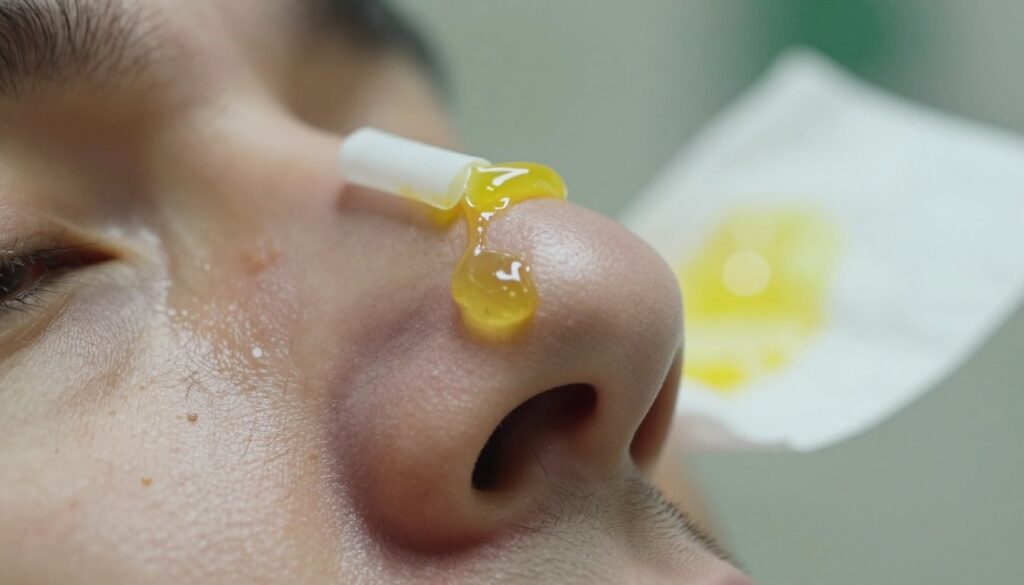
Allergies can change your nasal passages, leading to yellow discharge. This connection is key to understanding why your nose might turn yellow. It’s important to know why this happens.
How Allergies Trigger Mucus Production
Allergic rhinitis, or hay fever, happens when your body sees harmless things like pollen as threats. This makes your nasal passages inflamed.
Your body then makes clear mucus to catch and remove these allergens. Sometimes, pollen in this mucus can change its color. This inflammation weakens your defenses, making you more likely to get infections.
These infections often cause yellow phlegm. White blood cells fight off bacteria in your weakened state.
Treating Allergic Rhinitis
To stop yellow nasal discharge, you need to tackle allergies head-on. Start by finding and avoiding your triggers through tests. Antihistamines like Zyrtec or Claritin can stop the allergic reaction early.
Nasal sprays like Flonase reduce inflammation in your nose. Saline rinses help remove allergens and thin mucus. For severe cases, allergy shots can help your body get used to specific allergens over time.
Home Remedies for Yellow Snot
Simple home treatments can help a lot when you have yellow mucus. These natural methods make mucus thinner, ease congestion, and help your body heal. You don’t need to go to the pharmacy for these.
Hydration and Steam Inhalation
Drinking water is key to managing yellow snot. Try to drink at least eight glasses a day. This keeps mucus thin and easy to get rid of. Warm liquids like herbal tea or chicken soup are great too.
Steam inhalation is quick to loosen thick mucus. Just fill a bowl with hot water, cover your head with a towel, and breathe deeply for 5-10 minutes. Adding eucalyptus or peppermint oil makes it even better.
Cool-mist humidifiers also help by adding moisture to the air. This keeps your nasal passages from getting irritated.
Saline Nasal Rinses
Salt water rinses can naturally clear out irritants and yellow mucus. Mix one teaspoon of salt with two cups of warm water. Use a neti pot or squeeze bottle to gently rinse each nostril while leaning over a sink.
For babies and young kids who can’t blow their nose, use saline drops and a bulb syringe. This safely removes yellow snot without hurting them. Regular saline rinses also keep nasal passages moist, preventing infections.
Over-the-Counter Treatments
Many people look for relief on pharmacy shelves when they have sinus congestion with yellow mucus. Over-the-counter medications can offer temporary relief from nasal congestion. They also help reduce the discomfort of yellow boogers, which means your body is fighting an infection. It’s key to know which medications are best and when to use them safely.
Decongestants and Antihistamines
Decongestants like pseudoephedrine can shrink swollen nasal passages and cut down on mucus. Recent FDA studies found that phenylephrine, a common oral decongestant, doesn’t work as well as thought. This makes nasal spray decongestants or pseudoephedrine-based products better for treating sinus congestion with yellow mucus.
Antihistamines block the body’s allergic response. Popular choices include cetirizine (Zyrtec), loratadine (Claritin), and diphenhydramine (Benadryl). These are great when yellow boogers mean allergies are causing too much mucus. Antihistamines are best for allergy symptoms, not cold viruses.
When to Use Cough Syrups
Cough syrups with guaifenesin can make mucus thinner, making it easier to clear from your sinuses and throat. The FDA advises against giving cold medicines to kids under two because of serious risks.
Most viral infections causing yellow mucus get better in 5-10 days without antibiotics. Symptoms usually get worse between days 3-5. Use cough suppressants only at night if they disrupt your sleep. This is because coughing helps clear mucus from your airways.
When to See a Doctor
Asking “why is my snot yellow” might seem simple. But, some symptoms need a doctor’s check-up. Your body signals when it’s time for medical help. Knowing these signs is key to getting the right care and avoiding problems.
Signs You Should Seek Medical Attention
Seeing yellow mucus for over 10 days means it’s time to see a doctor. This usually means a bacterial infection that needs antibiotics. Fever over 103°F with facial pain or pressure points to a serious sinus infection that needs quick attention.
- Persistent facial swelling or severe headaches
- Loss of smell lasting several days
- Difficulty breathing through your nose
- Blood in nasal discharge after injury
- Multiple sinus infections within one year
If an infant’s congestion stops them from feeding, call the pediatrician. Babies can’t breathe through their mouths while eating, making nasal blockage very dangerous.
Diagnostic Tests for Persistent Symptoms
Doctors use different ways to find out why you have chronic yellow mucus. A nasal endoscopy lets them see inside your sinuses. CT scans show structural issues or blockages. Allergy tests find out what makes your mucus production go up.
Culture tests check if bacteria are causing your symptoms. This helps doctors choose the right antibiotic. Blood tests look for immune system issues in people with recurring infections.
Chronic Conditions Related to Yellow Snot
Some people have chronic yellow mucus that lasts for months or even years. These ongoing conditions are more than just colds and need medical care. Knowing about these health issues helps you see when you need special help.
Long-term Sinusitis
Millions of Americans suffer from chronic sinusitis, lasting 12 weeks or longer. Symptoms include facial pressure, headaches, and thick yellow discharge. The mucus from blocked sinuses is perfect for bacteria to grow.
| Type | Key Features | Treatment Needed |
|---|---|---|
| Mycetoma | Fungal ball in sinuses | Surgical removal |
| Allergic Fungal | Thick, sticky mucus | Surgery plus medication |
| Chronic Indolent | Slow progression, facial swelling | Antifungal therapy |
| Fulminant | Tissue damage, bone erosion | Emergency treatment |
Cystic Fibrosis and Other Health Issues
Cystic fibrosis makes extremely thick mucus that blocks airways and sinuses. Patients often have chronic yellow mucus because their bodies can’t clear secretions. Structural problems like deviated septums or nasal polyps trap mucus, causing recurring sinus infection symptoms.
People with weakened immune systems are at higher risk of fungal infections. These infections cause persistent yellow discharge.
Preventative Measures Against Yellow Snot

Preventing yellow nasal discharge can save you from discomfort and infections. Simple habits and changes in your environment can help. Keeping your nasal passages clean, avoiding irritants, and managing allergies are key.
Maintaining Nasal Hygiene
Regular care of your nose is important. Saline rinses remove irritants and mucus. Use a neti pot or squeeze bottle with distilled water and salt twice a day.
Air purifiers in your home can help. They trap particles that irritate your nose. HEPA filters catch pollen, dust mites, and pet dander. Wearing masks in polluted areas also helps.
Allergens to Avoid
Knowing and avoiding triggers can help. Common allergens include:
| Indoor Allergens | Outdoor Allergens | Chemical Irritants |
|---|---|---|
| Dust mites | Tree pollen | Cigarette smoke |
| Pet dander | Grass pollen | Cleaning products |
| Mold spores | Ragweed | Perfumes |
| Cockroach droppings | Fungal spores | Paint fumes |
Managing allergies early can prevent yellow nasal discharge. Antihistamines or nasal sprays can help. Immunotherapy shots can also reduce sensitivity to allergens.
Getting medical help for issues like deviated septums or nasal polyps can improve airflow. This reduces mucus buildup.
The Impact of Diet on Mucus Color
What you eat and drink affects your nasal mucus. Your diet is key in managing yellow snot and fighting infections. Knowing this helps you choose the right foods when you’re sick.
Foods That Can Affect Mucus Production
Some foods can make mucus thicker or thinner. Dairy products like milk and cheese can thicken yellow mucus. On the other hand, spicy foods like chili peppers can thin it out.
Anti-inflammatory foods help your body fight off illness:
- Ginger and turmeric reduce inflammation in nasal passages
- Citrus fruits provide vitamin C for immune support
- Garlic contains natural antimicrobial properties
- Warm broths and soups provide hydration and nutrients
Staying Hydrated for Healthy Mucus
Drinking enough water is vital for healthy mucus. Aim for 8-10 glasses a day to keep mucus thin. Not drinking enough can make mucus thick and hard to clear.
Warm drinks are great for thinning mucus. Herbal teas and warm water with lemon help. They also provide hydration and steam to help clear your nose.
The Role of Humidity and Environment
Your home’s air quality is key to your nose’s health. Dry air makes it hard for your body to make healthy mucus. Looking at your surroundings can help you understand why your mucus might be yellow.
How Dry Air Affects Mucus
Dry air irritates your nose and changes mucus. If humidity is below 30%, your nose can’t keep up. This makes mucus thick and hard to clear, leading to yellow mucus.
Environmental pollutants make things worse. Smoke can turn mucus gray or black. Pollution does the same. Together, they create a bad environment for your nose.
Utilizing Humidifiers Effectively
Moist air helps prevent thick, yellow mucus. Cool-mist humidifiers are best for easing congestion. They reduce swelling and make breathing easier. Warm-mist humidifiers might make things worse by swelling your nose.
For the best results:
- Keep humidity between 40-60%
- Clean humidifiers weekly to prevent mold
- Use distilled water to avoid mineral buildup
- Place units in bedrooms for nighttime relief
Right humidity levels keep mucus healthy and help clear irritants. This simple change can cut down on yellow mucus and boost your nose’s health.
Natural Remedies: Beyond Home Treatments
Natural remedies can help with chronic yellow mucus without harsh chemicals. They work with your body’s healing to ease discomfort and clear congestion. Many find the best results by using natural treatments and medical care together.
Herbal Teas and Their Benefits
Warm herbal teas can soothe when you’re wondering why your snot is yellow. The steam from hot tea loosens thick mucus. Certain herbs also have anti-inflammatory effects.
Chamomile tea reduces nasal inflammation. Ginger tea fights infection with antibacterial properties. Peppermint tea opens airways and thins mucus for easier breathing.
| Herbal Tea | Primary Benefit | Best Time to Drink |
|---|---|---|
| Chamomile | Reduces inflammation | Evening |
| Ginger | Fights bacteria | Morning |
| Peppermint | Opens airways | Afternoon |
| Elderflower | Dries excess mucus | Throughout day |
Essential Oils for Mucus Relief
Essential oils offer strong relief through steam inhalation. Eucalyptus oil breaks down yellow mucus naturally. Tea tree oil fights bacterial infections that cause yellow discharge.
Add 3-4 drops to hot water, cover your head with a towel, and breathe deeply for 5-10 minutes. Lavender oil mixed with coconut oil can be rubbed on the chest for overnight relief. Always dilute essential oils properly before use to prevent skin irritation.
Understanding Your Body’s Signals
Your body talks to you in many ways. Paying attention to these signs can help you understand what’s going on inside. Yellow nasal discharge is a clue, but it’s not the only one. You need to look at all your symptoms to get the full picture.
Listening to Your Symptoms
Your body sends messages through different symptoms. Yellow nasal discharge might come with other signs that point to the cause. Look out for these important signs:
- Facial pressure or pain around your nose and eyes
- Headaches that worsen when bending forward
- Fever lasting more than three days
- Thick discharge that doesn’t improve after a week
- Loss of smell or taste
Colored mucus can mean your body is fighting off allergens or irritants, not just infections. Viral infections usually clear up in 7-10 days. But bacterial infections might last longer and need medical help.
Keeping Track of Mucus Changes
Keeping a daily log of your mucus changes can help you spot patterns. Note the consistency, amount, and any other symptoms. Include the time of day, what might have triggered it, and how it changes with rest or activity. This info is key when talking to doctors about yellow nasal discharge.
Conclusion: Taking Control of Your Health
Yellow snot when sick means your body is fighting hard against infection. White blood cells turn your mucus yellow or green as they fight germs. Viral infections, allergies, and sinus problems are the main causes of yellow phlegm.
Recap of Key Points
Most yellow mucus comes from common colds or allergies, not serious infections. Drinking water, using saline rinses, and breathing in steam can help. Dry air and allergens like pollen or dust can also cause excess mucus.
The color of your snot can tell you what’s happening in your body. But it doesn’t always mean you need antibiotics.
Encouragement for Seeking Help When Needed
While many yellow phlegm cases get better on their own, some need medical help. See a doctor if symptoms last more than 10 days or if you have fever, facial pain, or bloody mucus. ENT specialists at places like Mayo Clinic or Cleveland Clinic can help with chronic sinus problems.
If you have yellow snot that doesn’t get better with over-the-counter meds, get checked out. Trust your instincts about your health and seek help when something feels off.


