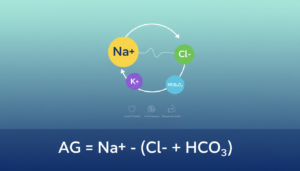
About 95 percent of carbon dioxide in human serum is bicarbonate. This makes it a key part of clinical chemistry panels. The CO2 blood test measures this form, not the gas itself.
Bicarbonate is a vital electrolyte that keeps the body balanced. It helps get rid of carbon dioxide, a byproduct of energy making. The blood carries it to the lungs for breathing out.
Labs check bicarbonate levels in millimoles per liter (mmol/L) for metabolic tests. The carbon dioxide blood test helps doctors understand acid-base balance and organ function.
Changes in bicarbonate levels can show problems with the kidneys, liver, stomach, or metabolism. Doctors use these tests to check on patients but don’t give treatment plans yet.
Key Takeaways
- Bicarbonate is the main form of CO2 in serum, making up about 95 percent of total carbon dioxide.
- The bicarbonate test measures an electrolyte key for acid-base balance and hydration.
- Laboratory measurement shows bicarbonate in millimoles per liter (mmol/L) of fluid.
- Unusual levels might mean issues with the kidneys, liver, stomach, or metabolism.
- This test is a standard part of detailed metabolic panels in medical practice.
Introduction to Bicarbonate (CO2) in Blood Tests
Clinical labs check bicarbonate levels often. This helps them understand the body’s chemical balance and how it works. Doctors use this test to see how well a person is doing.
Most of the carbon dioxide in our blood is in the form of bicarbonate, not gas. Our bodies make carbon dioxide as we go about our daily activities. Knowing the difference between gas and bicarbonate is key to understanding lab results.
Biochemical Properties and Measurement
Bicarbonate is the main form of carbon dioxide in our blood. It has a negative charge, making it an electrolyte. Its chemical formula is HCO3-.
This charged molecule plays a big role in our body’s functions. Labs call it different names based on how they measure it and the situation.
The following table shows the names used in labs:
| Official Terminology | Common Abbreviation | Clinical Context |
|---|---|---|
| Bicarbonate Test | HCO3– | Standard electrolyte measurement |
| Total Carbon Dioxide | TCO2 | Comprehensive metabolic panel component |
| Carbon Dioxide Test | CO2 Test | Serum chemistry evaluation |
| Serum Bicarbonate | CO2 – Serum | Blood chemistry analysis |
Labs usually report this as total CO2 or TCO2. This measures about 95 percent of the carbon dioxide in our blood as bicarbonate. The rest is dissolved carbon dioxide gas and carbonic acid.
Clinical Significance in Laboratory Medicine
Bicarbonate tests are very important in medical checks. They are part of the electrolyte panel and metabolic panels. Doctors use them to check how different parts of the body are working.
Bicarbonate helps keep the body’s pH balance right. It helps deal with too much acid or base in our fluids. This keeps our tissues safe from harmful pH changes.
Looking at bicarbonate levels helps doctors see how well our kidneys are working. The kidneys help keep the acid-base balance right. If bicarbonate levels are off, it might mean kidney problems or other issues.
Our lungs also affect bicarbonate levels in our blood. They help get rid of carbon dioxide. Changes in breathing or lung function can change bicarbonate levels.
Bicarbonate tests are also used to check how well our metabolism is working. Changes in bicarbonate levels can show problems with metabolism. The electrolyte panel helps doctors understand this by looking at bicarbonate and other electrolytes together.
Doctors often do bicarbonate tests during check-ups, before surgery, or when someone is sick. The test is simple and uses blood from a vein. Results are usually ready in a few hours.
Understanding Blood Acid-Base Balance
Blood acid-base balance is very important for our bodies. It must stay between 7.35 and 7.45 for our cells to work right. If it doesn’t, it could mean we have health issues.
Electrolytes help keep acids and bases in balance. The lungs and kidneys work together to keep blood pH right. If one system finds an imbalance, it tries to fix it.
Bicarbonate’s Function in Maintaining Proper pH
Bicarbonate is key in keeping blood pH balanced. It works by neutralizing acids from our metabolism. The Henderson-Hasselbalch equation shows how bicarbonate and carbonic acid affect pH.
Bicarbonate and hydrogen ions keep pH in check. When hydrogen ions go up, bicarbonate turns them into carbonic acid. This acid is then breathed out, keeping blood pH safe.
The kidneys are important for bicarbonate. They help make new bicarbonate and keep the right amount. This helps keep pH balanced over time.
How we breathe affects bicarbonate levels. Breathing more removes CO2, making pH higher. Breathing less keeps CO2 in, making pH lower. This quick change helps keep pH balanced.
Classification of Acid-Base Disturbances
There are four main types of acid-base problems. Knowing these helps doctors understand test results and find the cause. Each type shows a problem with either metabolism or breathing.
Metabolic acidosis happens when there’s too little bicarbonate. This can be due to too much acid, not enough acid removal, or losing bicarbonate. This makes blood pH too low.
Metabolic alkalosis is when there’s too much bicarbonate. This can happen from losing too much acid, certain medicines, or imbalances. It makes blood pH too high.
Respiratory acidosis is when there’s too much CO2 because we’re not breathing enough. The kidneys try to fix this by making more bicarbonate. This helps keep pH stable but doesn’t fix the breathing problem.
Respiratory alkalosis is when we breathe too much, losing too much CO2. The kidneys make less bicarbonate to counteract this. This helps balance pH again.
When the body tries to fix pH problems, it’s called compensation. The lungs can fix metabolic problems in hours. The kidneys take days to fix respiratory problems. The goal is to get pH right, not fix the original problem.
Mixed acid-base problems happen when there are two or more issues at once. It’s important to look at bicarbonate, CO2, and pH levels to understand. More tests and context help figure out what’s going on.
Too much or too little CO2 can mean acid-base balance is off. Abnormal bicarbonate levels can point to kidney, lung, or metabolic issues.
The Bicarbonate (CO2) Blood Test
Measuring serum bicarbonate is done through phlebotomy and lab analysis. This test checks the levels of carbon dioxide in blood plasma. It’s key for checking how well the body’s metabolism is working.
Doctors often use this test in many lab tests. The CO2 blood test helps see how well the body’s electrolytes and metabolism are doing. Labs test thousands of samples every day using set methods.
What Does the Test Measure?
The test looks at total carbon dioxide content in the blood. Most of this is bicarbonate ions. The rest is dissolved CO2 and carbonic acid. This shows how much bicarbonate is in the body for buffering.
Results are given in millimoles per liter (mmol/L) or milliequivalents per liter (mEq/L). These units are the same for serum bicarbonate because it has one negative charge. This makes results easy to compare in different places.

The CO2 blood test is part of two main lab tests. Basic metabolic panels (BMP) have 7-8 tests. The more detailed panels, called CMP, have 14 tests. Both include bicarbonate and other important electrolytes like sodium and potassium.
| Panel Type | Total Tests Included | Bicarbonate Measurement | Additional Electrolytes |
|---|---|---|---|
| Basic Metabolic Panel (BMP) | 7-8 tests | Total CO2 (bicarbonate) | Sodium, potassium, chloride |
| Comprehensive Metabolic Panel (CMP) | 14 tests | Total CO2 (bicarbonate) | Sodium, potassium, chloride, plus liver function tests |
| Arterial Blood Gas (ABG) | 5-6 parameters | Calculated bicarbonate (HCO3-) | pH, pCO2, pO2, oxygen saturation |
How is the Test Performed?
A healthcare worker takes a blood sample by needle from a vein. This is usually from the elbow or the back of the hand. It takes less than five minutes.
The blood is taken safely to keep it good for testing. You might feel a little pinch when the needle goes in and comes out. The doctor might press on the spot to stop it from bruising.
The lab uses the liquid part of the blood, called serum. The blood is allowed to clot, then the serum is separated. This is where the dissolved bicarbonate and other important stuff are found.
The lab makes the serum acidic to turn bicarbonate into CO2 gas. They use special methods or direct potentiometry to measure this CO2. How fast the acidity changes shows how much bicarbonate is there.
Keeping the sample safe is important for accurate results. Labs keep it cool and test it quickly to keep the serum bicarbonate stable. This way, results are the same everywhere.
Today’s lab machines can do many tests at once. This means results come back faster. They also check the machines and the chemicals to make sure everything works right.
Factors Influencing Bicarbonate Levels
Bicarbonate levels in blood are influenced by many things. These include what we eat, our medications, and our health. Knowing what affects these levels helps doctors understand electrolyte imbalance and acid-base status better.
Medicines can change how much carbon dioxide is in our blood. Some drugs affect how our kidneys handle bicarbonate. Others change how we breathe or make acid. Kidney function drugs and diuretics can also change bicarbonate levels.
Dietary and Nutritional Influences
What we eat doesn’t usually change bicarbonate levels right away. But, eating habits over time can affect acid-base balance. Our body’s buffering systems handle short-term changes without big changes in bicarbonate levels.
High-protein diets can make more acid in our body. This can affect how well we buffer acid over time. Our kidneys try to keep bicarbonate levels normal by getting rid of more acid.
Severe malnutrition or fasting can also change bicarbonate levels. These conditions can mess with acid-base balance in many ways. Not getting enough calories can affect how our body makes and uses bicarbonate.
Eating acidic foods right before a blood test doesn’t usually change bicarbonate levels. But, some foods can affect test results. Doctors might tell us what to eat before a blood test to get accurate results.
Citrus fruits like grapefruits can mess with some blood tests. The acids in these fruits can interfere with how bicarbonate is measured. Doctors might tell us to avoid these foods before a blood test.
Medical Conditions Affecting Bicarbonate
Many diseases can change bicarbonate levels in our blood. Kidney diseases are a big part of this. The kidneys help keep bicarbonate normal range by reabsorbing and making new bicarbonate.
Kidney problems can make bicarbonate levels drop. This is because damaged kidneys can’t reabsorb or make enough bicarbonate. This leads to acidosis, with bicarbonate levels below normal.
Lung diseases can also affect bicarbonate levels. They do this by changing how we get rid of carbon dioxide. The body tries to keep pH levels normal by adjusting bicarbonate levels.
Liver diseases can mess with acid-base balance too. They do this by changing how we metabolize lactate and proteins. Severe liver failure can cause complex acid-base problems, affecting bicarbonate levels.
Endocrine diseases can also change bicarbonate levels. Diabetes can cause bicarbonate levels to drop through ketoacidosis. Addison disease can lead to acidosis because of aldosterone deficiency.
Cushing syndrome and hyperaldosteronism can make bicarbonate levels go up. These conditions cause metabolic alkalosis by making the kidneys get rid of more hydrogen ions. This leads to electrolyte imbalance and high bicarbonate levels.
Gastrointestinal diseases can also affect bicarbonate levels. Chronic diarrhea can make bicarbonate levels drop because of the loss of bicarbonate-rich fluids. Vomiting can cause metabolic alkalosis by losing stomach acid and keeping more bicarbonate.
Malabsorption syndromes can also change bicarbonate levels. They do this by affecting how we absorb nutrients and balance intestinal fluids. The severity and length of these conditions determine how much bicarbonate is affected.
People with kidney, liver, lung, or digestive diseases often need to have their bicarbonate levels checked regularly. Checking bicarbonate levels over time helps doctors see how well treatment is working. It also helps them adjust medications as needed.
| Condition Category | Specific Disorders | Primary Mechanism | Effect on Bicarbonate | Associated Laboratory Findings |
|---|---|---|---|---|
| Renal Diseases | Chronic kidney disease, acute kidney injury, renal tubular acidosis | Impaired bicarbonate reabsorption and generation | Decreased levels, metabolic acidosis | Elevated creatinine, reduced GFR, abnormal urinalysis |
| Pulmonary Disorders | COPD, restrictive lung disease, respiratory failure | Altered CO2 elimination, respiratory compensation | Increased levels in chronic hypercapnia | Elevated PCO2, altered oxygen saturation, abnormal ABG |
| Endocrine Conditions | Diabetic ketoacidosis, Addison disease, Cushing syndrome | Metabolic acid production or hormonal effects on kidneys | Variable (decreased in DKA, increased in Cushing) | Abnormal glucose, ketones, cortisol, ACTH levels |
| Gastrointestinal Disorders | Chronic diarrhea, prolonged vomiting, malabsorption | Direct bicarbonate loss or retention through GI fluids | Decreased with diarrhea, increased with vomiting | Electrolyte abnormalities, dehydration markers, stool studies |
Interpreting Low Bicarbonate Levels
When bicarbonate levels are low, many things could be wrong. Low bicarbonate means there’s an acid-base problem. Doctors look at the patient’s symptoms and lab results to figure out why.
Metabolic acidosis is the main reason for low bicarbonate. It happens when the body can’t handle too much acid. The more acid there is, the lower the bicarbonate levels.
Common Causes of Low Levels
There are many reasons for low bicarbonate. Each reason affects the body in different ways. Knowing these helps doctors understand lab results better.
Diabetic ketoacidosis happens when the body can’t use insulin right. This leads to fat breakdown and acid buildup. The body tries to balance pH by using up bicarbonate.
Lactic acidosis is caused by not enough blood flow or cell problems. This leads to too much lactic acid. The body uses up bicarbonate to deal with this acid.
Kidney disease also lowers bicarbonate levels. The kidneys can’t get rid of acid or make new bicarbonate. This is common in people with kidney problems.
Renal tubular acidosis is a group of kidney problems. They affect how the kidneys handle acid and bicarbonate. Each type has its own way of causing low bicarbonate.
Toxic ingestions can also cause metabolic acidosis. For example, antifreeze poisoning makes toxic acids. Aspirin overdose can also cause acid buildup.
Addison disease is when the adrenal glands don’t work right. This leads to low aldosterone, which affects bicarbonate levels. It’s a hormonal problem.
Gastrointestinal losses can also lower bicarbonate levels. Chronic diarrhea loses bicarbonate through the stool. Surgery can also cause bicarbonate loss.
Respiratory alkalosis can also lower bicarbonate levels. It happens when someone breathes too much. The kidneys get rid of bicarbonate to balance the pH.
Some medicines, like those for glaucoma, can lower bicarbonate levels. They affect how the kidneys handle bicarbonate. This is a side effect of these medicines.
Symptoms to Look Out For
Low bicarbonate levels can cause many symptoms. These symptoms depend on how severe the acid-base problem is. Knowing these symptoms helps doctors find and treat the problem.
Respiratory compensation for metabolic acidosis includes deep, fast breathing. This is the body’s way of trying to balance pH through breathing.
Neurological symptoms are common with low bicarbonate levels. These can range from feeling tired to being very confused. Severe acidemia can even make someone lose consciousness.
Gastrointestinal symptoms often happen with acid-base problems. Nausea and vomiting are common. These symptoms can make the problem worse by losing fluids and electrolytes.
Some conditions have specific symptoms. Diabetic ketoacidosis has a fruity smell from acetone. Toxic ingestions can cause different symptoms, like vision problems or seizures.
Severe cases can lead to heart problems. Acidemia can weaken the heart and blood vessels. It can also cause irregular heartbeats.
| Condition Category | Primary Mechanism | Common Examples | Key Clinical Features |
|---|---|---|---|
| Metabolic Acid Production | Excess organic acids | Diabetic ketoacidosis, lactic acidosis | Kussmaul respirations, altered mental status |
| Renal Dysfunction | Impaired acid excretion | Chronic kidney disease, renal tubular acidosis | Progressive bicarbonate decline, electrolyte abnormalities |
| Toxic Ingestion | Toxic metabolite accumulation | Ethylene glycol, methanol, salicylates | Neurological symptoms, anion gap elevation |
| Bicarbonate Loss | Gastrointestinal or renal wasting | Chronic diarrhea, carbonic anhydrase inhibitors | Normal anion gap, volume depletion |
Interpreting High Bicarbonate Levels
High bicarbonate levels in lab results need careful checking to find the cause. High bicarbonate often means metabolic alkalosis or a body’s way to handle long-term breathing problems. The exact cause and any other changes in electrolytes matter a lot.
It’s key to know the difference between these causes for the right treatment. The bicarbonate test is very helpful when looked at with other tests and how the body feels.
Common Causes of High Levels
Metabolic alkalosis is the main reason for high bicarbonate levels. It happens when there’s too much bicarbonate or when the body loses too many hydrogen ions.
Not having enough fluids, like from long-term vomiting, causes the kidneys to hold onto more bicarbonate. Also, removing stomach acid through a tube can have the same effect.
- Hyperaldosteronism – Too much of a hormone that makes the kidneys keep more bicarbonate and lose hydrogen ions
- Cushing syndrome – High levels of cortisol affect how the kidneys handle electrolytes and acid-base balance
- Bartter syndrome – A genetic problem that affects how the kidneys handle ions and leads to dehydration and high aldosterone
- Congestive heart failure – Changes in fluid movement can affect bicarbonate levels
- SIADH (Syndrome of Inappropriate Antidiuretic Hormone Secretion) – Affects bicarbonate levels through volume-related mechanisms
Being dehydrated makes bicarbonate levels go up because there’s less fluid in the blood. Losing a lot of sweat or having burns can also increase bicarbonate levels.
Chronic respiratory acidosis is another reason for high bicarbonate levels. It happens when the body holds onto more bicarbonate to balance the blood pH. This is a body’s way to try and fix the problem of too much carbon dioxide in the blood.
The terms hypercapnia and hypercarbia mean too much CO2 in the blood from breathing problems. These are different from metabolic alkalosis, but both can make bicarbonate levels seem high.
Symptoms to Watch For
Signs of high bicarbonate levels usually show what’s causing the problem, not the bicarbonate itself. Mild increases often don’t cause symptoms and are found by chance during routine tests.
Metabolic alkalosis can cause symptoms from changes in electrolytes, like potassium and calcium. These symptoms include:
- Muscle weakness and feeling very tired
- Muscle cramps in different parts of the body
- Feeling strange sensations like tingling or numbness
- Uncontrolled muscle movements
- Heart rhythm problems from electrolyte imbalances
Severe cases of alkalosis can also affect the mind, leading to confusion or other changes in thinking.
In respiratory acidosis, symptoms usually show what’s wrong with the lungs. Common signs are trouble breathing, a long-lasting cough, and signs of not enough oxygen, like blue skin or confusion.
How bad the symptoms are depends on how fast and how much the bicarbonate levels change. Slow increases usually cause fewer symptoms than quick changes.
Treatment Options for Abnormal Bicarbonate Levels
Doctors look for and fix the main problems when bicarbonate levels are off. They don’t just treat the numbers. They check the patient’s history and lab results to find the cause.
They keep an eye on bicarbonate levels to see if treatments are working. This helps them understand how well the body is doing. It’s part of checking the body’s balance and health.
Nutritional Monitoring and Bicarbonate Values
Doctors watch bicarbonate levels in patients with eating issues or gut problems. These tests help see how well the patient is doing, not what to eat. Conditions like eating disorders or gut issues can affect these levels.
Changing what someone eats is not usually the first step. Doctors look for the main cause of the problem. They use these tests as part of a bigger check-up.
People with long-term gut issues might lose bicarbonate-rich fluids. Doctors track these levels to see how bad the problem is. They focus on understanding the disease, not just fixing it with food.
Pharmaceutical Monitoring and Therapeutic Assessment
Doctors watch bicarbonate levels in patients on treatments for various conditions. These tests show if the treatment is working as planned. Regular checks help doctors decide if they need to change the treatment.
Some medicines can change bicarbonate levels in different ways. Diuretics can affect how the kidneys handle electrolytes. Carbonic anhydrase inhibitors can change how the kidneys reabsorb bicarbonate. Medicines for breathing can also affect carbon dioxide and bicarbonate levels.
The table below shows types of medicines that can change bicarbonate levels:
| Medication Category | Mechanism of Action | Effect on Bicarbonate | Clinical Context |
|---|---|---|---|
| Loop Diuretics | Renal electrolyte excretion | May increase levels | Heart failure, edema management |
| Carbonic Anhydrase Inhibitors | Reduced bicarbonate reabsorption | Decreases levels | Glaucoma, altitude sickness |
| Respiratory Medications | Altered ventilation patterns | Variable effects | Chronic pulmonary disorders |
| Corticosteroids | Metabolic alterations | May increase levels | Inflammatory conditions |
Abnormal bicarbonate levels can mean the body is losing or keeping too much acid. This can upset the balance of electrolytes in the body. Doctors need to look at symptoms, medical history, and lab results together to figure out what’s going on.
People with kidney, lung, or liver problems need to have their bicarbonate levels checked often. These tests help doctors see how well the body is handling things. Doctors use these levels, along with other signs, to see how treatments are working.
Doctors need to find the real cause of abnormal bicarbonate levels. They look at the whole picture, not just the numbers. They might do more tests, like blood gas analysis or kidney function tests, to get a clear picture.
Importance of Regular Testing
Checking bicarbonate levels is key in many medical situations. The CO2 blood test is often used in routine lab tests. Doctors use it to spot problems with electrolytes and check acid levels in patients.
Bicarbonate tests are usually part of an electrolyte panel or basic metabolic panel. These tests check many blood values at once. This helps doctors see how well the body’s metabolism is working and find signs of diseases.
Patient Populations Requiring Bicarbonate Assessment
Some people need regular bicarbonate tests because of their health. Those with kidney disease need tests to watch how their kidneys are doing. People with lung problems might also have acid-base issues that bicarbonate tests can find.
Diabetes, kidney disease, liver problems, and stomach issues are other reasons for tests. These conditions can affect how bicarbonate levels work in the body.
Other groups needing tests include heart disease patients and those with endocrine problems. People on certain medicines also need regular checks. This is to make sure the medicines aren’t causing harm to their body’s balance.
Tests are also needed for people showing signs of electrolyte problems. These signs include:
- Unexplained fatigue or generalized weakness
- Altered mental status or cognitive changes
- Respiratory symptoms including dyspnea
- Gastrointestinal manifestations such as nausea or vomiting
- Muscle weakness or cramping
Tests are often part of routine health checks, before surgery, in hospitals, and in emergency rooms. This shows how important bicarbonate is for checking how well the body is working.
Testing Intervals and Clinical Context
How often to test bicarbonate levels depends on the patient’s health. Stable conditions might need tests every year or half a year. But, if a condition is changing or unstable, tests might be needed more often.
Patients in the hospital with serious illnesses might have tests every day. This is to keep an eye on how well they’re doing and how treatments are working. People with long-term conditions might need tests every week or month, depending on how serious their condition is.
Changing medicines or a change in health status means more tests are needed. This is to see how the body is reacting to the new treatment. If someone gets worse or shows new symptoms, more tests might be needed to find out why.
| Clinical Setting | Patient Population | Typical Testing Frequency | Primary Indication |
|---|---|---|---|
| Routine Health Maintenance | Healthy adults with risk factors | Annually or semi-annually | Screening within basic metabolic panel |
| Stable Chronic Disease | Controlled kidney, lung, or liver disease | Every 3-6 months | Disease monitoring and early detection |
| Active Disease Management | Unstable or progressive conditions | Weekly to monthly | Treatment adjustment and response assessment |
| Acute Hospitalization | Critically ill or unstable patients | Daily or multiple times daily | Intensive metabolic monitoring |
The CO2 blood test can be done on its own for acid-base issues. But, it’s often part of a bigger test. Being in a basic metabolic panel makes it cheaper to check many things at once.
Doctors decide how often to test based on many things. This includes the patient’s age, other health problems, medicines, and overall health. Patients should talk to their doctors about how often they need tests based on their own health situation.
Frequently Asked Questions about Bicarbonate (CO2) Tests
Bicarbonate tests raise many questions. People want to know how to prepare and what the results mean. Here are answers based on scientific evidence.

What Does a Normal Range Look Like?
The bicarbonate normal range for adults is 23 to 29 millimoles per liter (mmol/L). This is the same as 23 to 29 milliequivalents per liter (mEq/L). Different labs might have slightly different ranges.
Age affects serum bicarbonate levels. Newborns and babies usually have ranges from 20 to 28 mmol/L. Older people might have slightly higher levels without any problem.
There are critical values to watch for:
- Bicarbonate levels below 15 mmol/L mean severe metabolic acidosis
- Levels above 40 mmol/L show severe metabolic alkalosis
- Values outside these need quick medical attention
Understanding bicarbonate normal range values needs context. Borderline results might not mean anything. But, normal values can hide problems in some cases.
Can I Prepare for the Test?
The CO2 blood test needs little preparation. You don’t need to fast unless it’s part of a bigger test. Fasting is needed for tests that include glucose and lipids.
Some medicines can change serum bicarbonate levels. These include:
- Diuretics affect how the kidneys handle bicarbonate
- Carbonic anhydrase inhibitors lower bicarbonate reabsorption
- Corticosteroids increase bicarbonate retention
- Antacids and laxatives can change electrolyte balance
Tell your doctor about all your medicines, including over-the-counter ones. You might not need to stop your medicines for the test. But, your doctor will tell you if you need to.
Timing for the CO2 blood test is important. Serum bicarbonate levels don’t change much during the day in healthy people. The test is quick and usually doesn’t hurt.
If you’re having more than one test, your doctor will give you special instructions. You might need to fast for a few hours if you’re having other tests that require it.
Conclusion and Next Steps
Bicarbonate measurement helps doctors check how well the body’s acid-base balance is working. If the test shows something off, it might mean the body is struggling to keep its pH levels right. This could be because of breathing problems, kidney issues, or imbalances in salts and minerals.
Results that are not in the normal range don’t always mean there’s a serious health issue. Some medicines can affect how much CO2 is in the blood. Changes in bicarbonate levels might show that the body is having trouble managing acids and salts.
Clinical Interpretation and Follow-Up
Doctors look at bicarbonate test results along with the whole picture of a patient’s health. If the test shows something unusual, more tests might be needed to find out why. These could include checking the levels of salts and minerals in the blood, how well the kidneys are working, and the balance of acids and bases in the blood.
Even if the test results are close to normal, doctors might want to check again or keep an eye on them over time. They use all the information they have, including what the patient is feeling and what they’ve been through, to figure out what’s going on.
Understanding Laboratory Values
Knowing about bicarbonate tests and what they mean can help you talk better with your doctor. It’s important to talk about test results with your doctor. They can explain what they mean for you.
Bicarbonate tests are just one part of checking how well the body is working. Looking at different test results together can give a clearer picture of what’s going on.