This site provides general health information for educational purposes only — not a substitute for professional medical advice. Always consult your doctor about your results.
Liver function tests — what ALT, AST
and the rest mean.
Your LFTs came back abnormal and you've been left with a page of numbers and no explanation. ALT, AST, ALP, GGT, bilirubin, albumin — each tells a different story about your liver. Here's what they mean.
9 min read
Reviewed by Dr. Priya Nair, MBBS, DCP
Updated April 2026
😕Confused
📖Reading
😊Gets it!
ALT elevated 68 liver function test results what does it mean
Google Search
Lab Results - PDF
My Health Portal
ALT elevated 68 liver function test results what does it mean
About 24,800,000 results (0.48 seconds)
Reading: Liver Function Tests (LFTs) Explained — lifemedicallab.com
Dr. Priya Nair, MBBS, DCP
Diagnostic Pathology, Urinalysis ·
Clinician-reviewed before publication
Quick answer
The essentials — before you read the full guide below.
What LFTs measure
ALT and AST measure liver cell damage. ALP and GGT measure bile duct obstruction or infiltration. Bilirubin measures liver filtration. Albumin measures liver synthetic function.
ALT is the most specific
ALT (alanine aminotransferase) is the most liver-specific of the enzymes. Elevated ALT with normal AST and ALP most often indicates mild hepatocellular inflammation — alcohol, fatty liver, or medication-induced.
GGT is the key for alcohol
GGT is highly sensitive to alcohol. Even moderate regular alcohol consumption raises GGT. A GGT elevated out of proportion to ALP suggests alcohol or medication as the cause.
Albumin is a function marker
Low albumin does not mean acute liver damage — it indicates the liver has lost synthetic capacity over time. A low albumin in a patient with liver disease suggests advanced cirrhosis or malnutrition.
Reference Ranges
What does your number actually mean?
Use the interactive slider below, or read the range cards for a full clinical breakdown.
Liver Function Tests (LFTs) Reference Ranges
U/L (ALT)
28
Low
Normal
Mild
High
Very High
<7
Below Normal ALT
Very low ALT. May indicate severe malnutrition or advanced cirrhosis where liver cells are depleted.
7–56
✓ Normal ALT
Normal range for ALT (men up to 56 U/L, women up to 45 U/L). No significant hepatocellular damage.
57–120
⚠ Mildly Elevated
Mildly elevated. Fatty liver, alcohol, medications, or early hepatitis. Repeat and investigate.
121–300
↑ Significantly High
Significant elevation. Viral hepatitis, autoimmune hepatitis, drug toxicity, or ischaemia.
Drag to see what your Liver Function Tests (LFTs) means
28
—
Move the slider
The Science
What each LFT marker actually tells you
Liver function tests don't all measure the same thing. The panel divides into two groups: liver damage markers (ALT, AST — released when liver cells die) and cholestasis markers (ALP, GGT — elevated when bile ducts are blocked or infiltrated). Albumin and bilirubin measure what the liver produces and filters — they reflect synthetic and excretory function respectively.
ALT:AST
The ALT:AST ratio points to the cause
An AST:ALT ratio above 2 is a strong indicator of alcoholic liver disease. In most other liver conditions (NAFLD, viral hepatitis), ALT is higher than AST. In severe acute hepatitis, both may be 10–100× the upper limit of normal.
ALP+GGT
ALP and GGT together identify biliary disease
Elevated ALP with high GGT points to biliary pathology (gallstones, cholangitis, primary biliary cholangitis). Elevated ALP alone (with normal GGT) suggests bone disease — because ALP is also produced by bone, placenta, and intestine.
Albumin
Albumin has a 20-day half-life
Albumin takes weeks to fall, so it reflects chronic liver dysfunction rather than acute injury. In acute liver failure, albumin may still be normal despite massive cell death — bilirubin and clotting (PT/INR) are better acute markers.
C₆H₁₂O₆
glucose
HbA1c
Blood cell component
Molecule measured
= Test marker (Liver Function Tests (LFTs))
When to Test
Signs your doctor will order this test
These are the most common reasons a Liver Function Tests (LFTs) test is requested — from symptoms to routine screening.
🍺
Alcohol use or fatty liver screening
GGT and ALT are sensitive markers for alcohol-related and non-alcoholic fatty liver disease — the most common cause of mild LFT elevation in western countries.
Most common
💊
On medications that affect the liver
Statins, paracetamol/acetaminophen, methotrexate, and many antibiotics can cause drug-induced liver injury (DILI). LFTs are standard monitoring for high-risk drugs.
Drug monitoring
💛
Jaundice — yellow skin or eyes
Visible jaundice indicates bilirubin above 50 µmol/L. LFTs are essential to determine whether the cause is hepatic (liver damage), prehepatic (haemolysis), or post-hepatic (bile duct obstruction).
Urgent sign
🦠
Viral hepatitis exposure or symptoms
Hepatitis A, B, and C cause marked LFT elevation. LFTs screen for exposure and monitor treatment response. Hepatitis B and C can cause chronic elevation for years.
Hepatitis screening
🤰
Pregnancy complications
Intrahepatic cholestasis of pregnancy (ICP) and pre-eclampsia/HELLP syndrome cause characteristic LFT patterns. LFTs are part of obstetric monitoring in complicated pregnancies.
Obstetric monitoring
🩺
Routine annual health screen
LFTs are commonly included in annual comprehensive blood panels to screen for asymptomatic liver disease.
Screening
Testing Schedule
How often should you get tested?
Frequency depends on your current health status and your doctor's guidance.
1×per year
Healthy adults
Included in most comprehensive annual panels as part of routine metabolic screening.
3–6×per year
On hepatotoxic drugs
Statins, methotrexate, and antiretrovirals require LFT monitoring every 3–6 months. Frequency increases if enzymes rise.
Monthlyacute disease
Acute hepatitis treatment
During antiviral treatment for hepatitis B or C, LFTs are monitored monthly to track treatment response.
6×per year
Cirrhosis or chronic liver disease
Established cirrhosis requires bi-annual AFP and LFT monitoring for hepatocellular carcinoma surveillance.
If Your Result Is Abnormal
Abnormal LFTs: the pattern tells you where to look
LFT interpretation is always pattern-based — no single enzyme diagnoses anything alone.
🦠
ALT/AST elevated → hepatitis serology
Hepatitis B surface antigen (HBsAg), hepatitis C antibody (anti-HCV), and hepatitis A IgM are the first screen for elevated transaminases without an obvious cause.
Hep B/C serology first
🔬
ALP/GGT elevated → imaging for bile ducts
Ultrasound of the abdomen is the first-line investigation for cholestatic pattern (elevated ALP + GGT). It detects gallstones, bile duct dilatation, and liver mass.
Liver ultrasound
💊
GGT alone elevated → alcohol and drugs
Isolated GGT elevation (with normal ALP) strongly suggests alcohol or medication. A detailed alcohol history and medication review is essential before further testing.
Alcohol history + drug review
🏥
ALT >5× ULN → hepatology referral
ALT more than 5 times the upper limit of normal (>280 U/L), or any jaundice with elevated enzymes, warrants urgent gastroenterology or hepatology assessment.
Urgent referral threshold
Related Articles
More clinician-reviewed guides
Other guides in this category — reviewed before publication.
Comprehensive guide to liver function test interpretation, explaining LFT results, normal ranges, and what elevated or decreased values mean for health.
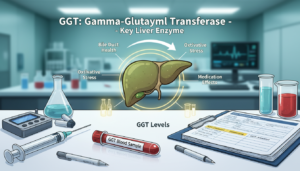
Understanding GGT normal range values, what elevated or low levels mean, and how doctors interpret gamma-glutamyl transferase test results for liver health.
High ALP levels meaning explained: discover what elevated alkaline phosphatase indicates, common causes like liver and bone disorders, and when to seek…
LML Editorial·Mar 22, 2026
19 min
Medical Disclaimer: This guide is for educational purposes only and does not constitute medical advice. Reference ranges may vary between laboratories. Individual factors can affect results. Always consult your doctor before making clinical decisions based on your lab results.
Partner With Us
Interested in contributing to Life Medical Lab? We work with a limited number of content partners on health and medical topics.


 Article