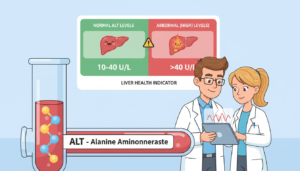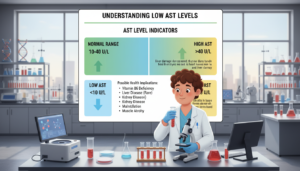
The liver enzyme test is a common lab test used to check liver health. It helps doctors find early signs of liver damage. Two important aminotransferases, ALT and AST, are key markers for liver cell damage.
Knowing the difference between ALT and AST is important for both patients and doctors. ALT is mainly found in liver cells. This makes it a better indicator of liver stress or injury.
AST, on the other hand, is found in the liver and other organs like the heart and brain. This means high AST levels can indicate problems in these organs, not just the liver.
It’s interesting to note that enzyme levels don’t always show the true extent of liver damage. A small increase can mean serious disease, while a big jump might not be as bad. Doctors look at patterns in blood tests to figure out the disease type.
By comparing ALT and AST, doctors get a better idea of what’s happening in the body. The ratio between these enzymes can help diagnose conditions like viral hepatitis or alcohol-related liver disease.
Key Takeaways
- ALT is more specific to liver injury because it is found in its highest concentration within liver cells.
- AST is present in multiple organs, including the heart, brain, and skeletal muscle, making it a less specific liver marker.
- The level of liver enzymes in the blood does not always reflect how severe the underlying liver damage may be.
- The ratio of ALT vs AST can help clinicians identify the likely cause of liver disease.
- Patterns across multiple blood tests are more informative than a single elevated result.
- Routine testing of alanine aminotransferase and aspartate aminotransferase remains a cornerstone of preventive liver health screening in the United States.
What the Test Measures
Liver function tests check proteins and enzymes in the blood when liver cells get damaged. Alanine aminotransferase (ALT) and aspartate aminotransferase (AST) are key markers. They are found in a blood sample and measured with a spectrophotometer.
This helps doctors find where the damage is and how bad it is. They can then decide if they need to do more tests.
Defining ALT and AST Levels
ALT is mostly in liver cells. When these cells get hurt, ALT gets into the blood. This shows liver damage. AST is in the liver and other organs too. A high AST level can mean liver problems or damage in other parts of the body.
Doctors use the R-value to understand the type of injury. The R-value compares ALT and AST levels to alkaline phosphatase levels. It helps them see if the damage is mostly in the liver or if it’s a mix.
Importance of Liver Enzymes
Hepatic enzymes are divided into two groups for different reasons:
| Category | Markers | What They Reveal |
|---|---|---|
| Liver Injury Markers | ALT, AST, ALP, GGT | Active cell damage or inflammation |
| Liver Function Markers | Albumin, Bilirubin, Clotting Factors | The liver’s ability to synthesize and process substances |
Looking at both injury and function markers gives a full picture of the liver. This is important because injury markers can show problems early. This means doctors can catch issues before they get worse.
Why It Is Ordered
Doctors order ALT and AST tests for several reasons. Some patients show clear signs of liver trouble. Others need routine checks based on their health history. Understanding why these tests are requested helps patients see the importance of liver damage markers in clinical decision-making.
Clinical Symptoms Justifying Testing
Certain symptoms make a doctor check for elevated liver enzymes right away. These signs point to possible liver disease or injury:
- Jaundice (yellowing of the skin and eyes)
- Dark urine or light-colored bowel movements
- Persistent fatigue and loss of appetite
- Abdominal swelling or pain
- Vomiting blood or black, tarry stools
- Unusual or unexplained weight changes
Physical signs like an enlarged liver or fluid buildup in the abdomen (ascites) can also prompt testing. Suspected viral hepatitis, alcohol-related liver disease, or exposure to medications like high-dose acetaminophen are strong reasons to evaluate liver damage markers.
“Early detection of liver injury through enzyme testing can prevent irreversible damage and improve patient outcomes.” — American Liver Foundation
Routine Screening for Liver Health
Not every patient who needs testing shows obvious symptoms. Routine screening is recommended for people with certain risk factors.
| Risk Factor | Reason for Screening |
|---|---|
| Extreme obesity (BMI over 40) | High risk of non-alcoholic fatty liver disease |
| High triglyceride levels | Associated with fat accumulation in the liver |
| Statin medication use | HMG-CoA reductase inhibitors may cause elevated liver enzymes |
| Thiazolidinedione use (e.g., pioglitazone) | Linked to possible hepatotoxicity |
| Type 2 diabetes | Strong association with fatty liver disease |
Screening these populations helps identify liver damage markers before significant harm occurs. Once reference ranges are established—covered in the next section—physicians can interpret results with greater accuracy.
Normal Reference Range
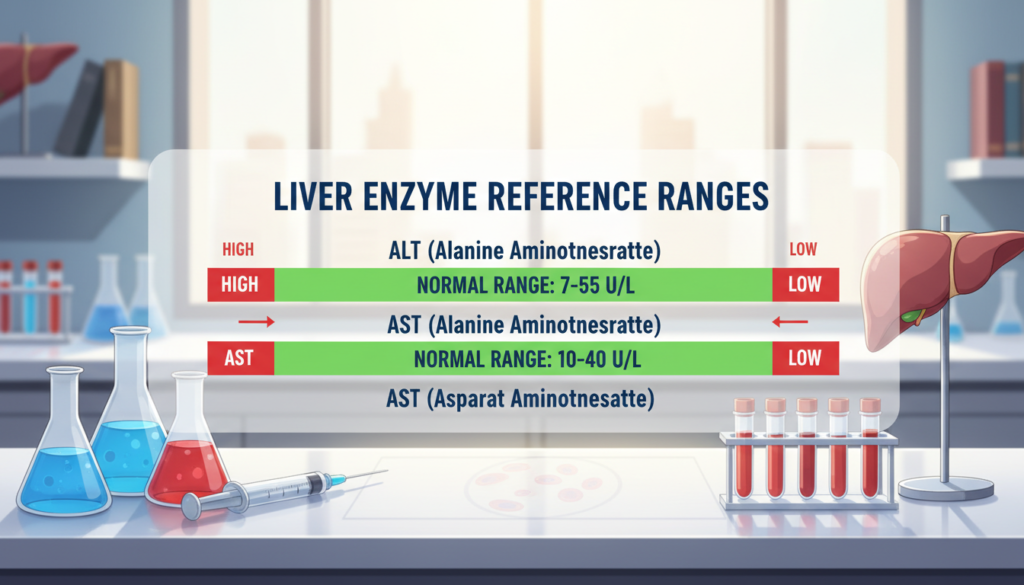
It’s key to know the normal ranges for liver enzymes to understand blood test results. These values help doctors see if enzymes are working right or if there’s liver damage. But, these ranges can differ slightly because labs use different tests and reference groups.
ALT Reference Values
Alanine aminotransferase (ALT) is more specific to the liver. Labs usually say the top normal value is ≤ 40 U/L. Studies by Neuschwander-Tetri and others found that these limits can change based on the local population. The American College of Gastroenterology suggests even lower numbers for men and women to catch liver disease early.
It’s important to remember that normal ALT levels don’t mean you’re completely safe from chronic liver disease. People with non-alcoholic fatty liver disease or early hepatitis might have normal ALT levels too.
AST Reference Values
Aspartate aminotransferase (AST) has a similar normal range, usually ≤ 40 U/L. But, AST is found in the heart, muscles, and kidneys too. So, high AST levels don’t always mean liver problems. Doctors use the AST ALT ratio to figure out what’s causing the high levels.
| Enzyme | General Upper Limit | Suggested Male Cutoff | Suggested Female Cutoff |
|---|---|---|---|
| ALT | ≤ 40 U/L | 33 U/L | 25 U/L |
| AST | ≤ 40 U/L | 33 U/L | 25 U/L |
An AST ALT ratio over 2:1 might mean alcohol damage to the liver. But, a ratio under 1 is more likely in non-alcoholic fatty liver disease. These details are important for doctors to know what high levels might mean, as we’ll see next.
What High Levels May Indicate
When ALT or AST levels go up, it means cells with these enzymes have been harmed. This can point to many health issues. The degree of increase helps doctors guess what’s wrong.
It’s key to know the extent of liver damage. This helps doctors tell if the problem is mild, moderate, or severe.
Liver Conditions Associated with Elevated Levels
The level of enzyme increase helps doctors think about what might be wrong. Here’s a simple guide:
| Elevation Severity | Times Above Upper Limit of Normal (ULN) | Common Causes |
|---|---|---|
| Mild | Less than 5× ULN | Chronic hepatitis B or C, NAFLD, alcohol-related liver injury, hemochromatosis, autoimmune hepatitis, Wilson’s disease, medications |
| Moderate | 5–15× ULN | Broad spectrum of acute and chronic liver diseases |
| Severe | Greater than 15× ULN | Acute viral hepatitis, ischemic hepatitis, toxin-mediated injury, acute autoimmune hepatitis |
In alcohol-related liver disease, about 90% of patients have an AST/ALT ratio over 2. This is because alcohol reduces a key enzyme needed for ALT. This ratio helps doctors tell if liver damage is from alcohol or something else.
Non-Liver Related Causes of Elevation
AST is found in many parts of the body, not just the liver. High levels can mean other problems, like:
- Acute myocardial infarction
- Skeletal muscle trauma or rhabdomyolysis
- Acute pancreatitis
- Intestinal surgery or burns
- Renal infarction
- Pulmonary embolism
Doctors need to consider these possibilities when seeing high transaminases. They look at symptoms and tests to make sure they’re not missing something. This is covered in the next parts about other biomarkers and how they fit into the bigger picture.
What Low Levels May Indicate
Low ALT and AST values are often overlooked. Most doctors focus on high readings. But, low or normal levels can mean a lot.
Low Levels and Their Clinical Significance
Normal transaminase levels do not mean you’re safe from liver disease. Research by Mofrad et al. found that cirrhosis patients can have normal or slightly high ALT levels. This shows a weak link between ALT/AST levels and liver damage.
Studies show that liver damage and aminotransferase levels don’t always match. This makes it hard for doctors to know if the liver is okay just by looking at lab results.
Important things to remember about low or normal values:
- Cirrhosis can exist with unremarkable enzyme levels
- Chronic hepatitis C patients may show normal ALT in up to 30% of cases
- Non-alcoholic fatty liver disease (NAFLD) may present without elevated enzymes
- Very low levels could reflect vitamin B6 deficiency, which is needed for aminotransferase activity
Contextual Factors Influencing Low Values
Epidemiologic data from Kunutsor et al. show that ALT, AST, and GGT levels are linked to liver disease and death. This means doctors need to look at more than just lab results when interpreting aminotransferase levels.
Things like age, sex, muscle mass, and nutritional status affect enzyme levels. Older adults and those with less muscle mass usually have lower AST values. A complete check-up should consider these factors, along with imaging or biopsy results, as discussed next.
Related Biomarkers
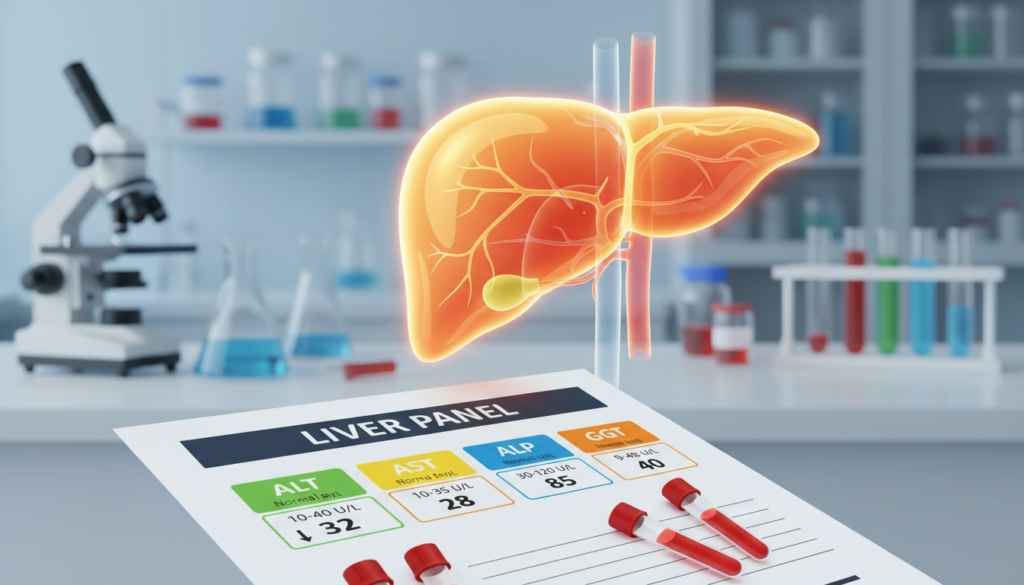
ALT and AST give us important clues, but they’re just part of a bigger picture. A full liver test includes many markers to find the exact liver problem. Looking at these enzymes alone can lead to wrong conclusions.
Other Liver Function Tests
Alkaline phosphatase (ALP) is found on the liver’s surface. Most of it comes from the liver and bones. High ALP levels often mean there’s a blockage in the bile ducts.
Gamma-glutamyl transferase (GGT) is in the liver, kidneys, pancreas, and intestines. It goes up in liver and bile duct diseases. Bilirubin shows how well the liver is processing bile. Albumin levels drop when liver disease lasts for weeks.
| Biomarker | Primary Source | Clinical Significance |
|---|---|---|
| ALP | Liver, Bone | Cholestasis, bile duct obstruction |
| GGT | Liver, Kidney, Pancreas | Confirms hepatobiliary origin of elevated ALP |
| Albumin | Liver (hepatocytes) | Chronic liver disease, synthetic function |
| Bilirubin | Red blood cell breakdown | Jaundice, hemolysis, liver dysfunction |
| PT/INR | Clotting factors (liver-produced) | Coagulation status, liver synthetic capacity |
Importance of Comprehensive Testing
An initial test should include a CBC, AST/ALT, ALP, bilirubin, PT/INR, hepatitis panel, iron studies, and an ultrasound. These tests together give a complete picture of the liver.
More tests can help find the cause. Tests for hepatitis A, B, and C antibodies check for infections. Tests for autoimmune diseases like hepatitis and primary biliary cholangitis are also important. A full liver test makes sure no treatable condition is missed and helps make an accurate diagnosis before starting treatment.
Factors That Affect Results
Many things can change ALT and AST readings. Knowing these factors helps doctors understand results better. This can prevent unnecessary tests.
Physiological Influences on Enzyme Levels
Hard exercise and muscle damage often affect AST and ALT levels. AST levels can go up after intense workouts. This can last for several days.
People with a higher BMI might see ALT levels rise, even without liver disease. How samples are handled is also key. Red blood cell rupture during collection can increase ALT, AST, ALP, and bilirubin levels.
Keeping samples at 0–4 °C for one to three days is important. This helps keep the sample stable. Bilirubin levels can change with fasting and light exposure. ALP levels can go up during pregnancy and in smokers.
| Factor | Biomarker Affected | Direction of Change |
|---|---|---|
| Strenuous exercise | AST, ALT | Increase |
| High BMI | ALT | Increase |
| Hemolysis | ALT, AST, ALP, Bilirubin | Increase |
| Fasting | Bilirubin | Increase |
| Pregnancy | ALP | Increase |
Impact of Medications and Lifestyle
Many medications can raise liver enzyme levels. The American Gastroenterological Association says some drugs can harm the liver directly or cause cholestasis. Common offenders include:
- Acetaminophen at high doses
- Statins for cholesterol control
- Certain antibiotics and antifungal drugs
- Nonsteroidal anti-inflammatory drugs (NSAIDs)
Our lifestyle choices also matter. Drinking too much alcohol and being obese can raise GGT levels. Doctors should look at a patient’s meds and lifestyle before thinking it’s liver disease. Knowing how meds affect liver enzymes helps avoid unnecessary tests.
Clinical Context Considerations
ALT and AST numbers only tell part of the story. A single lab result can lead to misdiagnosis or unnecessary worry. Doctors must consider a patient’s full medical history and risk profile when interpreting these numbers.
Integrating Test Results with Patient History
A detailed medical history is key when looking at liver enzyme results. Doctors should consider several important factors before making conclusions:
- Metabolic risk factors such as obesity, type 2 diabetes, and dyslipidemia
- Current and past alcohol or recreational drug use
- Risk factors for viral hepatitis (travel history, needle exposure, sexual history)
- Family history of liver disease or autoimmune conditions
- All current medications, including supplements and over-the-counter drugs
- Existing comorbidities affecting the heart, kidneys, or thyroid
Diagnostic strategies should match the level of enzyme elevation. Mild increases in ALT or AST might need a recheck before a full workup. But, moderate or marked elevations should prompt immediate investigation.
Importance of Follow-Up Testing
Bilirubin, ALT, and AST levels can vary a lot from one test to another. Studies show that over 30% of adults with high levels might be normal on a second test. This makes follow-up testing critical.
Tools like transient elastography (FibroScan) are also useful. This non-invasive test measures liver stiffness and fat accumulation. It helps doctors decide if a patient needs a biopsy, imaging, or just more monitoring.
Understanding the limits of ALT and AST testing is as important as knowing what the results mean.
Limitations of the Test
ALT and AST tests are useful for screening, but they have their limits. They don’t always show the full picture of liver health. Knowing their limitations helps both patients and doctors make better choices.
Specificity and Sensitivity Issues
ALT and AST levels don’t always match the real extent of liver damage. Studies by Gawrieh and Verma found that people with cirrhosis might have normal or slightly high ALT levels. This means the blood test doesn’t always show how much damage there is.
This issue is a big problem, as it can lead to missed diagnoses. For example, people with type 2 diabetes are at higher risk for liver problems. But their blood tests might not show this risk.
Situations Where Results May Be Misleading
High ALT or AST levels can also mean muscle or heart issues, not just liver problems. Doctors might then do more tests that aren’t needed. Tools like FIB-4 and NAFLD Fibrosis Score try to help, but they’re not perfect.
So, ALT and AST tests should never be the only thing doctors look at. They need to use other tests, like imaging and lab panels, to get a clear picture of what’s going on.