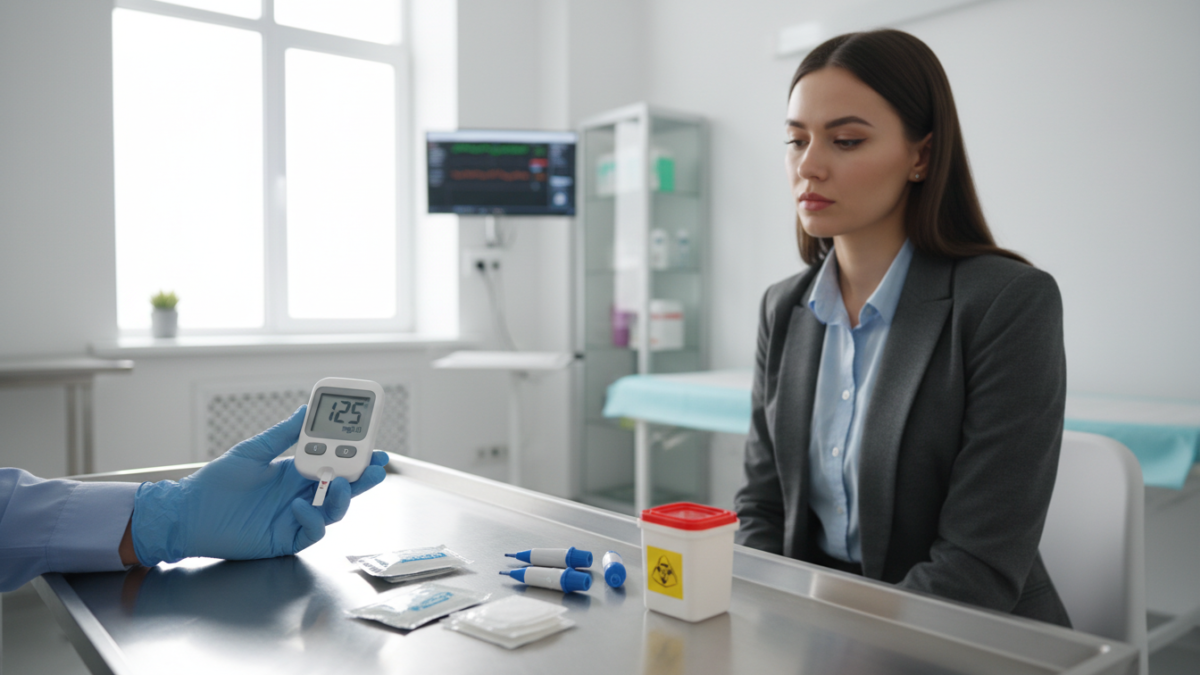
The random blood glucose test is a common test in clinics. It checks how well your body handles sugar. You don’t need to fast or prepare before the test. A healthcare provider can take a blood sample at any time.
Your body uses glucose as its main fuel. Every cell, including brain cells, needs steady blood sugar levels to work right. Glucose comes from carbs like bread, rice, and fruit.
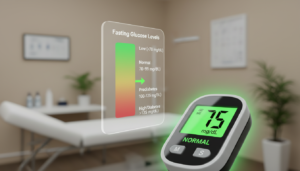
Knowing the normal range for this test helps you understand your results. A reading below 125 to 140 mg/dL is usually good. But, a result of 200 mg/dL or higher suggests diabetes and needs quick medical attention.
This test gives doctors a quick look at how your body handles sugar. It’s often the first step in finding early signs of diabetes or checking if treatments are working.
Key Takeaways
- A random blood glucose test measures blood sugar levels at any time of day without the need for fasting beforehand.
- The random glucose normal range generally falls below 125–140 mg/dL, depending on recent food intake.
- A reading of 200 mg/dL or above on a random blood glucose test may indicate diabetes mellitus.
- Glucose is the body’s main energy source, derived from carbohydrate-rich foods like bread, rice, and fruit.
- This test provides a fast, convenient way for doctors to screen for or monitor abnormal blood sugar levels.
- Results should always be interpreted alongside your medical history and any recent meals or activities.
What the Test Measures
A random plasma glucose test checks your blood sugar at a specific moment. Glucose is the main energy for your body, powering every cell. This test shows your blood sugar level right then, not over time.
Blood Glucose Levels
The test finds out how much sugar is in your blood at that moment. It takes blood from a vein, which is more accurate than other methods. Knowing your blood sugar range helps doctors see if you’re okay or if there’s a problem.
Here’s a comparison of glucose testing methods:
| Testing Method | Sample Source | Fasting Required | Accuracy Level |
|---|---|---|---|
| Random Plasma Glucose | Venous blood draw | No | High |
| Fingerstick Glucose Meter | Capillary blood | No | Moderate |
| Fasting Plasma Glucose | Venous blood draw | Yes (8+ hours) | High |
Timing of the Test
Random plasma glucose testing is flexible. You don’t need to fast for hours like with other tests. It can be done at any time.
This is great for urgent care or regular doctor visits. Your doctor can quickly check your blood sugar. This helps decide if you need more tests.
Why It Is Ordered
Doctors order a random blood glucose test for several reasons. Some patients show warning signs that need quick attention. Others need regular diabetes screening based on age or risk.
Glucose test results from this test give providers a quick look at how the body handles sugar at any moment.
Screening for Diabetes
The U.S. Preventive Services Task Force suggests diabetes screening for all adults starting at age 35. People without risk factors should get tested every three years. Symptoms like frequent urination, blurred vision, and unexplained weight gain may prompt earlier testing.
Certain groups need screening sooner or more often. The American Diabetes Association says overweight individuals with one or more risk factors are top candidates. Children aged 10 and older who are overweight with at least two risk factors should be screened every three years as well.
Key risk factors that call for earlier testing include:
- Blood pressure at or above 140/90 mmHg
- History of heart disease or gestational diabetes
- Polycystic ovary syndrome
- Close relatives with diabetes
- Physical inactivity
- High-risk ethnicity (African American, Latino, Native American, Asian American, Pacific Islander)
Monitoring Glucose Levels
For patients already diagnosed with diabetes, this test helps track day-to-day glucose control. A reading within a healthy blood sugar range shows treatment is working. Readings outside that range may mean medications or lifestyle habits need adjustment.
| Reason for Ordering | Patient Group | Recommended Frequency |
|---|---|---|
| Routine diabetes screening | Adults age 35+ with no risk factors | Every 3 years |
| Early diabetes screening | Overweight adults with risk factors | Annually or as directed |
| Pediatric screening | Children age 10+ with 2+ risk factors | Every 3 years |
| Ongoing monitoring | Diagnosed diabetes patients | As clinically needed |
Normal Reference Range
It’s key to know what normal glucose levels are. Your blood sugar can change based on when you last ate, how active you are, and your health. Understanding what’s normal helps you and your doctor catch issues early.
Standard Units of Measurement
Blood sugar levels are measured in two ways. In the U.S., they use milligrams per deciliter (mg/dL). Other countries might use millimoles per liter (mmol/L). Knowing which unit your lab uses is important for understanding your results.
| Test Type | Normal Range (mg/dL) | Normal Range (mmol/L) |
|---|---|---|
| Random Glucose | 125 or lower | 6.9 or lower |
| Fasting Glucose | 70–99 | 3.9–5.5 |
The American Diabetes Association says random glucose values under 125 mg/dL are usually normal. Fasting blood sugar levels between 70 and 99 mg/dL are good for most adults.
Population Variability
Not everyone fits into the same range. Normal glucose levels can vary for different reasons:
- Age — older adults might have slightly higher levels
- Body composition — thin, young people might have fasting levels under 70 mg/dL
- Laboratory methods — different labs might report slightly different levels
Your doctor will look at your glucose values in context. Lab reports might show slightly different ranges. It’s best to compare results from the same lab over time.
What High Levels May Indicate
A random blood glucose test shows high numbers when the body can’t handle sugar well. A reading above 200 mg/dL (11.1 mmol/L) might mean diabetes, along with signs like too much thirst or needing to pee a lot. High results can also mean other health issues.
Diabetes Mellitus
A blood glucose level of 200 mg/dL or more on a random test is a key sign of diabetes, says the American Diabetes Association. Type 2 diabetes often starts slowly, without clear symptoms for years. Type 1 diabetes, on the other hand, comes on fast, with symptoms like losing weight quickly and feeling very tired.
Prediabetes is a middle ground. It’s caught by these criteria:
- A1C between 5.7% and 6.4%
- Fasting glucose of 100–125 mg/dL
- Oral glucose tolerance test reading of 140–199 mg/dL at two hours
To tell Type 1 from Type 2, doctors might test for autoantibodies. This shows if the immune system is attacking the pancreas’s insulin-making cells.
Other Metabolic Conditions
High test results don’t always mean diabetes. Many health issues can also raise glucose levels:
| Condition | How It Raises Glucose |
|---|---|
| Cushing syndrome | Excess cortisol makes insulin less effective |
| Pancreatitis | Inflammation harms insulin-making cells |
| Hyperthyroidism | Fast metabolism increases glucose production |
| Pheochromocytoma | Adrenaline spikes cause the liver to release glucose |
| Acute physical stress (trauma, surgery, stroke) | Stress hormones raise blood sugar briefly |
The Endocrine Society says rare tumors like glucagonoma and acromegaly-related growth hormone excess can cause lasting high blood sugar, like diabetes.
Knowing what an elevated result means helps doctors pick the right tests and treatments.
What Low Levels May Indicate
When glucose test results fall below the healthy range, it’s called hypoglycemia. This can happen for many reasons. It’s important to know the causes and signs to treat it quickly.
Hypoglycemia
Hypoglycemia happens when blood sugar levels go below 70 mg/dL, says the American Diabetes Association. Many things can cause this:
- Taking too much insulin or diabetes medication
- Skipping meals or not eating enough food
- Vigorous physical exercise without proper nutrition
- Liver or kidney disease affecting glucose regulation
- Hypopituitarism or an underactive thyroid gland
- Adrenal gland insufficiency
- A rare pancreatic tumor called an insulinoma
- Side effects from weight loss surgery
If ketones show up in urine with low readings, it might mean Type 1 diabetes.
Associated Symptoms
Some symptoms mean blood sugar is too low and need quick action:
| Severity | Symptom | Action Needed |
|---|---|---|
| Mild | Shakiness, sweating, rapid heartbeat | Consume 15 grams of fast-acting carbohydrates |
| Moderate | Confusion, altered speech, unusual behavior | Seek assistance and recheck glucose test results |
| Severe | Fainting, seizures, loss of consciousness | Call 911 immediately |
“Severe hypoglycemia is a medical emergency that can lead to coma or death if untreated.” — National Institute of Diabetes and Digestive and Kidney Diseases (NIDDK)
Anyone having a first-time seizure or sudden loss of consciousness needs emergency care. Regular checks help keep blood sugar safe.
Related Biomarkers
A random plasma glucose test shows your blood sugar at one moment. Doctors use it with other tests to understand diabetes better. These tests check glucose in different ways, helping to confirm or rule out diabetes.
Hemoglobin A1c
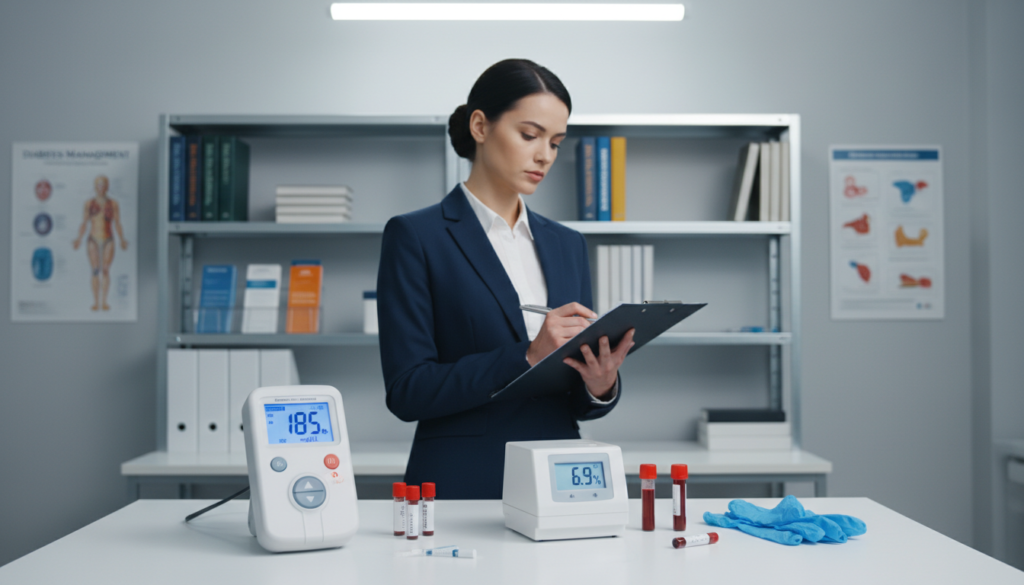
The A1c test shows your average blood sugar over two to three months. It measures sugar-coated hemoglobin proteins. The American Diabetes Association says normal levels are below 5.7%.
A reading of 5.7% to 6.4% means you might have prediabetes. A level of 6.5% or higher indicates diabetes. Unlike the random plasma glucose test, you don’t need to fast for the A1c.
Pregnant women between 24 and 28 weeks might get a glucose challenge test for gestational diabetes.
Fasting Glucose
A fasting plasma glucose (FPG) test checks your blood sugar after fasting for eight hours. It gives a reliable baseline by removing the effect of recent food. The oral glucose tolerance test (OGTT) measures glucose before and two hours after drinking a sugary solution.
| Biomarker | Normal | Prediabetes | Diabetes |
|---|---|---|---|
| A1c | Below 5.7% | 5.7%–6.4% | 6.5% or above |
| Fasting Plasma Glucose | Below 100 mg/dL | 100–125 mg/dL | 126 mg/dL or above |
| OGTT (2-hour) | Below 140 mg/dL | 140–199 mg/dL | 200 mg/dL or above |
| Random Plasma Glucose | Below 140 mg/dL | Not standardized | 200 mg/dL or above with symptoms |
Each biomarker gives unique insights. Together, they help doctors confirm normal levels, spot early signs, and make better treatment plans.
Factors That Affect Results
Many things can change your random glucose values in unexpected ways. Knowing these factors helps you and your doctor understand your glucose test results better. What you eat, how active you are, and your stress levels all affect your blood sugar levels.
Food Intake
Carbs turn into glucose fast after digestion. This quickly raises your blood sugar. Foods high in refined sugars and processed foods cause the biggest spikes. On the other hand, foods high in fiber slow down glucose absorption.
Research shows that after eating, your blood sugar should be under 140 mg/dL for most adults. The timing of your last meal is also key. Eating big meals or eating too often can raise your blood sugar too high. Also, some medications like corticosteroids can increase your readings, so it’s important to share your full medication list with your doctor.
Exercise and Stress
Exercise helps lower blood sugar by moving glucose into muscle cells. Even a short walk after eating can lower your glucose levels. Regular exercise also makes your body more sensitive to insulin, which is good for your health in the long run.
Stress, on the other hand, has a different effect. It can cause your body to release hormones like cortisol and adrenaline. These hormones can increase your blood sugar, even without eating recently. Being dehydrated can make this effect worse.
| Factor | Effect on Blood Glucose | Duration of Impact |
|---|---|---|
| High-carb meal | Raises glucose rapidly | 1–3 hours |
| Moderate exercise | Lowers glucose | 2–4 hours |
| Acute stress or illness | Raises glucose significantly | Hours to days |
| Corticosteroid use | Raises glucose | Duration of medication |
| Fiber-rich meal | Slows glucose rise | 1–2 hours |
Clinical Context Considerations
A random blood glucose test doesn’t stand alone. It’s only meaningful when seen with a patient’s full health story. Your doctor must consider your risk factors, lifestyle, and health conditions. Only a qualified healthcare provider can truly understand your results, as stated in general laboratory guidelines.
Patient History
Your doctor will look at your full medical history before making conclusions. Important factors include:
- Previous episodes of abnormal blood sugar levels
- Family history of type 1 or type 2 diabetes
- History of gestational diabetes during pregnancy
- Current body weight and physical activity habits
Ethnic background also affects diabetes risk. African Americans, Latinos, Native Americans, Asian Americans, and Pacific Islanders are at higher risk. The US Preventive Services Task Force (2022) suggests starting screenings at age 35 for everyone. Those at higher risk might need to start even sooner. But, the task force says there’s not enough evidence to screen people 18 or younger.
Comorbid Conditions
Other health issues can change what’s considered a healthy blood sugar level. Certain conditions increase diabetes risk and affect how test results are viewed:
| Comorbid Condition | Impact on Glucose Interpretation |
|---|---|
| Hypertension (≥140/90 mmHg) | Increases insulin resistance risk; tighter glucose monitoring needed |
| Cardiovascular Disease | Elevated glucose worsens outcomes; earlier intervention warranted |
| Dyslipidemia | Often clusters with glucose abnormalities in metabolic syndrome |
| Polycystic Ovary Syndrome | Strong link to insulin resistance; screening recommended at diagnosis |
These conditions highlight the importance of looking at the whole patient, not just a single number. This approach is key to understanding the test’s limitations, as we’ll explore next.
Limitations of the Test
No single blood test can tell everything about a person’s metabolic health. A random plasma glucose reading gives a quick look, but it has big limitations. Both patients and doctors need to know these before making conclusions.

Variability in Results
One major issue is inconsistency between measurements. Blood sugar levels change throughout the day. They can be affected by what you eat, how active you are, and how stressed you are. A single reading that’s not in the normal range doesn’t mean you definitely have diabetes.
The American Diabetes Association says you need to be tested again on another day. This is unless you have clear signs of high blood sugar.
Where the blood is taken also matters. Blood drawn from a vein in a lab is more reliable than blood taken from a finger at health fairs or pharmacies. These fingerstick tests are for screening, not for making a diagnosis.
Context-Dependent Interpretation
Random testing is less standardized than fasting glucose or OGTT tests. It’s hard to compare results without knowing when you last ate. A blood sugar level of 160 mg/dL after eating a big meal means something different than the same level when you’re hungry.
This test has other blind spots:
- It can’t tell Type 1 from Type 2 diabetes without more tests.
- It might miss early signs of prediabetes that other tests would find.
- Results from non-clinical settings always need a doctor’s check-up to be sure.
As we talked about before, what you eat and stress levels affect the results. Doctors usually don’t just look at one random plasma glucose value. They also consider your medical history, other health issues, and certain biomarkers to make a proper diagnosis.
References
This article uses trusted sources and health organizations. They help doctors understand random glucose values. They also guide decisions on diabetes screening.
Medical Literature
Studies in JAMA and Diabetes Care journal are key. They help us understand glucose test results. The American Diabetes Association updated its 2025 Standards of Care in Diabetes.
This document gives the latest on diagnosing diabetes in the US.
Clinical Guidelines
In 2021, the US Preventive Services Task Force gave new guidelines for screening. They also updated their 2022 statement for kids and teens. These guidelines change as new evidence comes in.
It’s important to talk to your doctor about your glucose test results. They can give you advice based on your situation. Keeping up with the latest medical research is key.