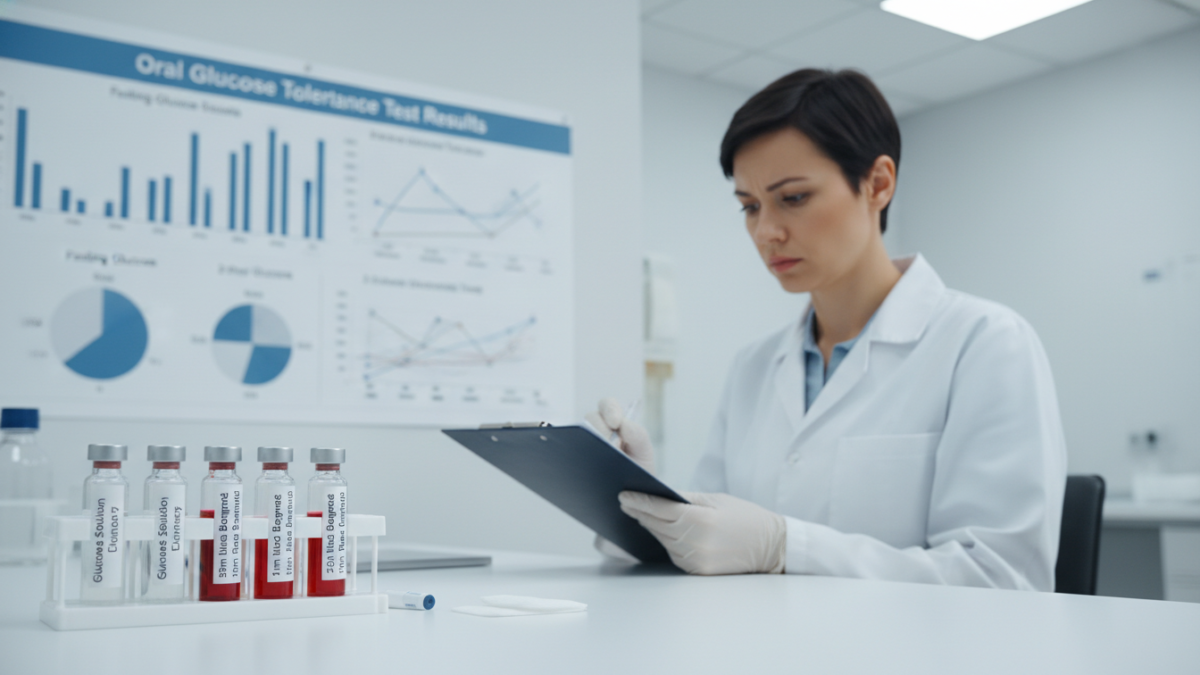
The oral glucose tolerance test (OGTT) is a key test in health care. It checks how well the body handles sugar. It involves drinking a sugar solution and then getting blood tests to see how sugar levels change.
So, what does the OGTT test do? A person drinks a sugar solution with 75 grams of glucose. Blood tests are taken at set times, like two hours later. Doctors look at these results to find out if someone has diabetes or other sugar-related problems.
Screening for diabetes is very important. The CDC says 37.3 million Americans have diabetes. Another 96 million have prediabetes. Most of these cases are type 2 diabetes, which is hard to spot because many people don’t know they have it.
Knowing what the OGTT test means is key. It shows how the body reacts to sugar in real time. This gives doctors a better idea of how well the body is working than just a fasting blood test.
Key Takeaways
- The OGTT measures how efficiently the body processes a 75-gram glucose dose over a set time period.
- It is a primary screening tool for type 2 diabetes, prediabetes, gestational diabetes, and insulin resistance.
- About 96 million American adults have prediabetes, and many are unaware of their risk.
- Roughly 30% of type 2 diabetes cases in the U.S. remain undiagnosed, making early testing critical.
- The test evaluates pancreatic β-cell function and real-time insulin response, giving more detail than fasting glucose alone.
- Results guide treatment decisions and can help prevent progression from prediabetes to full diabetes.
What the OGTT Test Measures
When you see the OGTT medical term, it means the oral glucose tolerance test. This test checks how your body handles sugar after drinking a sweet solution. It’s a way to see how your blood sugar changes.
Blood samples are taken at different times. This includes before drinking the sugar and at 30, 60, 90, and 120 minutes after. Labs use special methods to measure your blood sugar accurately.
Glucose Levels
The test looks at your plasma glucose concentration before and after drinking 75 grams of glucose. Your fasting number is the starting point. The 1-hour and 2-hour readings show how well your body uses sugar.
| Time Point | What It Measures |
|---|---|
| Fasting (0 min) | Baseline blood sugar after overnight fast |
| 30 minutes | Early spike in blood glucose after ingestion |
| 60 minutes | Peak glucose response |
| 120 minutes | How effectively the body has cleared glucose |
Insulin Response
The OGTT test also looks at insulin response. When sugar enters your blood, insulin helps move it into cells. A weak insulin response can be a sign of early metabolic issues.
Doctors might use this test to check for conditions like acromegaly. They look to see if growth hormone levels drop after sugar intake. If they don’t, it could mean too much growth hormone, as the Endocrine Society’s 2014 guidelines suggest.
Knowing what each stage of the test measures helps you understand your results. This is explored further in the next sections on normal ranges and abnormal findings.
Why the OGTT Test is Ordered
Doctors order the oral glucose tolerance test for certain reasons. It checks how well your body handles sugar after a glucose load. This test is more than just a fasting blood draw. It shows problems that might not show up when you’re not active.
Screening for Diabetes
The American Diabetes Association suggests screening for diabetes at age 45 and every three years after. If you’re overweight or obese and have risk factors, you should get tested sooner. This test shows how well your body can clear sugar from your blood.
The OGTT is great for people with borderline fasting glucose levels. It helps confirm or rule out diabetes in those with symptoms like nerve damage, eye problems, or kidney issues.
Evaluating Gestational Diabetes
Pregnant women who haven’t been diagnosed with diabetes are screened between 24 and 28 weeks of pregnancy. There are two ways to screen:
- One-step approach: A 75-gram glucose load with blood sugar checked at fasting, one hour, and two hours
- Two-step approach: First, a 50-gram screening test, then a 100-gram test if the first result is high
Assessing Insulin Resistance
Insulin resistance happens when your body’s cells don’t respond well to insulin. This leads to producing more insulin, which can harm your body over time. Conditions like PCOS, obesity, and high cholesterol increase your risk. It’s important to talk about these risks with your during check-ups.
| Reason for Ordering OGTT | Target Population | Timing |
|---|---|---|
| Type 2 diabetes screening | Adults 45+ or overweight with risk factors | Every 3 years |
| Gestational diabetes evaluation | Pregnant patients without prior diabetes | 24–28 weeks of gestation |
| Insulin resistance assessment | Patients with borderline fasting glucose or metabolic syndrome | As clinically indicated |
Normal Reference Range
Knowing the normal reference range is key when looking at your OGTT results. The OGTT test involves drawing blood at set times to see how your body handles sugar. Each blood value gives insight into your metabolic health.
Fasting Plasma Glucose Levels (mg/dL)
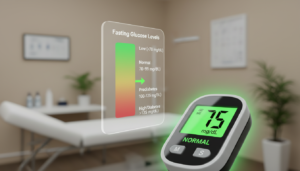
A blood test at the start measures your fasting glucose. The American Diabetes Association (ADA) says normal fasting glucose is 60 to 99 mg/dL. If it’s 100 to 125 mg/dL, you might have impaired fasting glucose, a sign of prediabetes. The World Health Organization says impairment starts at 110 mg/dL.
| Category | ADA Range (mg/dL) | WHO Range (mg/dL) |
|---|---|---|
| Normal | 60–99 | 60–109 |
| Impaired Fasting Glucose | 100–125 | 110–125 |
| Diabetes | 126 or higher | 126 or higher |
2-Hour Plasma Glucose Levels (mg/dL)
The two hour glucose test measures blood sugar two hours after drinking a 75-gram glucose solution. A normal result is less than 140 mg/dL. If it’s 140 to 199 mg/dL, you might have impaired glucose tolerance. A reading of 200 mg/dL or more suggests diabetes.
During pregnancy, the rules are tighter:
- Fasting: 92 mg/dL or less
- 1-hour: 180 mg/dL or less
- 2-hour: 153 mg/dL or less
If you go over any one of these levels during pregnancy, you might have gestational diabetes. These ranges help understand what high or low values mean for your health.
What High Levels May Indicate
High blood sugar readings during testing mean your body can’t handle glucose well. Knowing what the oral glucose tolerance test shows is key. High numbers can signal several health issues, each with its own risk level.
Type 2 Diabetes Mellitus
A reading of 200 mg/dL (11.1 mmol/L) or higher in the 2-hour test is a diabetes warning. The American Diabetes Association says you need to test again to confirm. Catching it early can prevent serious problems like nerve damage and heart disease.
Impaired Glucose Tolerance
Not every high reading is diabetes. Values between 140 and 199 mg/dL (7.8 to 11.1 mmol/L) mean your body is not making insulin well. Making healthy lifestyle changes can often turn this around before it gets worse.
Gestational Diabetes
Pregnancy makes the gestational diabetes test even more important. To diagnose, you need to meet certain levels in at least two of four tests:
| Measurement Timing | Threshold (mg/dL) | Threshold (mmol/L) |
|---|---|---|
| Fasting | 95 | 5.3 |
| 1-Hour | 180 | 10.0 |
| 2-Hour | 155 | 8.6 |
| 3-Hour | 140 | 7.8 |
Studies by the National Institute of Diabetes and Digestive and Kidney Diseases show a big risk of type 2 diabetes after pregnancy. This risk is higher with obesity or high blood sugar during pregnancy. Knowing this helps with monitoring and care.
What Low Levels May Indicate
When we talk about the OGTT test, we often focus on high glucose levels. But low glucose levels are just as important. They can point to health issues that need quick attention.
Reactive Hypoglycemia
Reactive hypoglycemia, or postprandial hypoglycemia, happens when blood sugar falls too low after eating. This usually happens 2 to 5 hours after a meal rich in carbs. Doctors split it into two types:
- Early postprandial hypoglycemia — blood sugar drops 2 to 3 hours after eating
- Late postprandial hypoglycemia — blood sugar drops 3 to 5 hours after eating
A 5-hour extended OGTT can spot this issue. This longer test tracks blood sugar over a longer time. The Endocrine Society warns it might give false results, so it’s not used often for screening.
Doing hard exercise before the test can make glucose levels seem lower. It’s important to follow all instructions before the test.
Insulinoma
Low glucose levels might mean you have insulinoma — a rare tumor in the pancreas. These tumors make too much insulin, causing blood sugar to drop. The National Institutes of Health says insulinomas affect about 1 to 4 people per million each year.
| Condition | Typical Glucose Drop Timing | Primary Cause |
|---|---|---|
| Reactive Hypoglycemia | 2–5 hours after glucose load | Exaggerated insulin response |
| Insulinoma | Variable, often during fasting | Insulin-secreting pancreatic tumor |
Knowing what low glucose levels mean is key. If your levels are low, your doctor might do more tests. They might use imaging or special tests to find out why.
Related Biomarkers
Understanding OGTT test results means looking at the bigger picture. The oral glucose tolerance test doesn’t work alone. Several biomarkers help doctors see your metabolic health fully. These markers help confirm a diagnosis and guide treatment.
Hemoglobin A1c
Hemoglobin A1c (HbA1c) shows your average blood sugar over two to three months. A level of 6.5% or higher suggests diabetes. This test looks at your long-term blood sugar, unlike the OGTT’s snapshot. Doctors often use both tests for a complete view. Keeping track of normal glucose levels after eating helps too.
Fasting Insulin Levels
Fasting insulin levels show how much insulin your pancreas makes at rest. Elevated fasting insulin may mean insulin resistance, even with normal blood sugar. This biomarker catches problems early, before blood sugar rises. It works well with OGTT data to understand how your body handles sugar.
C-Peptide
C-Peptide is released with insulin. It helps doctors see if your pancreas makes enough insulin. Low C-Peptide levels suggest Type 1 diabetes. High levels may mean insulin resistance or an insulinoma.
| Biomarker | What It Measures | Normal Range | Clinical Use |
|---|---|---|---|
| HbA1c | Average blood sugar (2–3 months) | Below 5.7% | Diabetes screening and monitoring |
| Fasting Insulin | Insulin production at rest | 2–25 µIU/mL | Detecting insulin resistance |
| C-Peptide | Pancreatic insulin output | 0.5–2.0 ng/mL | Differentiating diabetes types |
These biomarkers, along with OGTT results, help doctors make accurate diagnoses. They also help create effective treatment plans.
Factors That Affect Results
Knowing about the OGTT medical term is key. Many things outside of you can change your test results. To get accurate results, you and your doctor need to consider these factors before the test.
Medications
Some medicines can change your blood sugar levels. This affects how accurate your OGTT test is. Drugs like prednisone, thiazide diuretics, and beta-blockers can make it harder for your body to handle sugar. Oral contraceptives and some antipsychotics can do the same.
Talk to your doctor about all the medicines you’re taking. They might tell you to stop taking certain ones before the test.
| Medication Type | Effect on Glucose | Action Before OGTT |
|---|---|---|
| Corticosteroids (e.g., prednisone) | Raises blood sugar | Discontinue if medically safe |
| Thiazide diuretics | Raises blood sugar | Discontinue if medically safe |
| Beta-blockers | May mask hypoglycemia | Consult prescribing physician |
| Oral contraceptives | Raises blood sugar | Inform testing provider |
Physical Activity
Doing a lot of exercise can lower your blood sugar. This can mess up your OGTT test. Try to avoid hard workouts for three days before the test.
On the other hand, not moving much or having a big injury can raise your sugar levels. Stress from big events like surgery or a heart attack can also do this. It’s important to stay calm and sit down during the test.
Diet Prior to Testing
Before your OGTT test, you need to eat a certain way. You should eat a normal diet with lots of carbs for three days before. Don’t skip carbs or go on a crash diet, as this can give false results.
You also need to fast for 10 to 16 hours before the test. Don’t smoke during this time, as it can affect your sugar levels.
Clinical Context Considerations
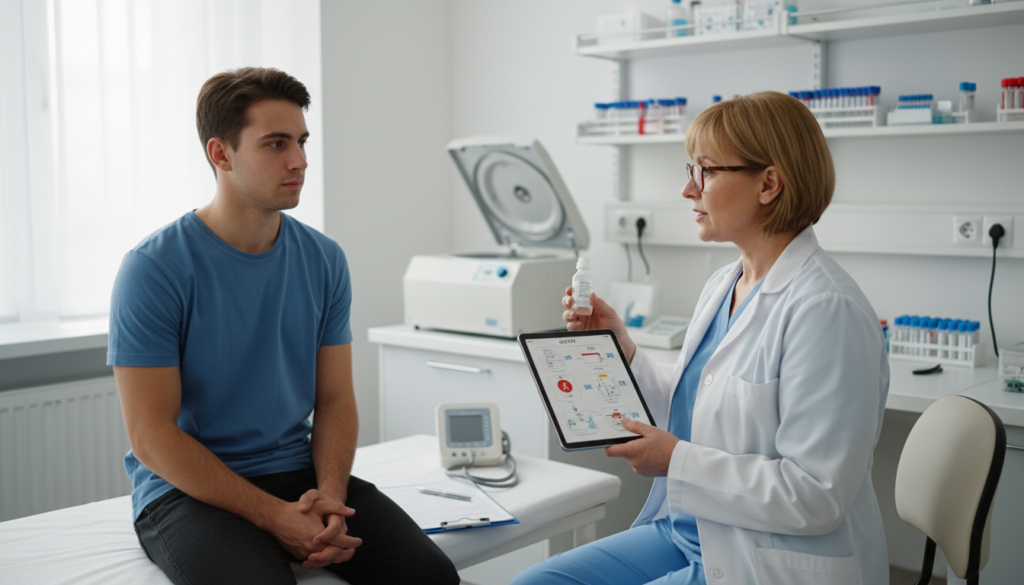
Test results are never just numbers. Doctors consider many personal health factors when looking at OGTT results. Each patient’s unique situation affects how to interpret the glucose levels and what steps to take next.
Patient History
Before understanding any OGTT result, a full medical history is key. Doctors examine conditions like high blood pressure and cholesterol levels. They also look at physical activity levels.
These factors can increase the risk of impaired glucose tolerance. Symptoms like increased thirst and slow-healing wounds can indicate blood sugar issues.
Type 2 diabetes is responsible for about 90% of all diabetes cases, the World Health Organization says. It often starts after age 40, but younger people are getting it more often. Type 1 diabetes, on the other hand, is caused by the body attacking its own pancreas cells.
Family History of Diabetes
Genetics are very important. If a first-degree relative has diabetes, your risk goes up. This often leads doctors to test even if fasting glucose looks normal.
The American Diabetes Association recommends screening adults with a BMI ≥ 25 kg/m² who have one or more risk factors, including a family history of type 2 diabetes.
Body Mass Index (BMI)
Being overweight is a big risk factor for type 2 diabetes. Losing weight can help many people manage their blood sugar levels. Here’s a table showing BMI categories and their diabetes risk levels:
| BMI Range (kg/m²) | Classification | Diabetes Risk Level |
|---|---|---|
| 18.5–24.9 | Normal Weight | Low |
| 25.0–29.9 | Overweight | Moderate |
| 30.0–34.9 | Obesity Class I | High |
| 35.0–39.9 | Obesity Class II | Very High |
| ≥40.0 | Obesity Class III | Extremely High |
Knowing these factors helps both patients and doctors make better decisions about care and lifestyle changes.
Limitations of the OGTT
Knowing about the OGTT test shows its good and bad sides. It’s a key test but has some big downsides. These are things to think about before you rely on it too much.
Variability in Results
The OGTT results can be poorly reproducible. Studies show about 20% of tests are not clear-cut. Factors like stress, illness, and diet can change the results a lot.
The American Diabetes Association suggests doing the test twice unless it’s clearly wrong. Just one borderline result isn’t enough to say you have diabetes.
Don’t do the test when you’re sick, hurt, or very ill. People in the hospital or who are very sick won’t get reliable results.
Test Complexity
The OGTT is more complex than simpler tests. It requires a lot from both patients and lab workers. To understand it fully, you need to know:
- An overnight fast of 8–14 hours
- Drinking a 75g or 100g glucose solution
- Multiple blood draws at timed intervals
- Strict adherence to pre-test dietary guidelines for three days
Tests like fasting glucose or HbA1c are easier and can help diagnose too.
Time Consumption
The whole test can take three hours to finish. This is a big problem for people with jobs, pregnant women, and caregivers. They often can’t take a whole day off for a test.
This makes it hard for people in low-income areas to get tested. They might not have easy access to clinics.
Interpretation of Results
Understanding the oral glucose tolerance test (OGTT) is important. It shows how your body handles sugar over time. It can spot issues with sugar use before fasting tests do.
A single bad result doesn’t mean you have a problem. Your doctor will ask you to take the test again another day. They might also use other tests like hemoglobin A1c or fasting plasma glucose to confirm a diagnosis.
Clinical Significance
The OGTT test is more than just a yes or no answer. It’s a sign of diabetes risk, even before fasting tests show problems. This makes the OGTT a key tool for catching diabetes early.
The test is also used to check for acromegaly. In this case, growth hormone levels should drop below 1 ng/mL after the test. Studies in the Journal of Clinical Endocrinology & Metabolism show that using a stricter level of 0.4 ng/mL can make the test more accurate.
Follow-Up Testing Considerations
What happens next depends on your test results. Here’s a quick guide to follow-up testing:
- Prediabetes: Take the test again every year to see if diabetes develops.
- Gestational diabetes: Do a non-pregnant OGTT at 6–12 weeks after giving birth, using standard criteria.
- Postpartum screening clear: If no diabetes is found, check again every 3 years, as the ADA suggests.
Regular follow-up tests are key to catching changes in your sugar use early. Your doctor will set the schedule based on your risk and health history.
Preparing for the OGTT
Getting ready is key for good results. Without proper prep, glucose tests can be off. Your doctor will guide you, but knowing the basics makes you feel more prepared.
Pre-Test Requirements
You must fast for at least 8 hours before your blood draw. You can drink water, but skip coffee, juice, and food. For three days before, eat normally with at least 150 grams of carbs each day. Don’t change your diet or activity level.
During the test, you’ll drink a glucose solution. It has 75 grams of glucose in 250–300 mL of water. Finish it in 5 minutes. There are better-tasting versions available.
Blood samples use plasma instead of whole blood. This is because glucose levels are 12–15% lower in whole blood. This is due to less water in red blood cells.
The American Diabetes Association recommends that plasma samples be separated from cells within 60 minutes of collection, unless tubes contain sodium fluoride as a glycolysis inhibitor.
Timing and Duration
The test lasts about 2 to 3 hours. You’ll have blood draws at fasting and 2 hours after drinking the glucose solution.
| Preparation Step | Requirement | Duration |
|---|---|---|
| Unrestricted carbohydrate diet | Minimum 150 g carbs daily | 3 days before test |
| Overnight fasting | No food or caloric drinks | 8–14 hours before test |
| Ideal test start time | Morning appointment | 7:00 a.m. – 9:00 a.m. |
| Glucose drink consumption | 75 g in 250–300 mL water | Within 5 minutes |
| Total test duration | Fasting + post-load blood draws | 2–3 hours |
Following these steps closely ensures accurate results. Proper prep is key for your metabolic health. It also helps with any future tests your provider might suggest.
References
This article uses trusted medical sources to explain the OGTT medical term and test procedures. These sources help both patients and healthcare providers understand the diabetes glucose test meaning.
Medical Literature
StatPearls, from the National Library of Medicine and National Institutes of Health, is a key resource. Henry’s Clinical Diagnosis and Management by Laboratory Methods by McPherson and Pincus is also a standard reference. The Tietz Textbook of Laboratory Medicine by Rifai and colleagues offers detailed guidance on glucose assays and interpretation.
Clinical Guidelines
The American Diabetes Association Professional Practice Committee publishes annual standards of care. These guidelines detail the classification and diagnosis of diabetes, including the diabetes glucose test meaning. The Centers for Disease Control and Prevention provides data on diabetes prevalence in the United States, influencing screening recommendations tied to the OGTT medical term.
Professional Health Organizations
The Centers for Medicare and Medicaid Services enforce Clinical Laboratory Improvement Amendments regulations for quality control. The College of American Pathologists runs proficiency programs with strict accuracy standards. For glucose assays, acceptable deviation limits are 6 mg/dL or 8% from laboratory peer group means. These measures ensure reliable and meaningful oral glucose tolerance test results.