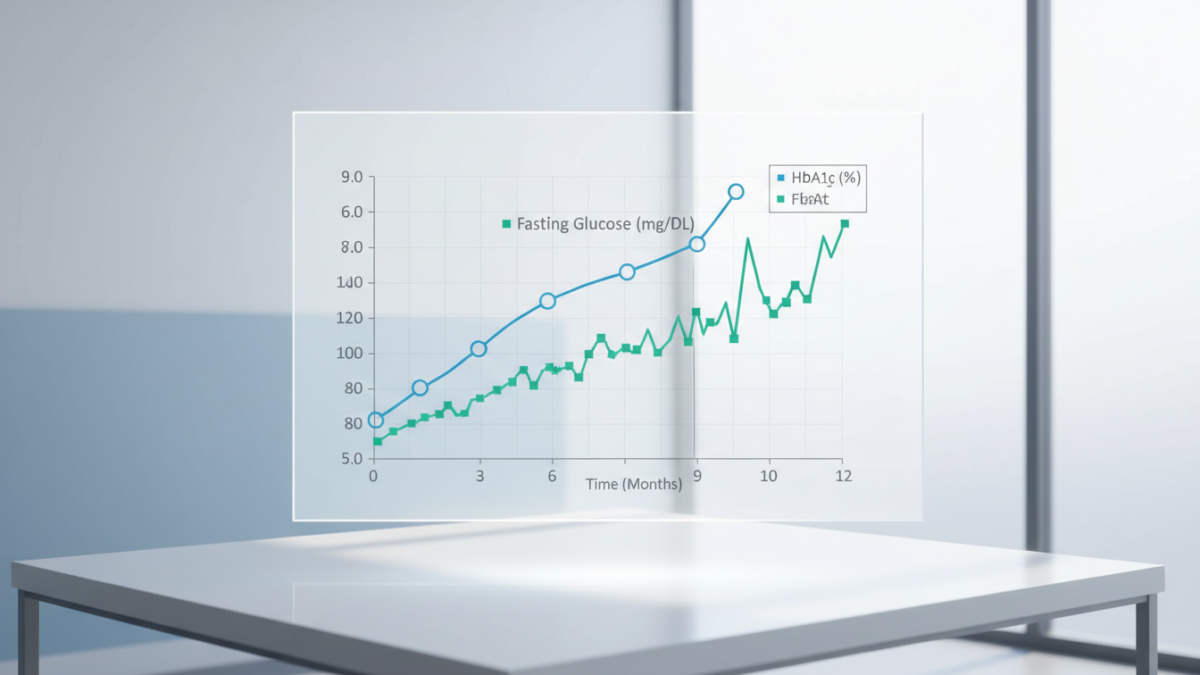
The hemoglobin A1c test is a key tool in healthcare. It shows how well blood sugar has been controlled over time. Just one blood test can reveal a lot about blood sugar levels over two to three months.
HbA1c and fasting glucose tests tell different stories. HbA1c shows how much sugar is attached to red blood cells. Fasting glucose, on the other hand, shows sugar levels after not eating for at least eight hours.
Doctors at places like the Mayo Clinic and Cleveland Clinic use both tests. They help find diabetes and prediabetes. Together, they give a clearer picture of a patient’s health than either test alone.
The American Diabetes Association says to use both tests for diagnosis and treatment. Each test has its own strengths and weaknesses. That’s why using both leads to better decisions.
Key Takeaways
- The hemoglobin A1c test reflects average blood sugar levels over two to three months.
- Fasting glucose measures blood sugar at a single point in time after an overnight fast.
- A side-by-side glycated hemoglobin comparison with fasting glucose provides a more complete metabolic assessment.
- Both tests are used to diagnose diabetes, prediabetes, and to monitor treatment progress.
- Understanding HbA1c vs fasting glucose helps patients and providers choose the right testing approach.
- The American Diabetes Association supports using both tests for accurate diagnosis.
What the Tests Measure
Two common tests for diabetes are the HbA1c test and the fasting plasma glucose (FPG) test. Each test shows a different view of how your body handles sugar. Knowing what they measure helps you understand your lab results better.
HbA1c Overview
The HbA1c test looks at the glucose attached to hemoglobin in your red blood cells. Red blood cells last about 120 days, so this test shows your average blood sugar over two to three months. It’s a good way to check your long-term glucose control.
This test is good because it’s not affected much by short-term things like illness or stress. The American Diabetes Association (ADA) uses HbA1c to diagnose and manage diabetes.
Fasting Glucose Overview
The fasting plasma glucose test checks your blood sugar at one time. You need to not eat for at least eight hours before the test. It shows if your body can lower sugar levels after not eating for a while.
If your fasting glucose is high, it might mean you have a problem with insulin or sugar use. You might need more tests to find out why.
| Feature | HbA1c | Fasting Glucose |
|---|---|---|
| What It Measures | Glycated hemoglobin (%) | Blood sugar at a single point (mg/dL) |
| Time Frame Reflected | 2–3 months | Moment of the blood draw |
| Fasting Required | No | Yes (minimum 8 hours) |
| Affected by Acute Stress | Minimal impact | Can be affected |
| Primary Use | Long-term glucose control assessment | Immediate blood glucose monitoring |
Why These Tests Are Ordered
Doctors don’t order HbA1c and fasting glucose tests randomly. These tests have specific uses based on a patient’s age, lifestyle, and health history. They help find blood sugar issues early, often years before diabetes sets in.
Assessment of Diabetes Risk
The American Diabetes Association suggests screening for adults 35 and older. Those under 35 with risk factors should be tested earlier. Risk factors include:
- A BMI of 25 kg/m² or higher (23 kg/m² for Asian Americans)
- A first-degree relative with diabetes
- High-risk ethnic backgrounds, including African American, Latino, Native American, Asian American, and Pacific Islander
- Blood pressure at or above 140/90 mmHg
- HDL cholesterol below 35 mg/dL or triglycerides above 250 mg/dL
- History of gestational diabetes or polycystic ovary syndrome
- Physical inactivity or HIV diagnosis
People with symptoms like excessive thirst, frequent urination, fatigue, or blurred vision need quick checks. Women with gestational diabetes history should be screened every three years, as per ADA.
According to the Centers for Disease Control and Prevention, over 97 million American adults have prediabetes — and more than 80% of them don’t know it.
Monitoring Glycemic Control
When prediabetes markers are found, like an A1C at or above 5.7%, yearly tests are key. Diabetes testing accuracy is critical here. Even small blood sugar changes can signal a move toward type 2 diabetes.
| Patient Category | Recommended Test Frequency | Primary Test Used |
|---|---|---|
| Adults 35+ with no risk factors | Every 3 years | Fasting glucose or HbA1c |
| Prediabetes (A1C ≥5.7%) | Every year | HbA1c |
| History of gestational diabetes | Every 3 years (lifelong) | Fasting glucose or HbA1c |
| Diagnosed type 2 diabetes | Every 3–6 months | HbA1c |
Accurate diabetes testing helps doctors adjust treatment plans and suggest lifestyle changes. It’s the first step to managing metabolic health.
Normal Reference Ranges
Understanding your metabolic health starts with knowing your numbers. The A1c versus FPG test uses different scales and units. Both tests categorize results into three groups: normal, prediabetes, and diabetes.
HbA1c Reference Range (units: %)
The HbA1c test shows your blood sugar average over two to three months. The American Diabetes Association (ADA) says a level below 5.7% is normal. A reading of 5.7% to 6.4% means you have prediabetes. A level of 6.5% or higher indicates diabetes.
To be diagnosed with diabetes, you need two positive results. These can come from the same blood sample or from separate tests on different days.
Fasting Glucose Reference Range (units: mg/dL)
Fasting blood sugar levels check your glucose at one point after fasting overnight. The ADA says a normal fasting plasma glucose is 99 mg/dL or less. A value between 100 and 125 mg/dL shows prediabetes. A reading of 126 mg/dL or higher on two separate times confirms diabetes.
Using both tests together gives a fuller picture of your metabolic health. The A1c versus FPG test comparison helps doctors spot issues that one test might miss.
| Category | HbA1c (%) | Fasting Glucose (mg/dL) |
|---|---|---|
| Normal | Below 5.7% | 99 mg/dL or lower |
| Prediabetes | 5.7% – 6.4% | 100 – 125 mg/dL |
| Diabetes | 6.5% or higher | 126 mg/dL or higher |
| Retest Interval (Normal) | Every 3 years | Every 3 years |
If your fasting blood sugar levels and A1c are both normal, the ADA suggests retesting every three years. This is true as long as you don’t have any symptoms.
Implications of High Levels
When diabetes screening shows high results, it’s a serious health warning. Both the hemoglobin A1c test and fasting glucose test can spot dangerous blood sugar levels. Knowing what high numbers mean is key to acting fast and wisely.
High HbA1c Levels
An HbA1c test result of 6.5% or higher means you have diabetes, says the American Diabetes Association. This number shows your blood sugar levels over two to three months. The higher it is, the more damage it can cause.
High HbA1c levels can lead to serious problems like:
- Cardiovascular disease and stroke
- Nerve damage (diabetic neuropathy)
- Kidney disease (diabetic nephropathy)
- Vision loss (diabetic retinopathy)
An HbA1c of 8% or higher means your blood sugar is not well-controlled. It often means you need to change your treatment plan.
High Fasting Glucose Levels
A fasting glucose reading of 126 mg/dL or higher on two tests confirms diabetes. This shows your body can’t handle blood sugar even when you haven’t eaten for a while. It means your body either doesn’t make enough insulin or doesn’t use it well.
| Marker | Diagnostic Threshold | Primary Risk |
|---|---|---|
| HbA1c | ≥6.5% | Cardiovascular disease, neuropathy |
| Fasting Glucose | ≥126 mg/dL | Insulin resistance, organ damage |
If both tests show high levels, you need a detailed plan to manage your diabetes. This includes eating right, staying active, managing your weight, and checking your blood sugar regularly.
Implications of Low Levels
Low test results can mean different things. Low glycated hemoglobin levels often show good metabolism. But, low fasting glucose levels might be a warning sign that needs quick action. It’s important to understand both to manage blood sugar well.
Low HbA1c Levels
An HbA1c under 5.7% is normal, says the American Diabetes Association. This means blood sugar has been well-controlled for two to three months. People in this range are at lower risk for type 2 diabetes.
Looking at glycated hemoglobin over time can show positive changes. Stable, low values mean good glucose handling. Factors that help keep HbA1c levels healthy include:
- Eating a balanced diet with whole grains, veggies, and lean proteins
- Doing at least 150 minutes of physical activity weekly
- Staying consistent with blood glucose monitoring
Low Fasting Glucose Levels
Fasting glucose below 70 mg/dL might mean hypoglycemia. This can cause dizziness, confusion, and even loss of consciousness if not treated. It’s important to see a doctor right away.
For those with diabetes, low fasting glucose could mean too much medication. Adjusting insulin or oral meds might be needed. Skipping meals or not eating enough carbs can also affect it.
| Marker | Normal-Low Range | Clinical Meaning | Action Needed |
|---|---|---|---|
| HbA1c | 4.0%–5.6% | Healthy glucose metabolism | Continue routine screening |
| Fasting Glucose | 70–99 mg/dL | Normal glycemic control | Maintain current lifestyle |
| Fasting Glucose | Below 70 mg/dL | Possible hypoglycemia | Seek medical evaluation |
Regular blood glucose checks and glycated hemoglobin tests give a full picture of health. Next, we’ll look at other biomarkers like C-peptide and fructosamine for deeper insights.
Related Biomarkers
Doctors use more than just HbA1c and fasting glucose. Several biomarkers help improve diabetes testing and give a clearer view of health. These tests are key when results are unclear or don’t match up.

Importance of C-Peptide
C-peptide is a protein made by the pancreas with insulin. It shows how much insulin your body makes. Doctors use it to distinguish between type 1 and type 2 diabetes.
It’s a vital marker for diagnosing prediabetes. A study in Diabetes Care (2023) found C-peptide testing helps when diabetes type is unsure.
Role of Fructosamine
Fructosamine shows your blood sugar over the past two to three weeks. It looks at glycated serum proteins, not just hemoglobin. This is useful when HbA1c results are off due to other health issues.
| Biomarker | What It Measures | Timeframe Covered | Best Used When |
|---|---|---|---|
| C-Peptide | Endogenous insulin production | Current snapshot | Differentiating diabetes type |
| Fructosamine | Glycated serum proteins | 2–3 weeks | HbA1c is unreliable |
| Insulin Levels | Circulating insulin in blood | Current snapshot | Assessing insulin resistance |
Using these biomarkers with HbA1c and fasting glucose makes testing more accurate. It helps doctors understand your health better before looking at other factors.
Factors Affecting Results
When comparing A1c and FPG tests, it’s key to know what can skew them. These factors include biology and daily habits. Knowing these helps both patients and doctors understand results better.
Hemoglobin Variants
HbA1c measures glucose attached to hemoglobin in red blood cells. But, certain conditions can mess with this reading. Sickle cell disease and thalassemia can make A1c values seem off.
The National Glycohemoglobin Standardization Program (NGSP) says some tests are more affected than others. Other conditions that change red blood cell turnover also impact results.
- Recent blood loss or transfusion
- Pregnancy-related changes in blood volume
- Hemodialysis
- Erythropoietin therapy, which speeds up red blood cell production
In these cases, FPG or fructosamine might give a clearer picture than A1c.
Recent Eating Patterns
Fasting plasma glucose is very sensitive to short-term changes. Diet, exercise, stress, and meds can change readings quickly. An 8-hour fasting period is needed before the test for reliable results.
What you ate the night before, how active you were, and stress can affect FPG. But, HbA1c reflects glucose control over 2- to 3-months.
| Factor | Impact on HbA1c | Impact on FPG |
|---|---|---|
| Hemoglobin variants | Falsely high or low | No direct effect |
| Recent meals | Minimal | Significant if fasting not observed |
| Acute stress or illness | Minimal short-term effect | Can raise levels sharply |
| Blood transfusion | Can distort results | No direct effect |
| Exercise (prior day) | Negligible | May lower fasting values |
Clinical Context Considerations
No single lab test tells the full story. Both fasting blood sugar levels and the hemoglobin A1c test need to be seen in the context of each patient. A person’s medical history and health conditions affect how doctors use and interpret these tests.
Patient History Influence
Women with a history of gestational diabetes are at higher risk for type 2 diabetes. The American Diabetes Association suggests lifelong screening every three years for them. A family history of diabetes also means more frequent testing of fasting blood sugar levels is needed.
Race and ethnicity also play a role. African American, Hispanic, Native American, and Asian American populations face a higher risk of diabetes. Screening should start at age 35, or earlier if other risk factors exist. Physical inactivity and obesity, with BMI thresholds adjusted by ethnicity, can lead to more frequent testing. Knowing your normal glucose levels after eating helps between lab visits.
“The decision to test should be guided not just by symptoms, but by the full scope of a patient’s life circumstances and risk profile.” — American Diabetes Association, Standards of Care 2024
Comorbid Conditions
Several health issues can affect which test a clinician chooses and how often it’s done. The hemoglobin A1c test is key for patients with chronic conditions that affect metabolism.
| Comorbid Condition | Impact on Testing | Recommended Frequency |
|---|---|---|
| Polycystic Ovary Syndrome (PCOS) | Increases insulin resistance | Annual screening |
| Cardiovascular Disease | Shared risk factors with diabetes | Every 1–3 years |
| Hypertension on Therapy | Medications may affect glucose metabolism | Annual screening |
| Dyslipidemia (HDL <35 or TG >250 mg/dL) | Signals metabolic syndrome risk | Every 1–2 years |
| HIV (on antiretroviral therapy) | Certain medications raise blood glucose | Before and after starting therapy |
Patients with any of these conditions should discuss a personalized testing plan with their healthcare provider. Early detection through the right test at the right time can prevent serious complications down the road.
Limitations of the Tests
No single test is perfect for finding diabetes. Both HbA1c and fasting plasma glucose (FPG) tests have their own problems. Knowing these helps everyone make better choices about testing and diagnosis.

Interpretation of Results
A study in The Lancet Diabetes & Endocrinology found HbA1c misses some cases. A normal HbA1c doesn’t always mean you’re not diabetic. The American Diabetes Association says don’t rely on just one test. You need to test again or use more than one test to be sure.
Doctors must look at more than just test results. They consider:
- How you feel, like being thirsty or tired a lot
- Your family history and risk factors
- Results from many blood tests over time
- Your weight and how active you are
Conditions Impacting Accuracy
Some health issues can mess with test results. The table below shows how different factors affect each test.
| Factor | Effect on HbA1c | Effect on Fasting Glucose |
|---|---|---|
| Hemoglobinopathies (e.g., sickle cell trait) | Falsely high or low readings | No direct impact |
| Iron-deficiency anemia | Falsely elevated results | No direct impact |
| Recent blood transfusion | Unreliable for up to 3 months | Minimal impact |
| Kidney or liver disease | Altered red blood cell lifespan skews values | May affect glucose metabolism |
| Acute illness or stress | Minimal short-term effect | Temporary glucose spikes |
| Non-compliance with fasting | Not applicable | Invalidates the test entirely |
FPG needs you to fast all night. Even a tiny snack can mess up the results. Stress or illness can also raise your blood sugar, making FPG results unreliable. That’s why using different tests together is best.
References
This article uses research from peer-reviewed journals and clinical standards. It talks about diabetes testing and prediabetes markers in various studies. Below are the main publications, sorted by type.
Medical Journals
The Journal of the Endocrine Society published a study from the MESA Study. It looked at fasting glucose, HbA1c, and heart disease links. A PLOS ONE meta-analysis checked how well diabetes tests work, like HbA1c and fasting glucose.
Diabetic Medicine used HbA1c to spot type 2 diabetes in the Finnish Diabetes Prevention Study. The Postgraduate Medical Journal talked about HbA1c as a diabetes control marker. Current Diabetes Reviews discussed HbA1c’s role in diagnosing diabetes. StatPearls has a wide guide on type 2 diabetes, helping with prediabetes diagnosis.
Clinical Guidelines
The American Diabetes Association’s 2022 Standards of Medical Care in Diabetes is key for screening and diagnosis. JAMA published guidelines for finding prediabetes and type 2 diabetes in adults. Clinical Diabetes, by the American Diabetes Association, has many articles on diabetes testing.
These guidelines help doctors understand HbA1c and fasting glucose results in the U.S.